Navigating Flight Cancellations: Essential Steps for Travelers Facing Disrupted Itineraries
Article Editorial Team
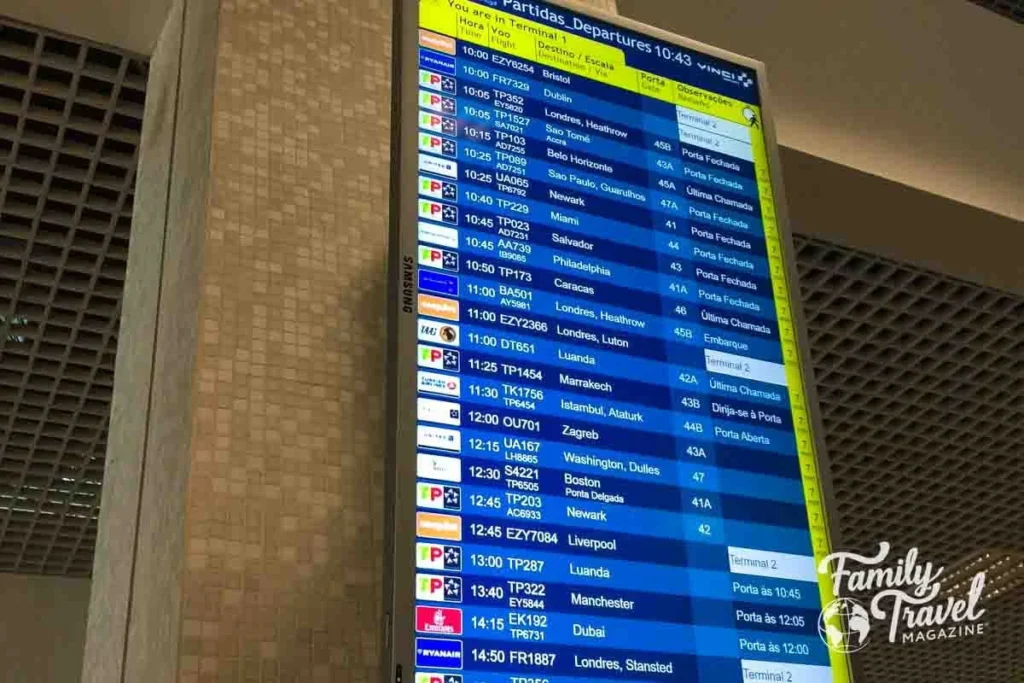
In recent years, air travelers across the country have reported an increasingly familiar and frustrating experience: flights canceled with greater frequency. Whether disruptions materialize days before a scheduled departure or strike unexpectedly while passengers are already waiting at the gate due to severe weather conditions, navigating a canceled flight requires immediate action and a strategic approach. For families and individual travelers alike, understanding how to respond when travel plans unravel can mean the difference between salvaging a trip and watching a vacation vanish into thin air.
Flight disruptions are driven by a complex web of factors, ranging from severe weather events and technical malfunctions to broader operational challenges within the commercial aviation industry. When an airline pulls the plug on a flight, travelers are abruptly thrown into a logistical scramble. To ensure arrival at a final destination, passengers must act decisively, leveraging a combination of digital tools, airline customer service channels, and personal preparation.
When Booking Your Flight
While external events like blizzards, hurricanes, and air traffic control constraints remain entirely outside a traveler’s control, expert travel planners emphasize that proactive measures can minimize the impact of disruptions. One foundational strategy involves building generous buffers into travel itineraries. Travelers scheduling complex journeys—particularly those connecting to time-sensitive events such as destination weddings, conferences, or cruise departures—are strongly advised to arrive at their embarkation points well in advance. Allowing an extra day or two at the destination absorbs potential travel delays without jeopardizing the primary purpose of the trip.
Similarly, booking itineraries with adequate layover times between connecting flights reduces the risk of misconnecting when incoming aircraft run late. Taking these precautions at the booking stage establishes a critical safety net before stepping foot inside an airport terminal.
Keeping Track of Flights Before Your Trip
Advance planning often means booking flights months ahead of time, a practice that frequently exposes itineraries to schedule adjustments. Airlines routinely update their flight banks, modifying departure times, changing aircraft types, or canceling legs altogether to optimize their networks. While carriers are generally obligated to issue notifications regarding significant changes, relying solely on automated emails can be risky, as critical messages frequently get lost in crowded inboxes.
To stay ahead of schedule changes, many frequent flyers utilize dedicated flight-tracking applications. Premium digital tools such as Flighty and TripIt offer advanced monitoring capabilities, tracking aircraft movements in real-time and alerting users to potential delays and operational issues long before they arrive at the airport. For infrequent travelers, manual daily checks of airline schedules and reservation portals can serve as a no-cost alternative to paid software subscriptions.

Beyond tracking flight status, maintaining accurate records is vital. Ensuring that airlines have up-to-date contact information—including mobile phone numbers and email addresses—guarantees that urgent cancellation alerts reach passengers immediately. Furthermore, downloading the official mobile application of the operating carrier and logging in prior to travel day ensures seamless access to digital boarding passes, chat support, and rebooking interfaces.
Watch the Weather
Meteorological forecasts often provide the earliest warning of impending travel chaos. When widespread weather events, such as major winter snowstorms or powerful tropical hurricanes, appear on the horizon, major commercial airlines frequently issue travel advisories and proactively waive change and cancellation fees. Travelers based in regions prone to severe winter weather, such as the Northeast, are well-acquainted with these pre-emptive measures.
Monitoring regional weather patterns allows savvy travelers to take advantage of these waiver policies before conditions deteriorate. Modifying travel plans to depart a day or two early can successfully bypass the worst of the terminal congestion and mass cancellations. Crucially, making these adjustments online through the airline’s website or app helps passengers avoid enduring hours-long telephone hold times or massive queues at airport service desks.
Cancelled Flights Before You Leave For the Airport
The stress of a canceled flight escalates significantly when the disruption occurs on the day of departure. When cancellations happen before travelers even leave their homes, the immediate objective shifts to securing an alternative route without joining the inevitable terminal pandemonium.
Leveraging flight-tracking apps prior to departure allows passengers to monitor the inbound aircraft designated for their route. Observing that a plane is severely delayed or grounded at an earlier spoke airport often provides an early indication of an impending cancellation, allowing travelers to begin exploring options before an official notification is issued.
When a cancellation is officially confirmed, airlines frequently attempt to automatically rebook affected passengers. However, automated reaccommodation systems do not always assign optimal routings. If an automatic rebooking has not occurred, or if the proposed alternative is unsatisfactory, contacting the airline immediately is paramount.

During these critical moments, flexibility becomes a vital asset. Travelers holding direct tickets may need to accept itineraries featuring connections to secure a seat. Additionally, exploring alternative forms of transportation or investigating flights operating out of nearby regional airports can provide viable pathways to the destination when primary hubs are gridlocked. In cases where alternative travel is impractical or undesirable, passengers retain the right to request a full refund or cancel the entire trip.
Cancelled Flights When You Are at the Airport
Discovering a flight cancellation while physically present at the airport presents a distinct set of challenges and opportunities. While gate agents and customer service representatives are accessible on-site to assist with rebooking, physical queues can grow exponentially during widespread operational meltdowns.
Industry experts recommend a dual-track approach when a cancellation strikes at the airport: immediately join the physical line for customer assistance while simultaneously placing a call to the airline’s reservation hotline. Utilizing two distinct communication channels maximizes the likelihood of connecting with an agent quickly, securing available alternative seats before they are exhausted.
Interactions with airline personnel during high-stress disruptions benefit greatly from patience and clear communication. Presenting the situation concisely while maintaining a calm and friendly demeanor often elicits a more favorable response from agents who are navigating difficult conditions with limited systemic options.
Furthermore, passengers with checked luggage must address baggage logistics immediately, particularly if bags were accepted prior to the cancellation announcement. Informing the assisting agent about checked items ensures that baggage tags are correctly updated and rerouted alongside the passenger’s new itinerary.
Dealing With Long Flight Delays
When flight disruptions result in extended waiting periods at the airport, passengers must prepare for prolonged hours in terminal concourses. In scenarios involving overnight delays, travelers should inquire about airline-provided hotel accommodations and meal vouchers. However, industry regulations and carrier policies generally do not obligate airlines to furnish hotel vouchers when cancellations and delays stem from severe weather events or acts of nature, as these are classified as circumstances beyond the carrier’s control.

Faced with lengthy daytime layovers or multi-hour waits, some travelers opt to book day-use rooms at airport hotels. While these accommodations—which grant access to a guest room and property amenities such as fitness centers and pools—come at the traveler’s own expense, they offer a comfortable sanctuary away from crowded boarding gates.
Extended airport stays also underscore the importance of logistical preparation. Keeping electronic device chargers easily accessible in carry-on luggage ensures that phones, tablets, and laptops remain powered for critical communication with airlines, family members, and lodging providers. For families traveling with infants and toddlers, packing comprehensive supplies, extra clothing, and essential comfort items within carry-on bags is indispensable for managing unexpected hours in transit.
Travel Insurance
The unpredictability of modern air travel frequently prompts families and individuals to evaluate the merits of purchasing travel insurance. When severe disruptions occur, comprehensive travel protection policies can provide financial relief by reimbursing expenses that fall outside airline liability. This often includes coverage for unexpected hotel stays, ground transportation, and emergency purchases necessitated by delayed or lost luggage.
Travelers who invest in third-party insurance policies are advised to review the specific terms of their coverage prior to departure to understand reimbursement thresholds and exclusions. Ensuring that policy documents and emergency assistance contact numbers are readily accessible on mobile devices or in print can significantly streamline the claims process when travel plans encounter unforeseen obstacles.
Related News