Real-World Ecotourism: How Global Destinations and Operators Bring Sustainability Principles to Life
Article Editorial Team

As modern travelers become increasingly conscious of their personal environmental footprints, a growing number of visitors are asking a fundamental question: how do our journeys actually affect the places we visit? Traditional tourism has often left a heavy trail of resource depletion, environmental degradation, and cultural displacement in its wake. In response, authentic ecotourism has emerged as a vital pathway, offering a way to experience the natural world while actively helping to protect fragile ecosystems and support the communities that live alongside them.
While understanding the core definitions and concepts of sustainable travel is an essential first step, translating those abstract principles into daily practice remains the true test for the global tourism industry. Across the globe, destinations, conservation groups, and tour operators are demonstrating how ecotourism functions on the ground. By examining these real-world examples, travelers can better recognize genuine sustainability efforts, steer clear of misleading greenwashing, and gain a clearer understanding of what responsible travel looks like in action.
Ecotourism Principle #1: Minimize Negative Environmental and Wildlife Impacts
Nature-based tourism frequently draws travelers into delicate, fragile environments where visitor activities can easily trigger severe soil erosion, pollution, habitat disruption, and acute stress on local wildlife if not carefully managed. This primary tenet of ecotourism calls for travel practices designed to explicitly reduce harm while simultaneously fostering ecosystem resilience.
On-the-ground execution of this principle involves deploying low-impact infrastructure, enforcing strict waste reduction protocols, and facilitating responsible wildlife viewing. Furthermore, it relies heavily on adaptive visitor management—a dynamic process that involves continuously monitoring local environmental conditions and adjusting visitor access, travel routes, or operational guidelines to alleviate ecological pressure and prevent the destructive impacts of overtourism.
The Galápagos Islands offer a clear example of why this principle is vital. Shaped by millions of years of profound geographic isolation, the archipelago serves as a sanctuary for numerous plant and animal species found nowhere else on Earth. Because many of these creatures evolved in the absence of natural predators, they are exceptionally sensitive to human disturbance.
To safeguard these irreplaceable ecosystems, tourism in the Galápagos operates under an intensely managed regulatory framework. Ninety-seven percent of the archipelago is officially designated as a national park, while the surrounding waters are protected by a sprawling marine reserve known for high biodiversity. Comprehensive zoning laws strictly restrict visitor activity to specific, less fragile locations. Additionally, cruise tourism has faced strict caps since 1998 to prevent visitor numbers from overwhelming local ecosystems, though land-based tourism continues to introduce evolving management challenges. All visitors must strictly adhere to park rules, which mandate traveling exclusively with licensed naturalist guides and remaining on marked trails. Complementary infrastructure improvements, such as local renewable energy projects, also help mitigate the catastrophic risk of fuel spills, recalling past industrial accidents that devastated local wildlife populations like marine iguanas.
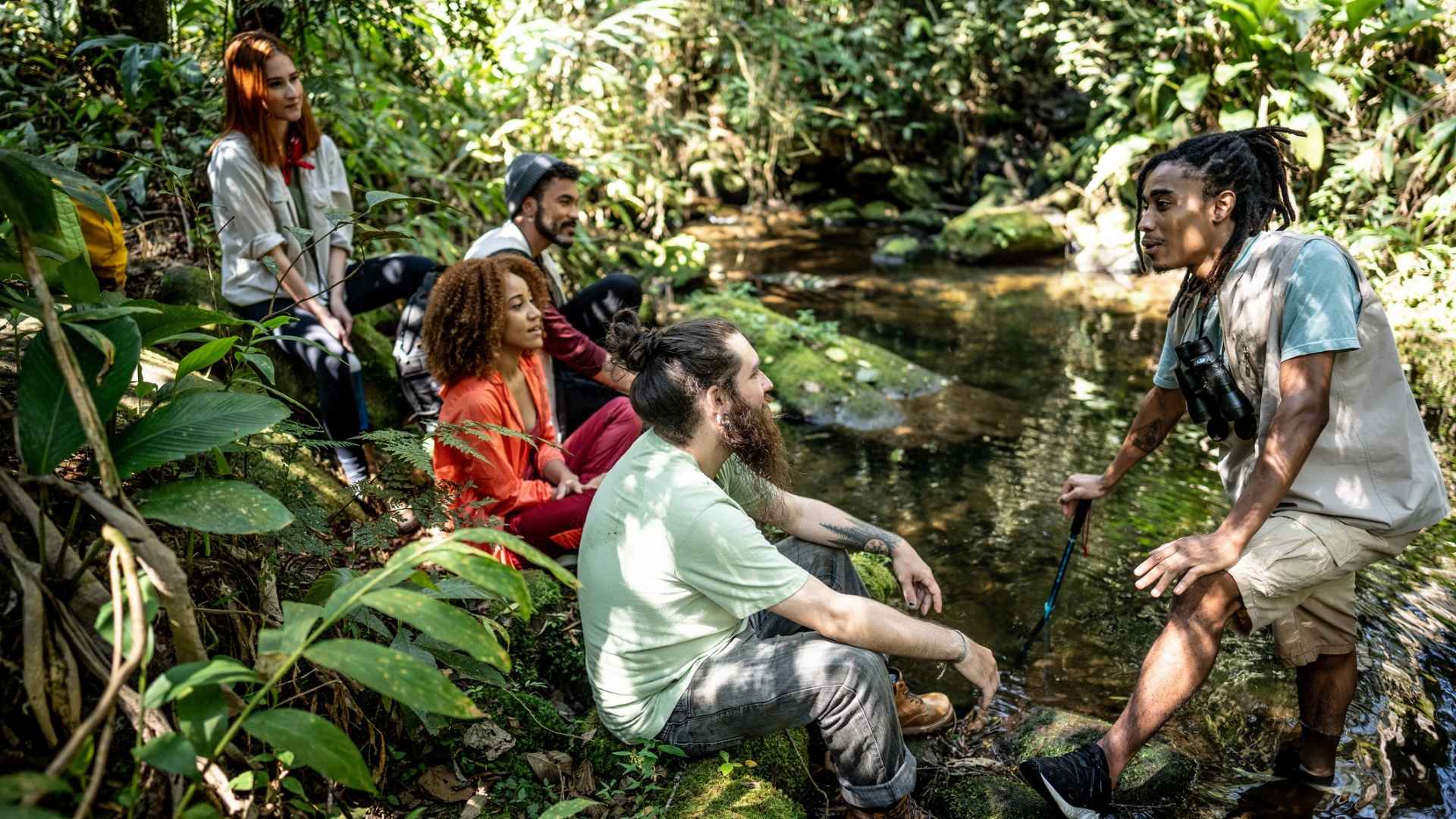
Beyond high-level destination policies, individual operators can significantly reduce environmental footprints through the thoughtful design of their itineraries. In Norway’s remote Svalbard archipelago, Svalbard Wildlife Expeditions centers its entire operational model around non-motorized travel. Guests explore the arctic terrain primarily by foot, kayak, or skis. These slow-travel approaches eliminate engine noise, drastically cut carbon emissions, and limit physical disturbance to fragile Arctic terrain and vulnerable wildlife. Guides place heavy emphasis on maintaining safe distances from animals and strictly following leave-no-trace principles, further minimizing human impact in these extreme environments.
Ecotourism Principle #2: Minimize Negative Impacts on Communities and Cultures
In destinations rich in biodiversity, nature is rarely just a scenic attraction; it is fundamentally central to the identity, culture, and daily survival of the local communities that call these regions home. Without intentional care and oversight, nature-based tourism can fracture that vital connection. Unchecked visitor influxes can degrade culturally significant natural sites, crowd local recreation spaces, and restrict traditional community access to vital forests and fishing grounds relied upon for generations.
Furthermore, tourism can severely strain limited natural resources—particularly water supplies in arid regions where resources are already constrained. Even commercial accommodations marketed as eco-friendly lodges have historically consumed massive quantities of water for swimming pools or lush landscaping, frequently breeding tension with neighboring households, farmers, and indigenous residents.
Effective ecotourism explicitly prioritizes supporting local livelihoods and respecting deep cultural ties to the environment, ensuring that tourism development never comes at the direct expense of the people who depend on those ecosystems.
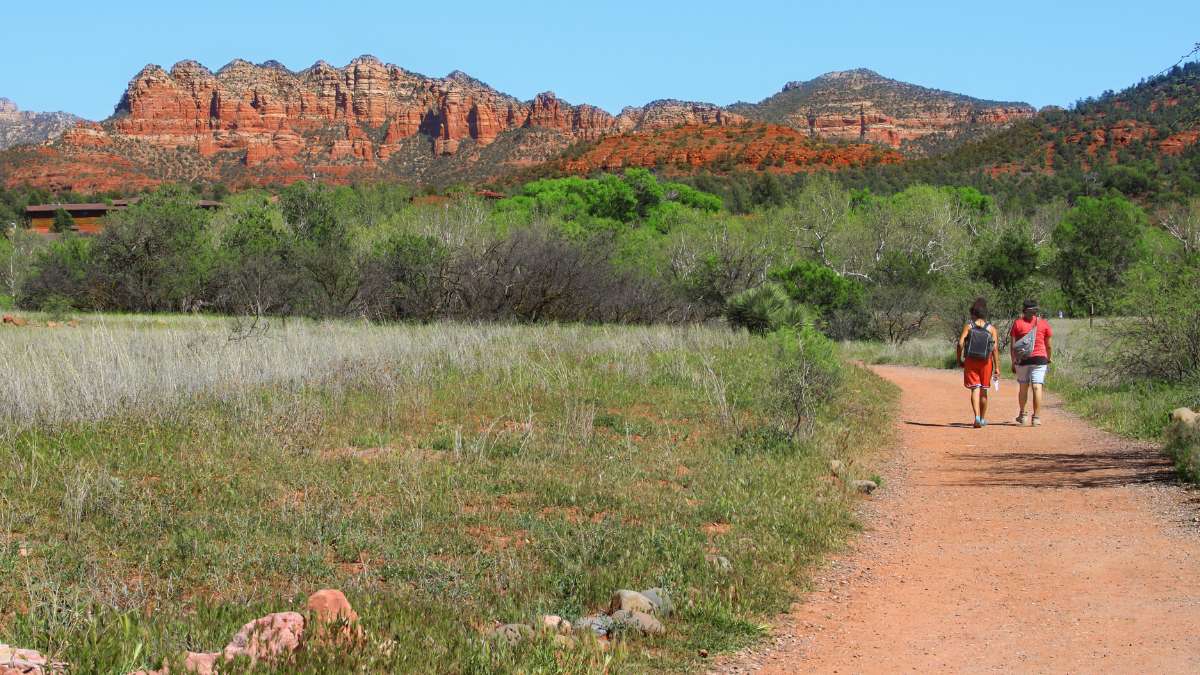
Sedona, Arizona, a desert municipality renowned for its dramatic red rock landscapes and extensive outdoor recreation opportunities, illustrates how a destination can respond to these pressures. As annual visitation surged, local residents voiced growing concerns over crippling traffic congestion, ambient noise pollution, and environmental degradation. In response, town leadership initiated a decisive shift away from traditional promotional destination marketing toward a comprehensive, community-informed management approach.
Today, Sedona invests heavily in alternative transit solutions designed to mitigate vehicular traffic, actively directs visitors away from overburdened trails, and increases dedicated funding for trail maintenance. To combat sensory pollution, the town introduced strict limitations on commercial helicopter flight paths, shielding residential neighborhoods and sensitive ecological zones from excessive noise. These initiatives are paired with aggressive water conservation measures and public education campaigns aimed at easing the burden on local resources. While these efforts are ongoing and community tensions around tourism persist, Sedona demonstrates how resident engagement, data-driven oversight, and adaptive policies can work to balance a booming visitor economy with the daily quality of life for locals.

Ecotourism Principle #3: Provide Financial Benefits for Conservation
True ecotourism extends far beyond merely mitigating negative impacts; it is proactively engineered to generate direct financial streams that fund the protection, management, and restoration of the natural environments and wildlife populations upon which the tourism industry relies. Revenue collected directly from visitors—including national park entrance fees, trekking permits, and direct donations from tour operators—is reinvested straight back into the ecosystems travelers come to experience.
In the extreme south of Chilean Patagonia, Torres del Paine National Park is internationally celebrated for its spectacular hiking trails winding among rugged granite peaks and crystalline glacial lakes. More than 350,000 people visit the park annually, placing immense strain on its fragile wilderness landscapes.
To combat this wear and tear, tourism in Torres del Paine directly funds vital conservation work through the Legacy Fund. This initiative channels financial contributions from tour operators, local lodges, and travelers into high-priority environmental projects. A primary focus has been the complex restoration of heavily eroded trails and the installation of elevated boardwalks designed to protect sensitive underlying habitats. Furthermore, the Legacy Fund has supported the large-scale reforestation of areas decimated by historic wildfires, alongside targeted conservation programs for the endangered huemul deer inhabiting the park.
Half a world away in East Africa, Rwanda provides another powerful testament to how ecotourism can successfully finance large-scale conservation. Robust tourism revenue has directly supported conservation interventions that successfully brought Rwanda’s mountain gorilla population back from the brink of extinction, allowing numbers to recover to approximately 600 individuals today.
Within Volcanoes National Park, official gorilla trekking permits are priced at USD 1,500 per visitor. This significant revenue directly funds dedicated tracking teams who monitor gorilla families daily and strictly manage visitor interactions to minimize stress and disease transmission. The funds also underwrite critical anti-poaching operations—including the systematic removal of dangerous wire snares—as well as specialized veterinary care for injured or ill animals in the wild.
Ecotourism Principle #4: Provide Economic Benefits for Local Communities
Ecotourism guarantees that the human populations living closest to natural environments—those who have traditionally acted as their primary stewards—share equitably in the financial rewards generated by visitors. This approach creates stable local jobs, bolsters community-run enterprises, and builds tourism experiences deeply rooted in indigenous knowledge and traditions. When tourism revenue remains anchored within local communities, it formally acknowledges their historic role in protecting these landscapes and provides the economic stability required to continue safeguarding the ecosystems that support them.
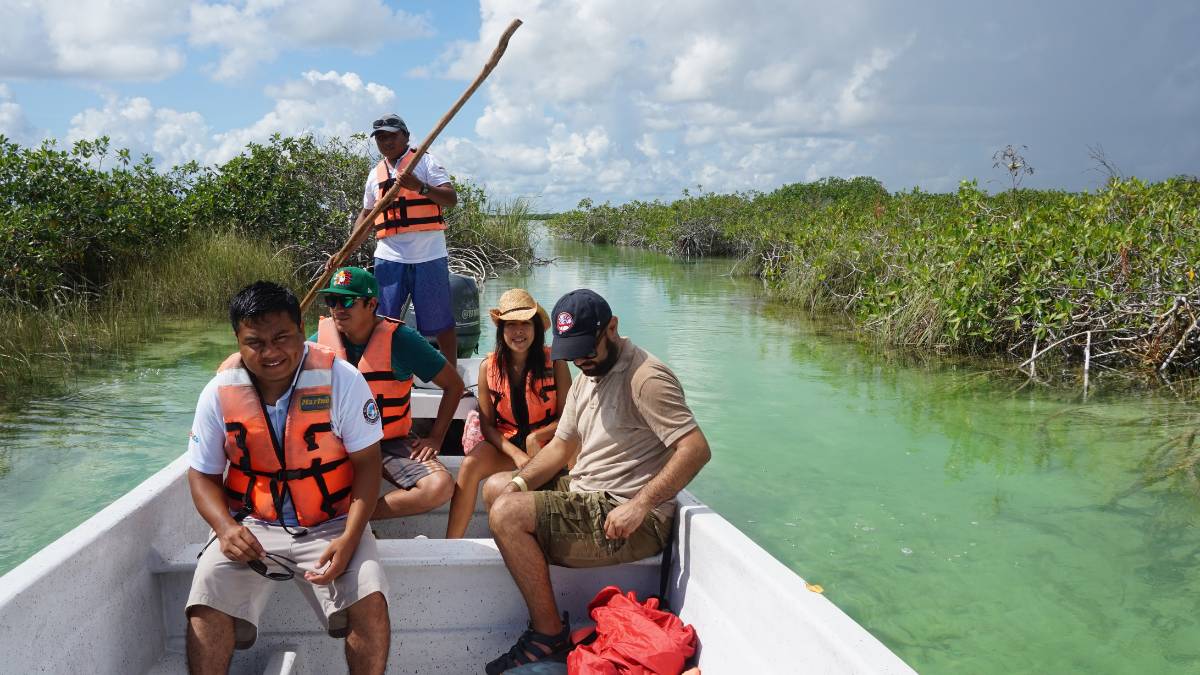
In Mexico’s sprawling Sian Ka’an Biosphere Reserve, a Maya-run cooperative offers nature-based excursions that deliver direct, tangible economic benefits to local families. These ecotours are guided and hosted exclusively by community members, offering small-group adventures such as guided lagoon boat trips, kayaking excursions through ancient mangrove-lined waterways, specialized birdwatching, and traditional Mayan culinary experiences. Because these ventures are entirely community-led, financial income remains directly in Maya hands. Participating communities have documented average household income increases of approximately 30%, alongside vital investments in professional guide training. This economic model has established a viable, sustainable alternative to environmentally destructive activities like poaching or illegal logging, firmly linking the preservation of the biosphere reserve with local prosperity.
A strikingly similar framework operates in Nepal’s rural mountain districts. The Community Homestay Network connects travelers with immersive rural experiences that blend community life with nature exploration. Journeys often feature guided hikes through forested hillsides, wood-carving workshops hosted by local artisans, and overnight stays in family homes where visitors learn traditional Nepali cooking techniques. The network trains local residents—many of whom are women—in essential hospitality, management, and business skills, enabling them to run successful micro-enterprises. To date, this community-driven model has generated over USD 139,000 in direct economic value distributed across 28 distinct communities.
Ecotourism Principle #5: Empower Indigenous and Local Communities as Equal Partners
Historically, while tourism frequently utilized the lands and cultures of Indigenous and local communities, their formal role in the industry was relegated to low-wage service providers or passive human attractions for travelers. In countless instances, conventional tourism models introduced systemic cultural exploitation, involuntary land loss, and severe social disruption.
Authentic ecotourism rejects this extractive model in favor of genuine collaboration, transforming local populations from mere participants into empowered decision-makers. Communities help conceptualize and design visitor experiences, share direct ownership stakes, dictate how tourism operates within their ancestral territories, and retain complete control over how their cultural heritage is represented to the outside world.
In the Brazilian Amazon, the Indigenous Paiter Suruí people are actively developing their own independent ecotourism initiative. Rather than subordinating themselves to outside commercial tour operators, the community founded a dedicated Indigenous-run agency to manage all visitor experiences within their sovereign territory.
Suruí community members personally host travelers, leading immersive forest walks, storytelling sessions, traditional culinary tastings, and educational workshops on medicinal plants. The established infrastructure features a community botanical garden, an authentic handicraft shop, and a local restaurant, collectively generating reliable household income. By taking full ownership of tourism management, the Suruí ensure that industry operations strictly align with their collective priorities: protecting the rainforest canopy and preserving their ancient cultural traditions for future generations.

Ecotourism Principle #6: Build Awareness and Respect
Education sits at the absolute core of ecotourism, converting ordinary travel into a profound opportunity for intellectual engagement and human connection. This principle ensures that visitors depart a destination with far more than photographic souvenirs; they leave equipped with a heightened awareness of local environmental realities, cultural nuances, and the concrete impacts of their personal presence.
Learning within an ecotourism framework takes many forms, ranging from expert interpretation by local guides and informational awareness materials to genuine cross-cultural exchanges and hands-on scientific participation. These interactions create mutual opportunities for both travelers and host communities to share knowledge, deepen understanding, and cultivate lasting respect for both nature and local heritage.
Costa Rica offers a clear window into how this educational principle operates in the field. At the Pacuare Reserve, visitors can participate directly in guided night patrols to observe endangered sea turtles nesting on dark beaches, actively contributing to ongoing scientific research. Accompanied by professional research staff, travelers assist with data collection and learn the intricate details of the turtles’ nesting biology firsthand.
Beyond sea turtles, visitors encounter tropical primates, migratory birds, and diverse wildlife through guided jungle excursions. Staff naturalists explain how complex rainforest and coastal marine ecosystems function, detailing the specific anthropogenic threats they face. These immersive educational experiences turn the reserve into a living outdoor classroom, demonstrating practical conservation in action while instilling a profound personal sense of responsibility for protecting Costa Rica’s extraordinary biodiversity.
Ecotourism Principle #7: Create Positive Experiences for Both Visitors and Hosts
At its foundational level, ecotourism is engineered to cultivate deeply meaningful, positive experiences for both visiting travelers and permanent destination residents. It operates on the premise that a successful tourism economy must actively support local community needs and municipal priorities while simultaneously delivering high-quality, enriching adventures for guests. This principle emphasizes achieving a delicate balance: fostering a tourism sector that demonstrably works for the people who call the destination home just as much as it satisfies the aspirations of those who visit.
In Bolivia’s remote Madidi National Park, the Chalalán Ecolodge stands as a globally recognized, community-run model that embeds these mutual positive outcomes into its daily operations. Fully owned and managed by the Indigenous people of San José de Uchupiamonas, the lodge was originally established to legally protect their ancestral territory and elevate local living standards through sustainable ecotourism revenue. Every overnight stay directly finances community development projects, with profits reinvested into vital infrastructure initiatives such as expanded potable water access, local health clinics, school construction, and a system of micro-loans reserved for medical emergencies.
While staying at the lodge, visitors hike dense rainforest trails and paddle dugout canoes across Lake Chalalán, accompanied expertly by Indigenous guides who help spot elusive wildlife species and explain the surrounding ecology. Travelers leave with unforgettable wildlife encounters—such as observing spider monkeys moving through the forest canopy or gliding past caimans during a night paddle—alongside a deeply rooted, respectful connection to the remote region they explored.
Related News