The Culinary Line in the Sand: Why Independent Restaurants Are Finally Saying No to Menu Substitutions
Article Editorial Team
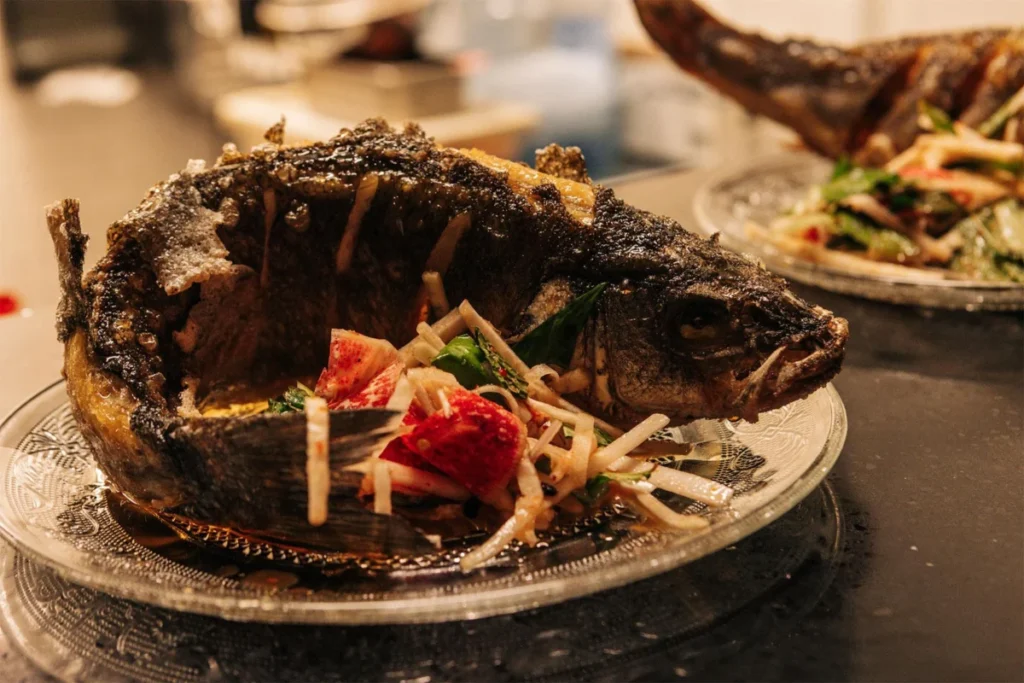
When Chanita Chayaluk set out to open Taan, her Chicago restaurant and wine bar, she harbored a clear and deliberate vision: to showcase Thai cuisine in a different light. Reflecting on the local landscape, she noted that the first major wave of Thai immigration to Chicago occurred in the 1970s, leaving behind a culinary footprint where a significant portion of the city’s Thai food still feels rooted in that era. When Taan opened its doors in September, its menu was designed to challenge those perceptions, featuring offerings like miang, a Northern Thai delicacy made with fermented tea leaves, and a whole, deep-fried fish coated in a rich fish-sauce caramel.
Yet, alongside the intricate flavors and ambitious dishes, Chayaluk quickly encountered an unexpected quirk of operating in the local dining scene. She describes the overarching culture as distinctly "Midwest nice," an environment where hospitality businesses frequently attempt to overaccommodate and appease the masses. During the early days of service, Chayaluk and her small kitchen staff were met with a relentless stream of requests for substitutions and custom modifications driven by individual preferences and dietary restrictions.
The volume and frequency of these demands began to take a toll. Chayaluk explains that fielding constant alterations would slow down service and diminish operational speed, creating a ripple effect that compromised the overall guest experience. With a compact kitchen and a lean team, keeping pace with a customized assembly-line mentality felt unsustainable. It reached a tipping point when a diner ordered the restaurant’s green curry mussels, but requested them "without the mussels."
Recognizing that these modifications threatened the integrity of the food, Chayaluk implemented a strict, limited substitution policy at Taan. She took to Instagram to clearly outline the stance, explaining to the public that foundational ingredients such as fish sauce and shrimp paste are the very fabric that defines their cuisine, and therefore cannot be removed from any dishes that incorporate them.
This culinary boundary-setting arrives at a fascinating cultural crossroads for the hospitality industry. A decade or so ago, asking for menu substitutions was generally frowned upon and frequently derided in food culture as a breach of dining etiquette. Recently, however, restaurants across the country report that modification culture has bubbled back up in full force, driven by a confluence of modern dining trends.
Several factors have converged to create this environment. The proliferation of lunch slop-bowl spots and fast-casual assembly lines has successfully primed customers to expect a high level of granular customization with every order. Meanwhile, the widespread influence of concepts popularized in literature like Unreasonable Hospitality has intensified an unconditional "customer is always right" mentality. Compounding the pressure is the modern digital ecosystem, where food influencers and online reviewers can instantly target a restaurant that chooses not to honor specific dietary preferences, making dissent ripe for immediate, viral backlash. Coupled with the immense financial strain of keeping an independent restaurant afloat in the current economic climate, many operators have felt compelled to give in, either by catering to endless individual requests or by altering their menus altogether—a trend reflected in the broader culinary phenomenon of the "great de-spicification" of menus.
Despite these mounting industry pressures, a growing cohort of independent operators is choosing to stand their ground. Alongside Taan in Chicago, establishments like Ha’s Snack Bar in New York City proudly advertise their uncompromising approach, explicitly stating in their social media biographies that everything on the menu contains fish sauce.
A similar dynamic unfolded at Lom Wong in Phoenix, Arizona, where chef and co-owner Alex Martin and his partner, chef Yotaka “Sunny” Martin, watched substitution and modification requests accelerate dramatically after receiving a wave of national attention. Last year, Chef Sunny Martin was recognized by the James Beard Awards, and in August, the restaurant earned a prestigious Michelin Bib Gourmand designation.
According to Alex Martin, the accolades brought a surge of diners who were unfamiliar with the restaurant’s specific style and traditions. He notes that guests began picking dishes apart, asking for modifications or expressing confusion over why the kitchen did not course meals in a traditional European fashion. He points out that there is an ingrained European distinction of what an award-winning restaurant is supposed to look like, leading diners to mistakenly equate that recognition with a formal, white-tablecloth establishment. The reality of Lom Wong, however, has always been different, prompting the team to reaffirm their identity and declare that the restaurant has never been—and will never be—something it is not.
Following the lead of restaurants like Taan, Lom Wong turned to social media to clearly set expectations before guests even walked through the door. Their public announcements clarified that the kitchen would not make substitutions simply to make a dish more familiar to Western palates. They also forewarned patrons that certain traditional preparations might challenge expectations, noting that beef might occasionally contain gristle and fish would be served whole—choices that are entirely intentional and rooted in authenticity.
Alex Martin emphasizes that Chef Sunny serves as their guiding light of cultural context, carefully advising the team on whether changing an element of a dish would ultimately compromise its culinary integrity. While Lom Wong is willing to make minor accommodations—such as serving a mango salad with shrimp on the side—they firmly draw the line at removing essential components like beef or shrimp paste from dishes that necessitate them.
Chayaluk takes a similarly thoughtful yet firm approach at Taan. To accommodate guests with genuine dietary restrictions, the restaurant ensures there is always a dedicated vegan, gluten-free option available—currently a fried rice dish that Chayaluk describes as a catchall for those who cannot consume other items on the menu. She stresses that the dish is crafted with care to be exceptionally flavorful and substantial, ensuring it functions as a complete meal rather than serving as a mere appetizer or an afterthought.
Behind these policies is a shared philosophy among operators that setting firm boundaries is just as vital for protecting the peace and mental well-being of the kitchen and front-of-house staff as it is for maintaining quality control for the diners. While implementing these rules has occasionally sparked minor pushback, the proactive expectation-setting—reinforced by direct communication before and during the meal—has largely been received well by the public.
Reflecting on how the policy is communicated on the floor, Alex Martin explains that staff approach the conversation with kindness, letting guests know that while the restaurant completely respects their preferences, those preferences ultimately belong to the individual. The staff then gently steers diners toward alternative menu items that already naturally align with those dietary needs, preserving the integrity of the food while maintaining a welcoming and hospitable dining room.
Related News