Crafting the Ultimate Remote Job Application: Essential Strategies for Securing Virtual Employment
Article Editorial Team
As the global workforce continues its permanent shift toward distributed teams and virtual workplaces, the application process for remote roles has developed distinct nuances that separate it from traditional, office-bound hiring. Whether a candidate is a seasoned professional pivoting from corporate headquarters or a newcomer entering the workforce for the first time, understanding exactly how to highlight digital competencies in a resume and cover letter can be the deciding factor in securing employment. Navigating this competitive landscape requires a strategic approach that addresses the unique operational demands of working away from a physical office.
Resume for a Remote Job Application
While standard resume writing principles still apply, tailoring documentation for remote positions demands a targeted focus on virtual capabilities. Remote employers are not merely looking for technical qualifications relevant to a specific industry; they are actively evaluating a candidate’s capacity to operate autonomously. Even applicants who lack a substantial history of working from home can strategically frame past experiences to demonstrate an innate understanding of virtual workplace dynamics.

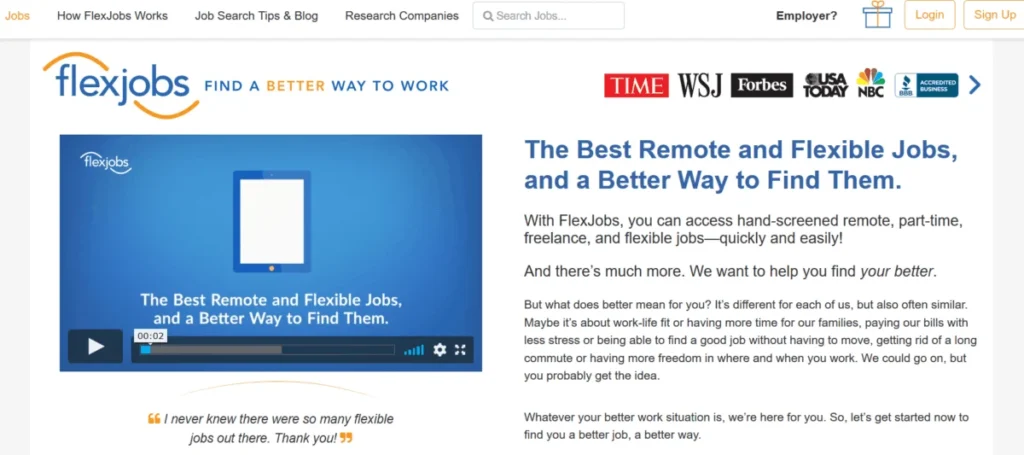
For instance, professionals who have occasionally handled regular office duties while traveling on business trips, coordinated virtual presentations from home, or managed digital communications during off-hours possess foundational remote experience. These instances, no matter how limited, can be woven directly into a candidate’s standard work history to showcase adaptability. Individuals with zero prior exposure to remote environments often turn to part-time online gigs or freelance assignments through reputable platforms like FlexJobs to build a credible digital portfolio, assuring prospective employers of their readiness.
Beyond past roles, hiring managers specifically evaluate critical remote work skills such as self-motivation, exceptional written and verbal communication, time management, and robust problem-solving abilities. Candidates must explicitly connect these competencies to past achievements in their resumes, ensuring their professional online profiles, such as LinkedIn, mirror this remote-first identity.

Cover Letter for a Remote Work
While the resume outlines a candidate’s professional history, the cover letter provides an essential platform to speak directly to the hiring manager and articulate a compelling narrative about virtual fit. Rather than focusing exclusively on personal career goals, applicants must emphasize how their specific remote skill set directly benefits the organization. This involves detailing previous successes in managing projects with minimal oversight and demonstrating a high degree of professional discipline.
Furthermore, a successful cover letter addresses the candidate’s personal alignment with a remote lifestyle. Explaining why working independently yields higher productivity and how personal organizational strategies maintain momentum without direct supervision reassures employers of long-term reliability. For applicants operating across different geographic regions, addressing availability and time zone logistics proactively is vital. Candidates frequently outline specific working hours designed to overlap with a team’s core operational schedule, ensuring seamless cross-border collaboration.

Demonstrating familiarity with modern remote communication infrastructure is another critical component of the application. Employers routinely look for proficiency in virtual meeting platforms like Zoom, messaging tools like Slack, and collaborative project tracking software like Trello. Candidates confident in their ability to leverage these tools effectively signal to hiring teams that project execution will not be hindered by physical distance.
Finally, establishing transparency regarding a home office setup provides additional reassurance to employers, particularly for those transitioning away from traditional offices for the first time. Mentioning a dedicated workspace equipped with a reliable high-speed internet connection and necessary technology demonstrates professional preparedness. Many remote workers also incorporate cybersecurity best practices, utilizing trusted virtual private networks like NordVPN to safeguard sensitive corporate data while operating online.

Follow Up After Submitting Your Remote Job Application
The application process does not conclude the moment a resume and cover letter are dispatched. Maintaining a proactive approach through a polite follow-up communication after a week or two keeps a candidate’s profile visible on the hiring manager’s radar. A concise, professional message reiterating enthusiasm for the organization and inquiring about the timeline of the hiring process reflects the initiative and communication standards essential for modern distributed teams.
Related News