How US Legacy Carriers Are Competing in the Booming Premium Economy Market
Article Editorial Team
Demand for premium air travel is undergoing a significant transformation as passengers increasingly prioritize physical comfort when allocating their holiday and business travel budgets. Recent consumer research indicates that roughly 21% of travelers now consider physical comfort a primary deciding factor when booking flights. In response to this shifting consumer behavior, airlines are investing heavily in their premium products. However, with business and first-class tickets remaining out of financial reach for many travelers, premium economy has emerged as the industry’s fastest-growing segment.
The cabin offers passengers enhanced comfort and additional amenities compared to standard economy, avoiding the considerably higher cost of business-class fares. Industry data shows that the share of travelers choosing premium economy has increased from 16% to 20% year-over-year. Major airlines worldwide have been heavily investing in this mid-tier cabin, and the three largest US carriers—American Airlines, Delta Air Lines, and United Airlines—are no exception. While they entered the market later than many of their international counterparts, their respective products now play a central role in their broader network strategies and revenue generation models.
US Airlines Were Late to the Premium Economy Market
It is widely recognized that US legacy carriers were relatively slow to enter the dedicated premium economy market. For much of the 2010s, these airlines relied primarily on extra-legroom economy products rather than introducing a separate, upgraded cabin class. While this strategy performed reasonably well in the domestic market, several European and Asian airlines had already taken a different direction, introducing dedicated premium economy cabins featuring wider seats, increased legroom, and specialized onboard services.
To remain competitive on lucrative international routes, all three major US airlines eventually introduced their own standalone premium economy products. American Airlines became the first of the US legacy carriers to offer a dedicated premium economy cabin, rolling out the product on its Boeing 787-9 aircraft in 2016. United Airlines and Delta Air Lines followed shortly after, launching their respective products, United Premium Plus and Delta Premium Select.

In terms of seating hardware, the three US carriers offer remarkably similar experiences, at least on paper. All three generally provide around 38 inches of seat pitch, which measures the distance between corresponding points on successive rows of seats. Seat widths are also comparable across the board, typically ranging from approximately 18.5 to 19 inches, depending on the specific airline and aircraft type.
A Closer Look at American Airlines’ Premium Economy
American Airlines offers its premium economy cabin across a wide portion of its long-haul fleet, including Boeing 777-300ER, 777-200, and 787-9 aircraft, as well as Boeing 787-8s operating international services and select domestic routes to Alaska. The carrier primarily utilizes Collins Aerospace MiQ seats for its premium economy product. However, the airline’s newly configured Boeing 787-9 aircraft feature the Recaro R5 model, which introduces larger entertainment screens, adjustable footrests and leg rests, and integrated privacy wings.

Overall, seat pitch is standardized at 38 inches across all aircraft types, while seat width ranges from 18.5 to 19 inches. Personal screen sizes vary depending on the specific seat model installed. Aircraft equipped with the Collins MiQ seats feature 11.5-inch screens, whereas the newer Boeing 787-9s equipped with Recaro R5 seats offer larger 13.3-inch displays.
On eligible international flights, American Airlines provides chef-inspired meals alongside complimentary beer, wine, and spirits when full bar service is available. In addition, passengers traveling on long-haul services receive an amenity kit containing skincare products and basic travel essentials, offering a clear step up from the standard economy experience.
How United Airlines’ Premium Economy Compares

United Airlines markets its premium economy product as United Premium Plus. As the last of the Big Three US carriers to introduce a dedicated premium economy cabin, United launched the product in 2019. Today, Premium Plus is available on the vast majority of United’s widebody aircraft fleet, though some specific fleet exceptions remain.
United operates a diverse widebody fleet that includes Boeing 767 and 787 Dreamliner variants, alongside Boeing 777 aircraft. While the vast majority of these widebody jets feature the Premium Plus cabin, the airline’s high-density Boeing 777 sub-fleet lacks a dedicated premium economy section.
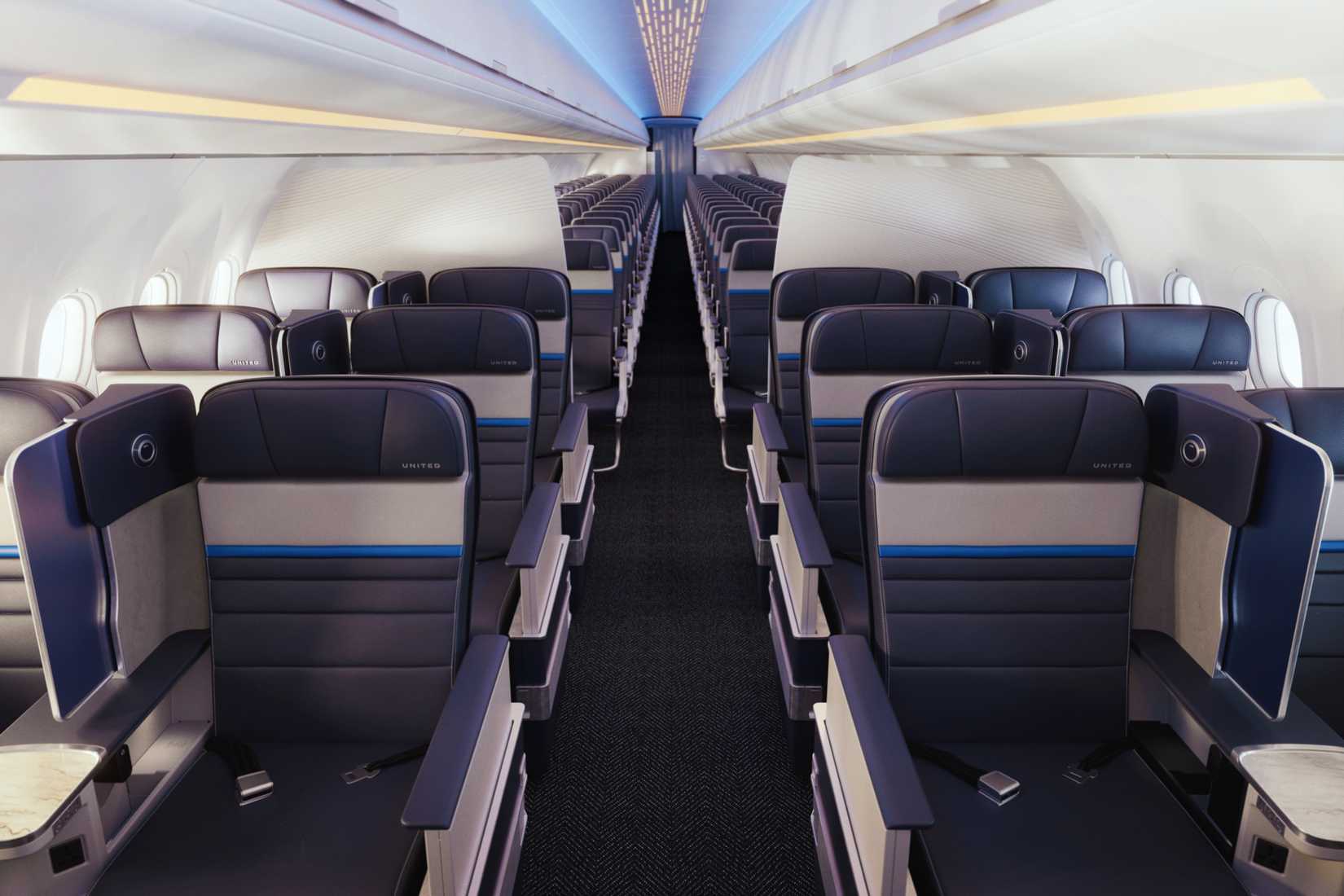
For its seats, United utilizes the Collins Aerospace MiQ model, mirroring the hardware choice of American Airlines. These seats offer approximately 38 inches of pitch and measure between 18.5 and 19 inches wide. Premium Plus passengers also receive an upgraded dining service. Meals are specially prepared and served on ceramic plates with metal cutlery, replacing the disposable packaging and utensils typically found in the main economy cabin.

What Does Delta Premium Select Offer?
Delta Air Lines markets its premium economy product under the name Delta Premium Select. The airline first introduced the cabin in 2017 aboard its Airbus A350-900 aircraft on a route from Detroit Metropolitan Wayne County Airport to Tokyo Narita Airport, establishing itself as the second major US carrier to offer a dedicated premium economy option. Since then, the SkyTeam alliance member has gradually expanded Premium Select across its international network, retrofitting older aircraft such as the Boeing 767-400ER.
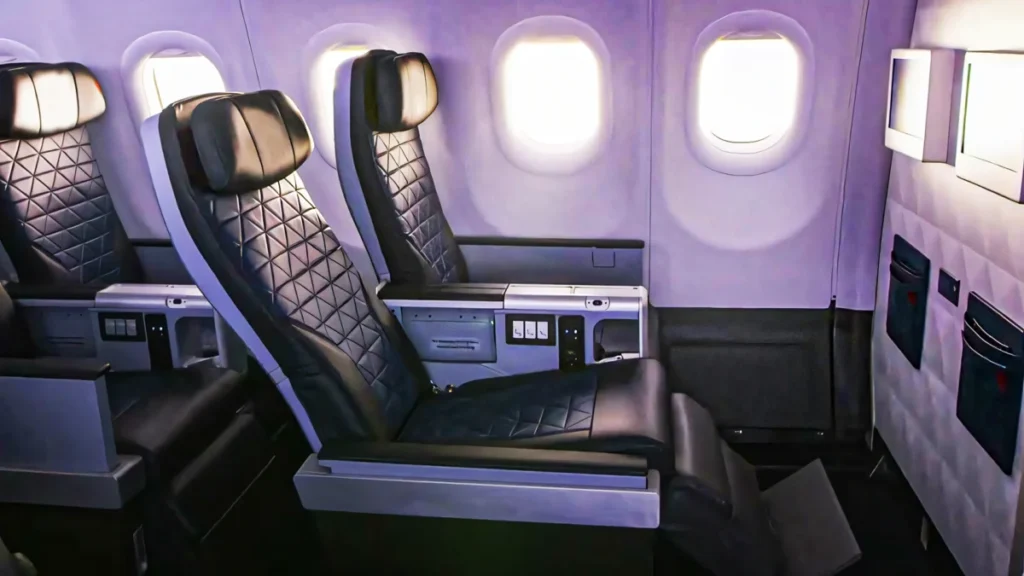
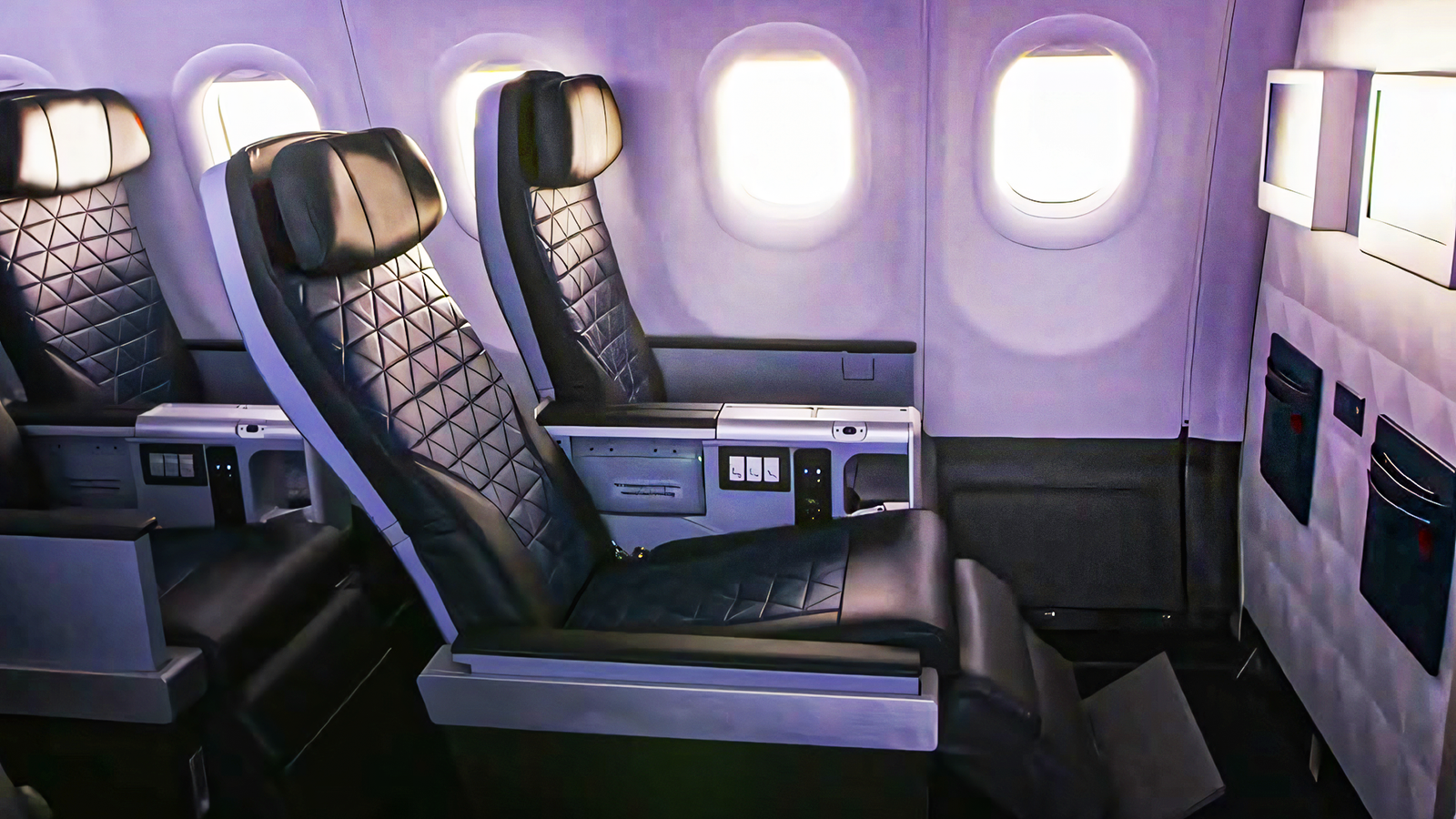
In terms of physical seating, Delta’s product is comparable to its domestic rivals, though it incorporates the carrier’s distinctive diamond stitching pattern. Delta Premium Select seats generally offer 38 inches of pitch and a width of roughly 18.5 to 19 inches, depending on the aircraft type. Passengers in this cabin also benefit from adjustable leg rests and footrests, increased recline angles, larger personal entertainment screens, and memory foam seat cushions designed to improve long-haul comfort.
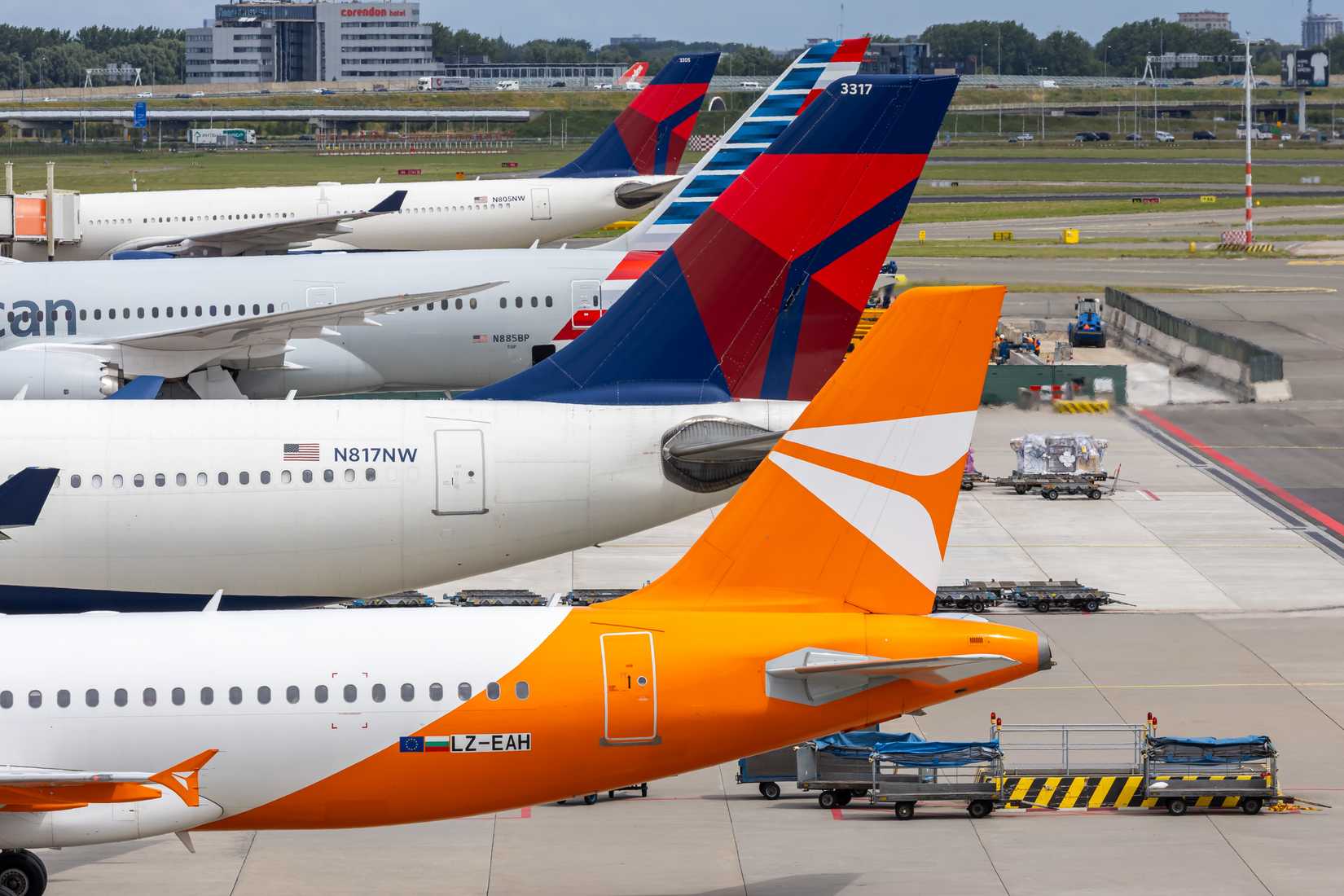
Delta’s fleet configurations for Premium Select vary by aircraft. On the Airbus A350-900, the airline features 48 premium economy seats in a 2-4-2 configuration. On the Airbus A330-900, the cabin accommodates 28 seats arranged in a 2-3-2 layout. Meanwhile, the Boeing 767-400ER features 20 premium economy seats arranged in a more intimate 2-2-2 configuration.
Beyond the physical hardware, Delta provides an elevated onboard service for Premium Select passengers. Travelers receive complimentary beer, wine, and spirits, alongside soft drinks and hot beverages. Dining services vary by route, but meals are generally served on reusable tableware rather than standard economy packaging.
The Big Three Continue to Invest in Premium Economy
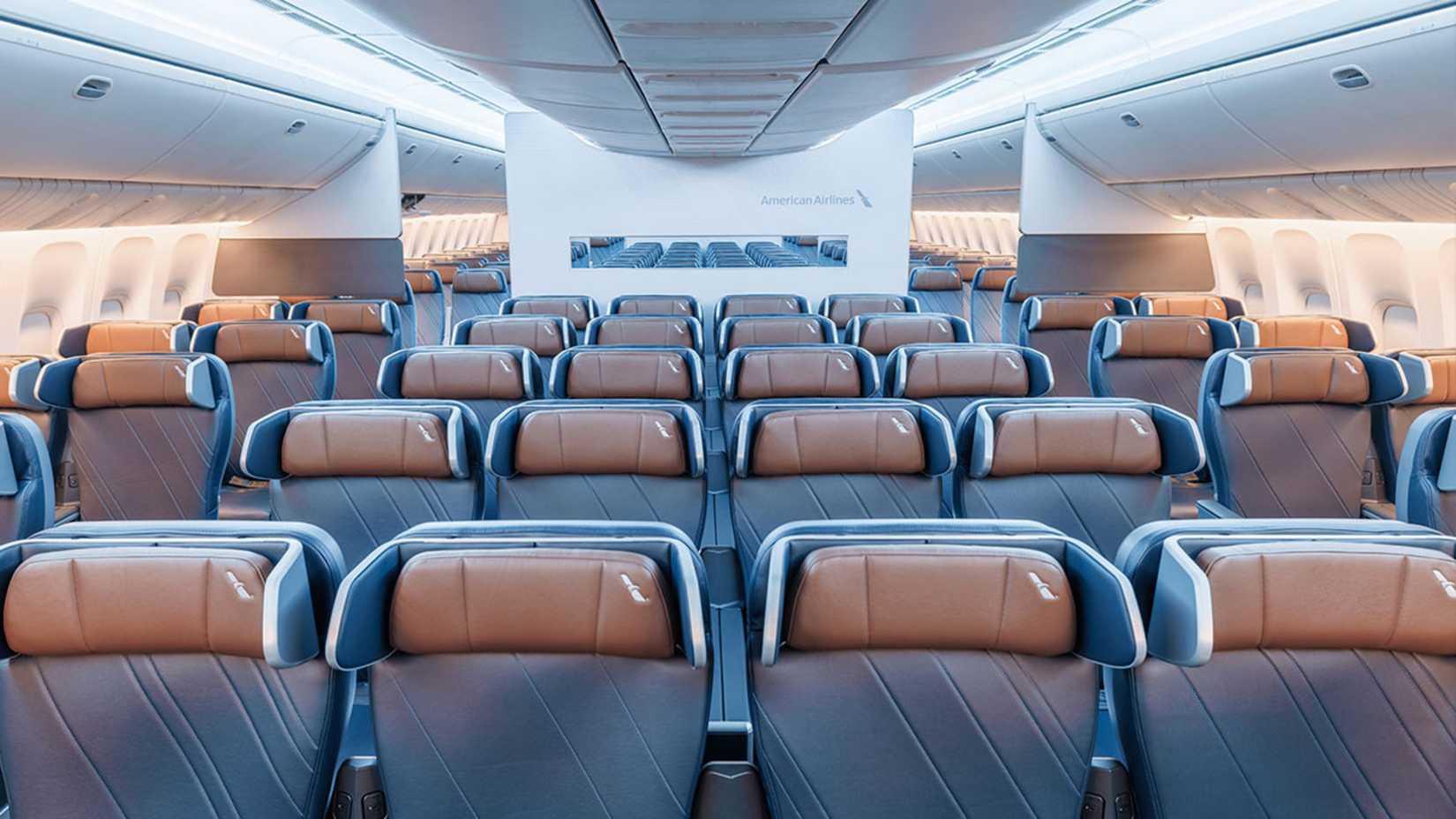
Ultimately, all three major US carriers provide a relatively similar premium economy experience. Unlike business class, where airlines have wider latitude to differentiate their hard and soft products, premium economy cabins rely on comparable seat models and service enhancements. Nevertheless, all three airlines are successfully targeting the same core demographic: travelers seeking a noticeable upgrade in physical comfort without paying expensive business-class fares.
Although US airlines entered the market later than international competitors, premium economy has quickly become a critical pillar of their business strategies. The financial incentives are substantial. Industry data indicates that premium economy can generate approximately 33% more revenue per square foot of cabin space than standard economy. It can also produce about 6% more revenue per square foot than business class, largely because the seats occupy less floor space and the overall cost of providing the onboard service is lower than that of business class.
This financial dynamic explains why the major carriers continue to pour capital into expanding and updating their premium economy offerings. American Airlines is actively expanding the cabin across its fleet, including on newer Boeing 787-9 Dreamliners and Airbus A321XLR aircraft. Delta Air Lines is similarly doubling down on premium seating. In the second quarter of 2026, Delta’s revenue from premium tickets exceeded Main Cabin ticket revenue for the first time in the airline’s history. Looking forward, the carrier’s upcoming Airbus A350-1000 aircraft are slated to feature more than 100 premium seats, including nearly 50 dedicated to Premium Select.
Premium Economy Is Gaining Ground Worldwide
A parallel trend is unfolding across the global aviation industry, with international carriers rapidly expanding their premium economy footprints. Emirates is actively rolling out premium economy across its widebody fleet, while Air France has doubled the number of premium economy seats on several of its retrofitted Boeing 777-300ER aircraft. Cathay Pacific has similarly increased its premium economy capacity from 34 to 48 seats on updated Boeing 777s, representing a 41% boost in cabin size.
Other major global carriers are also preparing to enter the market. Turkish Airlines, for instance, has announced plans to introduce dedicated premium economy cabins beginning in 2028. This broad industry expansion aligns with evolving passenger preferences at the upper end of the travel market.
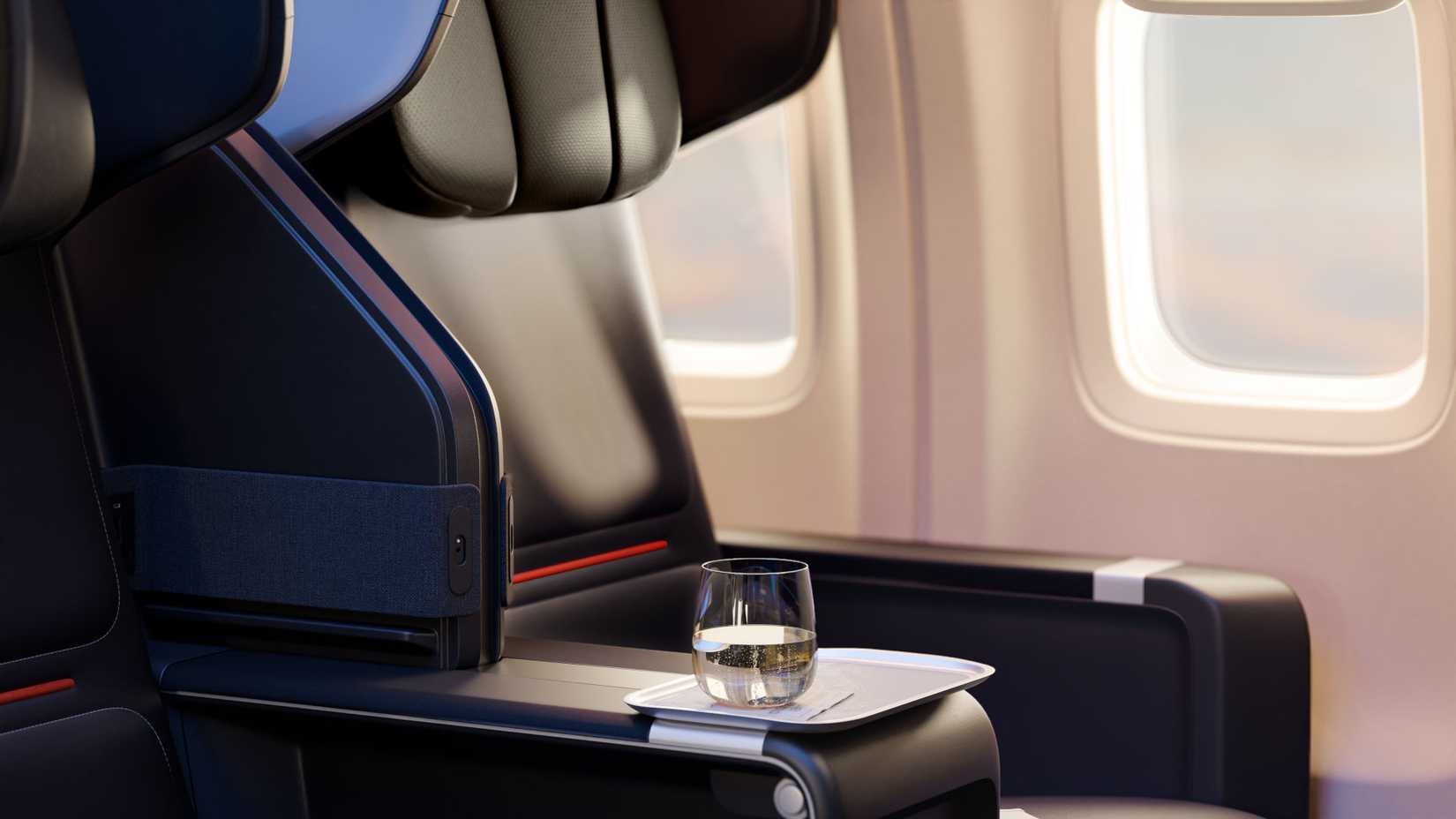
Across the wider commercial aviation sector, traditional first class has become increasingly rare as airlines shift their strategic focus toward business class and premium economy. In the United States, American Airlines is the last of the Big Three to maintain a dedicated international first class product through its Flagship First cabin, though the airline is currently in the process of phasing it out.
Globally, first class remains concentrated among a small number of international carriers, primarily operating on routes connecting major financial hubs and through Middle Eastern transit centers. This contraction is driven in part by substantial improvements in modern business class products. Many airlines now feature fully lie-flat beds, direct aisle access, enhanced privacy doors, and sophisticated amenities once reserved exclusively for first class.
For travelers unwilling to pay soaring business-class prices, premium economy has successfully bridged the gap. Data from travel industry reports highlights premium economy as the fastest-growing cabin choice among surveyed passengers, with adoption rates climbing steadily year-over-year as travelers continue to prioritize comfort on long-haul journeys.
Related News