Historic $54 Million Investment in North Carolina Farmland Preservation Offers New Hope for Family Farms and Grassland Birds
Article Editorial Team
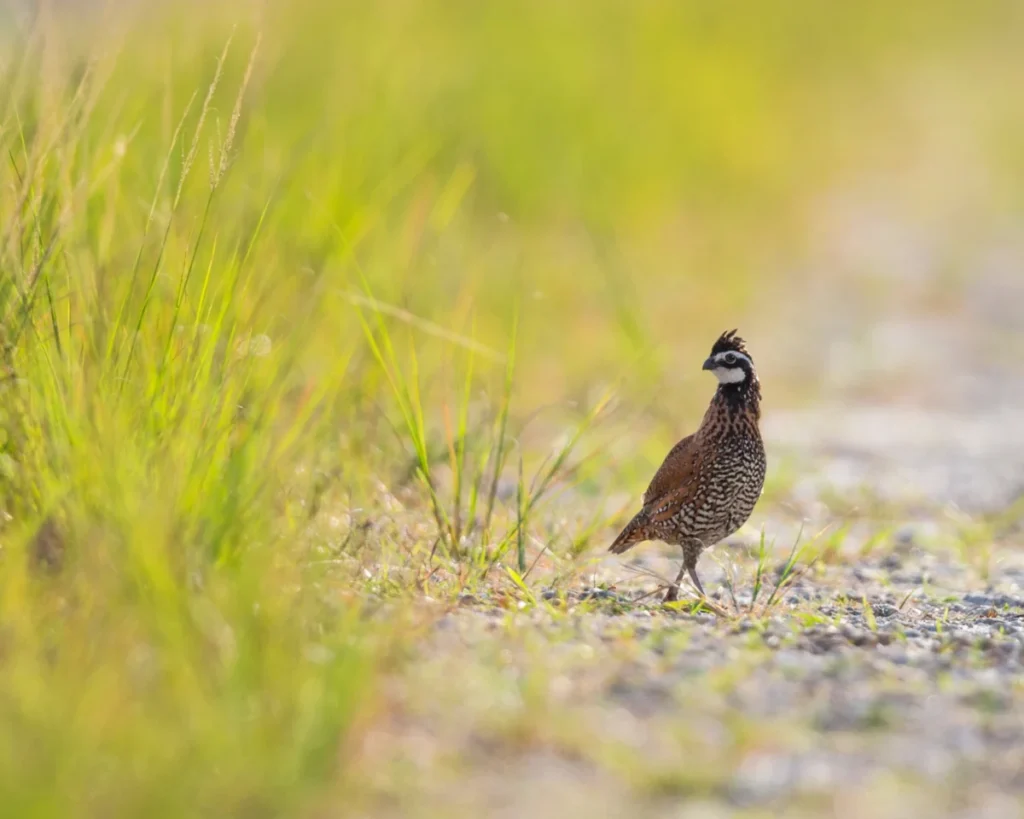
In a landmark decision that promises to reshape the conservation landscape of North Carolina, state lawmakers have finalized a historic $54 million investment into the Agricultural Development and Farmland Preservation (ADFP) Trust Fund for 2026. This significant infusion of capital arrives at a critical juncture for the state, which is currently grappling with one of the most rapid rates of farmland conversion in the nation. Beyond the immediate economic relief for the state’s agricultural sector, the funding represents a vital lifeline for North Carolina’s imperiled grassland bird populations, which have faced decades of steep, alarming declines.
Agriculture has long served as the backbone of North Carolina’s economy, culture, and history. For many families, working the land is not merely an occupation but a multi-generational legacy. However, as suburban expansion and industrial development consume thousands of acres of rural land annually, both the agricultural industry and the biodiversity it supports are increasingly under threat. The loss of these working landscapes—characterized by a mosaic of open fields, shrubby hedgerows, and adjacent forest stands—represents more than just a reduction in agricultural output; it signals the permanent destruction of essential nesting, foraging, and overwintering habitats for a variety of species, from the Northern Bobwhite to the Eastern Meadowlark.
The Looming Crisis of Farmland Loss
The conversion of farmland is a multifaceted issue with deep consequences for the state’s ecological health. When agricultural properties are fragmented or paved over, the specific environmental niches that grassland specialists require to survive are lost. These birds are highly sensitive to landscape changes, relying on specific vegetative structures that are often found in well-managed, open agricultural systems.
Data from the Breeding Bird Survey, spanning from 1966 to 2025, paints a sobering picture of this decline. The Northern Bobwhite, a quintessential bird of the American Southeast, has seen its population in North Carolina plummet by an astonishing 96% over that nearly 60-year period. This trend shows no signs of slowing down; according to eBird Status and Trends data, the species suffered a further 25% decline in the state between 2012 and 2022 alone.
This crisis is not isolated to North Carolina. In 2025, the U.S. Fish and Wildlife Service released a report confirming that grassland birds are currently experiencing the steepest, most widespread population declines of any avian group across the United States. This national trend underscores the urgency of the situation in North Carolina, where the interplay between private land management and conservation policy is the primary factor determining the survival of these species.
The Ecological Necessity of Working Landscapes
The Northern Bobwhite, Bobolink, and Eastern Meadowlark are known as grassland specialists, meaning they depend entirely on open, unobstructed landscapes to complete their life cycles. These birds require a specific mix of native grasses, wildflowers, and shrubby edges to provide cover from predators and resources for nesting. Crucially, these species are ground-nesters. Their nests are hidden among dense vegetation, making them highly vulnerable to disturbance.
When a farm is converted to residential or commercial use, that habitat is permanently fragmented or removed. Even the loss of smaller, secondary patches of land can have a cumulative, devastating effect. As habitat patches become smaller and more isolated, these birds struggle to find the food and shelter necessary to raise their young, leading to population crashes that ripple throughout the food web.
Curtis Smalling, Executive Director of Audubon North Carolina, has been vocal about the importance of maintaining continuity across the landscape. "Protecting small fragments of land that serve as connection points between larger tracts is also critical for these species," Smalling explained. "Many grassland and open habitat species in decline are sensitive to loss of connectivity as they can become isolated from food and other resources." By maintaining these corridors, landowners can provide a necessary safety net for birds that might otherwise be trapped in increasingly urbanized environments.
Bridging the Funding Gap
North Carolina’s landscape is defined by its working lands. More than half of the state’s total land area is composed of active farms and forests. According to data from the North Carolina Forest Service, the vast majority of this forestland is in non-industrial private ownership, meaning it is managed by families and small-scale holders rather than large corporations. Furthermore, the state boasts roughly 800,000 acres of pasture and 200,000 acres of hay, all of which represent potential habitat for bird species if managed with conservation in mind.
There has never been a lack of interest among North Carolina landowners to participate in conservation. Many farmers are deeply committed to being good stewards of their land and are eager to implement species-specific management practices that could help birds thrive. However, the primary barrier to these efforts has historically been a chronic lack of financial resources.
The disparity between demand and available funding has been stark. During the 2025 grant cycle for the Farmland Preservation Trust Fund, the state received requests from farmers totaling $59 million. In a frustrating reflection of the limited resources available at the time, the state could only provide $3.1 million in new funding. This meant that the vast majority of projects intended to protect working lands and improve ecological quality went unfunded, leaving thousands of acres at risk of conversion or degradation.
A Legislative Turning Point
The $54 million allocation for 2026 represents a major victory for conservationists and agricultural advocates who have spent years lobbying the North Carolina General Assembly. Through a sustained and collaborative effort involving Audubon North Carolina and a broad coalition of partner organizations, legislators were persuaded of the dual necessity of preserving the agricultural economy and the state’s natural heritage.
The finalized package includes $46.9 million in nonrecurring funding, which will provide an immediate and substantial boost to current land preservation efforts. Perhaps more significantly, the legislature also included an additional $2 million in recurring funding. This increase pushes the total recurring annual investment for the trust fund to $9.5 million, providing a more stable and predictable foundation for future conservation planning.
This financial commitment is expected to have a profound impact. With more robust funding available, the state can now support a significantly higher number of applications from landowners seeking to place their properties under easement or implement conservation management plans. By keeping these farms in production, the state is not only securing its agricultural future but is also ensuring that the vast, open fields that define the North Carolina countryside remain available as vital habitat for bobwhites, meadowlarks, and countless other species.
As the state moves forward, the success of this program will depend on the continued partnership between the agricultural community and environmental advocates. With the funding now secured, the focus shifts to the effective implementation of these resources, ensuring that the investments translate into tangible results on the ground. For North Carolina’s family farmers, it is a chance to keep their land in the family for another generation. For the state’s grassland birds, it is a vital, timely reprieve from the threat of disappearing landscapes, offering a glimmer of hope that these iconic species can find the space they need to recover.
Related News