The Best Cold-Weather Running Jackets of 2026: Tested Through Hundreds of Miles of Rain, Snow, and Wind
Article Editorial Team
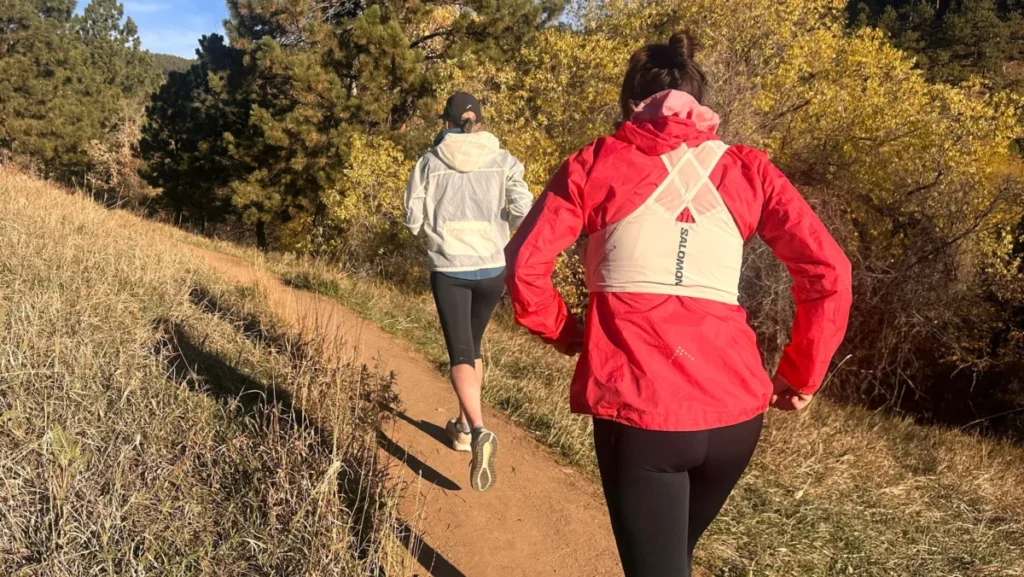
Getting outside for a run in the cold, rain, or snow can feel downright fantastic when you are wearing the right jacket. The best cold-weather running jackets protect while remaining breathable, providing a reliable shield against the elements while moving effortlessly with the runner’s body. Following extensive evaluation throughout 2026, a team of gear testers has put the latest crop of cold-weather running jackets through hundreds of miles in all kinds of challenging conditions across the foothills of the Colorado Rockies and the cold, damp Northeast, measuring them against last year’s top picks.
Head tester and writer Lisa Jhung, alongside a dedicated team of experienced runners spanning Colorado, Virginia, New Hampshire, and Vermont, rigorously tested new releases from major outdoor brands. After months of braving mild drizzles and monstrous snowstorms, the testing panel identified the standout jackets that successfully balance weather protection, thermal regulation, mobility, and comfort.

The Top Overall Winter Running Jacket
Retaining its title as the best winter running jacket all-around is the Janji Rainrunner Pack Jacket 2.0. Built with a 2.5-layer laminated ripstop material composed of 100 percent nylon with a PFC-free C0-DWR finish, this jacket delivers stretchy, waterproof, and breathable protection. Testers noted how the waterproof ripstop fabric stretches to allow full mobility with every arm swing, while smart ventilation panels around the entire torso enable exceptional breathability.
Thoughtful design details elevated the Rainrunner above the competition. Testers appreciated extended and stretchy cuffs that kept balled hands covered during downpours, an extra-long cut on the backside to protect the rear end, and an internal mesh pocket within the main pocket that kept phones from bouncing around. The hood’s fit avoids blocking peripheral vision, and a simple snap keeps the jacket from flopping around when unzipped. Accommodating layering underneath, the jacket transitions seamlessly from a high-performance winter running workhorse to casual everyday wear. East Coast testers reported that it excels in rain and wind, keeping runners comfortable in temperatures in the 40s amidst consistent downpours and 20-plus mph gusts.

Best Value Running Jacket
For runners seeking high performance without breaking the bank, the Rabbit Momentum Jacket emerged as the top value option. Priced at less than half the cost of many competing models, the Momentum pairs an old-school aesthetic with modern technical features. Constructed from 100 percent recycled polyester with a PVC-free DWR finish, the jacket’s shell fabric effectively blocks wind and light precipitation.
An adjustable cinch cord and a storm flap behind the front zipper help retain body warmth while sealing out cold air. The front zipper is thoughtfully covered at the neckline to prevent skin irritation, and the stand-up collar adds crucial neck protection. Testers also praised the inclusion of three zippered pockets—two on the sides and one on the chest—which securely held small items while enhancing the jacket’s casual, sporty style. Though the fabric is slightly noisy during motion, its roomy fit allows for ample layering underneath.

Best Lightweight Rain Shell
Weighing a mere 3.7 ounces, the Rab Phantom Waterproof Jacket proved to be the lightest and most breathable high-quality rain shell tested by the team. Combining exceptionally fine 7-denier yarn with waterproof and breathable Pertex Shield in a 2.5-layer construction, the jacket remains feather-light while offering complete waterproofing.
The jacket shields runners from wind, rain, and cold while allowing excess body heat to escape efficiently. Testers noted that they could comfortably wear the minimalist shell over a single shirt in 34-degree weather and keep it on as temperatures climbed into the low 50s without freezing or overheating. Articulated elbows enhance running mobility, and an adjustable hood stows away cleanly with a hook-and-loop fastener when not in use. While the absence of pockets contributes to its ultralight, minimal feel, testers found they did not miss them, as modern running tights typically feature built-in storage.

Best for Trail Running
Designed specifically for rugged off-road excursions, the Salomon Bonatti Pro is the jacket testers reach for when seeking bomber protection on winter trail runs. Weighing six ounces, the fully waterproof and breathable shell features smart venting at the lower back and an ingenious, expandable back panel. This unique construction allows the jacket to fit comfortably over a hydration vest, enabling runners to put the layer on or take it off without stopping to remove their pack.
The Bonatti Pro also features a standout hood design equipped with a soft, flat-seamed forehead piece and a visor extending like a tent foyer to keep rain out of the runner’s face. A small chest snap tab prevents the unzipped jacket from flapping around, while adjustable elastic at the waist and hood seals out cold and moisture. Extended material at the cuffs provides extra wrist protection, and reflective detailing ensures visibility during dark winter road runs.

Most Versatile Option
Weighing just five ounces and packing down to the size of a navel orange, the On Running Explore Waterproof Jacket earned top marks for versatility. Whether worn over a simple tee or layered over a base and midlayer, the jacket moves comfortably and breathes efficiently. Two side pockets accommodate thin gloves once the runner warms up, and the elastic-bound hood accommodates thick hair braids while maintaining a secure, non-floppy fit around the face.
The jacket’s minimal seams, generous relaxed cut, subtle branding, and neutral colors make it easy to wear in casual settings without looking out of place. Although the non-locking zipper pulls tend to bounce slightly with each step, the Explore Waterproof Jacket delivers reliable protection across a wide range of conditions, from stiff winds to heavy downpours.

Best for Frigid Temperatures
When temperatures plummet, the Le Bent Alpha Active Jacket provides an exceptional balance of warmth and breathability. Featuring a shell of 100 percent nylon, a main body composed of recycled polyester, bamboo, merino wool, and elastane, and synthetic insulation, this jacket excels at blocking biting winds while managing sweat during high-output efforts.
The fabric feels soft against the skin, naturally wicks moisture, and resists odors. Raglan-cut sleeves and a tailored active silhouette allow the jacket to move closely with the body during rigorous trail runs and mountain climbs. While not fully waterproof and positioned at a higher price point, the Alpha Active functions as a high-performing cold-weather running layer that doubles as a midlayer for alpine skiing and snowboarding.

Most Cozy Option
For runners prioritizing plush comfort, The North Face Futurefleece Full-Zip Hoodie offers a soft, fuzzy fleece interior that feels fantastic against the skin. Constructed from 100 percent recycled polyester, the air-permeable fabric breathes exceptionally well and wicks sweat outward to keep runners dry.
Weighing only six ounces, the slim-fitting hoodie delivers impressive warmth for its weight. While it does not block chilling winds on its own, it layers seamlessly under a protective shell during gusty or frigid outings. Extended sleeves with thumb loops and a cozy hood designed to fit over a beanie enhance its utility for cold-weather training and post-run recovery sessions.

Choosing and Testing Cold-Weather Running Gear
Selecting the appropriate cold-weather running jacket depends primarily on regional climate and typical winter conditions. Runners must decide between fully waterproof shells—which offer superior storm protection but tend to be stiffer, noisier, and less breathable—and water-resistant or insulated options tailored for dry cold. Insulated jackets provide immediate warmth for those who run cold, whereas shell jackets offer maximum versatility through modular layering.
The evaluation process relies on rigorous real-world testing led by Lisa Jhung and her team of seasoned athletes across varied climates. By putting samples through daily miles in freezing temperatures, heavy rain, and deep snow, the testing panel filters out subpar designs to highlight the most durable, functional, and comfortable running apparel available for the winter season.
Related News