Mastering Guestroom Illumination: Why Lighting Choices Define the Modern Hotel Experience
Article Editorial Team
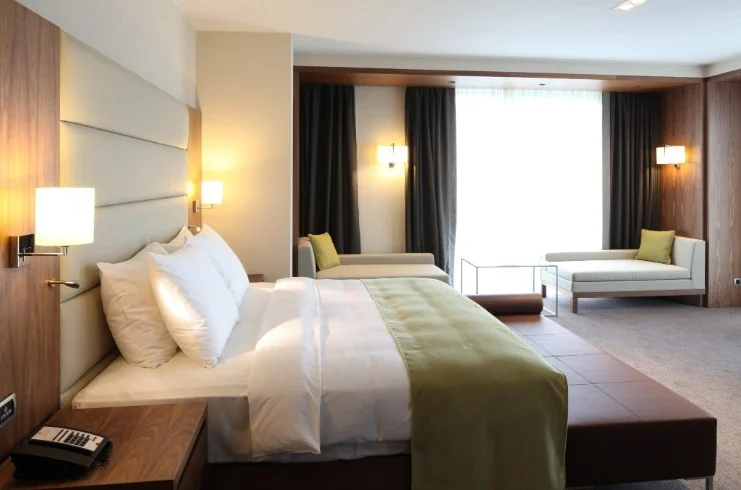
Lighting remains one of the primary sensory impressions a traveler encounters upon stepping into a hotel room, yet it consistently ranks among the most frequent sources of guest complaints in the hospitality industry. From a poorly positioned reading light that unexpectedly rouses a sleeping partner to a heavily shadowed vanity mirror that frustrates grooming routines, or an elusive light switch hidden in the absolute darkness of an unfamiliar space, illumination dictates how a guest emotionally and physically processes their stay. For hotel owners, property operators, and design teams currently mapping out guestroom renovations, thoughtful specification choices implemented at the bedside, the bathroom vanity, and various architectural accent zones can dramatically alter overall room comfort, daily energy consumption, and long-term property maintenance overhead.
Start with a Consistent Color Temperature
Understanding color temperature, which is measured scientifically in kelvins (K), is fundamental to establishing the right atmosphere because it describes how warm or cool white light visually appears to the human eye. The vast majority of contemporary guestrooms rely on warm white options falling neatly within the 2,700K to 3,000K spectrum for general overhead lighting and bedside fixtures. This particular range reads as distinctly residential, cozy, and relaxing, helping travelers unwind after long journeys. Conversely, vanity and grooming lighting is frequently specified slightly cooler, hovering around 3,000K to 3,500K. This subtle shift ensures guests can see clearly while shaving, applying makeup, or styling hair, without making the bathroom feel clinical or harsh.
However, the more critical rule governing lighting design is absolute consistency. When a headboard fixture, a recessed ceiling downlight, and a closet lighting strip originate from different manufacturing sources, minor and unexpected variances in white light can make an otherwise meticulously designed room look patched together and uncoordinated. Specifying a single, uniform color temperature for each distinct zone—paired alongside a tight color consistency tolerance, such as a strict three-step MacAdam ellipse—helps ensure that fixtures seamlessly match across hundreds of guestrooms, maintaining a cohesive brand and design standard throughout the property.
Ask for High Color Rendering at the Vanity
The color rendering index, commonly referred to as CRI, measures how accurately a given light source reveals the true colors of objects and surfaces when compared with a natural reference source. At the hotel vanity, where guests routinely apply makeup, shave, and inspect their professional or casual attire, achieving a CRI of 90 or higher represents a dependable industry standard. Furthermore, property owners can specifically request the R9 value from manufacturers, which evaluates how effectively a light source renders deep reds. Because R9 has a profound effect on how natural human skin tones appear in the mirror, a light source boasting a high overall CRI but a poor R9 score can still leave reflections looking washed out or dull.
Beyond the technical specifications of the bulb or diode, physical placement is just as critical as the light source itself. A single, poorly placed downlight positioned directly above a mirror creates harsh, unflattering shadows under the eyes and chin. Conversely, vertical lighting strips positioned on both sides of the mirror, or a modern lighted mirror featuring diffused light cast evenly around its perimeter, distributes illumination smoothly across the face. Because vanities inherently sit in close proximity to moisture-heavy showers and sinks, all fixtures deployed within this specific zone should carry at least a damp-location rating to prevent premature electrical failure.
Separate Bedside Reading From Room Lighting
Bedside lighting performs at its absolute highest level when each side of a shared bed features its own dedicated reading light paired with an independent switch. A focused, narrow-beam reading light allows one guest to read late into the night without disturbing a sleeping partner in the adjacent space. Meanwhile, a soft, indirect strip of light positioned either behind or directly above the headboard can introduce a welcoming layer of ambient warmth without shooting stray beams directly into anyone’s eyes.

Glare control remains the primary engineering concern in these zones. Linear LED lighting products must be properly installed inside an extrusion channel equipped with an acrylic or polycarbonate diffuser, positioned carefully so the raw light source remains entirely invisible from the perspective of the bed or pillow. Visible individual LED dots and glaring bright points sitting directly within a guest’s line of sight are among the most frequent grievances reported in recently renovated hotel rooms.
Add Low-Level and Accent Lighting with a Purpose
Strategic secondary illumination, such as under-cabinet lighting situated at the coffee station or minibar, functional lighting inside deep closets, and toe-kick or under-bed lighting, assists guests immensely when navigating an unfamiliar room in the dark. A low-output, warm night light positioned discreetly along the floor—frequently triggered by a low-profile motion sensor—allows guests to safely reach the bathroom during nighttime hours without being jarred awake by harsh overhead illumination. Meanwhile, closet lighting tied directly to a physical door switch or an occupancy sensor ensures the lights turn themselves off automatically, conserving valuable energy and preventing fixtures from being accidentally left burning for hours.
Plan Dimming and Controls Early
The integration of dimming systems is a frequent stumbling block where many hospitality guestroom projects run into unexpected trouble. LED drivers and wall dimmers must be meticulously compatible; poor engineering pairings frequently result in disruptive flickering, audible buzzing, or lights that drop out entirely at low dimming levels. Specifying the exact dimming method early in the design phase, explicitly confirming technical compatibility with the control manufacturer, and rigorously testing low-end lighting performance inside a physical mockup room can prevent exceptionally costly fixes after the construction phase is complete.
Lighting controls must also remain intuitive and straightforward for guests to operate, featuring a clearly labeled master switch located conveniently at the room entry and adjacent to the bedside. Many forward-thinking properties now integrate guestroom lighting directly into keycard-activated or occupancy-based energy management systems. These automated setups automatically power down lights when a room is vacant, serving as one of the most direct methods available to cut overall lighting energy consumption without negatively impacting the guest experience.
Think About Maintenance Before the Walls Close
Although modern LED products boast impressively long operational lifespans, associated drivers and power supplies remain susceptible to eventual failure. Mounting these essential drivers in easily accessible maintenance locations, rather than permanently sealing them away behind complex millwork or finished drywall, permits rapid replacement by engineering staff without causing collateral damage to surrounding hotel finishes. Additionally, property owners can request that suppliers provide a designated supply of spare products originating from the exact same manufacturing production batch, ensuring that eventual replacement pieces seamlessly match the color and output of the original installations.
A Mockup Room Pays Off
Before committing to a full property-wide rollout, constructing a fully lit mockup room allows owners, interior designers, and hotel operations staff to experience the proposed lighting scheme at night. This controlled environment enables teams to thoroughly check for unwanted glare from the bed, test the nuance of the dimming capabilities, and confirm color accuracy firsthand. Implementing small adjustments during this preliminary stage costs exponentially less than attempting retroactive fixes across hundreds of rooms after the renovation is finalized.
Related News