Navigating the Shift: How Job Seekers Must Adapt Resumes and Cover Letters for the Modern Remote Workplace
Article Editorial Team
The landscape of modern employment has undergone a profound transformation, placing remote work at the forefront of career opportunities for professionals across industries. However, securing a virtual position requires a distinct approach compared to traditional office-based hiring processes. Whether navigating the job market as a seasoned professional or entering the remote workforce for the first time, understanding how to effectively tailor application materials can make the decisive difference in landing a role.

Applying for a remote position involves highlighting specific competencies that reassure prospective employers of a candidate’s ability to thrive without physical oversight. While the fundamental qualifications for a role remain paramount, the mechanics of resume and cover letter writing must evolve to address the unique dynamics of virtual collaboration, independent project management, and remote communication tools.
Tailoring the Resume for Remote Work Environments
Writing a successful resume for a remote job does not necessarily require an entirely different formatting structure, but it does demand a strategic emphasis on remote-ready capabilities. For candidates who lack substantial remote work history, bridging this gap involves identifying past experiences that demonstrate adaptability to virtual environments. Tasks completed during business trips, managing projects from home, or preparing digital presentations all serve as relevant evidence of an applicant’s ability to work autonomously.

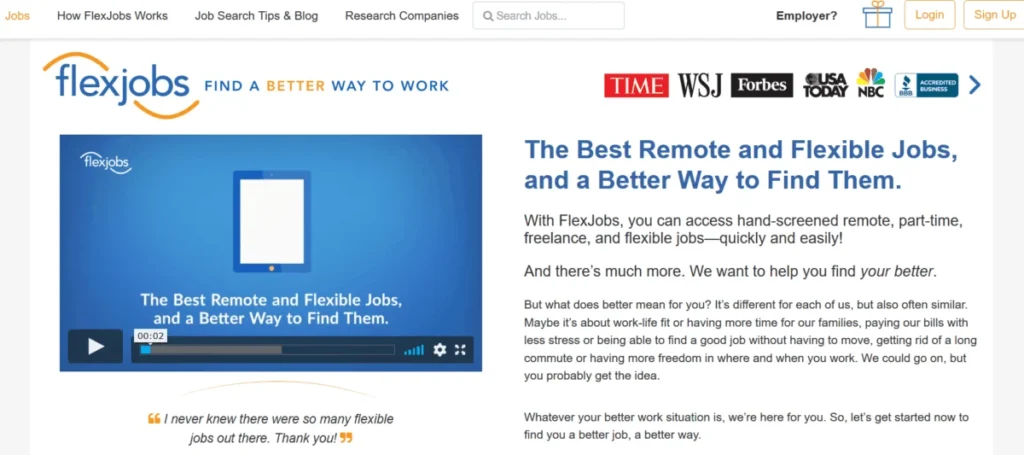
When a dedicated remote work section is not feasible due to limited history, integrating these elements into standard employment entries ensures that hiring managers immediately see relevant competencies. For those with no prior exposure to remote settings, acquiring supplemental experience through part-time online roles or freelance assignments offers a practical pathway to build a verifiable remote portfolio. Platforms such as FlexJobs frequently list opportunities ranging from part-time to full-time remote roles with established corporations, providing job seekers with legitimate avenues to gain initial virtual work experience.
Beyond employment history, highlighting specific remote work skills is crucial. Employers actively seek indicators of self-motivation, exceptional written and verbal communication, and strong time management. Candidates must weave these qualities into their professional summaries and work histories, framing past achievements with a remote-centric perspective that proves their capability to operate effectively outside a traditional corporate office. Maintaining an updated professional online presence, including platforms like LinkedIn, ensures that a candidate’s digital footprint aligns seamlessly with the remote-focused narrative presented in their resume.

Crafting a Compelling Remote Cover Letter
The cover letter serves as a critical opportunity to move beyond the constraints of a resume and speak directly to hiring managers about why an applicant is uniquely suited for a virtual role. Rather than focusing solely on personal career goals, successful applicants emphasize how their remote work skills directly benefit the hiring organization. This includes sharing concrete examples of past achievements involving problem-solving, discipline, and the independent management of projects across diverse environments.
Demonstrating personal alignment with the lifestyle and demands of virtual employment is equally important. Candidates frequently articulate why they find remote settings conducive to high productivity, citing their ability to maintain focus, organize daily schedules, and meet strict deadlines without direct supervision. For applicants residing in different geographic regions than prospective employers, addressing availability and time zone logistics proactively demonstrates foresight and professionalism. Clear communication regarding working hours and strategies for cross-timezone collaboration reassures hiring managers that operational continuity will be maintained.

Furthermore, familiarity with essential remote communication technology has become a baseline expectation for modern employers. Proficiency in applications such as Slack for team communication, Trello or similar software for project management, and Zoom for virtual meetings indicates that a candidate is prepared to integrate smoothly into a digital team. Even for those new to these specific platforms, basic familiarity can be rapidly acquired, allowing applicants to confidently demonstrate their readiness for virtual collaboration.
Transparency regarding home office infrastructure also plays a supportive role in reassuring employers. Mentioning a dedicated workspace equipped with a reliable high-speed internet connection and necessary technology signals that an applicant is fully prepared for the logistical demands of working from home. Additionally, utilizing secure tools such as a virtual private network, like NordVPN, underscores a candidate’s awareness of digital security standards when handling sensitive company data online.

Following Up and Finalizing the Application
Once application materials have been submitted, maintaining a proactive approach through a polite follow-up communication can help keep a candidate visible on the hiring team’s radar. Reaching out after a week or two to reaffirm interest in the position demonstrates enthusiasm and commitment to the role without appearing overly aggressive.
Ultimately, a successful remote job application conveys more than baseline qualifications; it provides tangible proof of a candidate’s readiness for the autonomy and technical demands of the virtual workplace. By thoughtfully presenting relevant skills, technical proficiency, and adaptable work habits, job seekers position themselves effectively within the competitive global remote job market.
Related News