The Pre-Trip Rush: How Families Can Navigate the Chaos Before Vacation
Article Editorial Team

While family vacations are designed to offer a much-needed break from the daily grind—providing a chance to relax, regroup, and enjoy quality time together—the period leading up to departure can often induce significant stress. For many travelers, the mountain of preparations required before leaving home feels so overwhelming that they practically need a vacation just to recover from the stress of getting ready.
Reflecting on preparations ahead of a major European family vacation, travelers frequently recount spending weeks coordinating logistics, updating documents, and double-checking packing lists. Whether embarking on a spontaneous weekend getaway or planning an elaborate international tour, seasoned travelers emphasize that having a comprehensive pre-trip strategy is essential for achieving a smooth, stress-free travel experience.
Packing Your Bags and Managing Travel Luggage
The most apparent, yet often most anxiety-inducing, aspect of travel preparation is packing. Striking the right balance between bringing everything that might possibly be needed while keeping luggage lightweight remains a perpetual challenge for families on the move.

Luggage strategies largely depend on the chosen mode of transportation and the specific itinerary. Air travelers are typically restricted to a personal item and a carry-on bag, though baggage policies and fees vary widely among commercial airlines regarding checked luggage. Experts routinely advise checking airline baggage rules well in advance to avoid unexpected fees at the airport. Furthermore, analyzing whether a trip can be managed solely with carry-on luggage or if checked bags are necessary can streamline the packing process significantly.
Weather forecasting plays a critical role in wardrobe planning. Travelers heading to multiple destinations must check the forecast for every individual stop on their itinerary. Seasoned voyagers frequently share cautionary tales of packing for warm tropical climates while completely overlooking potential temperature drops in destinations like San Francisco, where chilly coastal breezes often necessitate emergency sweater purchases mid-trip.
To maintain organization, many experienced travelers rely on packing cubes. These modular storage tools help compress clothing and partition outfits for individual family members. When itineraries involve frequent hotel hopping, packing cubes prove particularly advantageous, allowing families to keep outfits sorted by location without needing to completely unpack items that are not immediately required.

For those boarding flights, carry-on bags should be reserved for essential in-flight items. Along with standard electronics like smartphones and portable chargers, carry-on luggage should ideally contain a small first-aid kit with necessary medications, epinephrine auto-injectors for allergy sufferers, a reusable water bottle, and snacks. Important travel paperwork and valuables should also be kept securely in carry-on bags rather than checked luggage. Additionally, travelers managing chronic conditions must remember to review and refill prescriptions well before departure, allowing ample time to consult with physicians if new authorizations are required.
Preparing Your Home and Arranging Pet Care
Securing the home front is another vital priority before locking the front door. Ensuring that mail delivery is temporarily suspended or held by the local post office prevents an accumulation of letters and circulars that signal an empty residence. Because unexpected deliveries can still occasionally arrive despite a mail hold, notifying a trusted neighbor about travel plans provides an extra layer of security, ensuring stray packages do not sit unprotected on the front porch.
For pet owners, preparations extend far beyond human logistics. Arranging professional pet care often requires verifying that all vaccinations are completely up-to-date, a process that may necessitate an advance veterinary appointment. Because local boarding kennels and pet sitters frequently reach full capacity during school vacation periods and major holidays, securing these reservations early is crucial.

Verifying Travel Itineraries and Confirming Bookings
Administrative oversights can quickly derail a family trip. Stories occasionally surface of travelers accidentally booking flights for the wrong weekend, overlooking hotel reservations, or falling victim to unexpected airline schedule modifications. Reviewing all travel itineraries prior to departure ensures that every component of the trip aligns with expectations.
For air passengers, pre-trip verification provides an opportunity to check seat assignments. Aircraft changes or airline schedule adjustments can inadvertently split family members across different rows. Identifying these shifts early gives travelers the best chance to rectify seating arrangements with airline customer service before arriving at the airport gate.
Securing Travel Documents and Identification
Valid identification is non-negotiable for modern travel. Families must inspect passports, driver’s licenses, and other forms of identification well in advance to ensure they have not expired or are approaching their expiration date. Car rental agencies, for instance, routinely turn away customers presenting outdated driver’s licenses. Furthermore, domestic air travelers must ensure their identification complies with federal identification standards, such as possessing a Real ID.
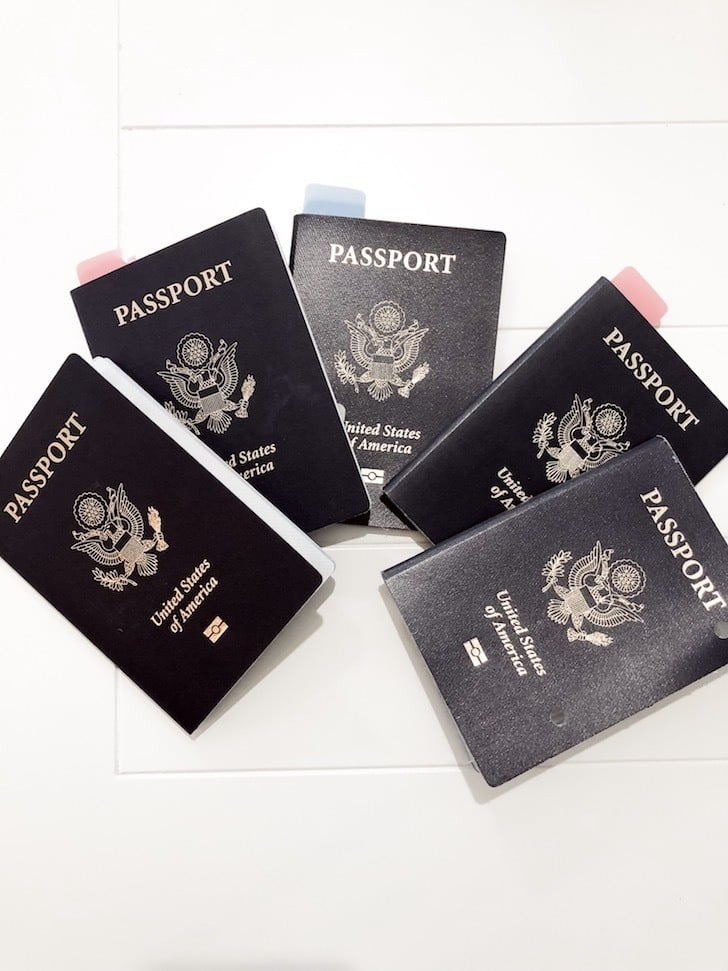
Beyond official identification, gathering all necessary travel documentation—including booking confirmations, lodging details, and boarding passes—prevents unnecessary scrambling. While digital copies stored on smartphones are convenient, many travelers prefer carrying physical printed copies as a reliable backup against drained batteries or poor cellular connectivity. International travelers should also record the exact name and address of their lodging accommodations, as this information is frequently required for customs and immigration paperwork.
Preparing Mobile Devices for International Travel
Navigating a foreign country requires careful mobile device preparation. Families venturing abroad should consult their wireless service providers to determine roaming capabilities and evaluate whether purchasing an international data plan is necessary.
Even without cellular coverage abroad, digital mapping tools remain accessible. Travelers can download specific geographic regions for offline use while connected to a secure Wi-Fi network prior to departure. Downloading essential travel, transit, and translation applications ahead of time similarly streamlines the transition upon arrival, sparing travelers the frustration of configuring software while on the move.
Related News