Lufthansa Airlines Prepares to Cut 1,000 Hub Jobs Amid Persistent Financial Pressures
Article Editorial Team
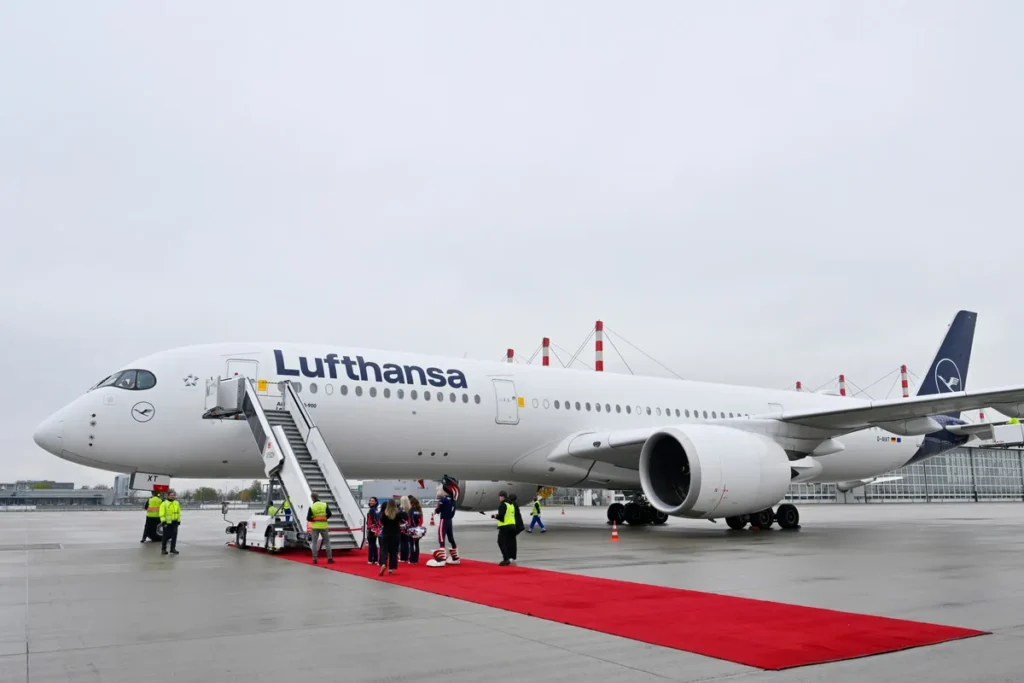
Lufthansa Airlines is planning to eliminate 1,000 full-time positions across its primary German hubs in Frankfurt and Munich. The major restructuring effort comes as the struggling carrier seeks to urgently turn around its financial fortunes, grappling with a challenging economic landscape defined by high fuel costs and mounting operational headwinds.
The impending workforce reduction was detailed in an internal management letter reviewed by several news outlets. According to the communication distributed to staff, the airline’s executive board painted a sobering picture of the company’s current financial standing, emphasizing that decisive action is required to secure the long-term viability of the carrier.
In the letter, the Lufthansa board explicitly stated that the company is facing its third consecutive year of lacking financial success. This prolonged period of underperformance has underscored deep-seated structural issues within the organization. The board noted that Lufthansa is currently not competitive in terms of its overall cost structure and operational efficiency, factors that have severely limited the airline’s ability to generate sustainable profits in an increasingly competitive global aviation market.
The decision to target 1,000 full-time positions at Frankfurt and Munich—Lufthansa’s two most critical operational strongholds—highlights the depth of the crisis facing the airline group. These hubs serve as the nerve centers for the carrier’s vast international and domestic network, handling millions of connecting passengers and substantial cargo operations each year. Reductions of this magnitude at these primary locations signal that management believes surface-level adjustments will no longer suffice to bridge the gap between expenditures and revenue.

For months, legacy carriers across Europe have found themselves squeezed between shifting travel demand patterns and
stubbornly elevated operating expenses. While passenger volumes have largely rebounded from the disruptions of earlier years, the cost of doing business has escalated dramatically. Jet fuel prices, which represent one of the most volatile and significant line items on any airline’s balance sheet, have remained stubbornly high, eating into profit margins even during peak travel seasons. Furthermore, the broader inflationary environment in Europe has driven up labor costs, airport fees, and maintenance expenditures, leaving traditional network airlines with narrow windows for financial recovery.
Lufthansa’s leadership has made it clear that the current trajectory is unsustainable. The acknowledgment that the carrier is lagging behind competitors in efficiency points to structural rigidities that have plagued the airline for years. High overhead costs, complex bureaucratic processes, and legacy labor agreements have historically weighed down European flag carriers when compared to leaner, more agile low-cost competitors. As macroeconomic pressures mount, these structural disadvantages become even more pronounced, forcing legacy airlines to enact painful cost-saving measures to protect their market share.
The announcement of the job cuts marks a critical juncture for Lufthansa as it attempts to recalibrate its operations for the future. The focus on Frankfurt and Munich implies that administrative, ground support, and management roles situated at these hubs will likely bear the brunt of the restructuring, though full details regarding the exact distribution of the layoffs remain under internal review. Labor representatives and employee unions are expected to push back against the planned reductions, setting the stage for tense negotiations in the weeks ahead as management attempts to implement the turnaround strategy outlined in the leadership’s letter.
As the airline navigates this difficult transition period, the pressure remains high on Lufthansa executives to execute the cost-cutting measures effectively without compromising safety, service quality, or operational reliability at its flagship airports. The coming months will test the resilience of the carrier as it attempts to restructure its cost baseline, restore profitability, and regain its competitive footing in a rapidly evolving global aviation landscape.
Related News