Empowering Indigenous Communities: How the Keo Seima Project Secures Land Rights and Climate Action in Cambodia
Article Editorial Team
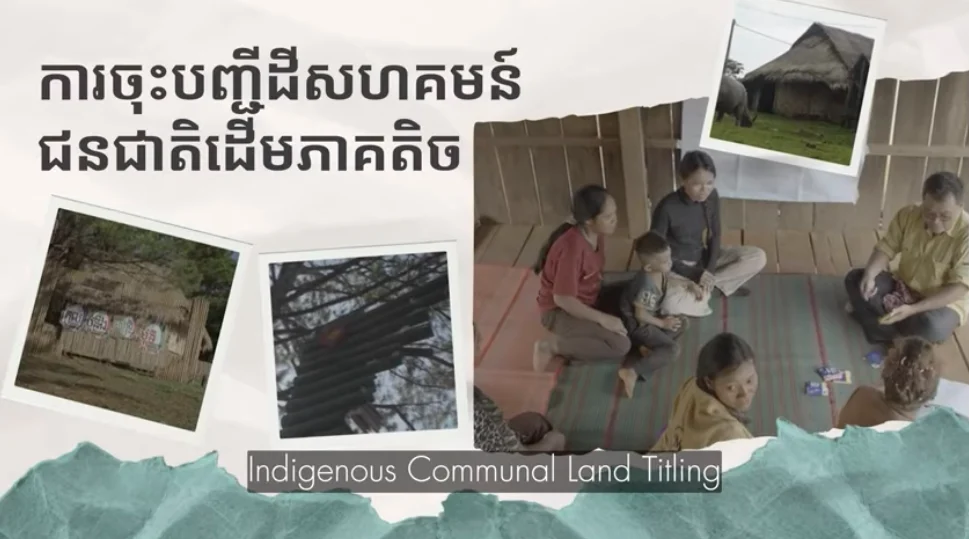
In the heart of Southeast Asia’s rapidly shifting environmental and economic landscape, critical conservation initiatives are increasingly proving that ecological preservation and the protection of Indigenous human rights are deeply intertwined. A prominent example of this synergy is unfolding through the Keo Seima project, a multifaceted conservation and climate initiative that is actively strengthening land tenure and security for the Indigenous Bunong people in Cambodia. By fostering close collaboration among national authorities, local stakeholders, and conservation organizations—including valuable media documentation provided by Wildlife Conservation Society (WCS) Cambodia—the project has emerged as a cornerstone for community-based environmental stewardship.
The significance of the Keo Seima initiative extends far beyond its immediate geographic boundaries. As part of a broader global effort to combat the escalating climate crisis through nature-based solutions, the project serves as a vital component within a wider Climate Impact Portfolio. This portfolio encompasses carefully vetted projects that have received vital backing and financial investment from established carbon offset programs. Through these mechanisms, individuals and organizations seeking to mitigate their carbon footprints are directly contributing to initiatives that not only capture atmospheric carbon and protect endangered biodiversity, but also safeguard the ancestral homelands and cultural heritage of Indigenous populations who have managed these ecosystems for generations.
At the core of the Keo Seima project’s success is its unwavering commitment to addressing the complex challenges surrounding land rights. For Indigenous communities like the Bunong, formal legal recognition of their ancestral territories is not merely a legal formality; it is an essential safeguard for their traditional way of life, spiritual practices, and sustainable livelihoods. For decades, Indigenous populations across the region have faced mounting pressures from external commercial interests, agricultural expansion, and rapid infrastructure development, all of which threaten to fragment their communities and degrade the pristine forests they call home. By working hand-in-hand with national and local partners, the Keo Seima initiative navigates these intricate legal and social landscapes to help secure formal land titles and community-managed protected areas for the Bunong people.
The collaboration required to achieve these milestones is both extensive and intricate, involving sustained dialogue between government bodies, municipal authorities, and community leaders. National partners provide the overarching legislative and regulatory frameworks necessary to recognize Indigenous communal land rights under Cambodian law, while local partners and grassroots organizations ensure that the voices, concerns, and traditional knowledge of the Bunong people remain at the forefront of every decision-making process. This participatory approach ensures that conservation is not imposed from the outside, but rather championed from within the community itself, fostering a deep sense of ownership and long-term commitment to protecting the local environment.
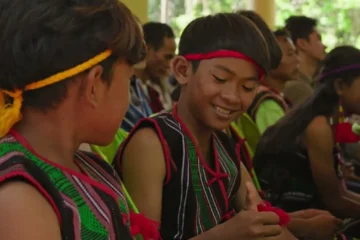
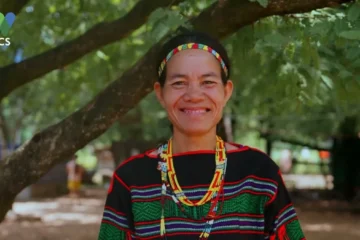
Visual documentation and storytelling have played a critical role in communicating the realities on the ground to a global audience. Through video materials provided by WCS Cambodia, observers around the world are granted an authentic window into the daily lives of the Bunong people, the rich biodiversity of the Keo Seima forest, and the tangible impacts of the collaborative work being undertaken. These visual records highlight the delicate balance between human communities and their natural surroundings, illustrating how securing land rights directly translates into better forest management, reduced deforestation rates, and enhanced resilience against the impacts of global climate change.
The inclusion of the Keo Seima project within specialized climate portfolios underscores the growing recognition that effective carbon offset programs must prioritize social equity and community empowerment alongside traditional ecological metrics. When carbon finance is directed toward initiatives that respect and reinforce Indigenous land rights, it creates a powerful multiplier effect. Forests are protected from illegal logging and encroachment because the people best
equipped to guard them—those who have a generational stake in their survival—are legally empowered to do so. Consequently, the reduction of carbon emissions achieved through avoided deforestation goes hand-in-hand with the preservation of cultural diversity and human dignity.
As international awareness regarding climate change and biodiversity loss continues to intensify, initiatives like Keo Seima offer a compelling model for future conservation efforts worldwide. They demonstrate that sustainable environmental strategies must respect the sovereignty and territorial rights of Indigenous peoples, treating them as indispensable partners rather than passive observers. Through ongoing collaboration, legal empowerment, and dedicated support from climate-conscious programs, the Keo Seima project continues to pave the way for a more just and environmentally secure future in Cambodia and beyond.
Related News