Travelers Find Fast-Track Relief at U.S. Customs Through the Mobile Passport Control App
Article Editorial Team
For families and infrequent international travelers, navigating the customs lines upon returning to the United States can often be the most tedious and exhausting part of a vacation. While programs like Global Entry offer a streamlined path through U.S. Customs and Border Protection (CBP), securing interviews can prove challenging, particularly for families who wish to avoid disrupting their children’s school schedules for appointments at busy hubs like Boston’s Logan Airport.
Because Global Entry is required for every individual family member seeking to use the expedited customs lane—including infants and children—many parents find themselves resigning to the standard, winding lines once or twice a year during international family trips. However, an increasingly popular alternative exists for travelers who want to bypass the worst of the airport congestion without undergoing formal interviews, background checks, or paying enrollment fees.
The Mobile Passport Control (MPC) app has emerged as one of the travel industry’s most effective tools for saving time upon re-entry into the country. Designed and managed directly by U.S. Customs and Border Protection, the application allows eligible travelers to submit their customs declaration information digitally, granting them access to a dedicated processing line that frequently bypasses the bulk of arriving passengers.
The application has undergone several transformations since its inception. Initially introduced as a free, third-party service before briefly transitioning to a fee-based model, the platform is now fully operated by CBP as a completely free service available on major mobile app marketplaces.
Despite its efficiency, travelers should note that the MPC app does not function as a complete substitute for trusted traveler programs like Global Entry. The application does not confer "known traveler" benefits, nor does it grant access to TSA PreCheck lanes for airport departures. It involves no advance registration, fee, or background vetting, and it is strictly utilized for the customs re-entry process upon returning to the United States from abroad.
Review: Using the Mobile Passport Control App
The logistical footprint of the Mobile Passport Control program has expanded steadily since its rollout. As of late 2026, the service is operational at dozens of facilities nationwide, encompassing 37 U.S. international airports, 15 preclearance locations abroad, four land border ports of entry, four seaports of entry, and three departure locations.
The inclusion of international preclearance locations offers a distinct advantage for travelers. At these foreign airports, CBP personnel inspect travelers before they board U.S.-bound flights, meaning passengers utilizing these facilities complete the customs process before departure and do not need to repeat it upon landing domestically.
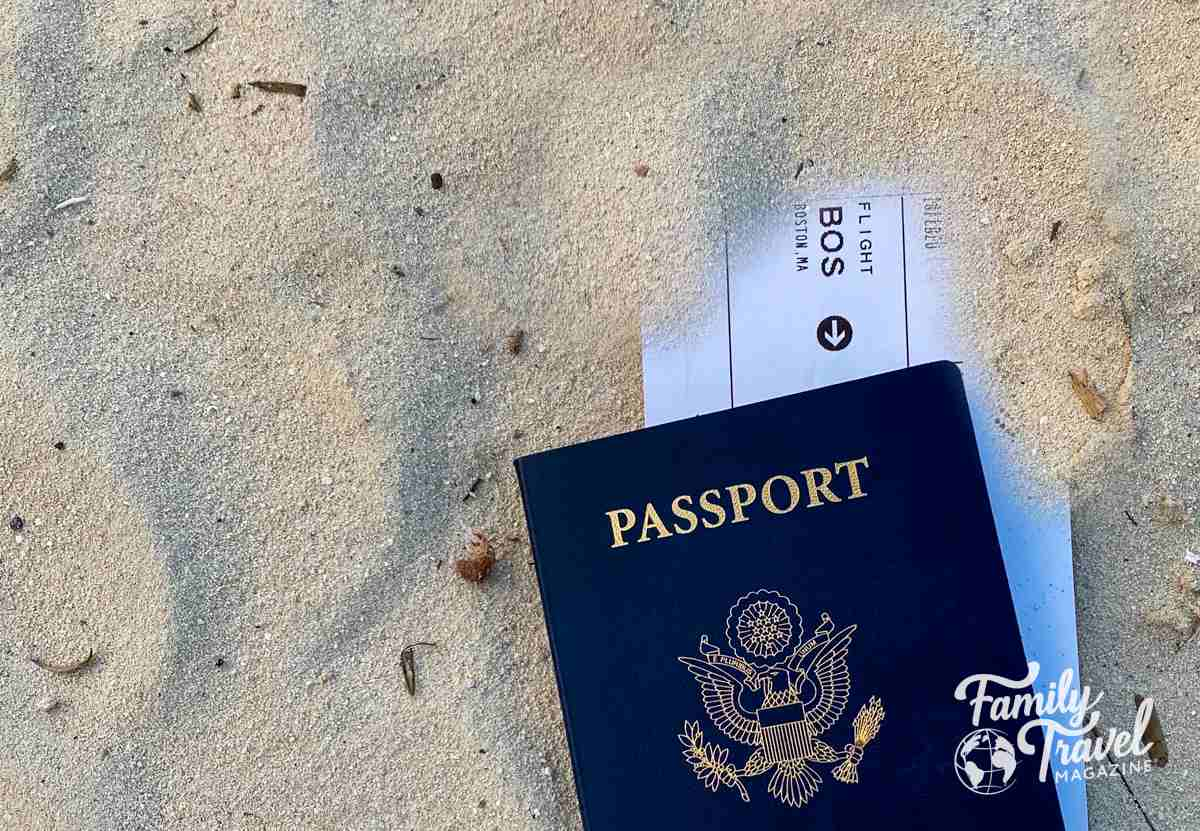
Operationally, the app is designed to replace the traditional paper customs declaration forms that passengers historically filled out in-flight. To utilize the service, travelers download the free application onto their mobile devices and create digital profiles for eligible family members. The setup process is streamlined, allowing users to scan the barcode on each physical passport to automatically populate and validate the document information, followed by capturing a quick photograph of each traveler.
Once a flight lands and passengers regain cellular data or airport Wi-Fi connectivity, the application prompts users to complete standard customs declaration questions regarding their trip. Submitting this information requires an active internet connection and serves as a legal attestation under penalty of law that the provided details are accurate.
Upon successful submission, the system generates an individual electronic QR code receipt for every registered member of the travel party. Upon deplaning, travelers follow terminal signage designated for Mobile Passport Control, allowing them to bypass the traditional automated kiosks and proceed directly to a dedicated agent lane.
While the digital receipt significantly accelerates the clearance process, travelers must still present their physical, unexpired passports to the CBP officer alongside the digital barcodes. Furthermore, seasoned users note that clearing customs rapidly can occasionally result in a brief wait at the luggage carousel, as passengers may reach the baggage claim area before airport personnel have unloaded bags from the aircraft.
Frequently Asked Questions about the Mobile Passport App
For families weighing whether to adopt the technology for upcoming travel, several key operational parameters define who can use the application and how it functions in practice.
The app is broadly accessible to U.S. citizens, U.S. lawful permanent residents, returning Visa Waiver Program travelers possessing an approved Electronic System for Travel Authorization (ESTA), and Canadian citizens visiting under B1 or B2 statuses. Up to 12 individual profiles can be managed within a single app session, making it practical for larger families.
While the application is cost-free and requires no advance appointment, it remains subject to standard border enforcement protocols. Mobile passport users must still travel with their physical passports, and like any other traveler, they remain eligible for random selection or additional questioning by border officials. Nevertheless, for families who travel internationally on an occasional basis and fly through supported airports, the application provides a practical, no-cost alternative to navigating standard customs queues.
Related News