Cruising Decoded: Evaluating the Rising Appeal of Expedition Voyages Versus Traditional Family Cruises
Article Editorial Team
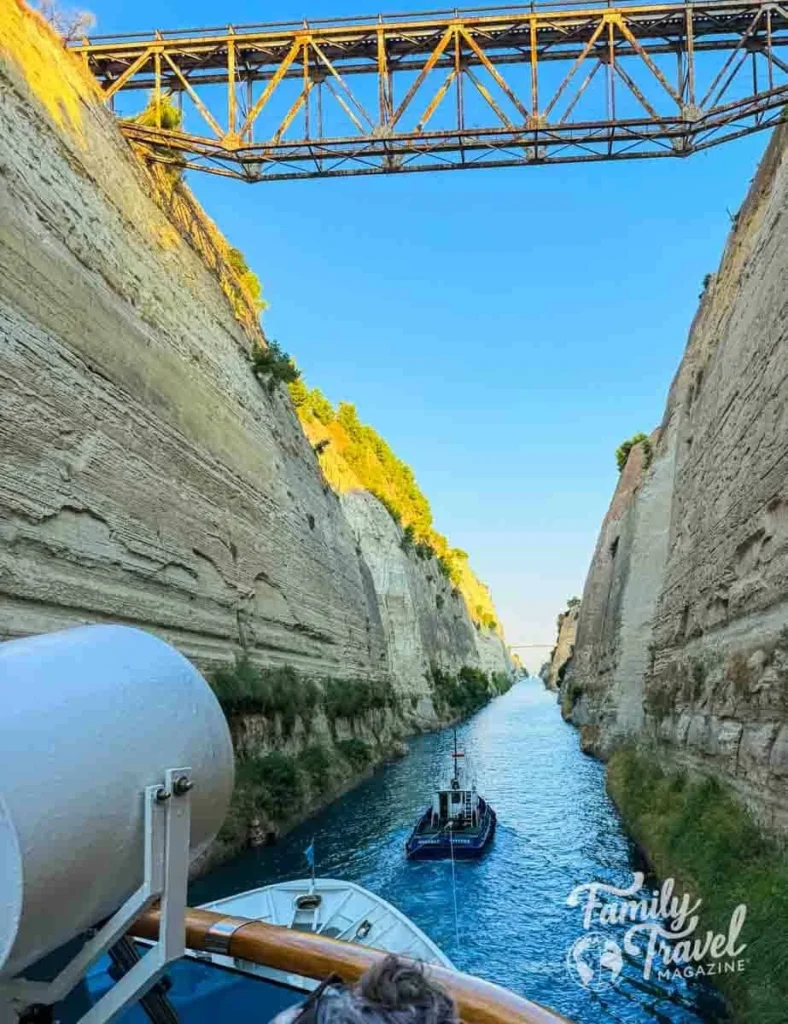
For travelers who love the rhythm of the open sea, choosing the right voyage has become an increasingly nuanced decision. While mainstream cruising has long dominated the family vacation market with its massive floating resorts, water parks, and endless entertainment schedules, a different style of maritime travel is capturing the attention of adventurous families. Expedition cruising, once reserved exclusively for remote polar research or rugged wilderness trekking, has evolved into a sophisticated travel option for exploring culturally rich and historically dense regions like the Mediterranean.
The debate between booking an expedition cruise and a traditional cruise highlights fundamentally different philosophies of travel. A recent family voyage aboard the National Geographic Orion—navigating the waters of Greece, Albania, and Croatia with National Geographic Expeditions and Lindblad Expeditions—underscores just how distinct these two maritime experiences can be. While both options offer the fundamental comforts of staterooms, dining rooms, and professional crews, the day-to-day reality on board could not be more dissimilar.
Understanding the core differences requires examining everything from ship scale and onboard programming to dining structures, financial commitments, and overall vacation pacing. For families attempting to weigh their options, the choice ultimately boils down to whether the priority is high-energy onboard recreation and leisure or deep, immersive destination exploration.
What Is an Expedition Cruise?
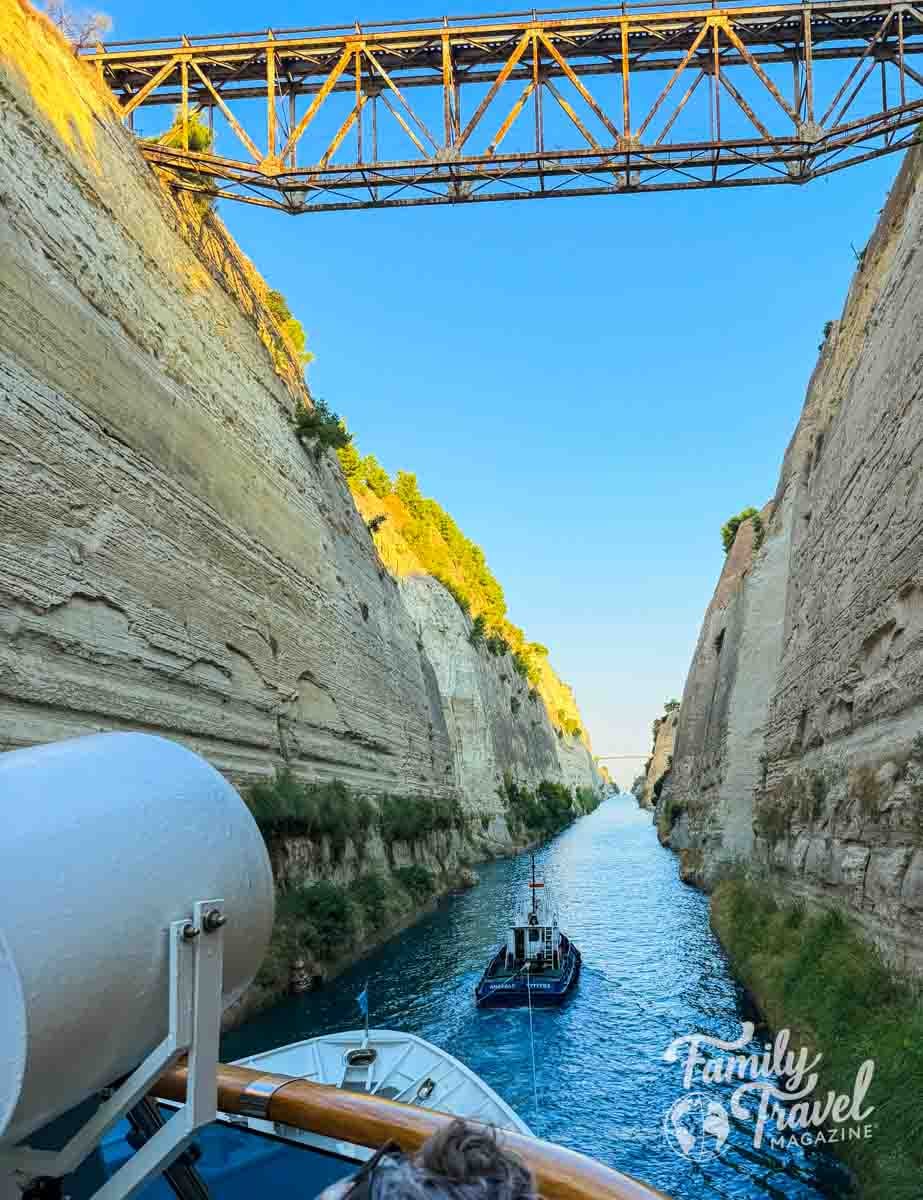
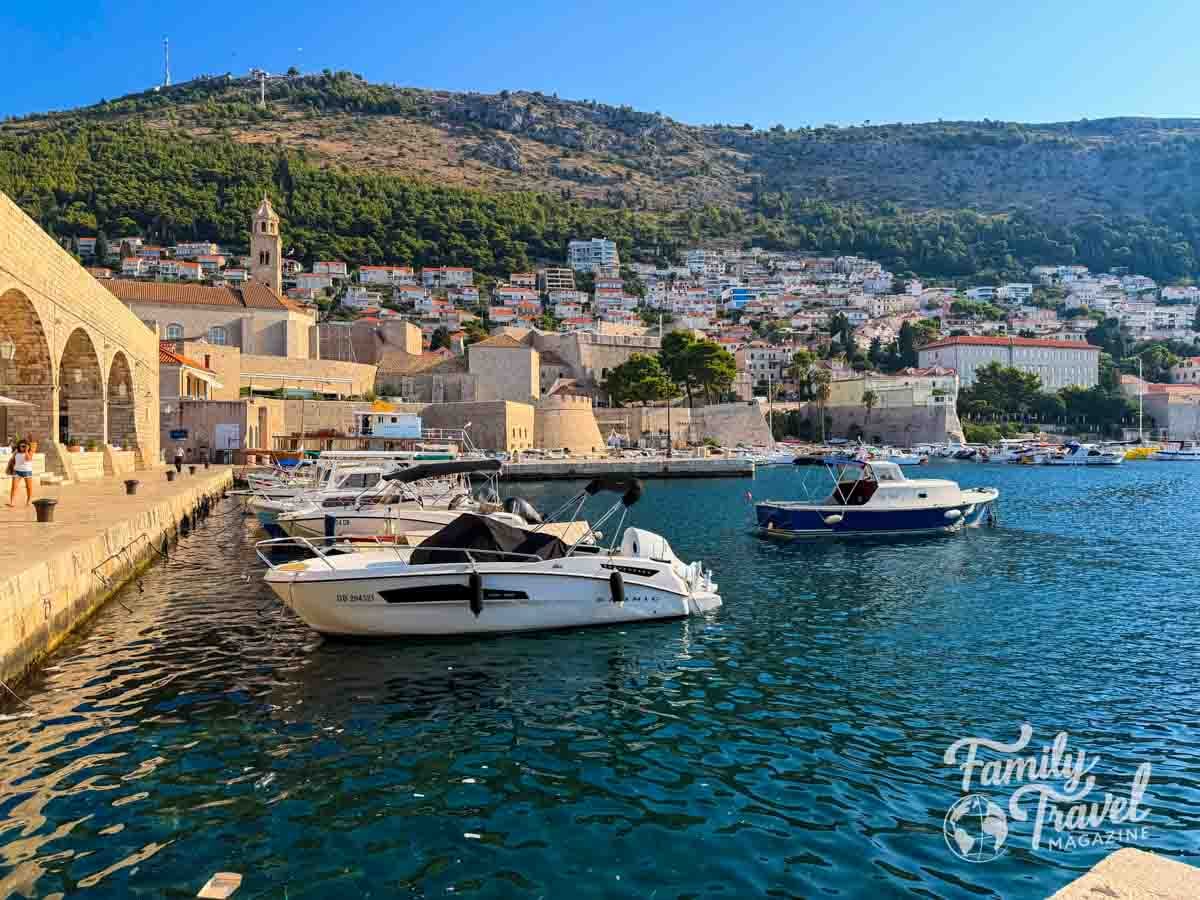
Expedition cruises are characterized primarily by their scale and their mission. Typically operating on much smaller vessels, these ships can access intimate ports, narrow waterways, and remote coastal routes that are entirely inaccessible to massive mainstream liners. For instance, the National Geographic Orion accommodates just 102 guests, fostering a tight-knit, community atmosphere where travelers interact closely with naturalists, historians, and marine biologists.
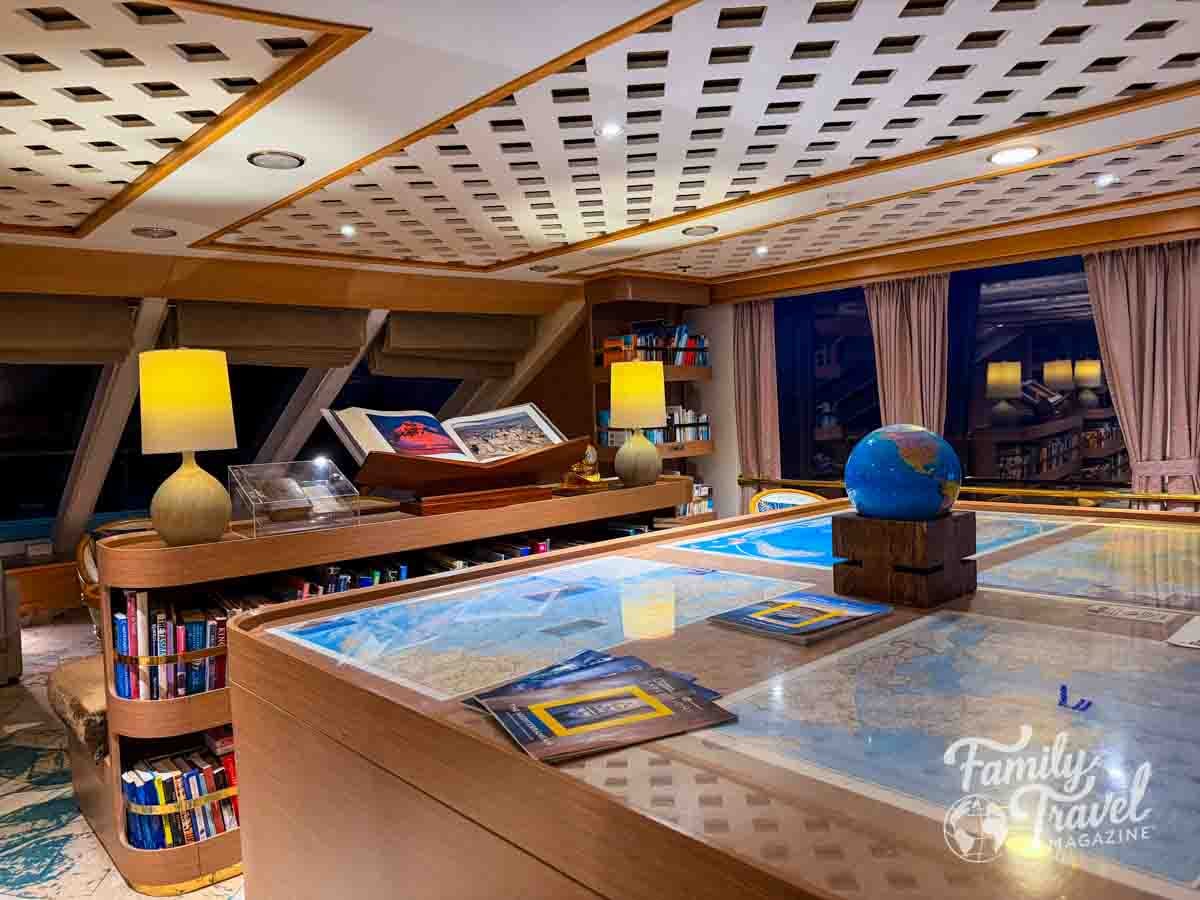
The primary focus of an expedition cruise is education and active exploration. Daily programming features specialized lectures covering marine life, regional geology, ornithology, and local culture. Excursions are the heartbeat of the itinerary, with guided hikes, nature walks, and historical site visits forming the core of the daily experience. Life on board reflects this purpose. Passengers will find comfortable cabins and dining spaces, but they will not encounter the resort-style amenities typical of large family cruise ships, such as multi-story water slides, expansive kids’ clubs, arcades, or heavy schedules of commercial entertainment.
Instead, an expedition cruise serves as a floating basecamp. Families who choose these itineraries often do so to maximize their time in the region, seeing multiple destinations in a short timeframe without the fatigue of constant land-based transit via buses and trains. Destinations are often traversed overnight or during lunch, maximizing daylight hours for active discovery.
What Is a Traditional Cruise?
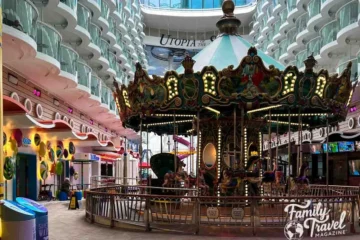
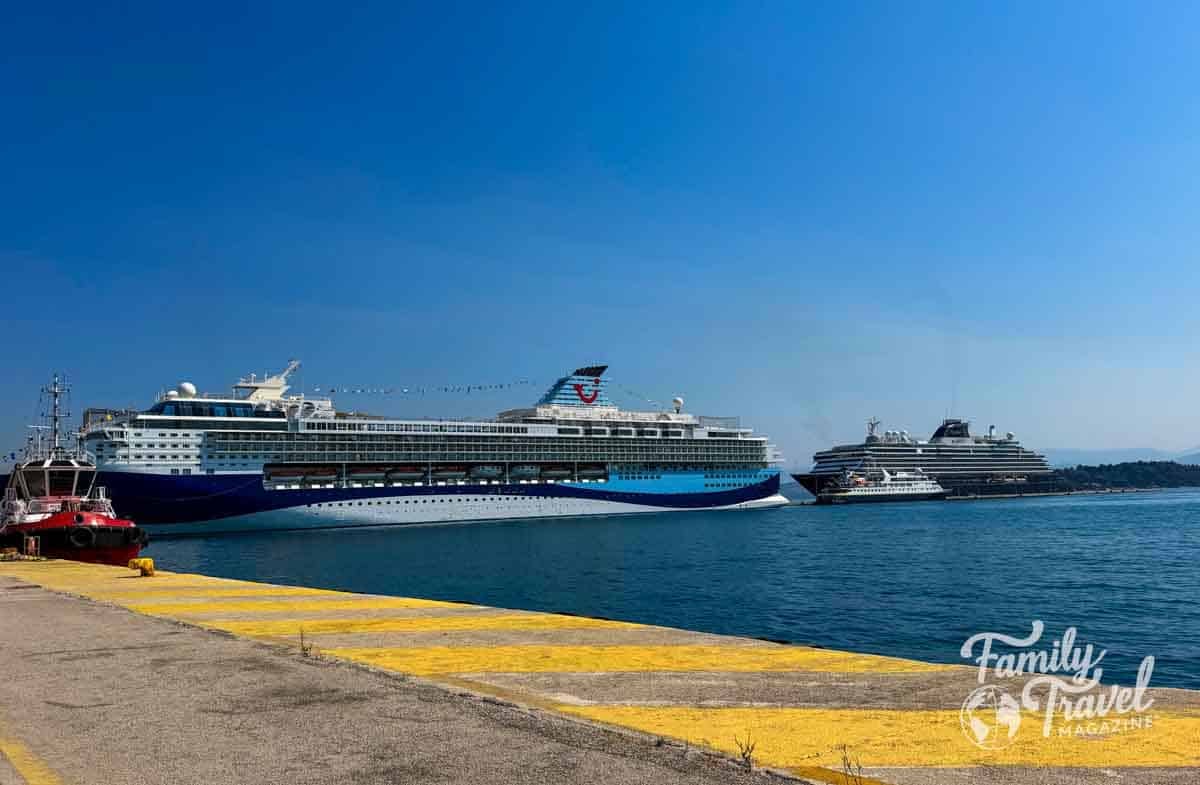
In stark contrast, mainstream family cruise lines operate massive floating cities capable of hosting thousands of guests. These ships are engineered to provide a self-contained resort experience where the ship itself is often as much of a destination as the ports it visits.
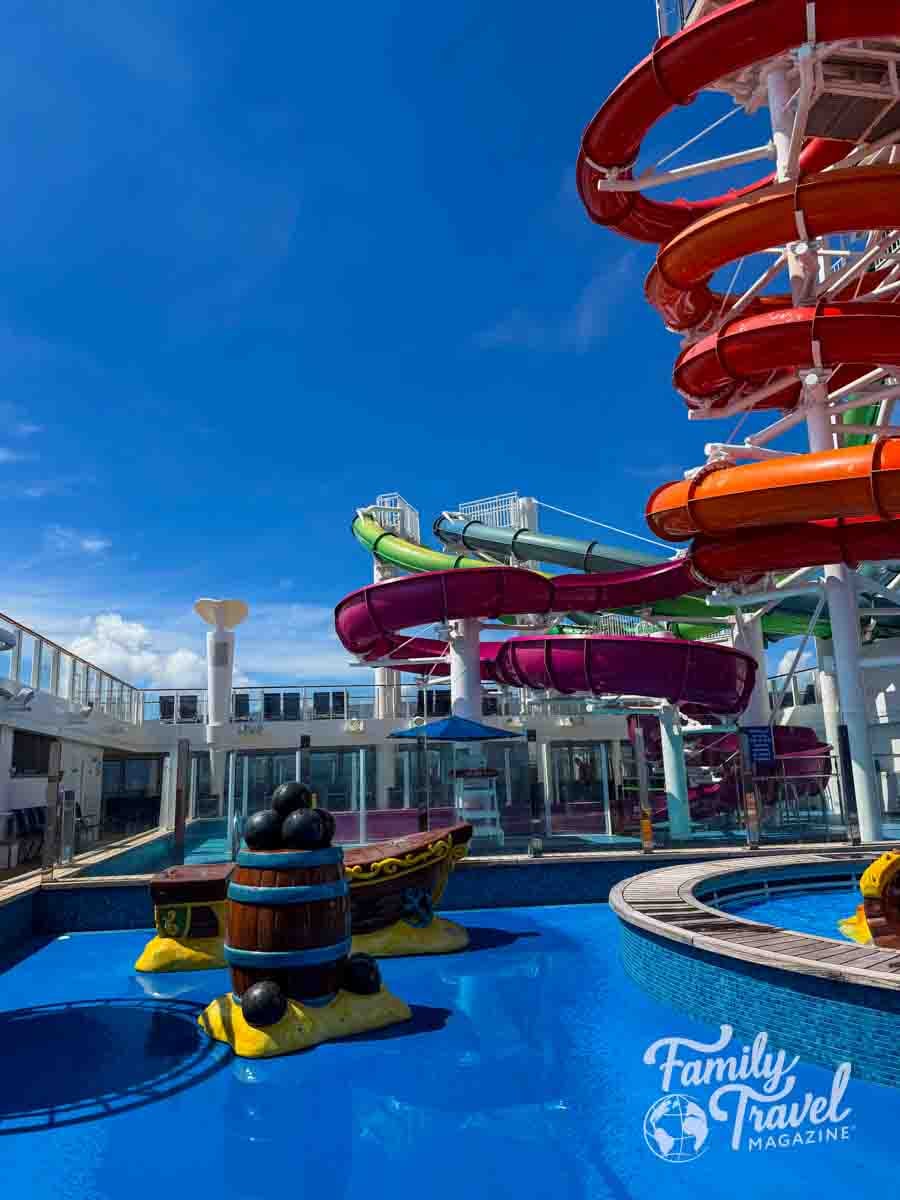
Family-focused cruise ships typically offer a vast array of recreational amenities, including multiple swimming pools, water parks, splash zones, sports decks, ziplines, bowling alleys, and arcades. They feature comprehensive, supervised youth and teen clubs that operate throughout the day and evening. The entertainment schedule is dense and varied, offering everything from large-scale theatrical production shows and live musical performances to game shows, magicians, and deck parties.
Itineraries on traditional cruises frequently include days at sea, which provide ample downtime for passengers to lounge by the pool, nap, or participate in onboard activities. When the ship arrives at a port of call, passengers have the flexibility to purchase optional shore excursions, explore the port independently, or simply remain on board to enjoy the ship’s amenities without interruption.
Evaluating the Best Ages for Expedition Travel
Determining which type of cruise is appropriate often depends heavily on the ages and interests of the children traveling. While expedition lines enforce minimum age requirements that vary by ship and itinerary, parents must look beyond mere age limits to evaluate whether the pace and content align with their children’s temperaments.
Expedition cruises tend to be an exceptional fit for children and teenagers who possess a genuine curiosity about history, science, nature, and active exploration. Because the daily routine involves physical movement, walking tours, and educational lectures, kids who enjoy learning outside the classroom thrive in this environment. Conversely, younger children or teenagers who look forward to resort-style pools, unstructured lounge time, and peer socialization in dedicated youth clubs may find the expedition format restrictive.
Onboard Activities: A Study in Contrasts
The divergence between the two travel styles becomes most apparent when comparing daily and evening schedules. On an expedition vessel, structured activities are purposeful and generally limited to one main event per evening, such as a recap of the day’s wildlife sightings, a briefing on the next day’s destination, or a lecture by a visiting expert.
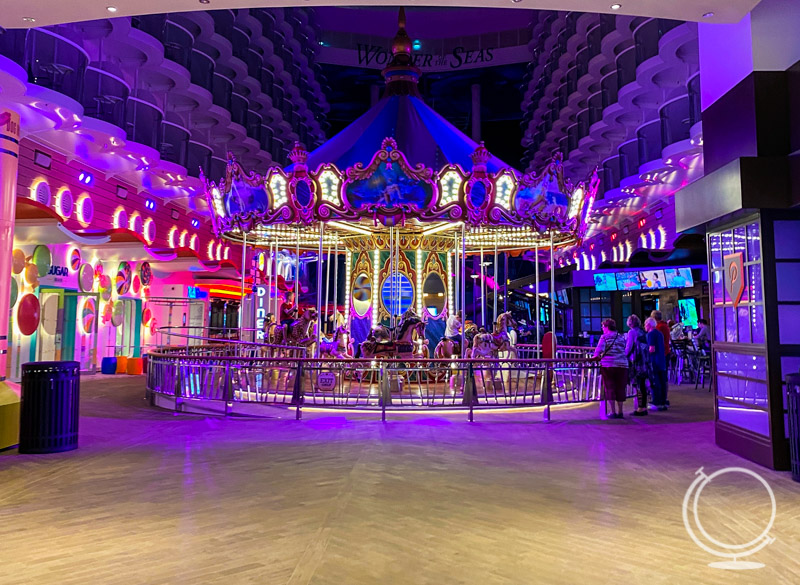
Traditional cruises offer the opposite dynamic: a simultaneous multitude of choices where passengers must curate their own schedules from an overwhelming menu of options. From fitness classes and trivia contests to deck games and evening stage productions, traditional ships cater to varied desires running concurrently.
Downtime also varies dramatically. Expedition itineraries are rigorous, often featuring packed daily schedules with minimal time spent cruising during daylight hours. It is common to visit multiple destinations in a single day, with sailing reserved for the late afternoon or overnight. Traditional cruises, particularly on longer itineraries, deliberately build in sea days that offer complete freedom and relaxation.
Navigating Dining Differences
Culinary experiences on expedition ships prioritize quality and community over variety. On the National Geographic Orion, meals are served at structured times in a primary dining room with open seating and a rotating menu that reflects the region being visited. Breakfast and lunch are often hosted in a more casual outdoor café setting. While the food is consistently exceptional, diners are limited to a single venue per mealtime.
Mainstream cruise ships offer the inverse model, prioritizing abundant choice and flexibility. Guests can choose from casual grab-and-go spots, expansive buffets, specialty upscale restaurants, and main dining rooms. While traditional dining may involve assigned seating times or flexible open seating, the sheer volume of venues ensures that food is available nearly around the clock and caters to every possible culinary preference.
Financial Considerations and Upfront Costs
When comparing costs, expedition cruises typically carry a higher initial price tag than traditional cruises. However, evaluating value requires a comprehensive look at what is included in the upfront fare.
Expedition voyages frequently bundle elements that are billed as extras on mainstream cruise ships. For example, fares on Lindblad-National Geographic sailings routinely cover shore excursions, alcoholic beverages, crew gratuities, and eligible airport transfers. On a traditional cruise, these ancillary expenses—particularly private shore excursions, specialty dining, and service gratuities—can accumulate rapidly, narrowing the apparent price gap between the two vacation styles.
Planning Requirements and Logistics
Both travel styles require relatively little planning compared to independent land travel, but traditional cruises demand significantly more pre-trip decision-making.
On an expedition cruise, the logistical heavy lifting is entirely managed by the operator. Excursions are curated, options are streamlined, and passengers simply sign up for the predetermined offerings and follow the daily schedule. Embarkation and disembarkation are typically swift and straightforward due to the smaller passenger manifest.
On a traditional cruise, passengers must navigate a labyrinth of pre-trip choices. Travelers must select dining times, reserve specialty restaurants, pre-book popular entertainment, and evaluate a sprawling catalog of shore excursions for every port of call.
Making the Final Decision
Ultimately, choosing between an expedition cruise and a traditional cruise depends entirely on a family’s vacation objectives. Families prioritizing historical immersion, scientific discovery, off-the-beaten-path destinations, and active daily exploration often find that expedition cruising meets their goals in a way massive liners cannot. Meanwhile, families seeking resort amenities, dedicated youth programming, scheduling flexibility, and ample relaxation will continue to favor the time-tested formula of traditional mainstream cruising. Both models offer exceptional experiences, provided the chosen voyage aligns with the travelers’ expectations.
Related News