Rome’s Culinary Renaissance: Navigating the Eternal City’s Best Restaurants, Trattorias, and Markets
Article Editorial Team
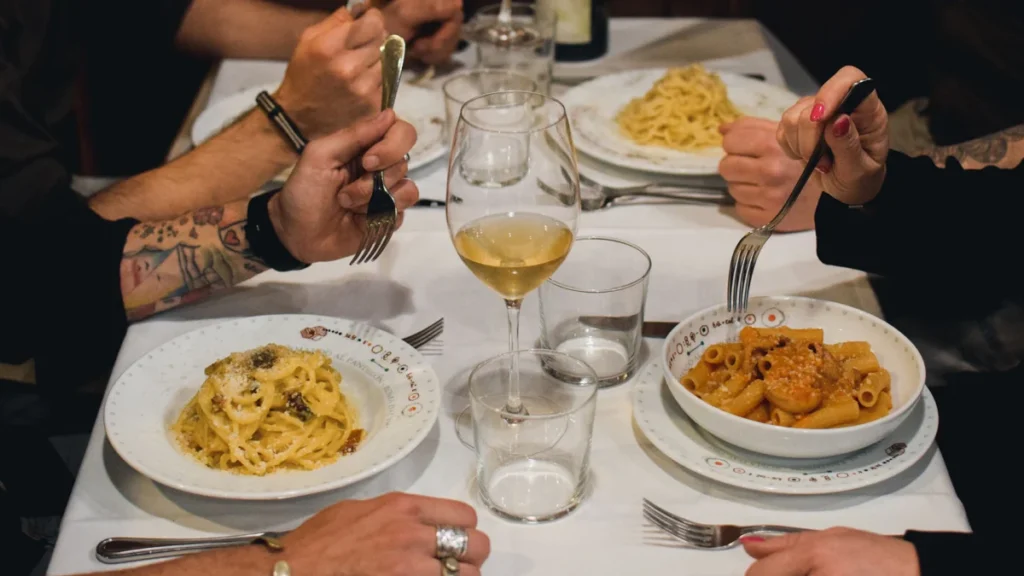
Roman cuisine is a reflection of the city itself—layered, deeply rooted in tradition, and full of captivating contrasts. After years of exploring Rome’s dynamic dining landscape, the best meals are consistently found to be shaped just as much by centuries of history as by the skilled hands that prepare them. Family-run trattorias have served the city’s defining dishes for generations: cacio e pepe, carbonara, roasted lamb, and offal-based specialties, many of which trace their origins directly back to Rome’s historic slaughterhouse economy. While these establishments remain essential pillars of the local culture, a new wave of neo-trattorias constantly reinterprets the classics, while the broader dining scene continues to shift in exciting ways. Today, the influence of Rome’s immigrant communities and international culinary traditions, ranging from Ethiopian to Venezuelan, is stronger and more vibrant than ever.

Experiencing Rome during the damp intermission of February and March often pivots quickly toward the warmth of spring. One day finds diners ducking into neighborhood bars to escape a sudden downpour, while the next has them scanning crowded outdoor patios for a table warmed by the sun. If recent years serve as any indication, the high tourist season revs up well before Holy Week, and by late March, the city is already moving at full tilt. This narrow stretch of the calendar offers the ideal window to enjoy artichokes simmered with the first seasonal peas, favas, and crisp lettuce into vignarola, Rome’s definitive spring stew. Blink, and the season will pass you by.
Eating and drinking well in Rome requires more than simply knowing where to go; it demands an understanding of the city’s idiosyncratic dining culture. Travelers frequently book tables months in advance, making last-minute reservations a formidable challenge. Although online booking platforms are becoming increasingly common, many beloved neighborhood spots still rely strictly on the telephone. For the best results, prospective diners are advised to call at the very start or the very end of service, when the hard-working staff actually has the time to pick up the receiver. Planning ahead is essential, but leaving a little room for culinary spontaneity always pays off.

The city’s dining scene reflects an ever-changing landscape, highlighted by notable additions to the local food map. In the San Giovanni district, Beppe e I Suoi Formaggi has expanded far beyond its former Ghetto shop into a larger space where Beppe Giovale’s renowned selection of Italian and French cheeses shares the table with comforting dishes like tajarin with alpine butter. Near the striking Pyramid of Gaius Cestius, the third-generation, family-run Taverna Cestia serves classic Roman plates, fresh seafood, and wood-fired pizza alongside a thoughtful wine list. Meanwhile, in the Prati-adjacent neighborhood of Della Vittoria, Vetro pairs natural wines with small plates that borrow freely from both Roman traditions and wider European influences, making it an equally appealing destination for a casual evening meal or a relaxed glass of wine.
Vetro
Open exclusively for evening service, Vetro presents a relaxed atmosphere where the sidewalk crowd often lingers over glasses of wine and beer. Inside, high-tops and traditional tables offer a more settled way to explore a menu that speaks fluent Roman while casting a wider European net. Diners can sample gildas, eggs with mayonnaise, beef tongue with sweet potatoes and piquillo peppers, or a refined version of baccalà mantecato served as brandade alongside marinated zucchini and isot pepper. Set in a former alimentari on Viale Carso, the bar pairs its neighborhood hangout vibe with a carefully curated natural wine selection spanning Italy, Spain, and southern France, including selections served sfuso on tap.

Orma Roma
Operating for both lunch and dinner in the upscale price tier, Orma Roma is spearheaded by Colombian chef Roy Caceres, a veteran of Roman fine dining whose landmark Michelin-starred restaurant, Metamorfosi, closed following the pandemic. Located just a few blocks southeast of the Galleria Borghese, Orma houses several distinct culinary concepts, including a shaded terrace bistrot popular for power lunches, a cocktail bar specializing in tropical fruit- and herb-forward drinks, and a formal dining room offering tasting menus and à la carte dishes. Caceres seamlessly blends his Colombian heritage with Italian flavors, offering signature creations such as his famous Uovo 65° Carbonara alongside lacquered eel with pickled onions.
Colline Emiliane
Located just a short walk from the iconic Trevi Fountain, this friendly trattoria has been serving satisfying dishes from Emilia-Romagna, a region in northeastern Italy, since 1931, with the current family taking the helm in 1967. The menu is celebrated for its rich, egg-based house-made pastas, including tortelli di zucca with butter and sage and tagliatelle alla bolognese. Hearty meat-based mains such as bollito misto and fried liver complete an intensely comforting menu that remains a staple of the historic center.

Armando al Pantheon
Situated just 100 feet away from Rome’s most intact ancient monument, Armando al Pantheon is a steadfast champion of local food traditions. For over five decades, the Gargioli family has dutifully produced classic Roman dishes like fettuccine con le rigaglie di pollo and oxtail braised in tomato and celery. Seasonal side dishes feature puntarelle with anchovy sauce in the cooler months alongside carciofi alla romana. The meal is completed by traditional desserts like torta antica Roma, a comforting ricotta and strawberry jam pie accompanied by an increasingly refined wine list.
Moriondo e Gariglio
Operating all day in the historic center, Moriondo e Gariglio functions as a fragrant time capsule dedicated to artisanal chocolate. Founded in Turin by cousins Agostino Moriondo and Francesco Gariglio, former chocolatiers to the Savoy royal household, the shop followed the royal court to Rome in the late 19th century. Today, glass counters hold more than 80 handcrafted chocolates and bonbons. Autumn brings the shop’s cult-favorite marrons glacés, while spring introduces elaborately engineered Easter eggs, maintaining a sweet, century-old Roman tradition.

Cesare Al Pellegrino
Following the closure of the legendary cult favorite Settimio al Pellegrino in 2022, Leonardo Vignoli and Maria Pia Cicconi of Cesare al Casaletto fame resurrected the space near Campo dei Fiori. Retaining the institution’s signature tiled floors, midcentury furniture, and the infamous doorbell required for entry, the trattoria offers a succinct menu featuring traditional plates like minestra con broccoli e arzilla and the legendary pan-fried meatballs created by former chef-owner Teresa Zazza.
Hosteria Grappolo d’Oro
Defying the stereotype of brusque service in Roman restaurants, Hosteria Grappolo d’Oro welcomes guests with affable hospitality beneath exposed wooden beams. The kitchen delivers pristine versions of classic cucina romana, ranging from toothsome tonnarelli cacio e pepe to tender roasted suckling lamb. Beyond the a la carte offerings, the restaurant’s four-course Roman tasting menu stands out as one of the best value dining experiences in the city.

Forno Campo de’ Fiori
Located in the southwest corner of one of Rome’s most bustling squares, this historic bakery offers sweet and savory specialties throughout the day. Visitors can choose from traditional jam tarts, flatbreads, and pizza alla pala baked directly in electric deck ovens and sold by weight. The unctuous toppings and exceptionally crispy bases create a surprisingly balanced bite, highlighted by the celebrated pizza con mortadella.
Mazzo
Culinary power partners Francesca Barreca and Marco Baccannelli reopened their landmark restaurant Mazzo after a five-year hiatus, establishing a more central home in San Lorenzo. The expanded dining room features full restaurant seating alongside a massive porthole looking directly into the brightly lit kitchen. The menu playfully reinterprets nostalgic forms, offering dishes like wagon wheel pasta with braised beef alongside updated takes on traditional offal, such as fried tripe served over pecorino Romano and tomato sauce.

Trattoria Monti
Despite its name, the Camerucci family’s beloved trattoria is located in the multicultural Esquilino district near Stazione Termini rather than the neighborhood of Monti. The kitchen specializes in the hearty culinary traditions of the Marche region, offering game dishes like braised rabbit and roasted duck, meat-filled fried olives, and the legendary runny-yolk raviolo dressed simply in butter and sage.
Salumeria Roscioli
Founded in the Historic Center by Rome’s premier baking family, Salumeria Roscioli operates as a dynamic combination of deli, wine bar, and restaurant. While the menu is extensive, the true highlights include exceptional cheeses like burrata with semi-dried tomatoes, fine cured meats, and pitch-perfect pasta classics such as amatriciana and carbonara. Diners seated early enjoy bread fresh from the nearby Antico Forno Roscioli, paired with an expansive wine list and artisanal distilled spirits.

Boccione – Il Forno del Ghetto
Surviving as a historic landmark in the neighborhood that once confined Rome’s Jewish community, this modest bakery continues to produce legendary baked goods. Specialities include pizza ebraica—a dense fruitcake studded with nuts, raisins, and candied fruit—alongside ricotta and sour cherry tarts, spiced amaretti, and almond biscuits generously dusted with cinnamon.
Mrgda
Situated on Via Prenestina at the edge of Pigneto, Mrgda highlights the deep roots of Ethiopian and Eritrean community and culture in Rome. Diners enjoy free-flowing tej, a honey-fermented wine, paired with richly spiced legumes, aromatic vegetables, tender braised chicken, and seasoned raw beef, all scooped up using ethereal, naturally leavened injera.

Ma Che Siete Venuti A Fà
Widely recognized as one of the finest craft beer pubs in Europe, this Trastevere institution pours roughly a dozen draft beers originating from Italy, the United States, Belgium, Germany, and the United Kingdom. Staff members offer expert guidance from a curated selection of bottles and drafts, welcoming guests to street-side tables that offer a front-row seat to the neighborhood’s vibrant evening atmosphere.
L’Elementare
While maintaining multiple locations across Rome, the Trastevere outpost of L’Elementare stands out for its execution of traditional Roman pizza tonda. These thin, nearly rimless pies feature crisp, chewy edges achieved through an extended baking process that provides strong structural integrity. The menu begins with molten supplì ar telefono, fried lasagna blocks, and fried parcels of tonnarelli cacio e pepe.

Trapizzino
Created by pizzaiolo Stefano Callegari in 2008, Trapizzino has grown into a beloved street food concept marrying the triangular shape of a traditional tramezzino sandwich with long-leavened pizza dough. The tricornered pockets are generously stuffed with robust Roman classics like oxtail simmered in tomato and celery, chicken cacciatore, and tripe.
Jerry Thomas Bar Room
Hidden behind an unmarked door on Via del Moro in Trastevere, this windowless cocktail lounge evokes the luxury of the Orient Express with dark wood accents and refined interior design. Operating on strict reservation slots, the bar offers an extensive menu of bottled classic cocktails, Champagne, and non-alcoholic drinks, providing an oasis of sophistication amidst the surrounding nightlife district.

Latteria Trastevere
Functioning as a wine bar and bistro in the heart of Trastevere, Latteria Trastevere focuses on natural wines, artisanal cheeses, and cured meats sourced from small-scale Italian producers. Owner Antonio Cossu also brings regional influences from his native Sardinia to the menu, featuring pearl couscous with crab alongside regional wine selections from Barbagia.
Sora Lella
Founded in 1959 by beloved actor and cook Elena Fabrizi, this historic trattoria located in a medieval tower on the Tiber Island remains a cornerstone of Roman culinary heritage. Managed today by the family’s third generation, the restaurant serves traditional cucina romana alongside a thoughtfully curated wine list highlighting underappreciated local labels from the Lazio region.

L’Antidoto
What began as a simple natural wine bar on a cobbled Trastevere street has evolved into one of the city’s most compelling dining destinations under the direction of chef Mirko Pelosi. Drawing on international training across France, Norway, and Scotland, Pelosi applies advanced techniques to aged fish, fermented vegetables, and global spices, creating a dynamic, constantly changing menu centered around ingredient-driven plates.
Tempio di Iside
Located a short walk from the Colosseum, Tempio di Iside is an elegant seafood destination renowned for raw seafood platters, fish carpaccio, sea urchin roe, and oysters. The kitchen pairs fresh catches with exceptional pasta dishes, including spaghetti with sweet red shrimp and pecorino, alongside whole roasted fish and traditional clam spaghetti.

Menabò Vino e Cucina
Situated in the sprawling Centocelle district of eastern Rome, Menabò Vino e Cucina offers a broad tour of Italian regional comfort food. The frequently changing menu features dishes such as Neapolitan-style rigatoni with braised beef, coastal chickpea and mussel pasta, and local classics like pasta alla gricia enhanced with seasonal touches of fresh fruit, all paired with a strong selection of natural wines.
Forme Dispensa a Ripa
Run by Salumeria Roscioli alumnus Pasquale Borriello, this small Trastevere shop offers high-top seating for guests to enjoy natural wines and craft beers alongside an exceptional selection of artisanal cheeses sourced from the smallest independent producers across Italy.

Otaleg
Trained in the natural philosophy and restrained sweetness of gelato maestro Claudio Torcè, Marco Radicioni crafts some of Italy’s finest gelato at his locations in Monteverde Vecchio and Trastevere. Utilizing meticulous ingredient sourcing, the gelateria offers rich, natural flavors alongside specialty third-wave coffees and artisanal pastries.
Ruver Teglia Frazionata
Located near the Circus Maximus, Pizzarium alumnus Alessandro Ruver operates a tiny laboratory dedicated to pizza in teglia. Featuring long-fermented doughs that bake up light and audibly crisp, the daily menu includes creative toppings sourced from small central Italian farms, such as the signature Ragùver loaded with slow-cooked meat sauce and Parmigiano-Reggiano.

Santo Palato
Chef Sarah Cicolini’s neo-trattoria in the Appio Latino district has become a destination for diners seeking bold, updated interpretations of Roman cooking. Operating in a larger space that includes a kitchen visible through large glass windows, the restaurant serves comforting specialties like tender tripe, chicken gizzard frittata, and intensely rich carbonara alongside fresh pasta and grilled meats.
Beppe e I Suoi Formaggi
After nearly two decades in the historic Ghetto, cheesemaker Beppe Giovale relocated his shop to a brighter, expanded space on Via Gallia in San Giovanni. Retaining the massive refrigerated counter featuring over 100 raw-milk cheeses, the new location includes a fully equipped kitchen and dining space serving dishes like tajarin with alpine butter alongside traditional cheese and butter tastings.

Piatto Romano
Located in Testaccio, Rome’s historic offal capital, Piatto Romano specializes in traditional preparations including rigatoni con la pajata and chicken innards with fettuccine. Alongside these offal classics, the kitchen offers accomplished pescatarian dishes, such as baked cod with onions, pine nuts, and dried fruit, paired with exceptional seasonal vegetable sides.
Mercato Testaccio
The Testaccio neighborhood market serves as a central hub for seasonal produce, meats, fish, and baked goods. Visitors can sample takeaway pizza slices from Da Artenio, historic offal sandwiches from Mordi e Vai, and artisanal cheeses, natural wines, and soups from neighboring stalls, making it an essential morning destination for food lovers in the capital.

Taverna Cestia
Founded in 1967 by Amatrice native Gioacchino Salvi and currently run by his grandson Valerio, Taverna Cestia sits opposite the pyramid of Gaius Cestius. The sprawling trattoria balances Roman staples like cacio e pepe and grilled lamb with locally caught seafood, wood-fired Roman pizzas, and an exceptionally thoughtful wine list featuring small producers.
Mostro
Operating out of a historic mid-century kiosk at the intersection of the Aventino, Ostiense, and Testaccio districts, Mostro functions as a specialty coffee shop by day before pivoting into a neighborhood gathering spot serving draft cocktails and natural wines accompanied by vinyl music selections.

Cesare al Casaletto
Run by Leonardo Vignoli and Maria Pia Cicconi in the Monteverde district, Cesare al Casaletto offers an authentic neighborhood trattoria experience. The menu features classic Roman dishes with restrained modern touches, including fried gnocchi served over cacio e pepe sauce, celebrated pasta alla gricia, and exceptional suckling lamb, all paired with affordable natural wines.
A Rota Pizzeria Romanesca
Pizzaiolo Sami El Sabawy brings his experience from Pizzarium to Torpignattara, where he specializes in hyper-thin, low-hydration personal pizzas baked at lower temperatures for extended periods. The resulting shatteringly crisp crust supports both traditional margherita toppings and seasonal specials like a stuffed pizza featuring chard, potato, and ham.

C’è… Pasta e Pasta
Located near Stazione Trastevere, this kosher establishment offers dine-in and takeaway options highlighting Roman Jewish traditions. The menu features classic dishes such as fried artichokes, battered fried cod, layered anchovy and frisee casserole, fried marinated zucchini, and a variety of freshly made pastas.
Tavernaccia Da Bruno
Opened in southern Trastevere in 1968 by Umbrian transplant Bruno Persiani and currently run by his family, this cozy trattoria combines Umbrian and Roman traditions with Sardinian specialties prepared by the family’s son-in-law. Highlights include wood-fired suckling pig, lasagna, roasted brisket, and organic wines served with exceptionally warm hospitality.

Trattoria Pennestri
Located away from the tourist center, Trattoria Pennestri offers a relaxed dining room grounded in traditional Roman cuisine with measured modern enhancements, such as rigatoni con la pajata brightened with a touch of anchovy elixir. The accessible wine list emphasizes small producers from Lazio and central Italy.
Stecca
A collaborative project between Abruzzese chef Franco Franciosi and Flavio De Maio in Garbatella, Stecca presents a Nordic-inspired, low-lit space where the flavors of Abruzzo meet Roman comfort food. The frequently changing menu includes meat roll pasta, roasted lamb chops, and chickpea, chestnut, and fig soup, paired with naturally leavened bread and regional wines.

Sinosteria
Chef Ge Jing Hua, a veteran of Rome’s dining scene, opened Sinosteria to serve a blend of regional Chinese cuisines, including Beijing-style tripe with chili oil and Shandong-style squid with ginger and bamboo. Managed by her sommelier son Jun, the front of house offers an outstanding natural wine list and curated tea selections.
Trecca – Cucina di Mercato
Operated by brothers Manuel and Nicolò Trecastelli, Trecca delivers an informal neo-trattoria experience in an offal-forward format. The menu embraces rich Roman flavors through robust preparations of carbonara, amatriciana, and pajata, complemented by a natural wine list and a bustling neighborhood atmosphere.

Ristorante Da Michele
Operating in the residential San Paolo district since 1991, this family-run institution combines daily fresh catches sourced from fish markets in Fiumicino and Anzio with an exceptional cellar of mineral-driven white wines and older vintages from across Europe, paired with dishes like linguine with wedge clams.
Pizza Nader
Located in the southern Roma 70 neighborhood, Pizza Nader operates out of a modest shop featuring stone-milled flours imported from across Italy. Owner Nader Abdelkader bakes deeply flavored pizza al taglio alongside a dozen varieties of naturally leavened bread and celebrated kebabs, maintaining a rigorous level of craft in an unassuming setting.
Related News