Navigating Luxury Expedition Cruises: Is a National Geographic Voyage Right for Your Family?
Article Editorial Team
For families seeking an immersive vacation that blends education, adventure, and exploration across multiple distinct destinations, expedition cruising has emerged as a compelling alternative to traditional mass-market travel. Among the prominent offerings in this specialized sector are National Geographic Expeditions, operated in partnership with Lindblad Expeditions. These voyages are designed to offer deep dives into marine life, regional geology, history, and local cultures. However, because these specialized journeys represent a significant financial investment, prospective travelers must carefully evaluate whether the unique style of an expedition cruise aligns with their family’s dynamic before committing.
This past summer, one family put the experience to the test, embarking with their young adult children, ages 20 and 22, aboard the National Geographic Orion for the Ancient Mediterranean itinerary. The voyage took the family through a diverse array of cultural and historical hubs across Greece, Albania, and Croatia. While the travelers paid full price for their journey without any sponsored accommodations, their firsthand experience sheds valuable light on what families can genuinely expect from these high-end, expedition-style voyages.
Understanding the Onboard Experience
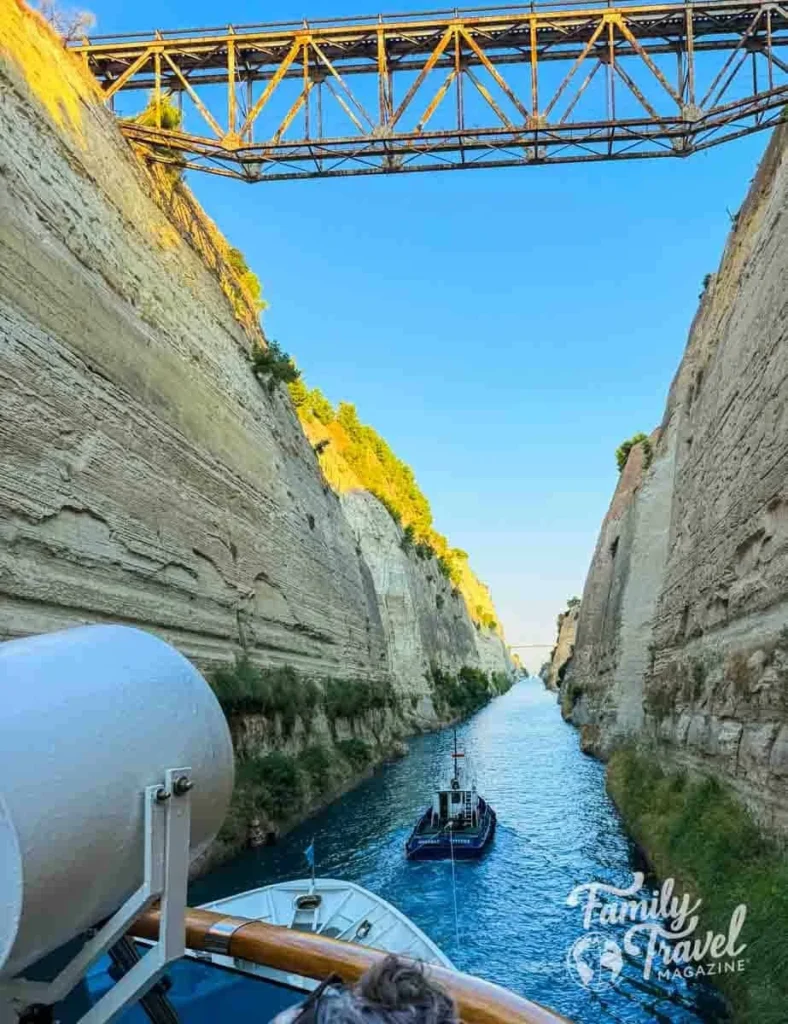
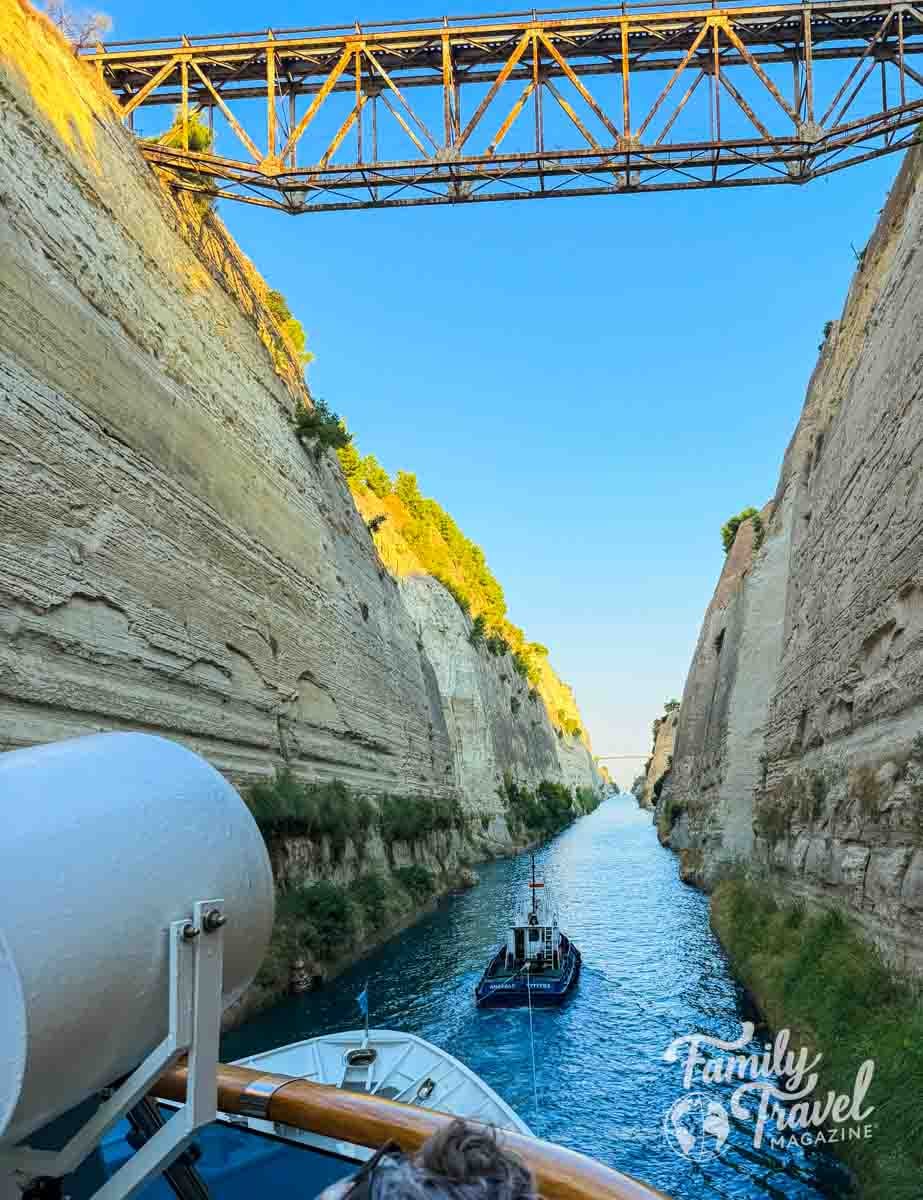
It is vital for prospective travelers to understand that while National Geographic and Lindblad Expeditions are decidedly family-friendly, they do not operate like traditional commercial cruise lines. The vessels utilized for these expeditions are notably smaller than mainstream cruise ships, built primarily for structural durability, passenger comfort, and maneuverability. This compact design allows the ships to navigate narrow passages, such as the Corinth Canal, and drop anchor in remote ports that remain entirely inaccessible to massive cruise liners.
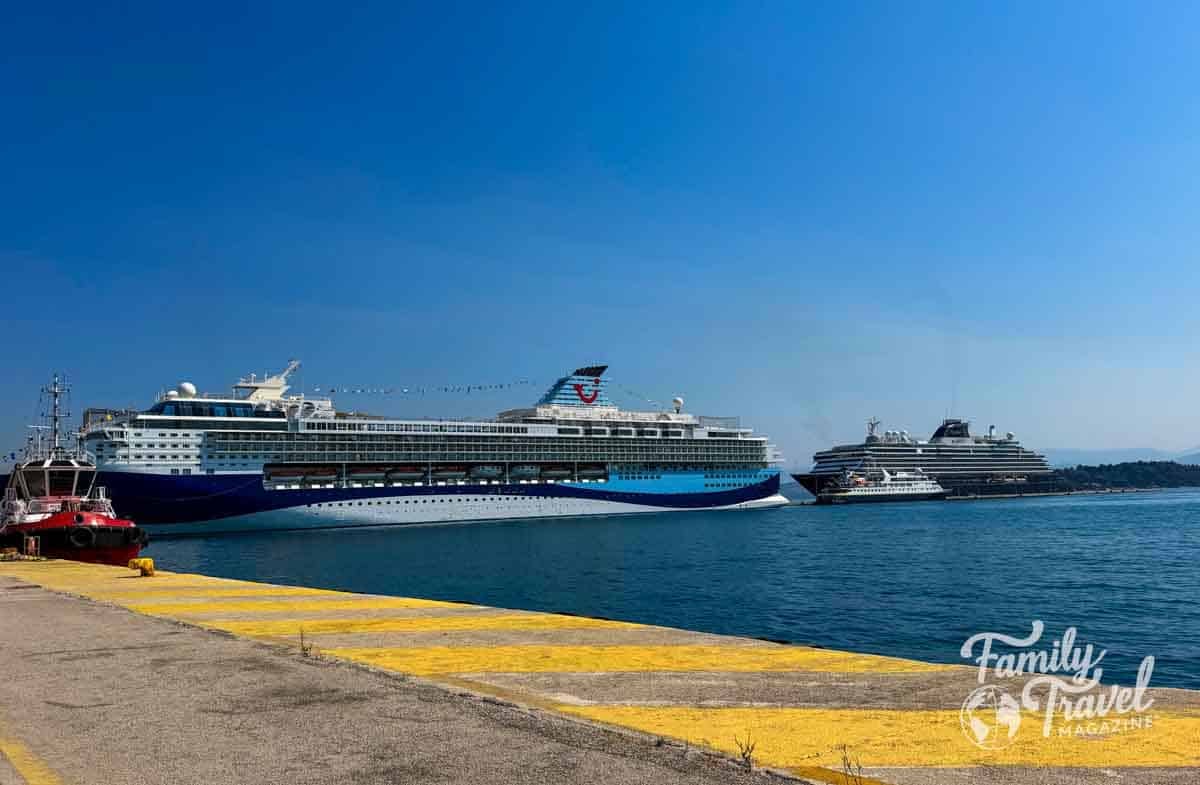
However, this specialized focus means travelers will not find the sprawling entertainment complexes typical of modern mega-ships. The National Geographic Orion and its sister vessels feature no pools, water parks, youth clubs, arcades, or dedicated sports decks. Consequently, these voyages are exceptionally well-suited for families with children and young adults who harbor a genuine curiosity for history, science, and global cultures. Because specific itineraries vary widely in their primary focus—with some routes emphasizing underwater marine ecosystems while others prioritize terrestrial history and architecture—families are encouraged to thoroughly review daily programming details before booking.
While the author notes that the experience can successfully engage older children, older tweens, teenagers, and young adults, the ultimate determining factor is not age, but temperament. A child or young adult who relies on structured youth clubs, nightly theatrical productions, and onboard recreational amenities will likely find the expedition environment unappealing, regardless of how mature they might be.
What Days Are Like on Lindblad Expeditions
Life aboard a National Geographic and Lindblad Expedition is structured around active, participatory exploration rather than passive relaxation. At each destination, passengers are typically presented with a choice of multiple shore excursions, often numbering three distinct options depending on the port of call. A few days prior to setting sail, passengers receive comprehensive documentation detailing the available excursions and their respective descriptions, allowing families to review and rank their preferences in advance. A finalized daily agenda is then distributed once everyone is safely on board.
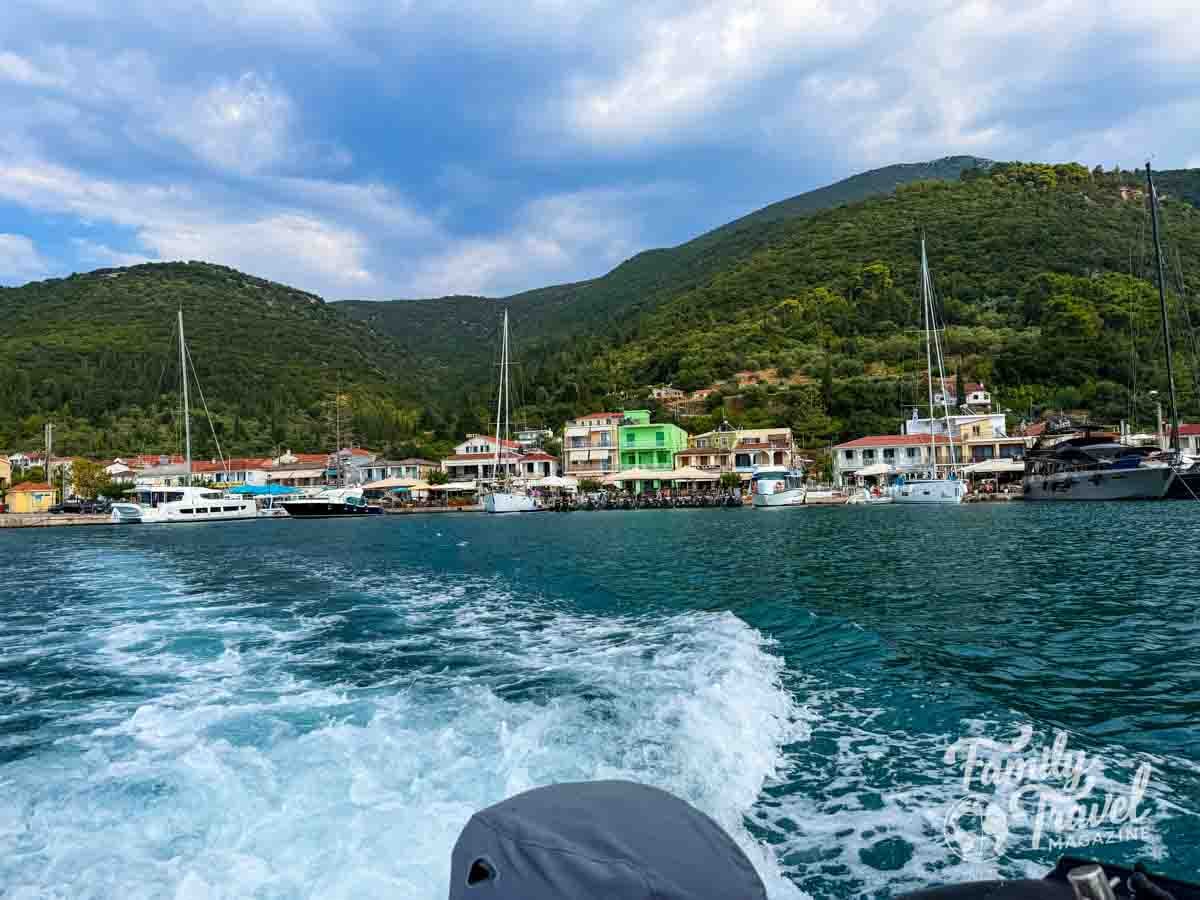
While the daily routine is not excessively strenuous, participants must be physically prepared for varied field conditions. Certain excursions demand a higher level of physical activity than others, a distinction that expedition leaders communicate clearly to passengers. Furthermore, because these vessels frequently anchor offshore rather than pulling directly up to a traditional pier, getting to land often requires boarding a Zodiac—a sturdy inflatable rubber boat. Families must ensure that all members are comfortable and capable of embarking and disembarking from these watercraft safely under the guidance of expedition staff.
A typical day on the expedition begins early with a buffet breakfast, followed by organized departures for the day’s excursions. Passengers are generally called to disembark in groups corresponding to their chosen activities, ensuring a smooth and orderly transition, particularly when boarding the Zodiacs. Depending on the itinerary and the specific port, excursions may occupy the entire day or just a few hours.
Culinary experiences are integrated closely into the daily schedule. With the exception of a few designated lunches taken ashore during extended day trips, all meals are served on the ship. Dinners follow a traditional à la carte format, served simultaneously in the main dining room. The ship maintains an open-seating policy, allowing families and individual travelers the flexibility to dine with whomever they choose each evening.
Beyond off-ship excursions, the ships host daily, optional educational lectures while underway. Led by onboard experts and specialists, these sessions cover a wide array of topics, including regional geology, marine biology, smartphone photography, and local cultural history. These enrichment lectures offer a constructive way to pass the time while transiting between destinations. Even for families traveling with young adults who maintain notoriously selective palates, the ship’s dining room accommodates diverse preferences by consistently offering familiar staples such as grilled chicken, pizza, and pasta alongside regionally inspired cuisine.
Cabins and Accommodations
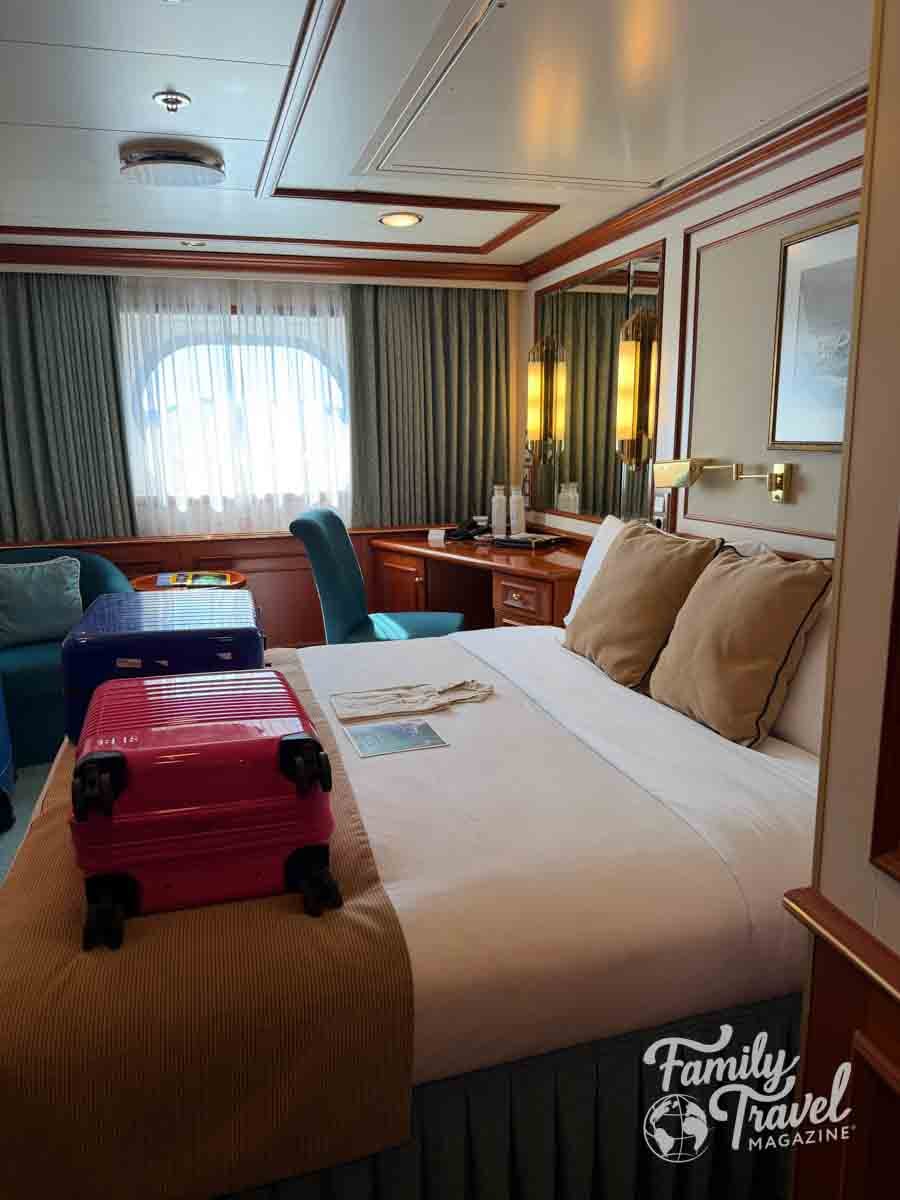
Stateroom options across the National Geographic fleet vary significantly depending on the specific vessel and the chosen room category, which is typically determined by size and deck location. On the National Geographic Orion, a family of four requires two separate staterooms to ensure adequate space and privacy.
While the staterooms on this particular ship do not feature interior connecting doors, they are situated adjacent to one another. Operating under a policy where staterooms remain unlocked from the outside unless a specific request is made, families can easily move back and forth between adjacent rooms as needed while maintaining the ability to secure their living quarters from the inside. Other vessels within the fleet may offer different configurations, including rooms that accommodate three guests or feature true connecting doors. Because passengers select their exact staterooms at the time of booking, travelers have complete clarity regarding their specific sleeping arrangements well before departure.
Financial Considerations and Evaluating Value
There is no escaping the reality that voyages with National Geographic and Lindblad Expeditions represent a substantial financial commitment. However, a significant portion of the overall cost is all-inclusive, encompassing elements that typically incur separate charges on traditional vacations. Fares generally cover all onboard meals, group excursions, standard gratuities, snacks, coffee, and most alcoholic beverages, though premium wines and spirits remain an additional expense.
For families navigating the high initial price tag, Lindblad Expeditions provides targeted resources on its corporate website, including a dedicated section for families highlighting special offers and occasional promotional discounts for children on select departures. When comparing the cost of an expedition cruise against independent land travel or conventional cruising, travel industry analysts recommend evaluating the total cumulative vacation expenditure rather than the headline booking price alone, given the extensive inclusion of guided excursions and daily activities.
Ultimately, determining whether a National Geographic Expedition is the right fit depends heavily on a family’s travel style. For those whose priorities center on education, nature, history, and hands-on cultural immersion guided by genuine subject-matter experts, ship-based expedition travel offers an exceptionally efficient way to explore complex regions without the logistical fatigue of constant domestic flights, train transfers, or long bus rides. Conversely, families who measure vacation success by the presence of large resort pools, water slides, and nightly theatrical shows will find that alternative travel models better serve their expectations.
Related News