Navigating Your Maiden Voyage: Essential Strategies and Preparations for First-Time Cruise Travelers
Article Editorial Team

Embarking on a first-ever cruise can stir a complex mixture of eager anticipation and mild apprehension. While the modern cruise industry has perfected the art of the relaxing vacation, stepping onto a massive floating resort for the very first time can undeniably feel intimidating. Fortunately, major cruise lines have streamlined the onboarding and travel process to make transitions as seamless as possible for novices. Though each cruise line maintains its own distinct culture, fleet layout, and operational approach, the overarching mechanics of preparing for a voyage remain remarkably consistent across the board.
Before committing to a specific cruise line and vessel, travel experts advise prospective passengers to conduct thorough preliminary research. Different cruise operators cater to vastly distinct demographics; certain fleets are celebrated for providing exceptional family-oriented amenities and dedicated children’s programs, while others position themselves as premier escapes tailored strictly for adult travelers. Reviewing the proposed itinerary is equally critical, alongside a careful examination of onboard entertainment, dining venues, and recreational amenities. Even when passengers plan to disembark for shore excursions on most days of the journey, a substantial amount of time will still be spent navigating the ship itself.
Essential Cruise Tips for First Timers
Booking Your Stateroom
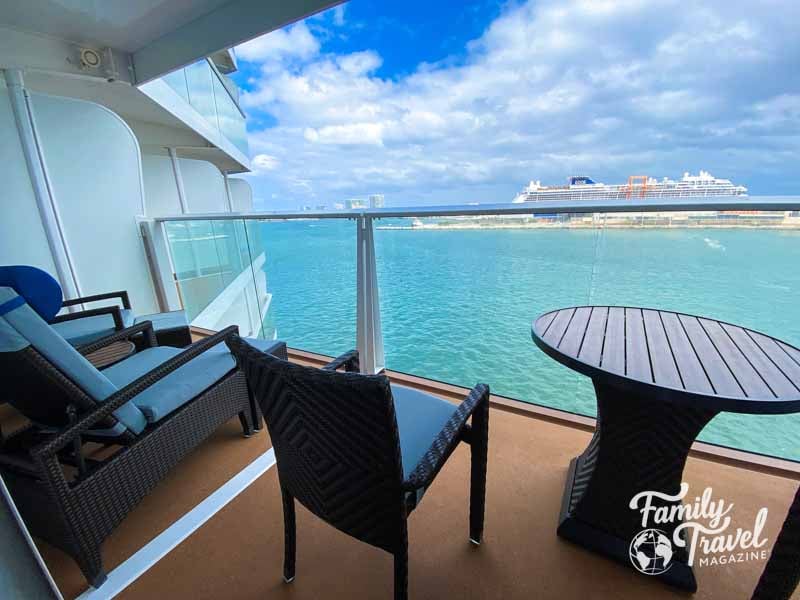
Once the ideal dates, itinerary, and ship have been selected, the next phase involves researching various stateroom categories and deck locations. While some travelers express indifference regarding their cabin’s placement on the ship, others maintain strong preferences based on proximity to elevators, dining rooms, or public decks. Industry veterans frequently advocate for oceanview balconies, noting that private outdoor space offers a peaceful retreat for enjoying open-water views.
Opting for an interior stateroom generally represents the most budget-friendly path, allowing travelers to secure passage at a lower price point. However, prospective guests must weigh whether the financial savings outweigh the absence of natural daylight and private outdoor space. Understanding the nuances of each cabin category ensures that passengers select accommodations best suited to their personal comfort levels and travel styles.

Excursions and Onboard Activities
Securing popular shore excursions and specialized onboard activities requires advance planning. The most sought-after excursions frequently sell out weeks or even months before departure. While limited availability may occasionally allow for last-minute bookings once onboard, waiting until embarkation day risks missing out entirely on desired adventures.
In addition to shore excursions, passengers must make advance reservations for specialty restaurants operating outside the main dining rooms. Most specialty dining venues carry an additional surcharge, though certain promotional packages—such as Norwegian Cruise Line’s FreeAtSea Plus—may bundle these culinary experiences into the initial fare. Booking windows fluctuate depending on the cruise line and the passenger’s standing within the cruise operator’s loyalty program.
Leveraging Cruise Communities
For many upcoming sailings, active participants frequently establish dedicated social media groups to exchange advice, coordinate meetups, and share insights. Searching a specific ship name and sail date on platforms like Facebook often reveals these informal communities, which serve as valuable repositories of peer-to-peer knowledge. While most experienced travelers simply monitor ongoing discussions for practical tips, these forums allow newcomers to pose specific questions to seasoned sailors.
Participants should exercise caution regarding the amount of personal data shared within public online spaces. Furthermore, because these groups are populated by fellow travelers rather than official corporate representatives, the advice shared should always be cross-referenced with official cruise line documentation.

Preparing Crucial Documentation
Long before the departure date arrives, travelers must verify and secure the proper identification required for their specific journey, such as a valid passport or certified birth certificate. Navigating international waters and foreign ports involves strict legal requirements, and acquiring or renewing official travel documents must be addressed well in advance of departure to prevent last-minute travel disruptions.
Managing Online Check-In
Following the initial booking confirmation, passengers are required to complete an online check-in process. The designated timelines for this procedure vary by cruise line. Typically, the process requires uploading a secure identification photograph and submitting precise passport information.
During the check-in window, guests are frequently given the opportunity to select their preferred port arrival time. Securing an early arrival slot is a priority for many travelers who wish to maximize their time on the ship by boarding as early as possible on embarkation day.
Navigating Prohibited Items
All cruise operators maintain explicit lists of prohibited items published directly on their corporate websites. Any unauthorized articles discovered during security screenings at the terminal are typically confiscated and held securely at the port until the conclusion of the voyage. To expedite the boarding process and avoid unnecessary delays at security checkpoints, passengers should pack strictly within the guidelines of approved items. Guests intending to bring personal alcoholic beverages onboard must strictly adhere to the line’s specific policies regarding permitted quantities and packaging formats.
Downloading and Testing the App
Modern cruise operations rely heavily on dedicated mobile applications designed to guide passengers throughout the voyage. Travelers are strongly encouraged to download the official cruise line app while connected to their home internet network, ensuring that login credentials function smoothly and account access is fully established prior to departure.
Once active, these digital platforms typically host the daily ship schedule, interactive deck plans, and the overall voyage itinerary. Passengers also utilize the app over the ship’s local wireless network to manage dining reservations and view onboard accounts.
Establishing Connectivity at Sea
Whether the goal is to remain digitally connected throughout the voyage or simply ensure a reliable method for checking in with family at home, evaluating connectivity options prior to departure is essential. Every cruise line provides specialized onboard wireless packages, generally made available for an additional fee, though rare exceptions exist, such as Virgin Voyages, where basic internet access is included in the baseline fare.
Travelers who prefer not to keep their mobile devices in airplane mode for the duration of the trip should consult their cellular service providers regarding international or maritime roaming packages. Many experienced cruisers choose to keep phones in airplane mode while at sea, opting instead to activate international day passes only when stepping ashore in foreign ports.
Arriving the Night Before
Unless the departure port is located within a short driving distance from home, travel professionals strongly recommend arriving at the destination city on the evening prior to embarkation. Unforeseen flight delays represent an ever-present risk in modern travel, and building an extra day into the schedule provides an essential buffer. Arriving early also allows travelers to enjoy a relaxed morning exploring the port city before heading to the terminal. In cases where airline baggage handlers misplace luggage, an extra day can mean the difference between having personal belongings ready for the cruise or sailing without essential items.
Understanding Fare Inclusions
Once onboard, passengers discover a vast array of amenities, meals, and entertainment included in the initial fare. However, certain specialty services, premium beverages, and specialized classes remain excluded and vary significantly depending on the cruise line and ticket class. Understanding these financial distinctions in advance helps travelers establish realistic spending expectations. Families traveling with children benefit from clarifying these policies beforehand to prevent misunderstandings and manage expectations regarding extra-cost attractions.
Arranging Port Transportation
Getting from a hotel or airport to the cruise terminal requires advance logistical planning for those not driving their own vehicles. While select cruise lines offer dedicated motorcoach transfers from major airports directly to the port for an additional fee, independent options such as rideshare services or private car rentals are frequently utilized. Travelers must evaluate these transportation methods based on cost, convenience, and equipment needs, such as the requirement for child safety seats.
Preparing for Embarkation Day
Embarkation day combines high excitement with bustling terminal crowds, making patience and preparation essential. Upon arrival at the port terminal, passengers hand their larger bags over to baggage porters for delivery to their staterooms. Properly attaching printed luggage tags supplied by the cruise line in advance, along with having cash available for customary porter tips, ensures a smooth drop-off. Keeping vital paperwork, including passports and boarding passes, readily accessible in a secure hand folder is crucial for passing through terminal security and check-in desks efficiently.

Packing an Essential Day Bag
Because staterooms are generally not accessible until the mid-afternoon hours, and checked luggage may not arrive outside cabin doors until late afternoon or early evening, passengers should pack a dedicated carry-on day bag. This bag should contain critical documents, medications, valuable electronics, sunscreen, and any immediate change of clothing needed to enjoy the first afternoon onboard comfortably.
Managing Port Days
Visiting diverse international ports offers some of the most memorable moments of a cruise vacation, but each stop requires thoughtful preparation. Passengers participating in organized shore excursions should review logistical details ahead of time, noting required attire, such as closed-toe shoes or swimwear, and verifying exact meeting times and locations.
For those venturing out independently, maintaining strict awareness of the ship’s departure schedule is paramount. Cruise ships operate on strict schedules and will not wait for independent travelers who fail to return to the pier by the designated all-aboard time. Families traveling with young children who require regular naps must also factor the rigid timing of shore excursions into their daily planning.
Navigating Disembarkation Day
The final morning of a cruise brings structured procedures for leaving the vessel. Passengers receive detailed instructions outlining specific departure groups and timeframes. Those who utilize luggage assistance must place their tagged bags outside their stateroom doors on the final evening of the cruise.

Crucial items necessary for the final morning—including a change of clothing, essential medications, valuables, and toiletries—must be retained by the passenger, as checked bags will not be accessible again until travelers clear terminal customs. When booking return flights, travelers are strongly advised to adhere to the conservative timing recommendations provided by the cruise line. These recommended departure windows account for potential clearance delays or unexpected port inspections by maritime authorities, ensuring passengers reach the airport without undue stress.
Related News