Navigating the Voluntary Carbon Market: How Experts Define High-Quality, Verified Offsets Amid Growing Scrutiny
Article Editorial Team
The voluntary carbon market has faced unprecedented scrutiny in recent years, with critics and scientists alike raising critical questions about whether the carbon credits purchased by corporations and travelers actually translate to real, measurable, and permanent emissions reductions. As the demand for credible climate solutions accelerates, navigating the complex landscape of carbon offsets requires a deeper understanding of the rigorous quality assurance principles, independent verification standards, and modern digital tools reshaping the industry.
Not all carbon offsets are created equal. Historically, gaps in monitoring and overly optimistic baselines have threatened the integrity of certain projects. In response, standard-setting bodies, independent watchdogs, and auditing firms are spearheading a comprehensive overhaul of how carbon credits are evaluated, issued, and monitored.
Carbon Offset Verification Standards
Independent verification standards form the bedrock of the voluntary carbon market, establishing strict rules for how climate mitigation projects generate, quantify, and verify their environmental impact. To issue legitimate carbon credits, a project must adhere to methodologies defined by recognized standards and undergo rigorous, impartial assessments by third-party auditors. This multi-layered oversight helps prevent fraud and inflated claims, fostering transparency and trust among buyers while ensuring that every credit delivered corresponds to a real environmental benefit.
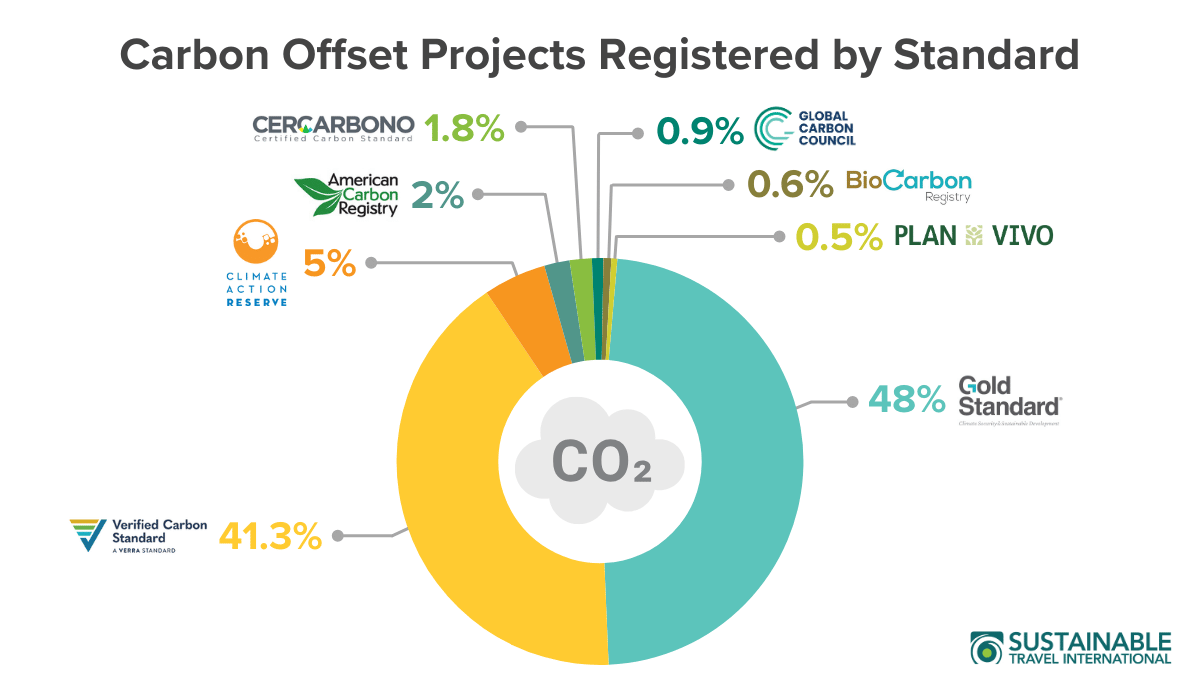
Several established standards dominate the voluntary carbon market, each with its own specific focus, methodology, and scope. The Verified Carbon Standard (VCS), overseen by Verra, represents a massive share of registered projects globally, offering comprehensive frameworks for forestry, renewable energy, and industrial processes. Close behind is the Gold Standard, which places an exceptionally high emphasis on sustainable development and measurable community co-benefits alongside carbon mitigation.
Other prominent registries include the American Carbon Registry (ACR) and the Climate Action Reserve (CAR), both of which have long histories of rigorous protocol development, particularly in North American forestry, agriculture, and waste management. Plan Vivo focuses heavily on community-led land-use, forestry, and agriculture projects, integrating local populations directly into the stewardship of natural resources. Meanwhile, newer standards such as Puro.earth and Carbon Standards International have emerged to support innovative engineered carbon removal technologies, including biochar and direct air capture, addressing the growing need for durable, permanent atmospheric carbon storage.
Key Principles of High-Quality Carbon Offsets
Verification standards go far beyond simply checking whether a project reduces emissions; they interrogate the fundamental reliability and integrity of those reductions. Industry experts evaluate projects against several foundational concepts to ensure environmental accountability.
The first core principle is additionality. This examines whether a project would have occurred anyway without the financial incentive provided by carbon credit sales. If a renewable energy facility or forest conservation initiative would have been financially viable and constructed regardless of carbon financing, the resulting credits are generally deemed non-additional.
Another critical pillar is permanence, which measures how long carbon remains out of the atmosphere. Biological sinks like forests and mangroves face risks such as wildfires, disease, or policy changes, which could prematurely release stored carbon back into the environment. To address this, high-quality standards utilize pooled buffer reserves, requiring projects to set aside a percentage of their issued credits to cover potential reversals.
Furthermore, projects must guard against leakage—the risk that reducing emissions in one location inadvertently causes emissions to increase elsewhere, such as when deforestation simply shifts to an unprotected adjacent forest. High-quality projects mitigate these risks by adhering to conservative estimation methodologies, comprehensive monitoring plans, and rigorous buffer mechanisms.
Project Co-Benefits and Ecosystem Value
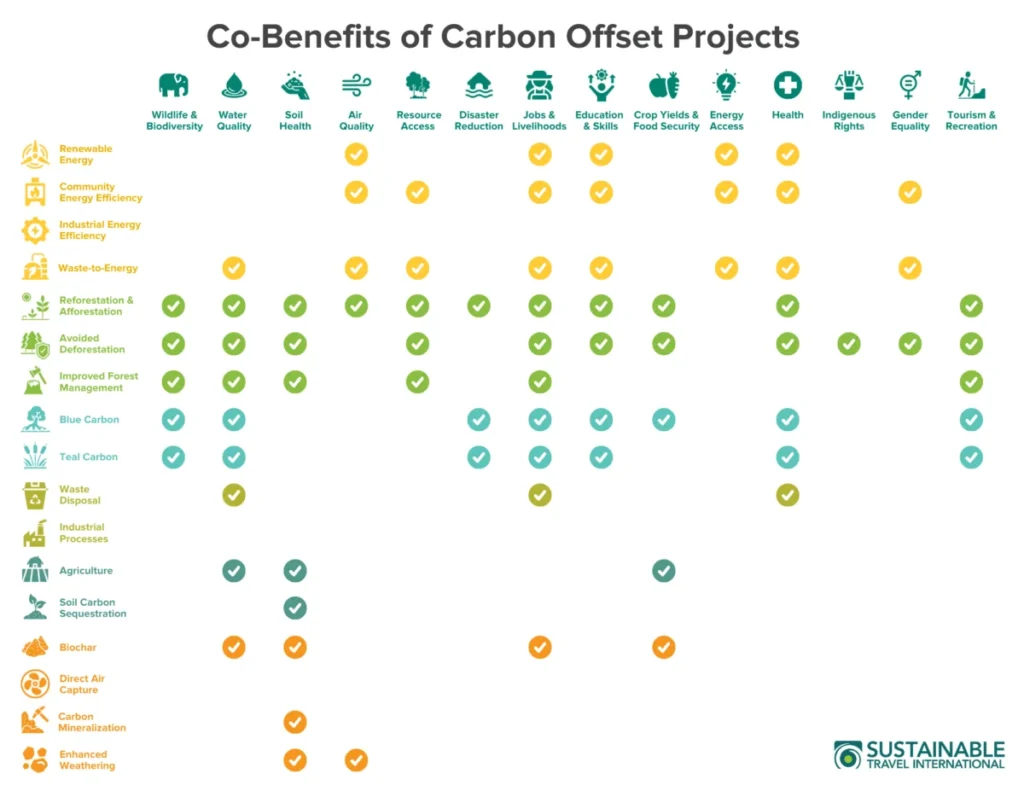
Beyond their direct impact on greenhouse gas emissions, many carbon offset projects deliver significant secondary advantages known as co-benefits. These benefits support local communities, biodiversity, and regional economies, though their scale and nature vary widely depending on project design and location.
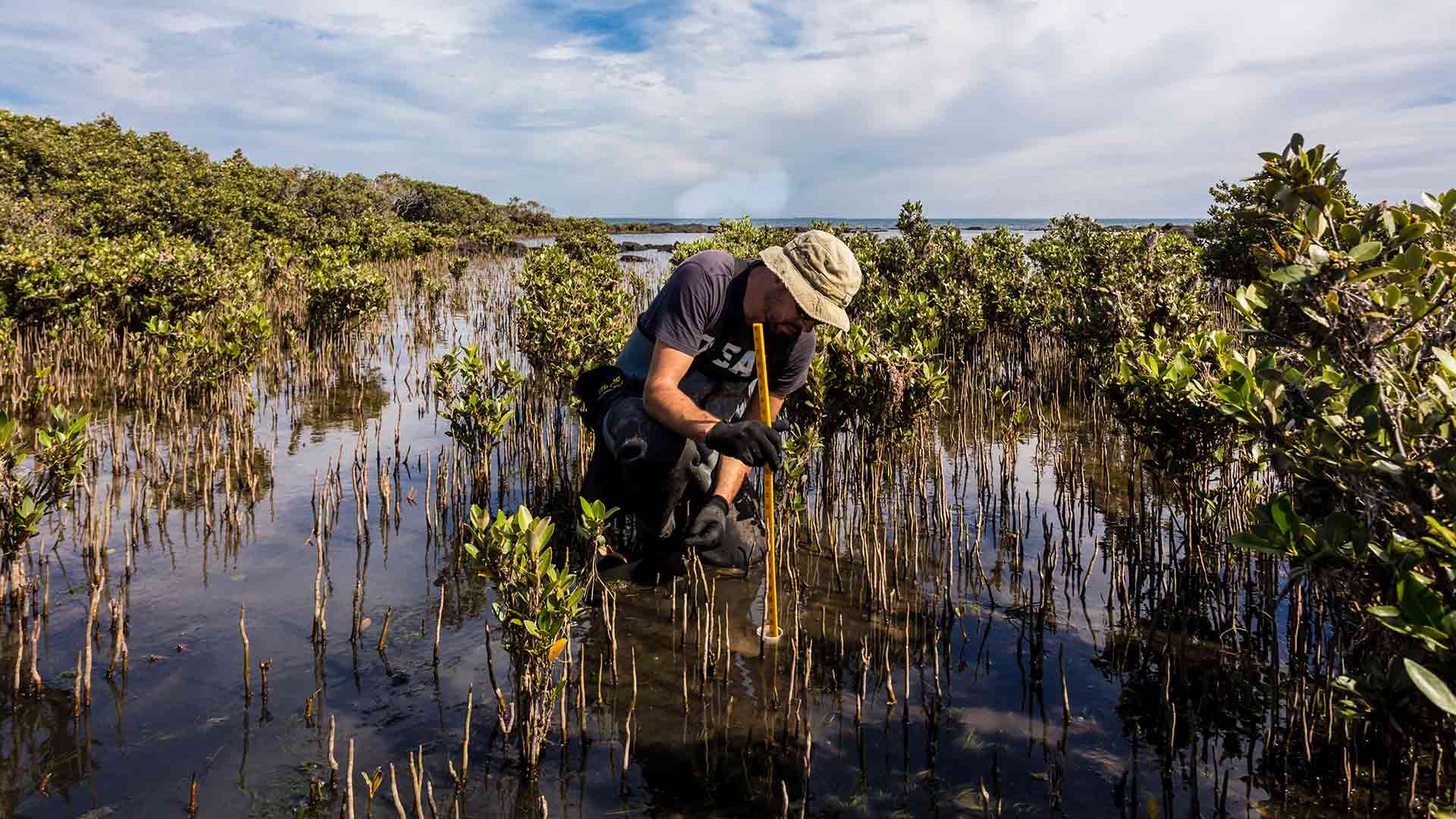
Forestry and land-use initiatives frequently protect endangered species habitats, safeguard critical biodiversity corridors, and secure land rights and resource access for Indigenous and local communities. By improving healthcare, education, and sustainable livelihoods, these projects often tackle poverty, which is frequently a root driver of land degradation and deforestation. Similarly, blue carbon projects—which focus on coastal ecosystems like mangroves, seagrasses, and salt marshes—safeguard coastlines from severe storms and erosion while supporting vital fisheries and marine-based livelihoods.
Energy projects, particularly those deploying clean cooking technologies or decentralized renewables in underserved regions, expand reliable energy access and drastically improve indoor air quality. This yields profound health outcomes, disproportionately benefiting women and children who are most exposed to household air pollution.
Technical and industrial projects, while effective at capturing emissions at the source, typically offer fewer localized social co-benefits. While co-benefits alone do not determine the baseline environmental quality of a credit, examining them alongside carbon performance provides a holistic view of a project’s true value.
Strengthening Oversight and Accountability in the Carbon Market
As scientific understanding, data availability, and technology evolve, the frameworks governing carbon offsets are rapidly modernizing. Standards regularly update their methodologies to eliminate historical vulnerabilities. For instance, Verra’s revised methodology for avoided deforestation addresses longstanding concerns regarding over-crediting driven by inflated baseline projections. Rather than permitting individual projects to establish bespoke baselines, the updated framework implements standardized, region-wide data models to ensure consistency and credibility.
Concurrently, technological innovations are revolutionizing monitoring and verification practices. Digital Measurement, Reporting, and Verification (DMRV) tools—including high-resolution satellite imagery, remote sensors, automated smart meters, drones, and mobile applications—enable real-time tracking of project performance. This technological leap allows auditors and project developers to detect changes on the ground rapidly and maintain unprecedented transparency.
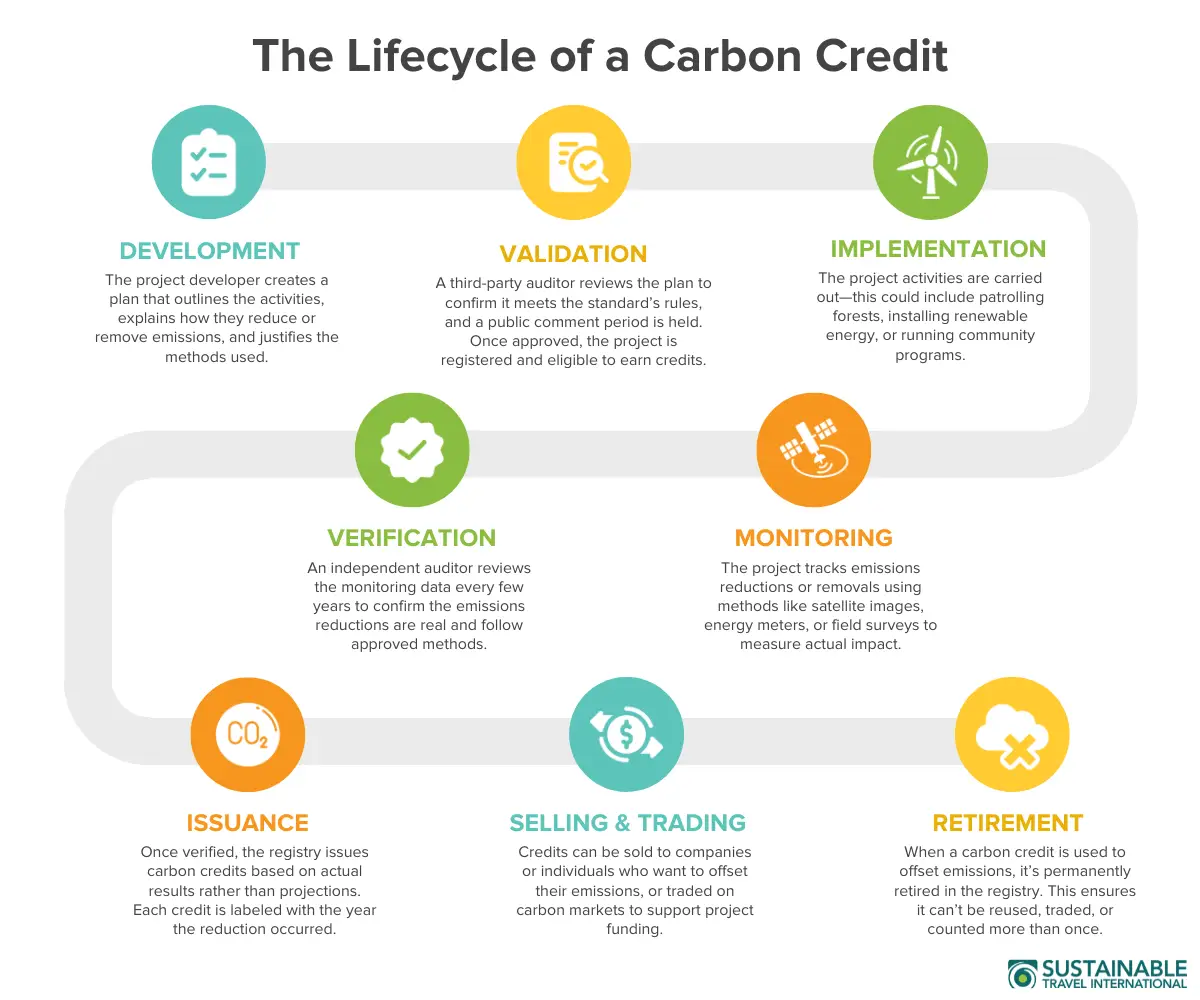
Additional accountability is being driven by independent watchdogs like the Integrity Council for the Voluntary Carbon Market (ICVCM). The ICVCM evaluates existing carbon standards and crediting methodologies against its stringent Core Carbon Principles, awarding a recognized quality label only to credits meeting rigorous thresholds for climate impact, governance, and environmental integrity. Complementing these institutional watchdogs, independent rating agencies such as Sylvera provide continuous, data-driven scoring of individual projects based on additionality, permanence, and co-benefits.
Ultimately, identifying high-quality carbon offsets involves scrutinizing how a project is verified, whether its climate results are permanent and additional, and how it supports ecosystems and local communities. Through rigorous internal due diligence processes and independent evaluations by ratings providers, organizations and travelers can support credible, high-impact climate initiatives designed to drive meaningful environmental progress.
Related News