Navigating Zurich: Essential Transit, Solo Travel Insights, and Conscious Exploration for Visitors
Article Editorial Team
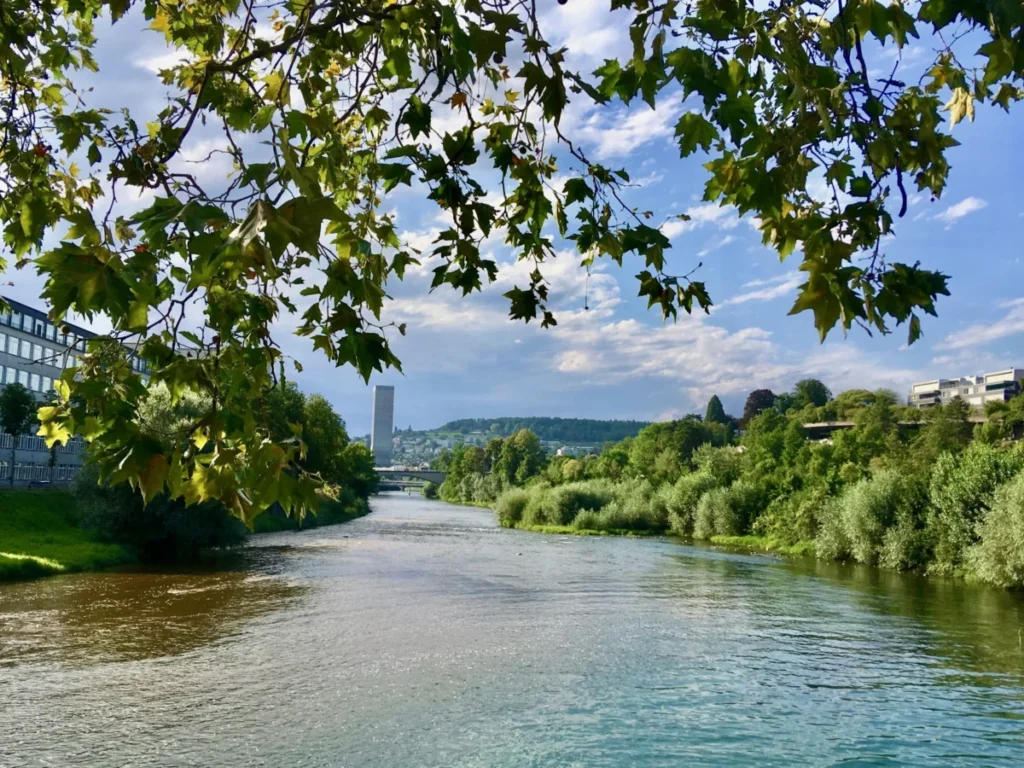
Switzerland is globally renowned for its remarkably efficient and punctual transport network, and while Zurich is not an overwhelmingly massive metropolis, its seamless infrastructure makes getting around both intuitive and effortless. For travelers navigating the city on foot, Zurich offers a compact, pedestrian-friendly layout that bridges urban sophistication with scenic beauty. However, when feet grow tired from exploring the historic cobblestone alleys, the city’s extensive public transit system steps in to provide comprehensive coverage across all districts.
Trams serve as the backbone of urban mobility in Zurich, running throughout the entire day from the early hours of 5:00 AM until 12:30 AM. Covering significantly more ground than the municipal trains, trams are the most practical method for zipping between central sights and outlying neighborhoods. Travelers planning multiple return journeys within a single day can bypass individual ticket purchases by opting for a convenient day pass available directly at any tram stop.
For those who prefer an alternative to the rails, Zurich’s bus network offers a reliable backup plan operating daily from 5:00 AM until midnight. Tickets must be purchased in advance at designated bus stops before boarding. Visitors seeking a structured overview of the municipality can also utilize a two-hour sightseeing bus tour, which offers a comprehensive introduction to the city’s primary architectural and cultural landmarks.
Travelers planning an extended stay ranging from 24 to 72 hours often find significant value in acquiring a Zurich Card. This city pass grants holders unlimited second-class travel on public transport alongside free or reduced admission to many of Zurich’s premier museums. Meanwhile, visitors looking to venture beyond the city limits to explore the broader Swiss landscape can utilize the Swiss Travel Pass, which unlocks unlimited travel across Switzerland’s national rail, bus, and boat networks, including scenic routes such as the Glacier Express. Solo travelers frequently praise Zurich as an ideal launchpad for regional excursions, noting that the Bernese Oberland and Jungfrau regions are easily accessible for day trips into the heart of the snow-capped alpine mountains.

Seamless Arrivals from Zurich Airport
For international and regional arrivals touching down at Zurich Airport, transitioning to the city center is remarkably straightforward. The most efficient route into the city is via the underground rail system, with trains departing every few minutes from the subterranean station located directly beneath the airport shopping center. The journey to Zurich Hauptbahnhof (Zurich HB) takes approximately 10 to 15 minutes. Tickets can be purchased conveniently via the SBB mobile application or at station ticket machines, and the transit cost is fully covered for holders of the Zurich Card. For visitors preferring private transport, traditional taxis wait outside the Arrivals terminal, with fares typically ranging between 50 and 80 Swiss Francs. Alternatively, pre-arranged transfer services offer a reliable and secure meet-and-greet option for independent travelers seeking peace of mind upon arrival.
Onward Travel and Regional Connections
Zurich serves as one of Central Europe’s most vital transportation hubs, anchoring a Swiss rail system widely celebrated for its precision and breadth. Travelers departing the city for destinations across Switzerland or neighboring European countries can utilize the central Hauptbahnhof station, where regional trains and municipal trams interconnect seamlessly. Tickets for onward journeys can be acquired at self-service kiosks located throughout the station concourse. For comprehensive multi-day itineraries, the Swiss Travel Pass—available in durations ranging from three to fifteen days—provides extensive access to national rail, bus, and boat networks, alongside a 50 percent discount on most alpine cable cars and complimentary entry to hundreds of museums nationwide.
Essential Safety and Travel Insurance Considerations
While Zurich consistently ranks among the safest urban environments in Europe for solo travelers and visitors alike, standard travel precautions remain advisable. Travelers are encouraged to remain vigilant against opportunistic pickpocketing in crowded areas, particularly around the central railway station, and to exercise minor caution around the Langstrasse district during late-night hours.
Unforeseen travel disruptions, medical emergencies, and luggage delays make comprehensive travel insurance a prudent investment for any itinerary. Specialized providers cater specifically to various geographic demographics and travel styles, offering flexible policies that can even be purchased after a trip has already commenced. These coverages ensure that visitors remain protected against medical expenses and unexpected logistical hurdles throughout their stay in Switzerland.

Conscious Tourism and Social Impact in Zurich
Modern tourism increasingly intersects with social responsibility, and Zurich offers numerous avenues for visitors to ensure their time and spending contribute positively to the local community. Initiatives like "OFF Ort für Frauen" provide a welcoming, secure environment and everyday community support for refugee and migrant women and their children, welcoming donations and volunteer engagement from socially conscious travelers.
Similarly, the "Züri rollt" program enables visitors to rent city bicycles free of charge while directly supporting a local cause. Run by AOZ, Zurich’s official asylum organization, the initiative provides meaningful work experience and employment integration for refugees and job seekers. Pedestrians and cyclists exploring the scenic shores of Lake Zurich can thus engage in sustainable tourism with a clear community benefit.
Despite Switzerland’s exceptional wealth and high standard of safety, gender-based safety challenges persist. Data from comprehensive regional surveys commissioned by human rights organizations indicate that a notable percentage of women and girls in the country have experienced forms of sexual violence, with only a small fraction formally reporting incidents to law enforcement. Acknowledging these societal realities has prompted various travel platforms and foundations to allocate portions of their proceeds toward supporting vulnerable women and girls globally.
Frequently Asked Questions
Is Zurich safe for solo female travellers?
Yes, Zurich is widely recognized as one of the safest cities in Europe for women traveling independently. Standard urban awareness is advised, particularly regarding pickpockets in crowded transit hubs and vigilance around the Langstrasse nightlife district during late hours.

Where is the best area to stay in Zurich for solo travellers?
The historic Old Town (Altstadt) and the Niederdorf district place visitors within comfortable walking distance of major cultural sights. Those seeking vibrant nightlife gravitate toward Kreis 4 and 5, while Seefeld and Enge offer a quieter atmosphere adjacent to the lake.
How many days do you need in Zurich?
A three-night stay is generally considered ideal, allowing sufficient time to explore the urban center, enjoy lakeside parks, and undertake a regional day trip to destinations like Uetliberg or the Rhine Falls.
Is Zurich expensive?
Zurich maintains a reputation as one of the most expensive cities globally. Visitors often manage costs by utilizing the Zurich Card, taking advantage of free city bicycle programs, dining on local supermarket provisions, and enjoying public lakeside swimming areas during the warmer months.
How do I get from Zurich Airport to the city centre?
Frequent regional trains connect the airport basement directly to Zurich Hauptbahnhof in 10 to 15 minutes, with fares included for holders of the Zurich Card.
Related News