Historic Florentine Palazzo Transformed Into Exclusive Luxury Residence, Redefining High-End Travel in the Oltrarno
Article Editorial Team
Who says you can’t teach an old palazzo new tricks? That is precisely the question being answered in Florence’s historic Oltrarno neighborhood, where a grand 15th-century structure has been thoughtfully reimagined into an exclusive, high-end hospitality destination known as La Réserve Firenze. Spearheaded by Grégory Marciano and his wife, Olivia, the property represents a major shift in how affluent travelers experience Italy’s Renaissance capital—blending centuries-old architectural heritage with contemporary, understated luxury and complete privacy.
Debuting this fall, La Réserve Firenze sits just a short, 10-minute stroll from the iconic Piazza della Signoria, where the legendary Medici family once ruled over the republic. Yet, despite its proximity to the city’s political and cultural epicenter, the property feels worlds away from the relentless tourist mobs and bustling crowds that congest the busier side of the Arno River. Here, visitors find themselves immersed in a quieter, deeply authentic urban fabric that reveals a different side of Florentine daily life.
"This is a street where Florentine people live," notes Grégory Marciano, who relocated his family to the Tuscan capital from Paris in 2019. Driven by a desire to integrate seamlessly into the local community, the couple acquired the historic building, which had previously served as a fragmented warren of simple studios utilized by foreign art and architecture students. Rather than converting the landmark into a conventional hotel with a bustling lobby and shared corridors, the Marcianos chose a far more exclusive path.

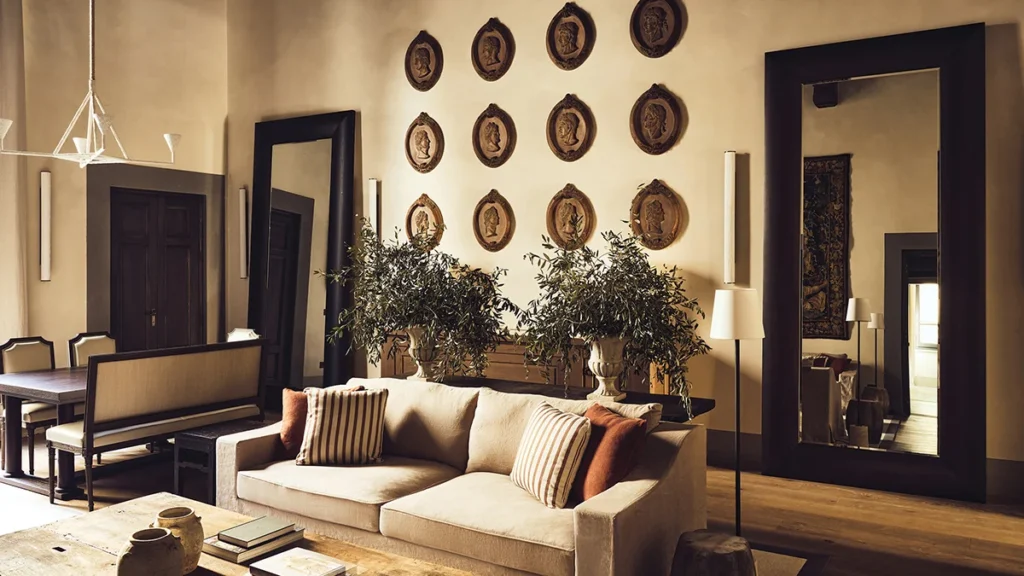
They transformed the sprawling structure into just six generously sized, fully serviced apartments. To execute their vision, the couple enlisted the renowned French design firm Gilles & Boissier, known for their sophisticated, contemporary aesthetic. The designers approached the historic building with extreme sensitivity, preserving original structural elements—such as dramatic stone archways and centuries-old ceiling frescoes—while layering in comfortable, refined modernist design.
The resulting aesthetic is both striking and discreet. La Réserve Firenze is meticulously designed with ultimate privacy in mind, making it an ideal sanctuary for high-profile travelers who prefer to bypass the social friction of traditional hotel lobbies, as well as for newlyweds embarking on extended honeymoons. Beyond the physical accommodations, the concept is deeply rooted in how wealthy Italians genuinely savor la dolce vita. "If you really want to experience living like a Florentine family right now, this is very similar," Marciano explains. The couple has even extended this philosophy to their private family villa nearby—a historic estate that previously belonged to a member of the storied Gucci family—making its private tennis court available to guests seeking an extra layer of exclusive recreation.
This residential, high-touch hospitality model is not merely a passing trend; it directly reflects the evolving demands of sophisticated, seasoned travelers. According to Andrea Grisdale, chief executive officer and founder of Italy-focused travel specialist IC Bellagio, modern luxury clients are increasingly shifting away from standardized hotel stays in favor of independent living backed by bespoke, 24-hour convenience.

"We’ve got those people that say, ‘I want my apartment, but I want somebody who’s going to bring me a Coca-Cola at two o’clock in the morning,’" Grisdale observes. Furthermore, visiting Florence during the quieter offseason—when properties like La Réserve Firenze shine brightest—offers a rare portal into authentic local culture that is nearly impossible to access during the peak summer tourist months. Dining at a renowned local restaurant during the height of summer, for instance, rarely affords the kind of leisurely, personal connection where an owner sits down at the end of a meal to share a glass of limoncello.
To help travelers capture this elusive sense of local belonging, Grisdale and her team of expert guides have curated a select hit list of recommendations designed to offer a genuine Tuscan experience away from the standard tourist trail. Among them is Cibrèo, a classic Florentine dining institution that intentionally bypasses expected pasta dishes in favor of elevating rustic peasant fare—such as stuffed pigeon—into the realm of fine dining.
For coffee aficionados, the historic city center hosts Dinicaffè, notable as the only coffee roaster operating within the heart of historical Florence, where visitors can tour the roasting facilities and purchase bags of single-source beans. For an aperitivo, Giacosa 1815 stands out as a historic meeting place long heralded as the birthplace of the Negroni, maintaining an inviting atmosphere that frequently draws guests back after dinner for a traditional digestivo. Finally, for those looking to experience Florence’s legendary leather craftsmanship, Il Bisonte connects buyers directly with goods handcrafted by local artisans working within a tight 19-mile radius of the boutique.

With nightly rates starting from approximately $1,500, La Réserve Firenze and its surrounding neighborhood offerings signal a broader evolution in luxury travel, proving that the most memorable journeys are often found where contemporary comfort meets deeply rooted local traditions.
Related News