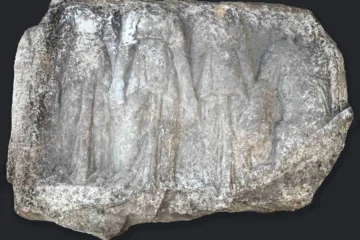
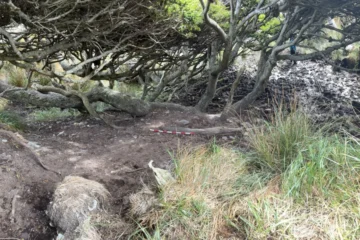
Rare 2,800-Year-Old Bone Flute and Bronze Age Idol Head Unearthed at Ancient Troy
Article Editorial Team
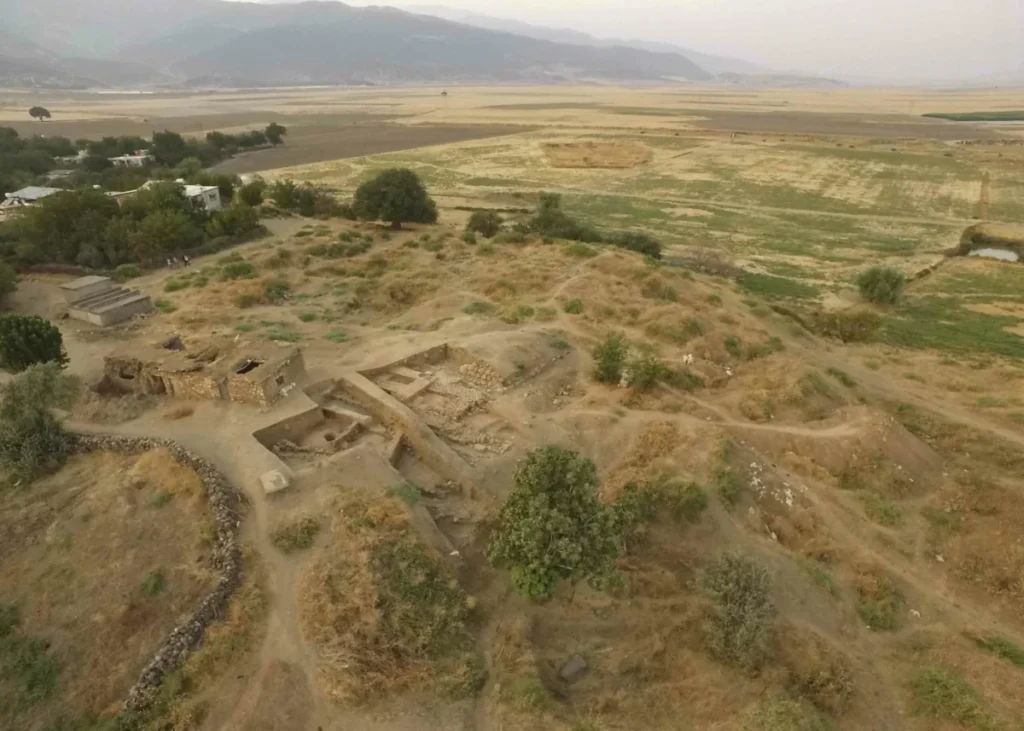
ÇANAKKALE, TURKEY — Archaeological excavations at the legendary site of Hisarlık in western Anatolia—universally recognized as the ancient city of Troy—have yielded extraordinary new insights into the daily life, culture, and artistic expression of the settlement’s ancient inhabitants. According to recent reports, researchers working at the historic archaeological site have uncovered a delicate fragment of a bone flute dating back approximately 2,800 years.
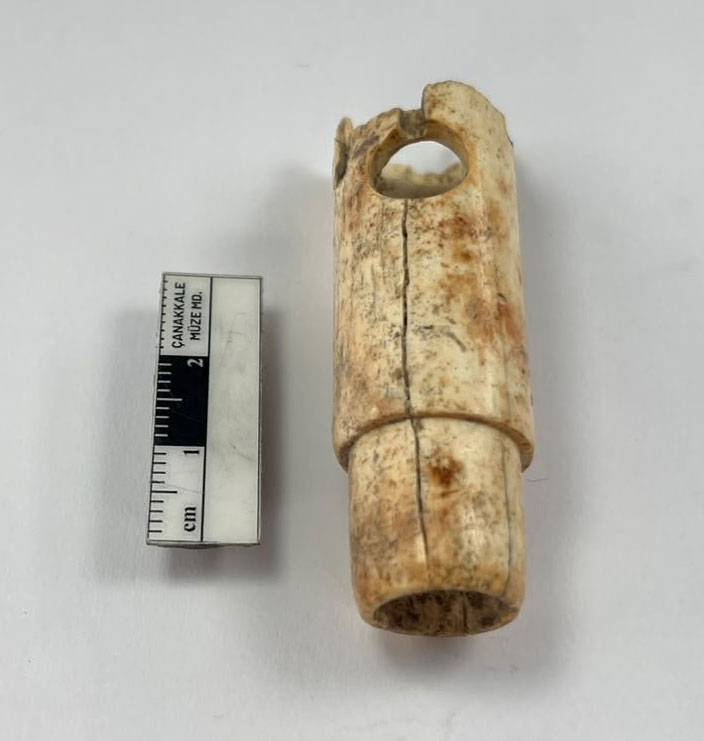
The significant discovery marks a milestone in the long history of excavations at the UNESCO World Heritage site. Speaking on the find, Turkish Minister of Culture and Tourism Mehmet Nuri Ersoy revealed that the artifact represents the very first musical instrument ever discovered within the sprawling ruins of Troy. While decades of painstaking archaeological work have brought to light monumental fortifications, domestic architecture, weapons, and pottery associated with the legendary city’s many layered historical phases, the sound of ancient music has remained conspicuously absent from the material record until now.
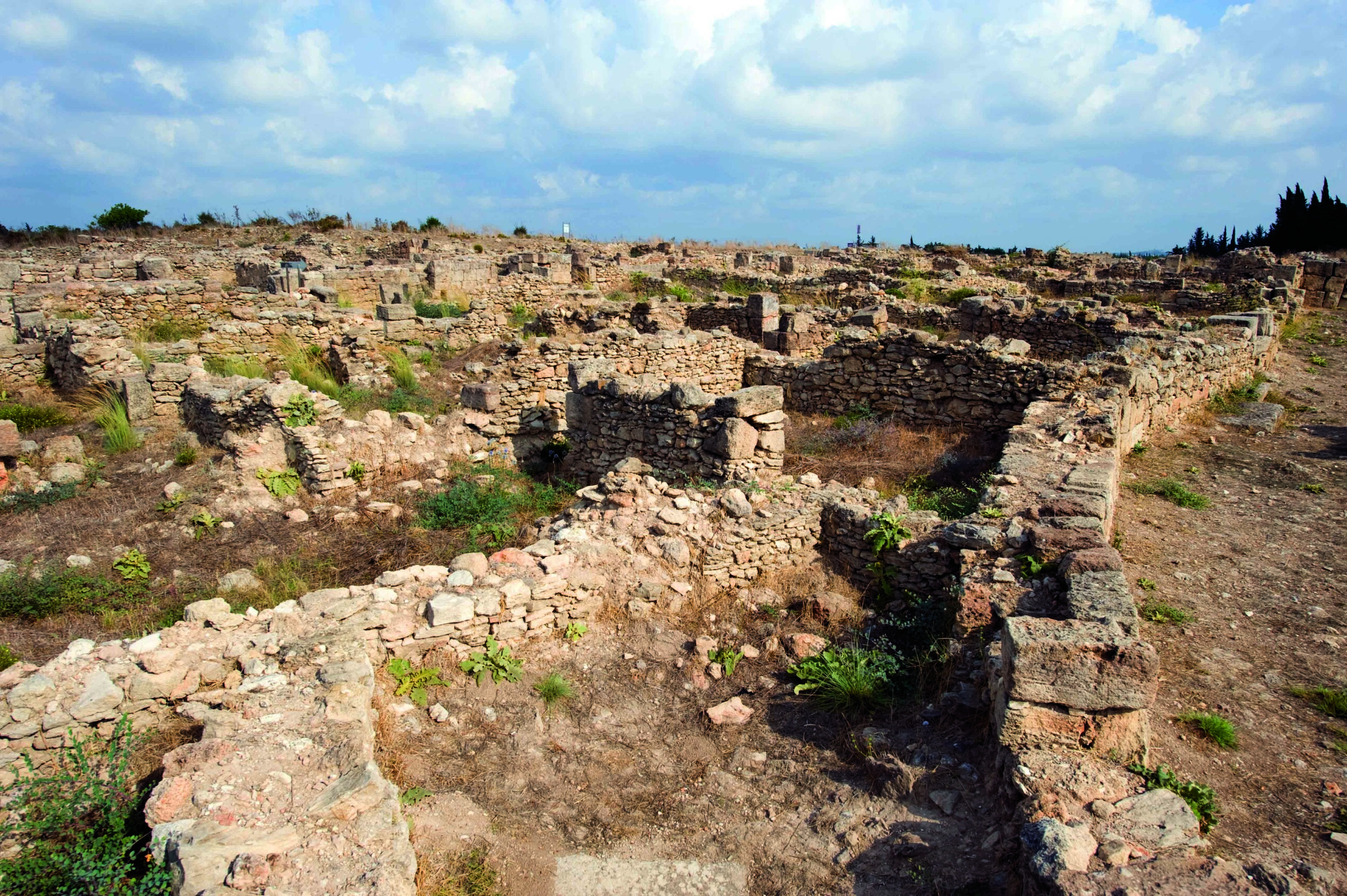
The bone flute fragment offers a tangible link to the auditory world of the ancient city’s inhabitants during a turbulent and transformative period of its history. Approximately 2,800 years ago places the artifact roughly within Troy’s post-Bronze Age phases—an era when the site continued to be inhabited and reconfigured following the famous conflicts and societal shifts that have made the name Troy immortal in Western literature and mythology. Though the flute is preserved only as a fragment, its very existence confirms that music, entertainment, and artistic performance played a role in the daily lives of the people who walked the streets of ancient Troy during the early first millennium BCE.
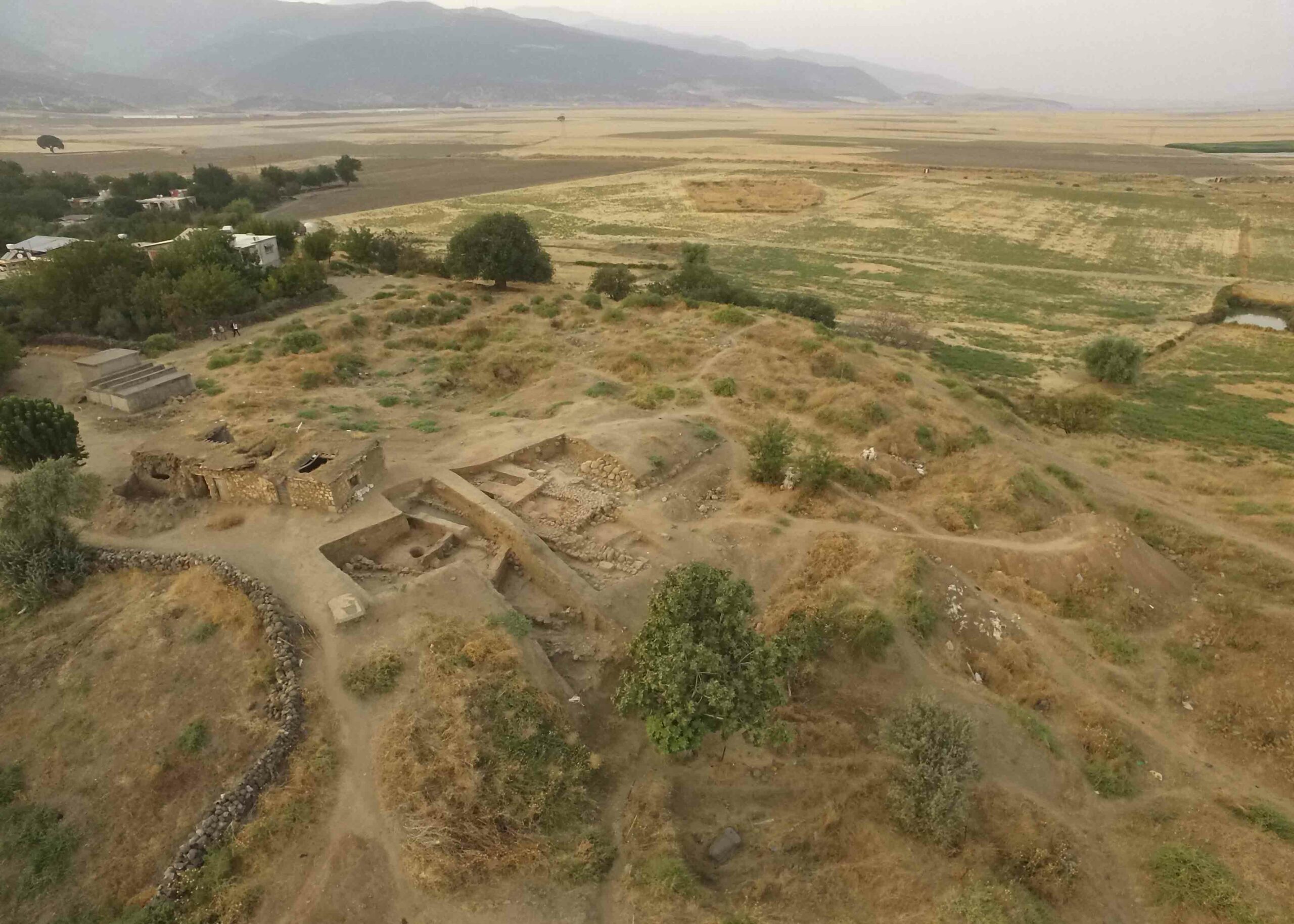
This musical discovery was not the only notable find announced by the Culture and Tourism Ministry. In an earlier phase of the settlement, deep within the stratified layers of the ancient mound, researchers working near the site of a historic city gate uncovered another remarkable artifact: the human-shaped head of an idol originating from the Early Bronze Age, dating back approximately 4,500 years.
The juxtaposition of these two artifacts—one a delicate, functional instrument from a later epoch, and the other a stylized, ancient sculptural head from the dawn of urban civilization in the region—underscores the incredible chronological depth of Hisarlık. The site is famous among archaeologists for its complex stratification, featuring dozens of distinct occupation layers spanning thousands of years, from early prehistoric settlements through the height of the Bronze Age, the Greek and Roman periods, and into the Byzantine era.
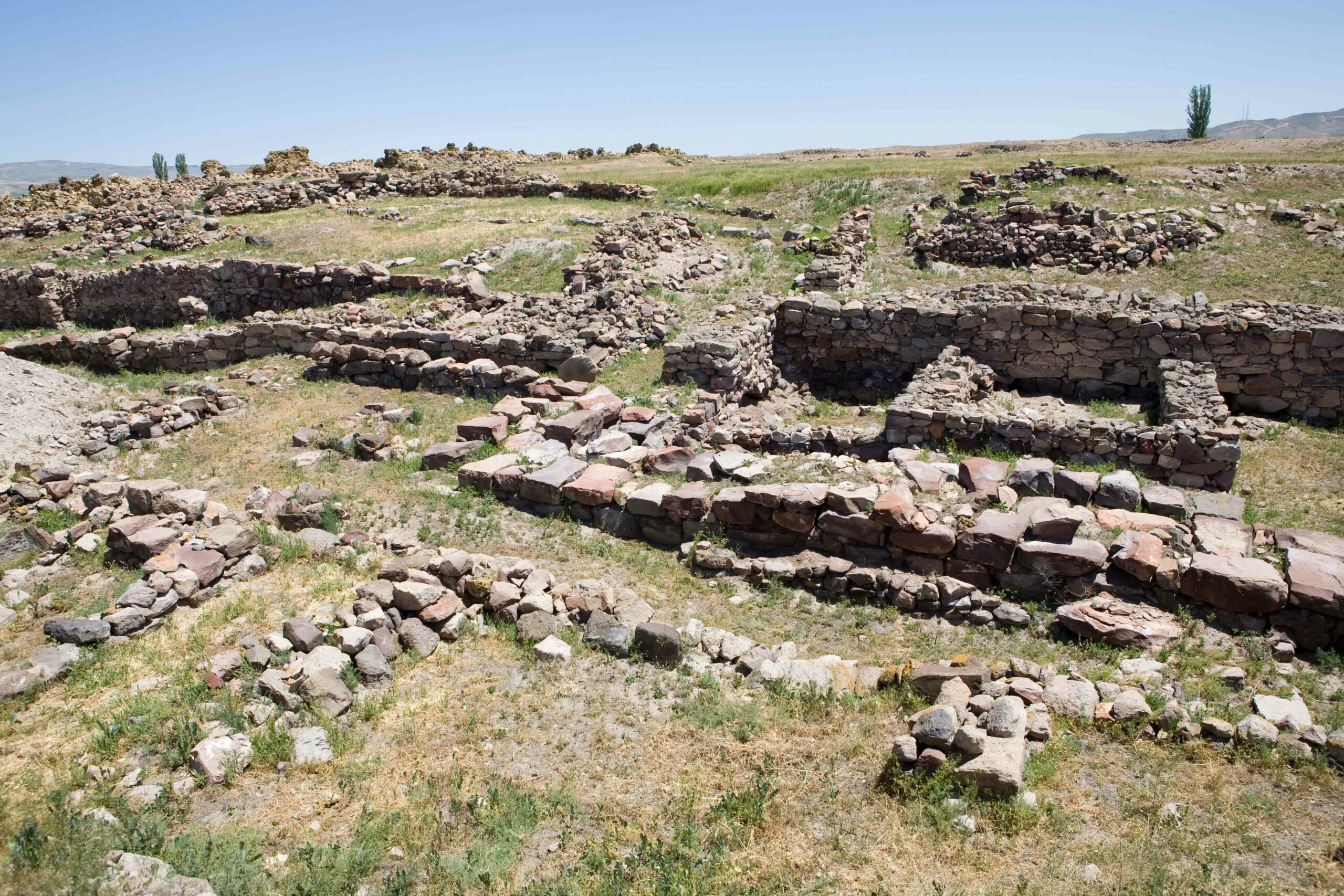
Minister Ersoy noted that both the 2,800-year-old bone flute fragment and the 4,500-year-old Early Bronze Age idol head will be thoroughly evaluated by teams of conservation experts, historians, and archaeologists. These evaluations will aim to determine the precise manufacturing techniques, material origins, and functional contexts of both pieces, shedding further light on the craftsmanship and symbolic practices of ancient Anatolian societies.
As excavation seasons continue to peel back the layers of Hisarlık, discoveries such as these remind researchers and the public alike that Troy was not merely a stage for epic poetry and legendary warfare, but a vibrant, living city inhabited by generations of people who created art, played music, and crafted objects of profound cultural meaning.
Related News