Hidden in Plain Sight: Thracian Temple in Bulgaria Reveals Decades of Defiance Against Roman Christianization
Article Editorial Team
IVAYLOVGRAD, BULGARIA — Deep in the rugged landscapes of southeastern Bulgaria, near the winding banks of the Arda River at a site known as Balak Dere, archaeologists have uncovered the physical remnants of a quiet yet profound cultural resistance. According to reports from La Brújula Verde, researchers working at the location have identified a remarkably preserved Thracian temple dating back to the third century A.D. Built during a turbulent era when the classical world was undergoing massive socio-political and religious transformations, this sanctuary appears to tell a story of extraordinary longevity and defiance.
Far from falling silent when imperial edicts reshaped the spiritual landscape of the Mediterranean and beyond, the people who maintained this remote shrine seemingly continued to practice their ancient pagan rites for decades—and perhaps even generations—after such traditions had been strictly outlawed by imperial decree.
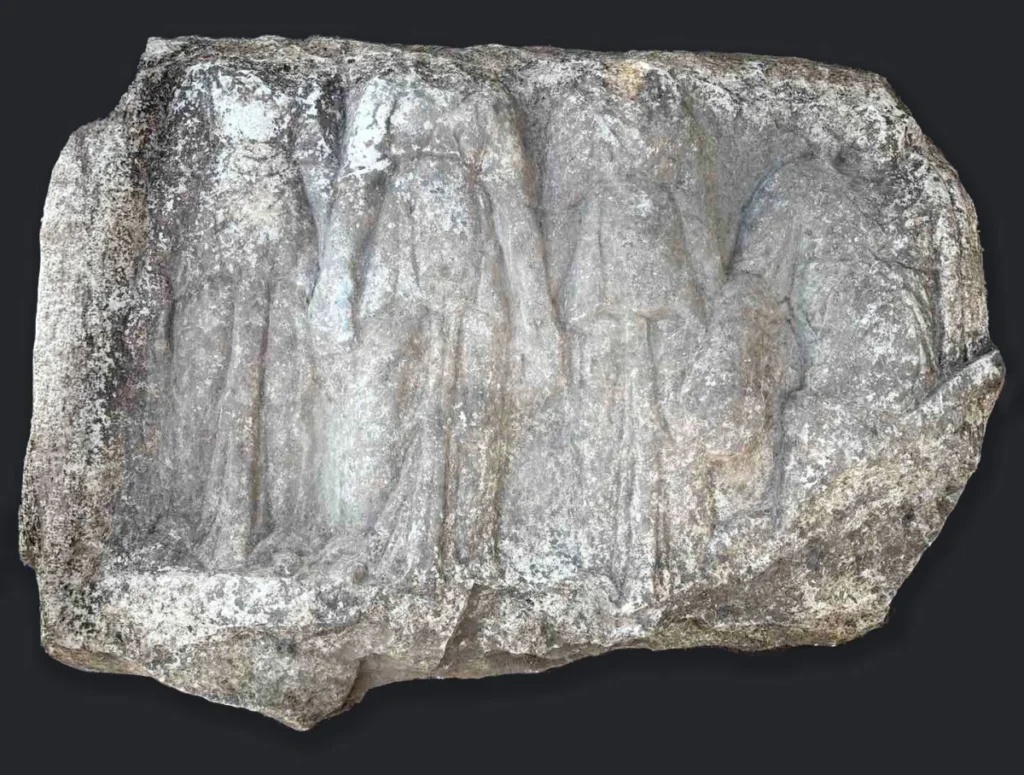
The structural and artistic details emerging from the Balak Dere excavation offer a rare window into the religious life of rural populations on the fringes of the Roman Empire. Among the most significant finds at the site is a delicate marble stele or relief sculpture, which specialists believe depicts a trio of revered nymphs alongside Cybele, the ancient Anatolian mother goddess. Cybele, a deity associated with fertility, earth, and wild nature, held a prominent place in the syncretic religious traditions of the ancient Thracians, blending indigenous beliefs with broader Greco-Roman pantheons.
Ivaylo Kanev of Bulgaria’s National Museum has shared insights regarding the chronology and utilization of the sacred space. According to Kanev, architectural and artifactual evidence strongly suggests that local communities continued to conduct pagan rituals and ceremonies at the Balak Dere temple well into the middle of the fifth century A.D. This persistence is all the more striking when placed in its historical and legislative context. In A.D. 392, the Roman Emperor Theodosius I issued a sweeping series of decrees that formally outlawed traditional pagan worship throughout the empire, closing ancient temples, extinguishing sacred fires, and criminalizing sacrifices to the old gods.
Yet, as the archaeological record at Balak Dere demonstrates, the sweeping reach of imperial edicts often fractured against the realities of geography, local devotion, and regional isolation. While imperial authorities in Constantinople could legislate the official religion of the state, enforcement in the provinces—particularly in rugged, heavily forested or mountainous terrains like those surrounding the Arda River—was uneven at best. For the communities gathered around the Balak Dere shrine, the pull of ancestral traditions, seasonal agricultural rites, and devotion to the nymphs and the mother goddess proved far stronger than the theological mandates of a distant emperor.
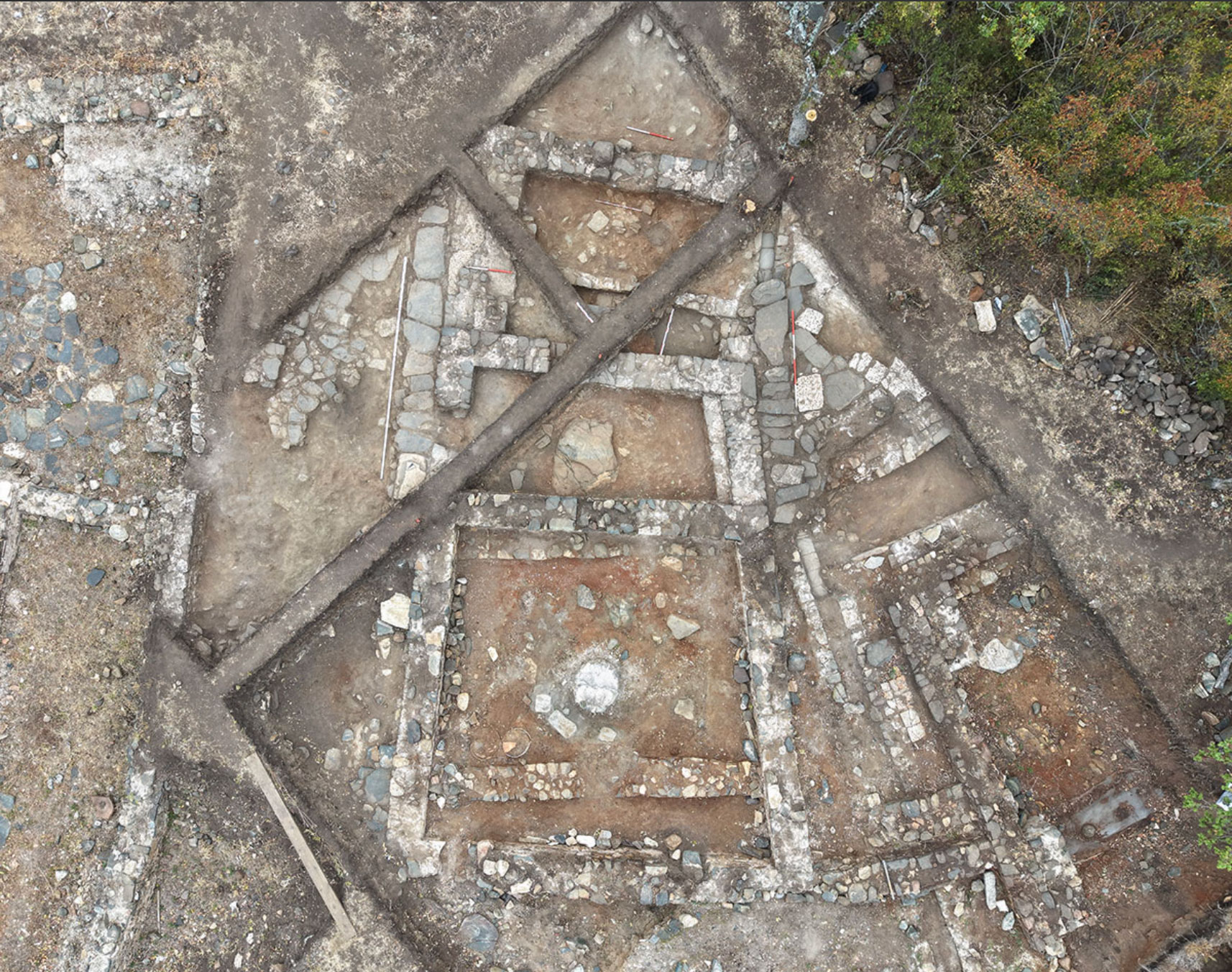
The architecture of the temple itself provides vital clues regarding how these forbidden rituals were structured and experienced by the ancient worshippers. Measuring approximately 49 feet in length, the stone building was carefully laid out in a linear plan featuring three distinct rooms seamlessly linked by interior doorways. Each chamber appears to have served a specific, ritualistic purpose, reflecting a sophisticated understanding of sacred space that endured long after its construction in the third century.
The largest of the three interconnected rooms housed the temple’s primary focal point: a permanent altar where priests and worshippers would gather to offer prayers, libations, and sacrifices. Moving from the expansive main hall into the middle chamber, archaeologists found architectural and contextual indicators suggesting that this intermediate space was specifically dedicated to the performance of sacrificial rites. The third and final room likely functioned as a secure storage area, a sacred treasury designed to hold the myriad offerings, votive objects, and tokens left behind by devoted pilgrims who traveled to the shrine to seek the favor or protection of the deities.
Adding weight to the identification of the shrine’s primary spiritual focus, Kanev noted a distinct hydraulic feature discovered during the excavation process. A carefully engineered water channel runs entirely around the perimeter of the building. In classical and regional archaeology, such water management systems are characteristic of a nymphaeum—a monument or shrine consecrated to the nymphs, minor female deities typically associated with natural features such as springs, brooks, and flowing waters. Given the temple’s proximity to the Arda River and the symbolic importance of water in both Thracian and Greco-Roman fertility rites, the presence of the channel reinforces the interpretation that the site was deeply tied to water-based spirituality and veneration of the natural world.

Despite its resilience through decades of imperial prohibition, the history of the Balak Dere temple ultimately ended in destruction. Excavators have identified a distinct, extensive burned layer blanketing the ruins of the sanctuary. This layer of char and ash indicates that the temple eventually succumbed to a violent fire, bringing a definitive, dramatic halt to the clandestine religious practices that had persisted within its walls for generations. Whether the fire was the result of an accidental blaze, a natural disaster, or a punitive expedition by Christian authorities enforcing the anti-pagan laws of the fifth century remains a question for ongoing research.
The discovery at Balak Dere contributes to a growing body of archaeological evidence demonstrating that the transition from paganism to Christianity in the Roman Empire was far from a sudden, uniform event. Across various provinces, subterranean persistence, covert domestic shrines, and hidden rural sanctuaries allowed ancient traditions to survive underground for decades after official suppression. Just as recent excavations at sites like Aphrodisias have uncovered evidence of secret rites dedicated to Cybele conducted within private homes, the Balak Dere temple illustrates the enduring power of ancient religious identities in the face of institutional change.
As analysis of the marble stele, the architectural layout, and the surrounding stratigraphic layers continues, researchers at Bulgaria’s National Museum and associated institutions hope to glean further details about the daily lives, ritual habits, and final moments of the community that kept the fires of the old gods burning along the Arda River long after the law commanded them to go out.
Related News