Ancient Fingerprints Reveal Women, Children, and Apprentices Built China’s Terracotta Army
Article Editorial Team
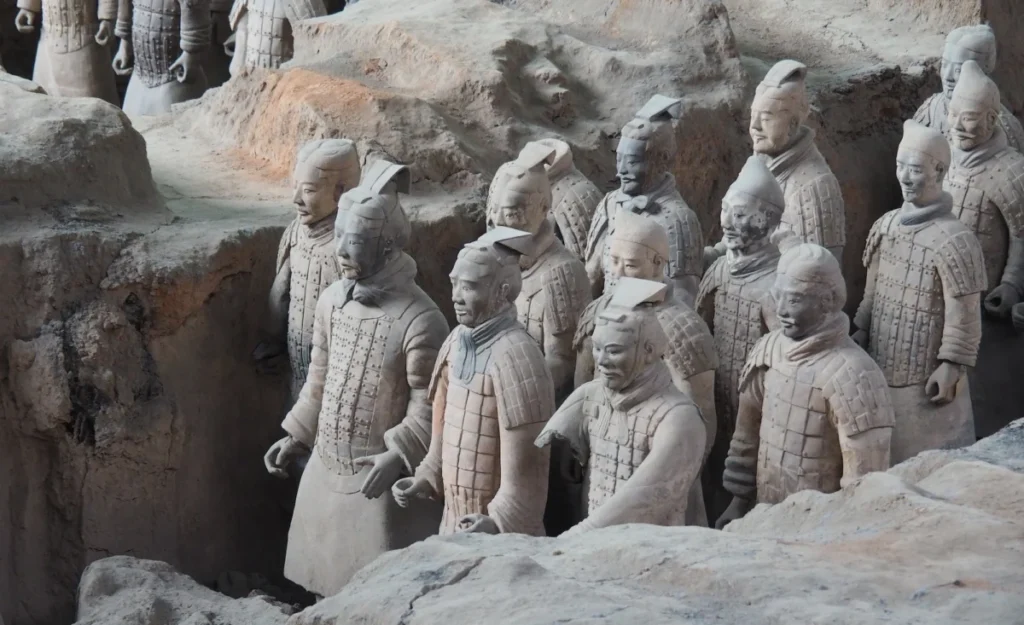
XI’AN, CHINA — For nearly half a century, the monumental Terracotta Army guarding the tomb of China’s first emperor has stood as a symbol of supreme imperial might, meticulous military organization, and state-directed industrial scale. Discovered in 1974 by local farmers digging a water well roughly a mile from the 2,200-year-old burial mound of Emperor Qin Shihuangdi, the massive archaeological complex has continuously captivated scholars and the public alike. Composed of approximately 8,000 distinct soldier statues—each featuring uniquely individualized facial expressions, elaborate hairstyles, and detailed armor—the army was long presumed to be the exclusive product of an all-male workforce of specialized artisans and conscripted laborers overseen by the imperial court.
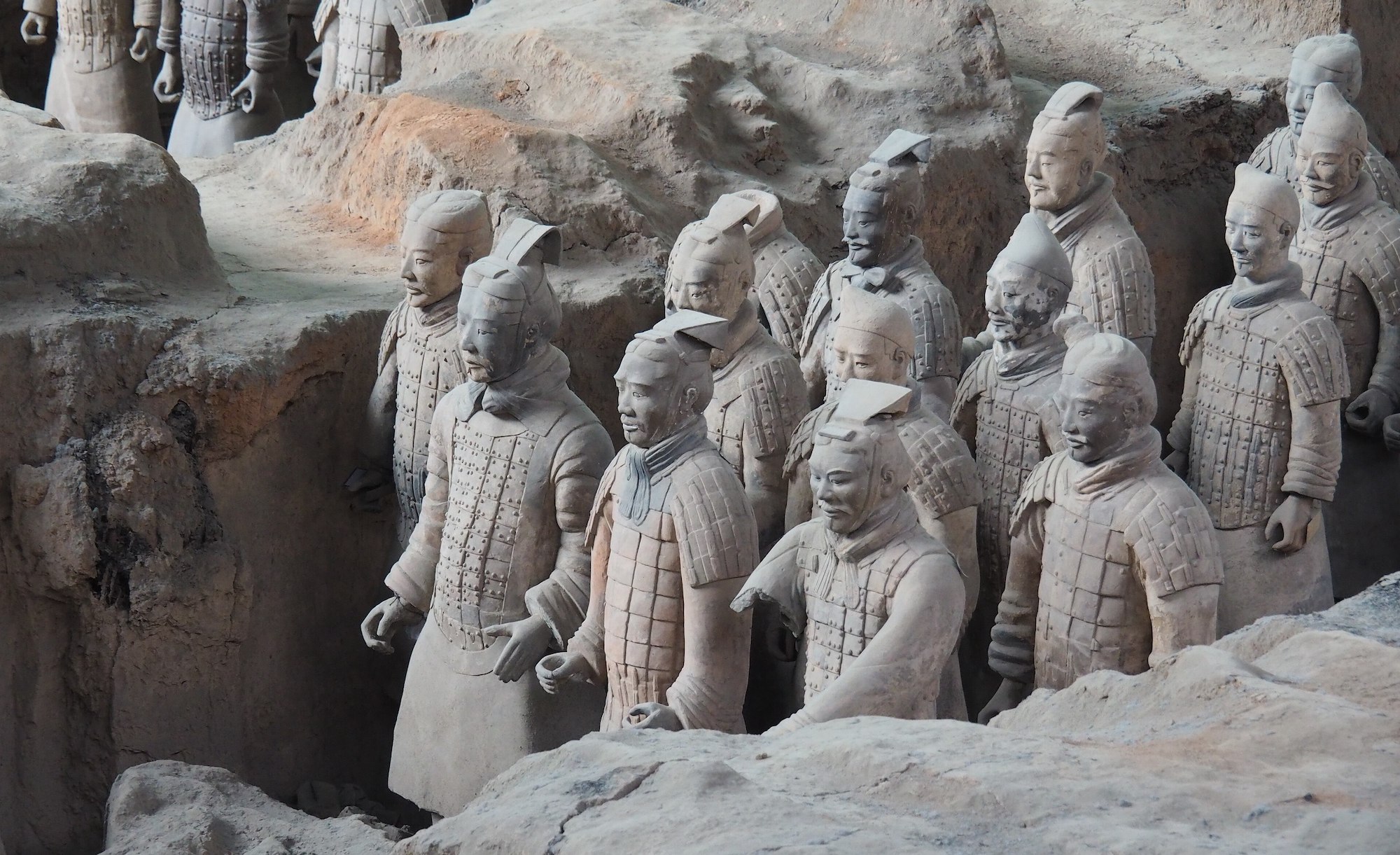
However, a groundbreaking new analysis of microscopic fingerprints preserved within the clay of these ancient sculptures is dramatically rewriting that historical narrative. According to recent findings published in Science Alert, researchers examining a sample of warriors from the monumental site have discovered that the hands that molded, shaped, and decorated China’s legendary afterlife army belonged not just to adult men, but also to women and children.
The study, which surveyed 36 warrior statues recovered from a single pit within the vast burial complex, identified a total of 91 fingerprints embedded in the clay. Before conducting their demographic analysis, the research team carefully screened the data to account for single individuals who may have left multiple impressions across the sculptures. Twelve of the prints were excluded from the final demographic assessment because they appeared to come from creators who had touched the statues repeatedly during the manufacturing process.

Of the 79 remaining unique fingerprints, the overwhelming majority—73 in total—were left behind during the foundational phases of production, specifically while the clay was being molded, shaped, and assembled. A spatial distribution analysis revealed that most of these production-stage prints were concentrated on the heads and arms of the warriors, areas that required careful modeling and structural stabilization before the clay dried and fired. The remaining six fingerprints were identified in locations associated with the final finishing and decorating process, appearing specifically on the miniature nails and the intricate waistbands of the soldiers’ armor.
To determine the demographic profile of the individuals who left these impressions millennia ago, the researchers employed an advanced mathematical model. This methodology relies on the biological fact that the spatial distances between the epidermal ridges of human fingerprints correlate closely with biological sex and age. By measuring these ridge breadths, forensic and archaeological scientists can reconstruct a statistical profile of the hands that interacted with the raw clay before it was subjected to the intense heat of ancient kilns.
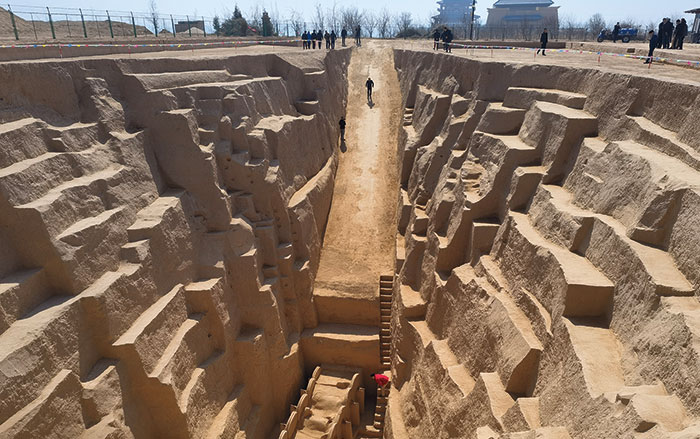
The results of the mathematical modeling challenge fundamental assumptions about ancient Chinese labor organization. The analysis indicates that approximately 45 percent of the analyzed fingerprints belonged to adult men, aligning with the traditional historical expectation. However, a significant 32 percent of the prints were attributed to women, while roughly 22 percent belonged to children under the age of 15.
These young individuals, likely teenagers or younger adolescents, may have been integrated into the massive imperial workshop system as apprentices. Such a practice is well-documented in surviving Qin Dynasty administrative records, which detail formal structures for training youths in various state-sponsored crafts.
Xiaoxi Li of the Emperor Qin Shihuang Mausoleum Site Museum highlighted the profound implications of these physical traces for our understanding of ancient history. These findings challenge the long-held assumption that Terracotta Army production relied exclusively on adult male labor, offering a more nuanced and inclusive picture of the vast human network required to construct the emperor’s subterranean realm.
The discovery underscores how micro-archaeological techniques, such as forensic fingerprint analysis, can recover the lost voices and identities of ordinary people from the archaeological record. While historical texts often focus heavily on the decrees of emperors and the actions of elite administrators, the clay of the Terracotta Army preserves the direct physical touch of the diverse populace—men, women, and children alike—who labored in the shadow of the First Emperor more than two millennia ago.
Related News