Iran Air Confident Sole Boeing 747 Will Fly Again Following Historic Heavy Maintenance in Tehran
Article Editorial Team
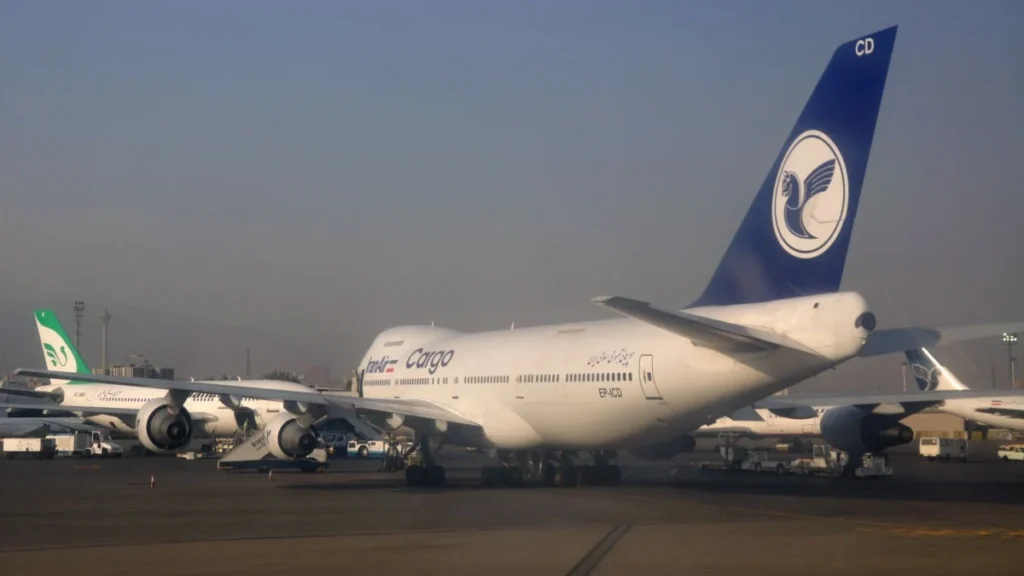
Keeping a commercial fleet operational remains a formidable undertaking for Iran Air under the best of circumstances, as decades of stringent Western sanctions force the carrier to rely on an aging lineup of aircraft. The challenges facing the airline and the wider commercial aviation sector in Iran have intensified significantly, with the country navigating the compounding pressures of geopolitical tensions, military attacks, and further trade restrictions. Yet, despite these formidable headwinds, Iran Air remains confident that its sole remaining Boeing 747 will soon return to the skies following a critical milestone in domestic aircraft maintenance.
The aircraft in question, a venerable Boeing 747-200 Combi bearing the registration EP-ICD, last operated a commercial flight in mid-September. Airline officials have now confirmed that the quadjet will be grounded for several months as it hits the mandated cycle threshold for heavy maintenance checks. According to reports from industry outlets such as aeroTELEGRAPH, this maintenance period marks a historic first for the airline and the country, as it represents the first time such an extensive heavy maintenance procedure—including a comprehensive D-check—is being performed entirely within Iran.
Multiple Months of Maintenance
The plans regarding EP-ICD were made public on Telegram by Iran Air CEO Taher Abdolhai following a press conference discussing the carrier’s operational hurdles. Work on the aircraft commenced in late September. Despite the immense complexity of heavy checks and the rarity of executing such specialized procedures domestically under current regulatory and supply constraints, the airline projects that the legendary widebody will take to the air again.
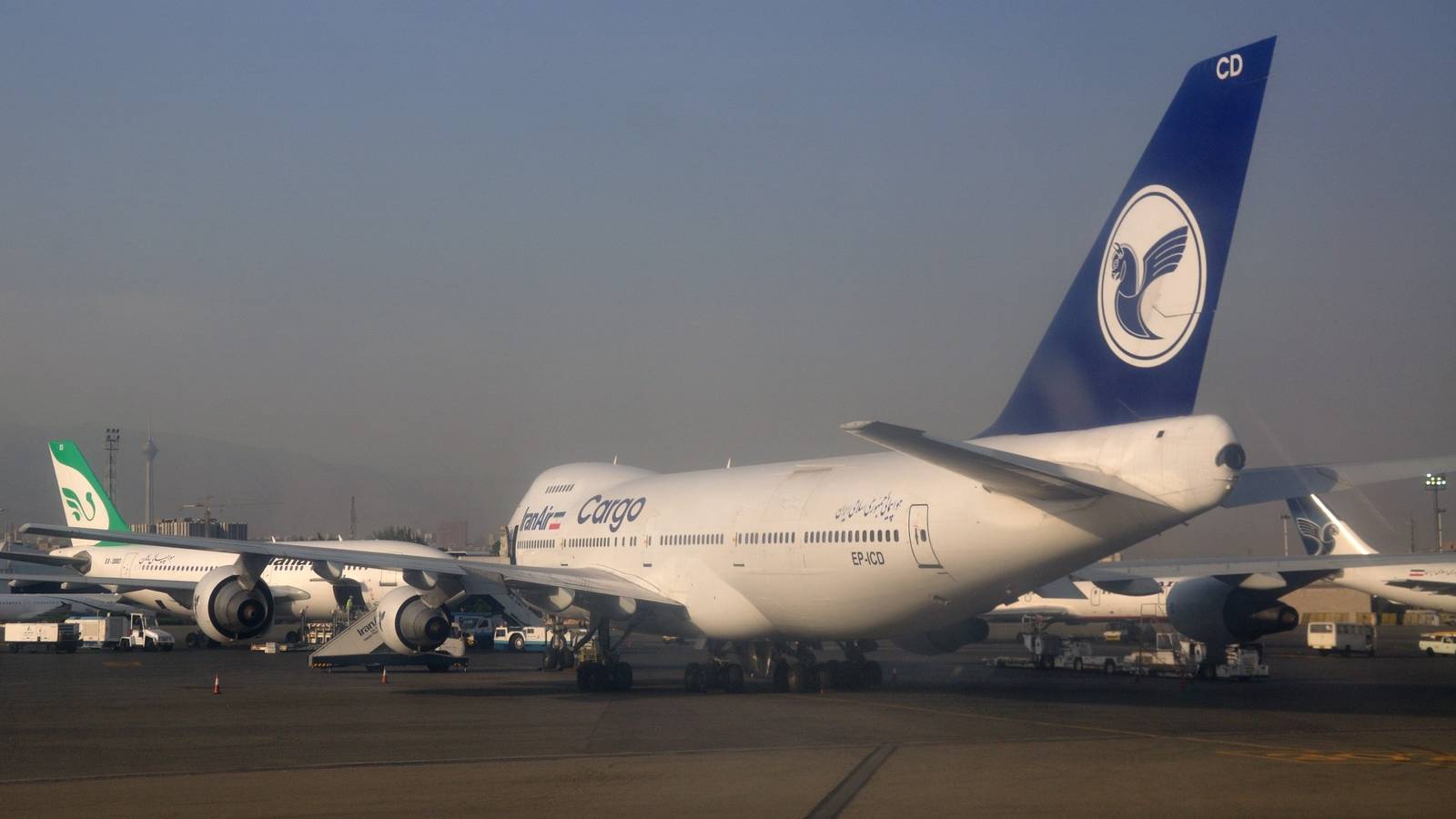
Addressing the necessity of the overhaul during his press briefing, Abdolhai noted that the aircraft had reached a critical operational milestone. He explained that the jet had touched the threshold of 20,000 flight cycles, meaning it must undergo rigorous repair steps to safely continue operations. While initial estimates suggested the work would take between one and a half to two months, updated scheduling from Iran Air shared with industry analysts places the anticipated timeline closer to six months given the depth of the engineering required.
Providing broader context on the state of the carrier, Abdolhai candidly addressed the structural hurdles facing the national airline. He stated that Iran Air faces severe fleet limitations, accumulated financial debts, and a continuous reduction in its international route network. Furthermore, he emphasized that the eventual return of grounded aircraft and the broader development of the carrier’s flight schedules depend entirely on securing necessary spare parts, acquiring adequate financial resources, and maintaining strict compliance with international safety requirements.
EP-ICD Last Flew in Mid-September
EP-ICD is an aviation veteran, standing at 38.1 years of age after having first taken to the air in September 1988. Historical data from aviation database ch-aviation highlights that the aircraft had already accumulated approximately 86,039 flight hours spread across 17,320 cycles by the time it concluded its tenure with its original European operators in late 2007. Over the subsequent two decades, the aircraft found a second home with Iran Air, where it became a workhorse for the airline’s long-haul and regional heavy cargo demands.
Flight tracking data from Flightradar24 illustrates that up until its final positioning flight to Tehran’s Imam Khomeini International Airport for maintenance, the jet maintained an active schedule. In recent months, the aircraft was primarily deployed on vital international freight links connecting Tehran with Tianjin Binhai International Airport in China. Additionally, August proved to be a particularly busy month for the vintage quadjet, featuring multiple rotations to Macau International Airport.

The aircraft’s operational rhythm has faced interruptions earlier in the year as well. Following geopolitical disruptions and military attacks involving the US and Israel in late February, the Boeing 747 was placed into temporary storage in Tehran. It remained on the ground until May 9, when it resumed operations with a positioning flight to Yerevan.
As September approached, Iran Air systematically wound down the aircraft’s flight rotations to prepare it for its scheduled heavy maintenance base visit in Tehran. The jet operated a series of round trips to Tianjin, with the first departing on September 9. A subsequent rotation took off on September 16, culminating in the aircraft touching down in Tehran for what would be its final flight before the groundings, arriving on the morning of September 18.
A Long and Diverse Career
While EP-ICD now serves exclusively in a cargo configuration, its origins trace back to a specialized design philosophy that defined an era of widebody aviation. Built as a Boeing 747-200 Combi, the aircraft was originally engineered to offer operators the flexibility of carrying a mixed payload of both passengers and revenue freight on the main deck.
According to tracking records from Planespotters.net, the double-decker widebody entered commercial service with Dutch carrier Martinair in September 1988. During its time with Martinair under the registration PH-MCF, the aircraft fulfilled diverse operational roles, including being leased out to Australian flag carrier Qantas to manage mixed loads of long-haul passengers and freight across the kangaroo route. Martinair eventually transitioned the aircraft into an all-cargo configuration in 2006 as market demands shifted away from combi operations.
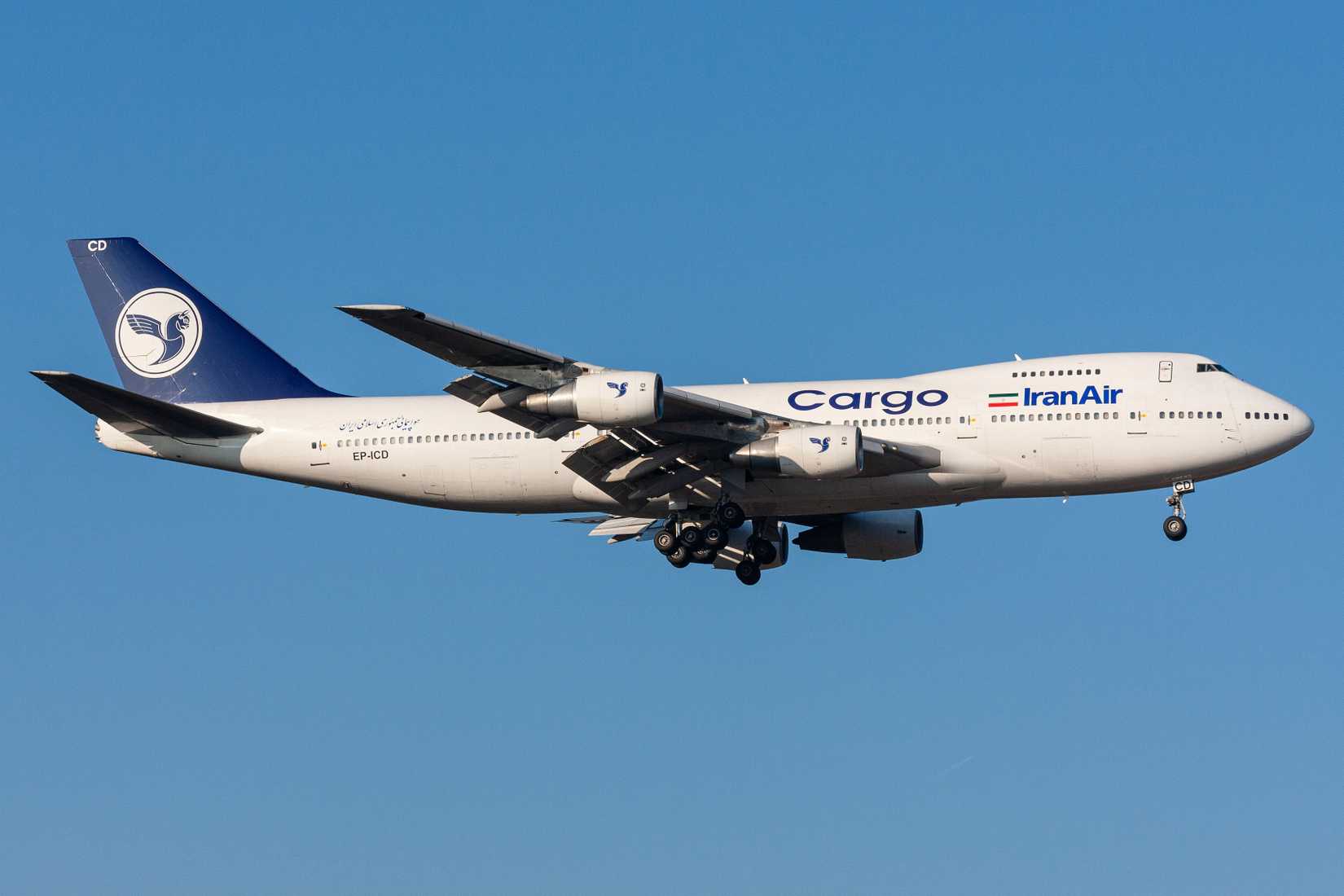
Following the conclusion of its service with Martinair in October 2007, the aircraft embarked on a brief stint with Turkish operator Ankair under the registration TC-AKZ in May 2008. Just a month later, it transitioned to Iran Air as EP-ICD, where it has spent nearly twenty years anchoring the airline’s heavy transport capabilities. As engineering teams in Tehran commence the unprecedented task of carrying out its D-check domestically, aviation enthusiasts and industry observers alike will be watching closely to see when this historic classic manages to return to active service.
Related News