Discovering the Isles of Scilly: An Ultimate Guide to Cornwall’s Atlantic Archipelago
Article Editorial Team
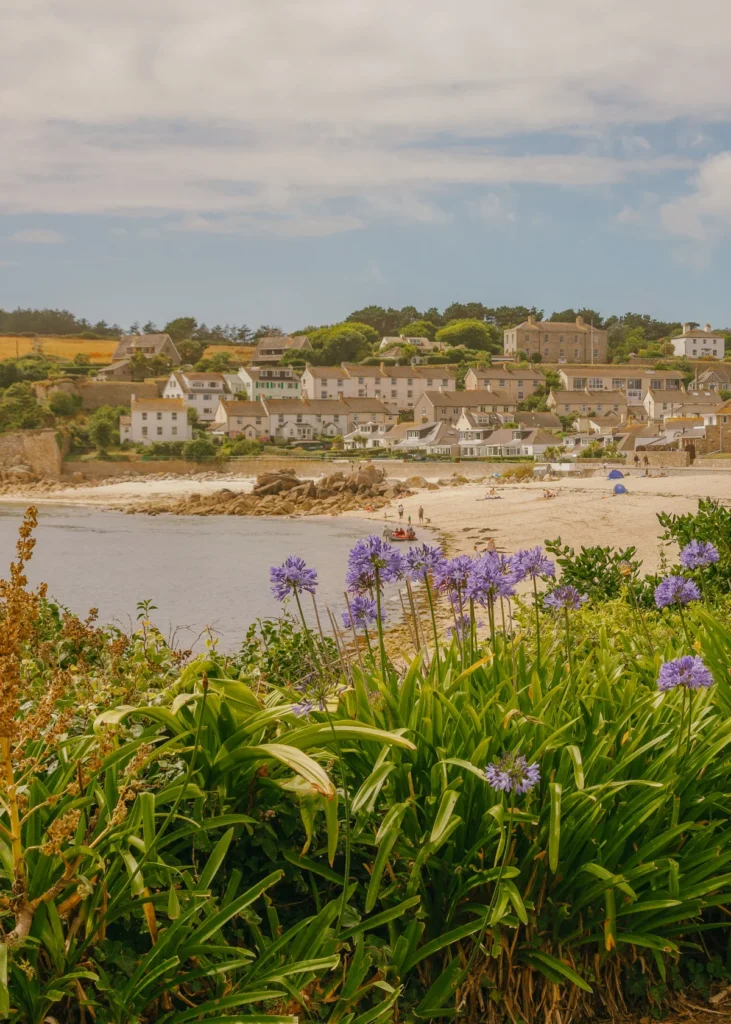
Perched roughly 30 miles off the dramatic coastline of Cornwall, the Isles of Scilly offer a picturesque and stunning escape that often feels worlds away from the British mainland. Thanks to the warming influence of the Gulf Stream and the Atlantic Drift, this mesmerizing set of islands benefits from noticeably milder waters and weather patterns than much of the UK, creating a unique coastal environment filled with sub-tropical flora, white sandy beaches, and crystal-clear turquoise shores.

For travelers planning a journey to this remote archipelago, navigating the various islands and deciding where to spend time can initially seem overwhelming simply because of the sheer abundance of choice. Over years of spending extensive time exploring the islands, visitors and travel writers alike have come to appreciate the distinct magic each corner of the archipelago holds.

How to Get to the Isles of Scilly
Reaching the Isles of Scilly is straightforward, with a couple of primary travel routes depending on preference and starting location. The most convenient option for many is taking the SkyBus flights, which land directly on St Mary’s Island. These flights operate out of airports including Exeter, Land’s End, and Newquay, offering a quick and scenic journey that even allows passengers to bring their dogs onboard.

Alternatively, travelers can head to the southwestern tip of Cornwall to Penzance and board the Scillonian Ferry. The crossing typically takes between two and a half and three hours, depending entirely on sea and weather conditions. While the ferry provides a classic maritime approach to the islands, passengers are often warned that the open sea can become quite choppy on particularly windy days.

Once travelers arrive, the archipelago opens up into a collection of remarkable destinations, each offering its own pace, history, and distinct landscape.

1.) St Agnes (Porth Conger)
St Agnes is the southernmost populated island in the Isles of Scilly and serves as a charming destination for a day trip. Easily reached by water taxi and scheduled boat services from the other islands—with schedules varying according to seasonal and tidal differences—visitors typically dock at Porth Conger Quay before setting out to explore the landscape.

Upon arriving around lunchtime, a popular stop is the Turk’s Head, a traditional local pub boasting a wonderful beer garden and decked area with expansive views. Recognized as the most southerly pub in all of the British Isles, it remains a notable landmark on the island. A short stroll through the small local settlement leads visitors past quiet relaxation spots and the exceptionally quaint local Post Office, where tourists can purchase souvenirs and send postcards.

Further exploration reveals the Coastguards Lookout cafe for a cup of tea, alongside glimpses of St Agnes Lighthouse and St Agnes Church along New Lane. Additionally, visitors can easily walk across a sandy bar at low tide to visit the neighboring, tranquil island of Gugh.

2.) St Mary’s
It is almost inevitable that any visitor will spend time on St Mary’s Island, as it functions as the primary commercial center, airport hub, and ferry port for the entire archipelago. While it serves as the most active hive of activity in the Isles of Scilly, it retains the intimate, quaint atmosphere of a small town rather than a bustling metropolis.

Visitors often use St Mary’s as a strategic base, particularly for managing return flight schedules to mainland hubs like Exeter. Upon arriving at Hugh Town, renting a golf buggy from local providers such as Scilly Carts offers a practical and enjoyable way to navigate the narrow country roads and explore the wider landscape.

A drive across the island leads to the historic St Mary’s Garrison Walls, a free-to-enter English Heritage site that takes roughly 25 minutes to tour and offers deep insight into the long history of local settlements. Nearby lies Porthcressa Beach, a sandy paradise with shallow waters right on the edge of Hugh Town. Continuing along the roads brings travelers to Peninnis Head, Porth Hellick, and the ancient Down Burial Chamber. For dining, Juliet’s Garden offers local seafood dishes, such as fresh scallops, paired with panoramic coastal views.

4.) St Martin’s
For those seeking a more low-key atmosphere, St Martin’s offers a quieter alternative that feels remarkably peaceful, even by the relaxed standards of the Isles of Scilly. Small ferry boats dock at Higher Town, from where visitors can set out on foot to explore the island at their own pace.

A walk to Higher Town Bay provides easy access to the shore, where visitors frequently sample Adam’s famous freshly fried fish and chips, served with generous amounts of vinegar. The island is also home to the St Martin’s Vineyard and Winery, a notable local producer offering tastings of regional wines. Further along the coast lies Great Bay Beach, an ideal spot for renting a kayak to navigate the shallow shorelines, and The Seven Stones Inn, a popular pub serving local Cornish brews and traditional pasties.

5.) Porthcressa Beach
While Porthcressa Beach on St Mary’s is not necessarily the most remote stretch of sand in the archipelago, it holds the title of most accessible. Located directly adjacent to the streets of Hugh Town, it provides a convenient location for a coastal dip or a relaxing afternoon on the white sand. On warm, sunny days, visitors frequently combine a beach visit with lunch at nearby establishments like Dibble and Grub, known for its sandwiches and cocktails.

6.) Peninnis Lighthouse
Situated near the southern tip of St Mary’s Island, the area surrounding Peninnis Lighthouse and Peninnis Head is widely regarded as one of the finest coastal walking routes in the region. The rugged granite coastline and sweeping sea views make it a popular location for a leisurely afternoon walk or taking in the sunset.

7.) Tresco Abbey Garden
Tresco Abbey Garden stands as one of the most famous and striking attractions across the entire archipelago, serving as living proof of the warming impact of the Gulf Stream. Due to the unique microclimate, the garden thrives with vegetation, trees, and flowers gathered from every geographic region in Europe. Requiring a modest entry fee, the peaceful grounds invite visitors to spend a couple of hours strolling the winding paths amid exotic flora.

8.) Tresco
Beyond its renowned gardens, the island of Tresco offers a tranquil environment where travelers often spend several nights. The island features historical sites such as the ruins of Cromwell’s Castle and King Charles’s Castle, which sit on opposite shores and overlook the surrounding waters. Visitors can also explore the small village of New Grimsby, stroll around New Grimsby Quay, and dine at the New Inn, a traditional English pub serving locally sourced meals. Across the island, honesty boxes set out by residents offer a unique way to purchase fresh eggs, local crafts, and artwork.

9.) Innisidgen Lower and Upper Burial Chambers
Located on the northern side of St Mary’s Island, the Innisidgen Lower and Upper Burial Chambers represent thousands of years of human history in the region, with structures dating back to approximately 2,500 BC. Free to enter and accessible via slightly uneven footpaths, these ancient sites offer a glimpse into the prehistoric past of the islands. Nearby, the Bant’s Carn Burial Chamber and Halangy Down Ancient Village provide additional historical context for visitors interested in archaeology.

10.) Bryher Island
Just off the coast of Tresco lies Bryher, an island celebrated for its charming, peaceful, and compact nature that allows visitors to traverse the entire area on foot. Arriving primarily at Church Quay, travelers can follow the rugged coastline toward destinations like Richard Pearce’s Artist Studio to view local paintings. Another popular stop is the Harbour View and Fraggle Rock area, which features a local bar and cafe with a beer garden overlooking the water.

11.) Teän Island
Positioned just shy of St Martin’s, Teän Island is an unpopulated gem that offers an exceptionally quiet retreat away from any localized visitor traffic. The primary appeal of the island lies in its entirely untouched and unspoilt beaches. Because Teän remains uninhabited, visitors must plan accordingly by bringing sufficient water, food, and sun protection, as there are no commercial facilities on the island. A walk across the terrain leads up to Great Hill for expansive views across the surrounding waters.

12.) Gugh Island
Connected directly to St Agnes Island by a narrow sandy bar that is easily crossed on foot, Gugh Island is largely unpopulated, save for a single working farm. The island can be walked entirely in under an hour, offering a serene and calming landscape. Visitors frequently seek out the Old Man of Gugh, a notable standing stone dating back to the Bronze Age that remains a prominent historical feature on the southern shores of the archipelago.
Related News