Rare Stenciled Rock Art Discovered in South Africa’s Mpumalanga Province
Article Editorial Team
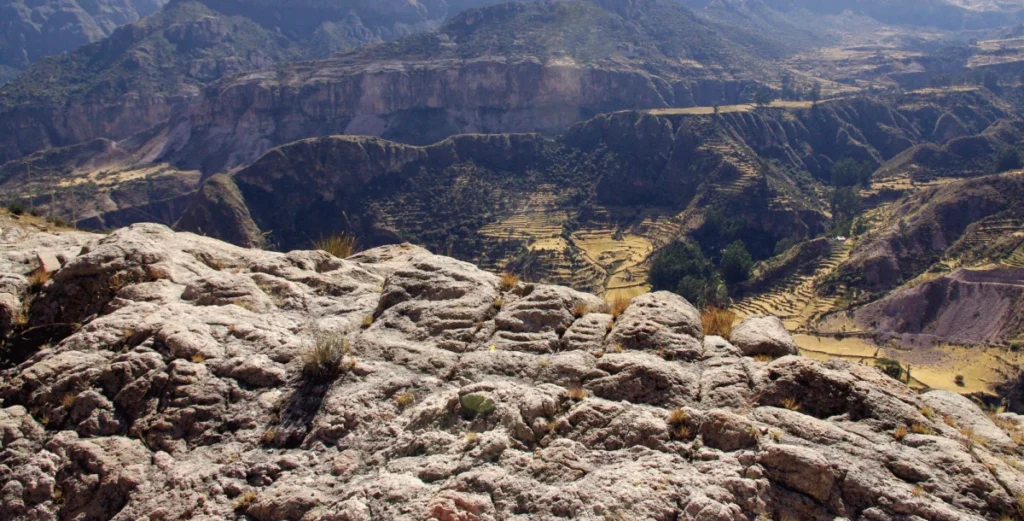
Archaeological exploration in the rugged landscapes of South Africa has yielded a rare and unexpected discovery, offering a fresh perspective on the continent’s rich prehistoric artistic heritage. Researchers working in the Mpumalanga province have identified stenciled rock art within the La Rochelle rock shelter, a site situated in the eastern region of the country. While southern Africa is globally renowned for its prolific and elaborate rock art traditions, the vast majority of these ancient creations were applied using brushes or human fingers. The identification of stenciled motifs—created by blowing or spattering pigment across a template—introduces an unusual technique to a region where such methods have rarely been documented.

The discovery was brought to light by David Pearce, a researcher from the University of the Witwatersrand, who encountered the faint and elusive images during his investigations at the site. Describing the initial moment of discovery, Pearce noted the subtle nature of the artwork, which blended seamlessly into the weathered stone surface of the shelter. "I wasn’t entirely sure what I was looking at for a while," Pearce said, recalling the process of identifying the faded pigments. "Then they popped into focus, a bit like optical illusions do," he explained.
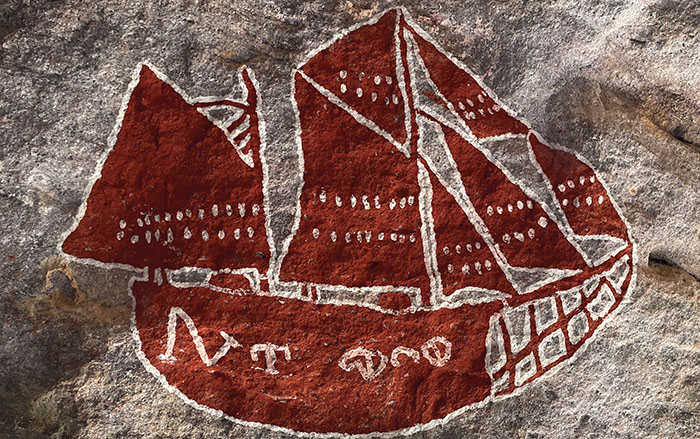
Upon closer inspection, the artwork revealed two distinct human-like figures. These stenciled representations add a new dimension to the La Rochelle rock shelter, a location characterized by steep cliffs where painted panels have historically been sparse compared to other parts of South Africa. Prior to this finding, archaeological surveys of the large rock shelter had successfully identified a series of more conventional, brush-painted images. These earlier works featured prominent depictions of local fauna, including hartebeest and eland, alongside various humanoid figures rendered in the classic styles typical of the region’s indigenous creators.
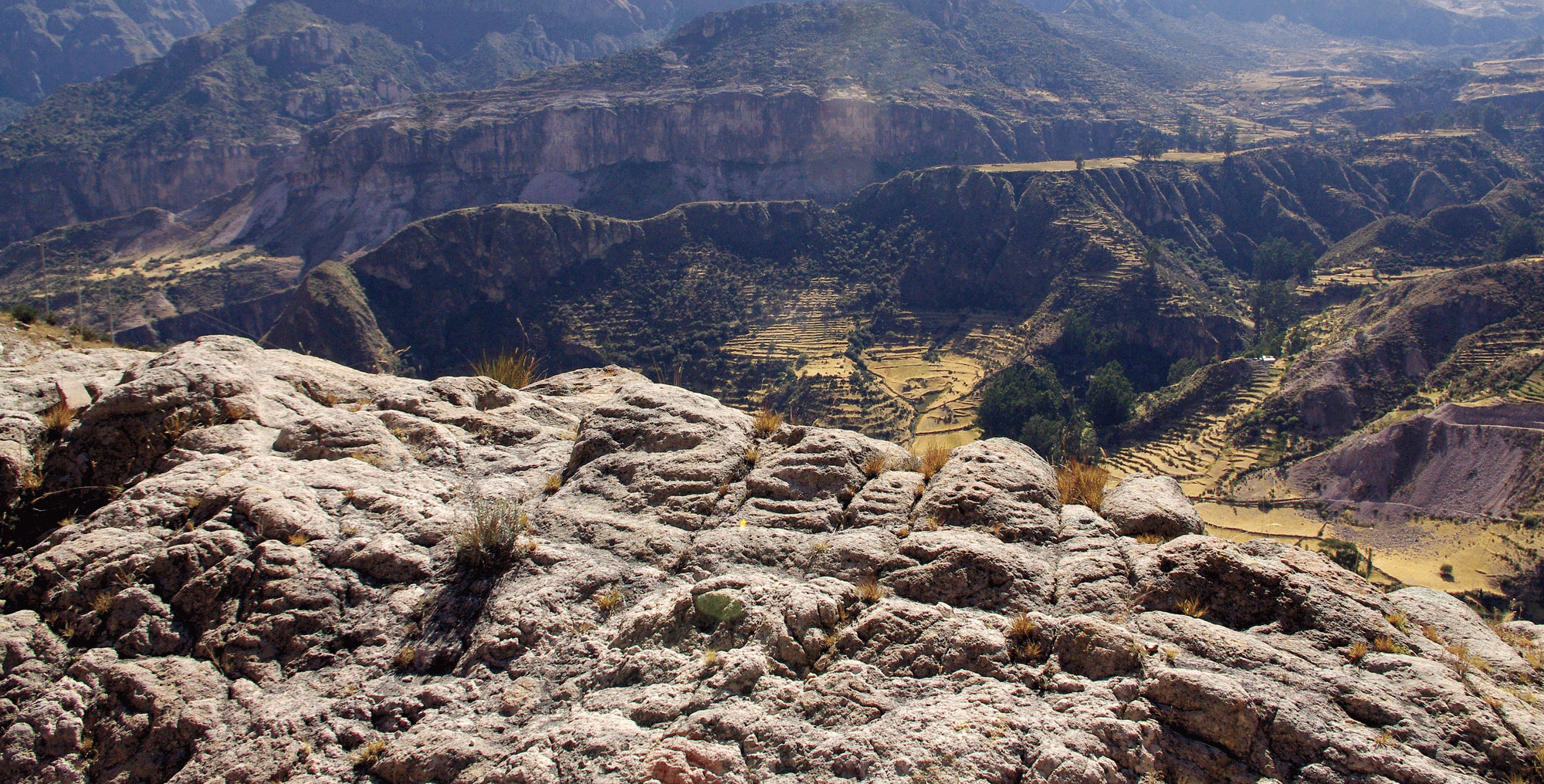
Drawing on his analysis of the newly discovered motifs, Pearce suggests that the two humanoid figures were produced through an entirely different mechanical process than the surrounding brush-painted artwork. Instead of applying paint directly with a brush or fingertips, the ancient artist appears to have used a physical template or mask placed against the rock face. Pigment would have then been blown, spattered, or sprayed across the template, leaving behind a sharp negative silhouette when the barrier was removed. While the exact material used for the template can no longer be directly observed, Pearce proposes that everyday organic substances readily available to ancient societies—such as beeswax, prepared clay, or carved wood—could have served as the stencil medium.
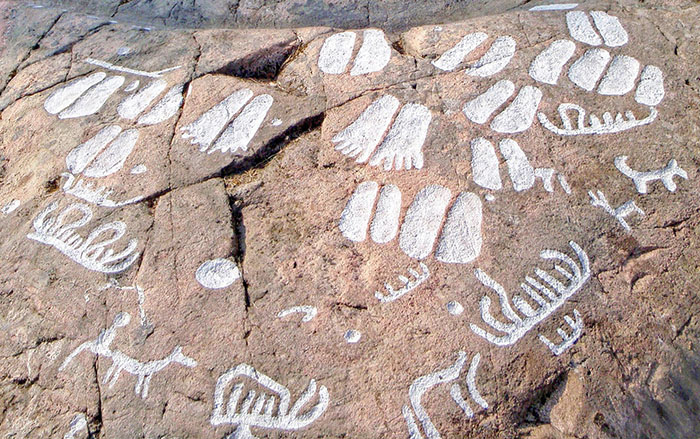
The identification of stenciled art in Mpumalanga raises intriguing questions among archaeologists regarding why this specific technique is so rarely encountered in southern Africa. In many other parts of the world, including Europe, Southeast Asia, and Australia, hand stencils and silhouette art left on cave walls are remarkably common features of the Upper Paleolithic and subsequent archaeological periods. In contrast, southern African rock art traditions overwhelmingly favor additive painting techniques, where fine lines and intricate details are meticulously applied with animal hair brushes or feathered quills.
Addressing this geographical and technological anomaly, Pearce offered a plausible hypothesis regarding the broader application of stenciling in ancient southern African societies. Rather than indicating a total unfamiliarity with the stenciling technique, the scarcity of rock-face examples might simply reflect cultural preferences regarding where such art was meant to be displayed. "Maybe people stenciled art on bodies, on clothing, or on stone-built structures," Pearce surmised. He noted that the technique could have been widely practiced and culturally significant, even if it was reserved for perishable mediums or domestic architecture rather than enduring cliff faces. "It might be something that was widely used, but just not on rock faces," he added.
This new addition to the archaeological record serves to highlight the immense variety inherent in South Africa’s prehistoric visual culture. Southern Africa already boasts some of the most thoroughly documented, detailed, and elaborate bodies of rock art anywhere in the world, spanning thousands of years of human expression and spiritual practice. The identification of stenciled figures at La Rochelle does not rewrite the established timeline of regional art, but rather expands its recognized boundaries. According to Pearce, this unexpected find represents an important piece of a larger puzzle, contributing directly to the growing appreciation for the diversity and complexity of local artistic traditions.
As researchers continue to survey remote rock shelters and analyze previously overlooked panels across South Africa’s diverse landscapes, discoveries such as the stenciled figures of Mpumalanga demonstrate that the region’s rock art heritage still holds secrets waiting to be brought into focus.
Related News