Ancient Burial Chambers and Mesopotamian Artifacts Unearthed in Northwestern Oman
Article Editorial Team
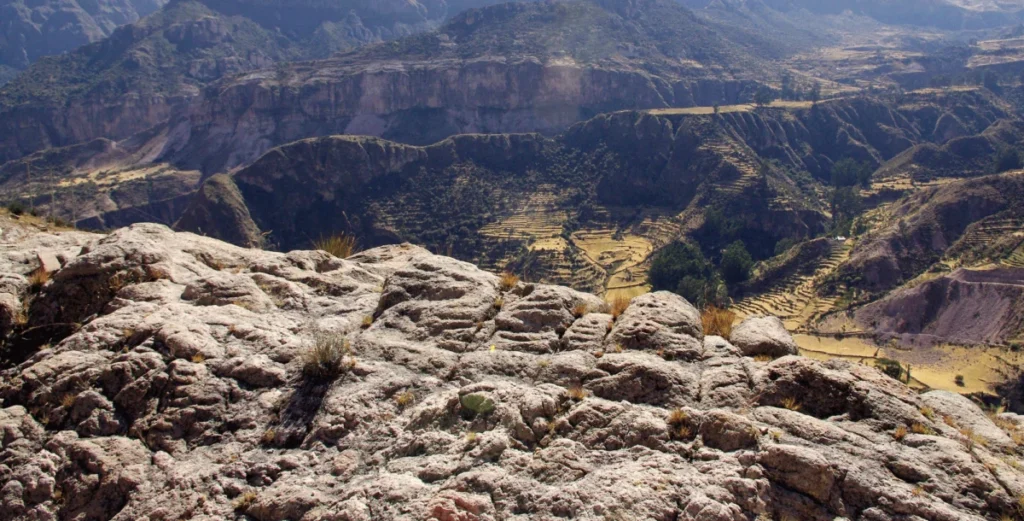
IBRI, OMAN — Archaeologists operating in the northwestern region of Oman have made a significant discovery, unearthing ancient burial chambers containing human remains, pottery, and an array of sophisticated metalwork. According to reports from The Oman Observer, the excavation was conducted by specialists from Oman’s Department of Heritage and Tourism in the historic region of Ibri. The findings provide compelling new physical evidence regarding the extensive reach of ancient trade networks and cultural exchanges connecting the Arabian Peninsula with early Mesopotamian civilizations more than four thousand years ago.
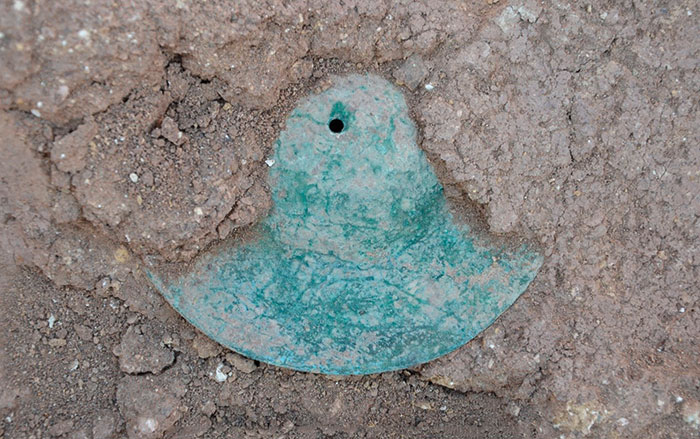
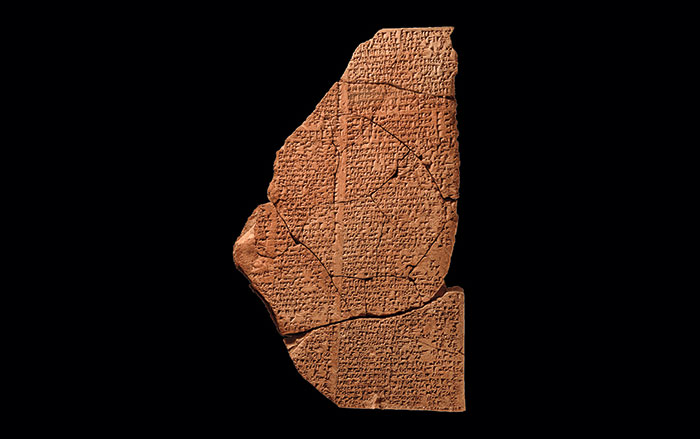
The newly investigated burials have been formally dated to the third millennium B.C., a pivotal era characterized by the rise of complex urban societies, maritime trade routes, and early state formation across the broader Middle East. More specifically, experts have attributed the stylistic characteristics of the burial architecture and accompanying material culture to Mesopotamia’s Jemdet Nasr civilization. Lasting roughly from 3100 to 2900 B.C., the Jemdet Nasr period is widely recognized by archaeologists as a crucial transitional phase bridging the earlier Uruk period and the Early Dynastic period in ancient Mesopotamia, an era famous for the development of proto-cuneiform writing, specialized crafts, and monumental administrative architecture centered in modern-day Iraq.
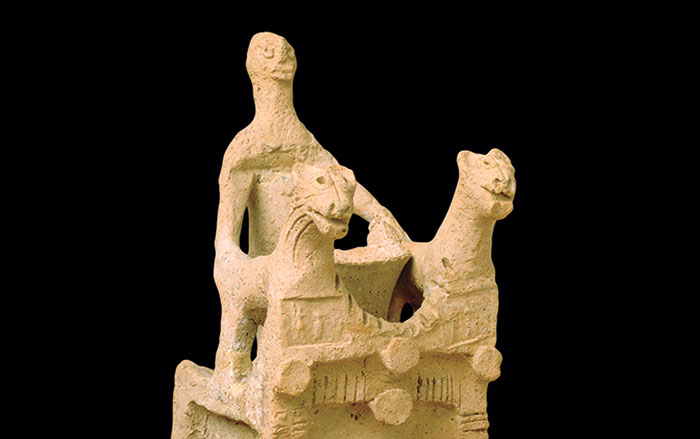
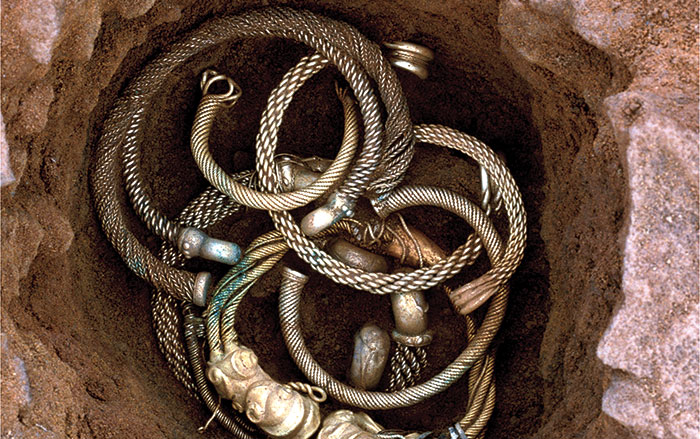
Walid bin Hamad al Ghafri, a representative of Oman’s Department of Heritage and Tourism, detailed the rich inventory recovered from the subterranean chambers during the course of the archaeological fieldwork. Beyond the fragile human skeletal remains and distinct ceramic vessels typical of the era, the excavation yielded a wide variety of personal ornaments and functional items. These remarkable finds include numerous intricately crafted beads, alongside durable bronze weaponry and tools such as arrowheads, axes, and daggers. The presence of these metal artifacts indicates not only advanced metallurgical skills possessed by the regional inhabitants or their trading partners, but also underscores the utilitarian and symbolic value placed on weaponry and adornment within these ancient burial practices.
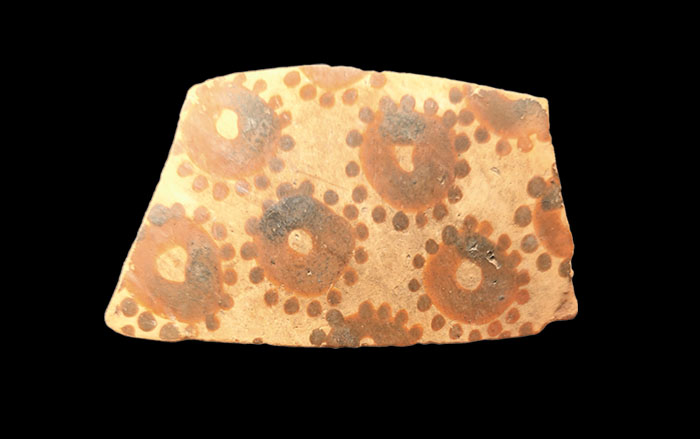
The discovery at Ibri adds to a growing body of archaeological data illustrating how ancient communities in the interior and coastal regions of Oman engaged with far-flung economic networks. During the third millennium B.C., ancient Oman—often referred to in ancient cuneiform texts as Magan—served as a vital source of raw materials, most notably copper, which was heavily demanded by the growing urban centers of Mesopotamia. The convergence of Jemdet Nasr cultural markers in northwestern Oman highlights the deep-rooted historical connections and long-distance maritime and overland interactions that bridged the fertile river valleys of the Tigris and Euphrates with the arid steppes, mountain ranges, and oases of the Arabian Peninsula.
Despite the profound historical value of these ongoing discoveries, the excavation also underscores a mounting crisis facing cultural heritage managers throughout the region. Al Ghafri concluded his remarks on the excavation by issuing a stark warning regarding the vulnerability of the archaeological landscape. He noted that ancient sites in the region are currently in grave danger of destruction and permanent loss as a direct result of rapid modern urban development, infrastructural expansion, and industrial growth. As expanding cities, modern road networks, and agricultural projects encroach upon traditional desert and oasis landscapes, the preservation of subterranean tombs, settlements, and surface scatters becomes an increasingly urgent challenge for heritage authorities and local preservationists alike.
The delicate balance between modern economic progress and the protection of irreplaceable ancient heritage remains a critical issue for researchers working in the Sultanate of Oman. Discoveries such as the Jemdet Nasr-linked burials in Ibri not only shed brilliant new light on how ancient populations adapted to and thrived within the Omani desert environment some 5,000 years ago, but they also emphasize the race against time that archaeologists face. Ensuring that these remnants of early human history are properly documented, excavated, and preserved before they are lost to modern development is vital for maintaining an accurate understanding of the ancient connections that shaped the civilizations of the Middle East.
Related News