Los Angeles Voters Face Critical Choice for City’s Green Infrastructure: The Case for Measure PRK
Article Editorial Team
For those who spend their days at the Audubon Center at Debs Park, the soundscape of Los Angeles is a study in contrasts. It is a place where the rhythmic rustling of leaves and the melodic calls of birds are occasionally punctuated by the distant, mechanical drone of traffic from the nearby 110 Freeway. This intersection of urban density and natural beauty serves as a constant reminder that nature in Los Angeles is not a distant destination requiring a long drive; it is a vital, living component of the city itself. Threaded through neighborhoods from the sprawling hillsides of Ernest E. Debs Regional Park to the community hubs in the heart of the city, these green spaces act as the lungs of the metropolis. This November, residents of the City of Los Angeles have a significant opportunity to redefine the future of these spaces by voting on Measure PRK, a ballot initiative designed to provide the dedicated funding necessary to maintain and revitalize the city’s essential park infrastructure.
To categorize parks merely as recreational amenities is to misunderstand their role in a modern, climate-impacted city. From the iconic trails of Runyon Canyon to the tranquil waters of Echo Park Lake, and from the expansive Sepulveda Basin Recreation Area to the community-focused Peck Park, these areas provide a wealth of public health and environmental benefits. They are essential infrastructure, functioning as critical heat sinks that cool down neighborhoods during increasingly severe heat waves. They serve as natural filters that help maintain cleaner air and water, and they provide safe, accessible environments for children to play and for families to gather. Furthermore, these parks function as critical biodiversity corridors. They provide indispensable habitat for migratory species such as the Least Bell’s Vireo and support resident bird populations, including the California Towhee, which have become a familiar and welcome presence for daily park-goers.
Despite the profound value these spaces provide to the daily lives of Angelenos, they have been left to contend with a chronic and deepening crisis of underfunding. For years, the city’s park system has operated under a massive financial deficit, currently estimated at a nearly $3 billion deferred maintenance backlog. This systemic underinvestment manifests in a myriad of ways, from the neglect of basic maintenance and the reduction of essential staffing levels to the inability to properly care for delicate natural habitats and aging tree canopies. Ultimately, this lack of resources directly impacts the millions of residents who rely on these parks for their physical and mental well-being. The severity of this issue was highlighted in the Trust for Public Land’s 2026 ParkScore ranking, which placed Los Angeles 93rd out of the 100 largest cities in the United States, a sobering statistic that reflects the current state of neglect facing the city’s green heart.
The current situation is particularly striking given the overwhelming public support for these spaces. Far from being a niche issue, the desire for better-funded, well-maintained parks is a priority for the vast majority of the electorate. Recent polling data indicates that eight out of ten Los Angeles voters recognize that the current level of funding for recreational services is inadequate and support initiatives that would bolster the city’s commitment to its parks. There is a clear consensus among the public that the status quo is unsustainable, yet the mechanisms to address this have remained stagnant for nearly a century.
This is the context in which Measure PRK has been introduced as a pragmatic, necessary solution. The measure seeks to address the funding gap by updating the city’s century-old formula for Recreation and Parks. Since 1925, the department has been constrained by a guaranteed funding formula locked at 0.0325% of the city’s budget. Measure PRK proposes a modest but impactful adjustment to this formula, raising it to 0.065%. Crucially, this update is designed to provide the predictable, dedicated revenue stream that the department desperately requires to move from reactive crisis management to proactive maintenance and development, all without increasing taxes for the city’s residents.
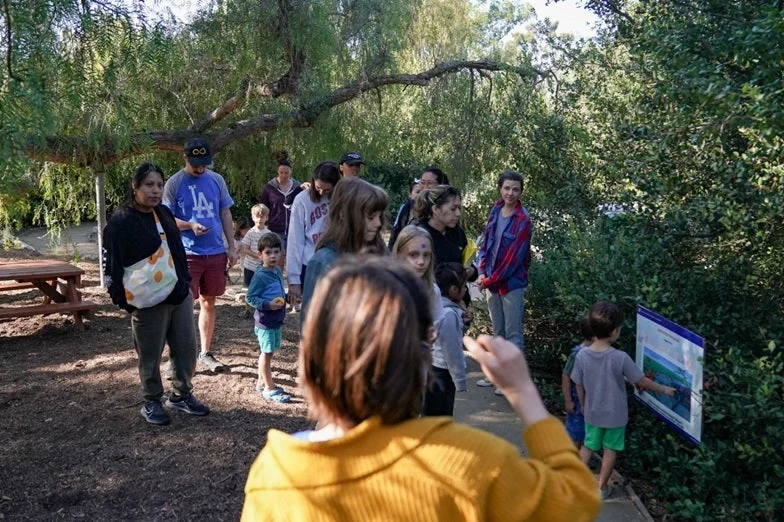
The daily operations at locations like Debs Park illustrate exactly what is at stake. These parks are not just empty plots of land; they are active, vibrant centers of social cohesion. Residents utilize the trails daily for exercise and meditation. Families and community groups gather there for everything from movie nights under the stars to specialized art classes and educational bird-watching sessions. Volunteers from across the city participate in programs to identify and plant native species, contributing directly to the ecological health of the region. Perhaps most importantly, young people often gain their first hands-on experiences there, learning how to care for the land and beginning to develop identities as future leaders and environmental stewards. These interactions transform a park from a simple thoroughfare into a place of belonging, where residents can participate in their local community and build a meaningful, lifelong relationship with their natural environment.
Los Angeles stands at a crossroads, forced to decide what kind of city it aspires to be. The choice is between a future characterized by vibrant, well-maintained green spaces, pristine beaches, and safe, high-quality recreational areas for all children, or a future where the city remains at the bottom of national rankings for the care and quality of its public lands. The current model, which forces the department to do more with less, has reached its breaking point. Providing the necessary resources is not merely an act of beautification; it is a commitment to the long-term health and resilience of the people, the wildlife, and the diverse communities that depend on these spaces for survival and connection.
As the November election approaches, the conversation surrounding Measure PRK is shifting toward the long-term legacy of the city’s public spaces. Supporters argue that the initiative represents a fundamental shift in how the city values its natural assets. By addressing the $3 billion backlog and ensuring a stable, modernized funding stream, the city can finally begin to reverse decades of neglect. This is an opportunity to move past the era of deferred maintenance and toward an era of investment, ensuring that the birds singing in the trees and the residents walking the trails have a stable, healthy environment for generations to come. For those who view the city’s parks as essential to the identity and livability of Los Angeles, the ballot measure presents a clear and straightforward path forward. Voters are being asked to support this vision and invest in the future of the city’s green infrastructure, ensuring that these spaces remain open, safe, and flourishing for every Angeleno.
Related News