Solo Travel in Kuwait: A First-Hand Account of Exploring the Gulf Nation’s Top 16 Attractions, Culture, and Modern Realities
Article Editorial Team
Kuwait, consistently recognized as one of the wealthiest nations in the world, is globally famous for its vast oil reserves and the affluent lifestyle associated with its ruling figures. While it may not immediately spring to mind as a conventional leisure destination, a week-long solo trip reveals a country rich in history, resilience, and cultural depth. Nestled between Iraq and Saudi Arabia, Kuwait offers travelers willing to look beyond the typical tourist trail a compelling mix of ancient heritage, modern architectural monuments, and a welcoming local community.

About Kuwait
Kuwait’s history dates back to at least 2000 B.C., when the area was inhabited by ancient Mesopotamians, a legacy still visible through ancient Greek ruins. In modern times, the nation endured the profound trials of the Iraqi invasion, leaving physical reminders such as the debris preserved on Falaika Island. Yet, the resilience of the Kuwaiti people is mirrored in the magnificent monuments erected throughout the capital to honor the soldiers who sacrificed their lives during the conflict.

Today, Kuwait functions as a safe and welcoming destination for international visitors. Characterized by a scorching desert climate, the country serves as an ideal winter getaway between November and March, when daytime temperatures drop to comfortable levels. Visitors can explore exotic beaches, spend nights under the desert stars, or engage in bird-watching across the country’s nine distinct islands.

Kuwait Customs and Culture
The cultural identity of Kuwait is deeply rooted in Islamic heritage and traditional community values, blending contemporary developments with centuries-old customs. The official language is Arabic, and Islam is the predominant religion. Traditional attire remains common, with men typically wearing the long white thobe and women wearing the black abaya.

The nation’s heritage is also tied to its historical pearl diving industry, celebrated annually during the Pearl Diving Festival, and preserved in institutions such as the Kuwait National Museum. Social gatherings occupy a central place in daily life, often centered around the traditional hospitality of serving coffee and dates. Local cuisine reflects regional influences and historic trading routes, highlighted by dishes such as Machboos—a spiced rice dish with meat or seafood—and sweet dumplings known as Luqaimat. Travelers should also note that the official weekend in Kuwait falls on Friday and Saturday rather than Saturday and Sunday.

Key Landmarks and Attractions
The capital city features numerous cultural and historical landmarks. Among the most prominent is the Kuwait Grand Mosque, formally known as Al-Masjid Al-Kabir. Spanning an expansive 45,000 square meters and constructed in 1986, it stands as the largest official mosque in the country, showcasing intricate Islamic architecture, grand domes, and detailed woodwork. Guided tours provide visitors with cultural context and insights into Islamic traditions.

Positioned opposite the Grand Mosque is the Seif Palace, commissioned in 1904 by Sheikh Mubarak. Serving as the historic seat of the Kuwaiti government since the late nineteenth century, the complex incorporates traditional materials such as rock, clay, and limestone in its Islamic-style design. While civilian access is restricted to the outer gates, the exterior remains a key architectural sight on city itineraries.

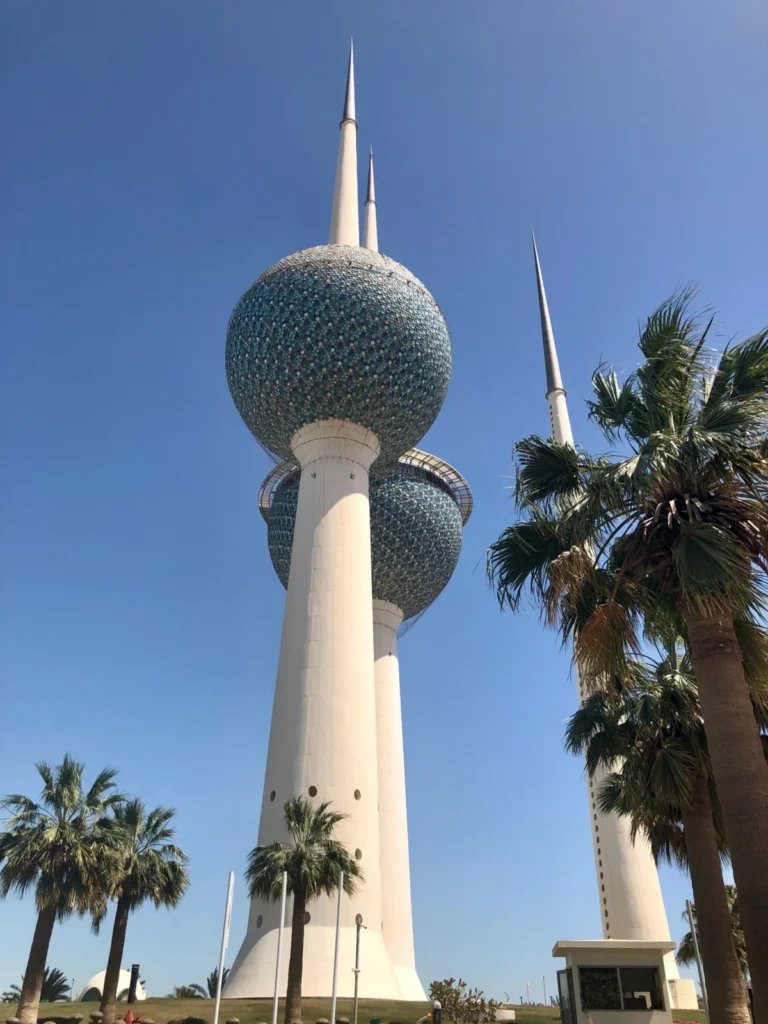
The iconic Kuwait Twin Towers, designed by a Danish architect in 1979, offer panoramic views of the city skyline and the coastline. Featuring a revolving observation deck and café, the towers serve as an orientation landmark for arriving visitors. Similarly, the Liberation Tower stands at 372 meters tall, commemorating the country’s 1993 liberation. Operating primarily as a telecommunications and government hub, it requires advance arrangements for interior visits, though its illuminated exterior remains a major nighttime landmark.

For green spaces and historical remembrance, Al Shaheed Park covers 55,000 square meters as the largest green roof project in the Arab world. The park houses the glass Martyr Monument, honoring those who died for the nation, alongside the Constitution Monument, the Remembrance Museum, and the Habitat Museum.

Museums, Arts, and Shopping
Cultural exploration extends to specialized institutions such as the Tareq Rajab Museum, which houses a private collection of over 30,000 pieces of Islamic art, including jewelry, musical instruments, ceramics, and historical manuscripts organized by country. Sadu House, located near the National Museum, preserves the traditional weaving practices of the Bedouin tribe, offering workshops and exhibitions of indigenous handicrafts.

Performing arts find a home at the Sheikh Jaber Al Ahmad Cultural Center, a major venue dedicated to music, theater, and public events within Kuwait’s National Cultural District.

For commerce and daily life, Souq Al-Mubarakiya preserves the atmosphere of a traditional Middle Eastern bazaar, offering spices, perfumes, carpets, and local dining options. In contrast, contemporary retail is represented by massive developments like Souq Sharq, overlooking the marina, and the sprawling Avenues Mall, which combines international luxury brands, diverse dining establishments, and entertainment facilities.

Natural Landscapes, Beaches, and Islands
Kuwait’s geography extends beyond the capital into coastal areas and desert terrains. Publicly accessible coastal spots include Messilah Beach and Egaila Beach in the southern part of the city, offering parks, swimming pools, and recreational facilities. Visitors are reminded of local conservative dress codes, which restrict swimwear on public beaches, though hotel resorts offer private pool facilities.

Inland, the Kazmah Desert provides opportunities for outdoor activities, including desert safaris, camel riding, and panoramic views from high desert cliffs, particularly during the cooler winter months.

Offshore destinations include the man-made Green Island, featuring recreational tracks and gardens, and the historically significant Failaka Island. Located 20 kilometers from the mainland, Failaka features ancient Greek ruins, a citadel dating to the era of Alexander the Great, and remnants of the Gulf War, accessible via regular ferry services from the capital. Further out, Boubyan Island and Warbah Island serve as undisturbed ecological sanctuaries, acting as critical stopovers for migratory birds and supporting diverse marine life in the Persian Gulf.

Accommodation and Transport
The hospitality sector in Kuwait ranges from standard international business hotels to luxury five-star beach resorts along the Arabian Gulf coast. Because Kuwait is a dry country, alcoholic beverages are not served in hotels, which typically feature family-oriented amenities, fitness centers, and restaurants.

Getting around the capital and surrounding areas relies on several transportation networks. City buses offer an inexpensive public transit option, though routes require advance planning. Taxis are widely available and metered, while ride-hailing services like Careem and Uber provide digital booking and payment convenience. Rental cars are also an option for travelers comfortable navigating local traffic conditions, provided they hold an International Driving Permit.

Practical Considerations for Visitors
Travelers planning a visit to Kuwait should account for seasonal temperature variations, with the winter months between November and March offering the most favorable weather. Entry requirements for British citizens and other international visitors typically involve obtaining a visa on arrival or applying for an eVisa, alongside holding a passport valid for at least six months.

While the country is widely regarded as a secure destination for independent travelers, official foreign travel advisories monitor regional geopolitical developments, making it advisable for visitors to review up-to-date safety guidance before departure. By respecting local customs, dressing modestly, and engaging with community-led initiatives such as the Al Sadu Society, visitors can experience the distinct heritage and modern development of this Gulf nation.
Related News