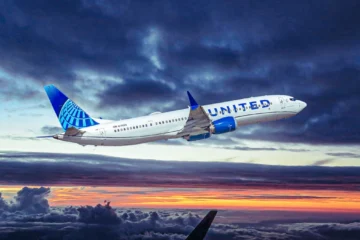
Delta One vs. United Polaris: A Comprehensive Comparison of America’s Premier Business Class Products
Article Editorial Team

When it comes to long-haul international travel, choosing the right airline can make the difference between arriving refreshed or enduring a grueling journey. Among US legacy carriers, Delta Air Lines and United Airlines have long competed fiercely for the lucrative corporate and premium leisure markets. At the center of this battle are their flagship business class products: Delta One and United Polaris. A detailed review and video analysis from Simple Flying breaks down how these two top-tier travel experiences stack up against one another across a variety of metrics, including seat comfort, sleep quality, airport lounge access, international route networks, and the unpredictable impact of aircraft swaps.
The comparison begins with the hard product, specifically the seats and overall cabin environment, which form the foundation of any long-haul premium experience. Both Delta and United have invested heavily in modernizing their widebody fleets to offer direct aisle access and lie-flat beds for every business class passenger. However, the design philosophy and physical execution differ notably between the two airlines. Delta One features various iterations depending on the aircraft, ranging from the older reverse herringbone configurations to the newer, highly praised Delta One suites equipped with sliding doors for enhanced privacy. These cabins are generally designed with a sleek, premium aesthetic that emphasizes personal space and modern finishes.
United Polaris, on the other hand, introduced a standardized custom-designed seat across its Boeing and Airbus long-haul fleet, developed in collaboration with Acumen and PriestmanGoode. The Polaris seat emphasizes cocoon-like privacy, abundant storage compartments, and specialized bedding developed in partnership with Saks Fifth Avenue. When it comes to sleep quality, both products excel by offering fully horizontal flat beds, but frequent flyers often weigh the subtle differences in bedding, cabin temperature control, and spatial layout when deciding which carrier offers a better night’s rest in the sky.

Beyond the physical cabin, the ground experience remains a critical battleground for premium passengers, and airport lounges often dictate an airline’s overall score. United Airlines transformed its ground experience with the rollout of its dedicated Polaris lounges, located at major hubs such as Chicago O’Hare, San Francisco, Newark, and Houston. These exclusive facilities offer sit-down dining rooms, private daybeds, high-end shower suites, and extensive cocktail bars, setting a high industry standard for business class lounges. Delta Air Lines has historically relied on its expansive network of Delta Sky Clubs, but the carrier has been rapidly elevating its ground product with the introduction of dedicated Delta One lounges at key hubs like New York JFK and Los Angeles International, designed to rival the exclusivity and dining offerings found in United’s network.
Network reach and scheduling flexibility also play a vital role for international travelers comparing the two airlines. Both Delta and United boast massive global footprints, connecting North America to Europe, Asia, Latin America, and beyond. However, their primary hub structures and joint-venture partnerships shape their route networks differently. United leverages its strong trans-Pacific presence and robust Star Alliance partnerships to serve numerous secondary and primary markets across Asia and Europe. Meanwhile, Delta relies heavily on its major hubs in Atlanta, Minneapolis, Detroit, Salt Lake City, and Seattle, alongside strong transatlantic partnerships with SkyTeam alliance members and joint-venture partners like Air France, KLM, and Virgin Atlantic, providing passengers with extensive code-share options and connecting flights.
An often-overlooked factor that can dramatically alter a traveler’s experience is the operational reality of aircraft swaps. In the commercial aviation industry, schedule changes, maintenance requirements, and fleet utilization can occasionally force airlines to substitute the aircraft originally scheduled for a specific route. When an aircraft swap occurs, passengers booked in business class can sometimes find themselves moving from a state-of-the-art aircraft equipped with the newest sliding-door suites to an older widebody frame featuring a legacy business class configuration. Both Delta and United are susceptible to these operational adjustments, making it essential for frequent flyers to monitor their reservations and understand the specific aircraft variants operating their chosen routes.
Ultimately, determining whether Delta One or United Polaris comes out ahead depends largely on individual traveler priorities, specific route choices, and which elements of the journey matter most. For passengers who prioritize dedicated ground lounges with sit-down dining, United Polaris presents a compelling case, particularly when flying out of its core Polaris lounge hubs. Conversely, travelers who value modern cabin suites with doors, extensive SkyTeam connectivity, and Delta’s renowned operational reliability may lean toward Delta One. As both airlines continue to refine their hard and soft products, the competition between Delta One and United Polaris continues to push the boundaries of US commercial aviation, offering premium passengers increasingly sophisticated ways to cross the globe.
Related News