Marine Corps Reactivates Its Oldest Flying Squadron as It Enters the F-35 Era
Article Editorial Team

The oldest flying squadron in the United States Marine Corps is preparing to step into a new era of fifth-generation air warfare following its official reactivation on October 9. Formerly known as Marine Attack Squadron 231, or VMA-231, the unit completed its final flight operating the McDonnell Douglas AV-8B Harrier II in May 2025 before being formally deactivated in September.
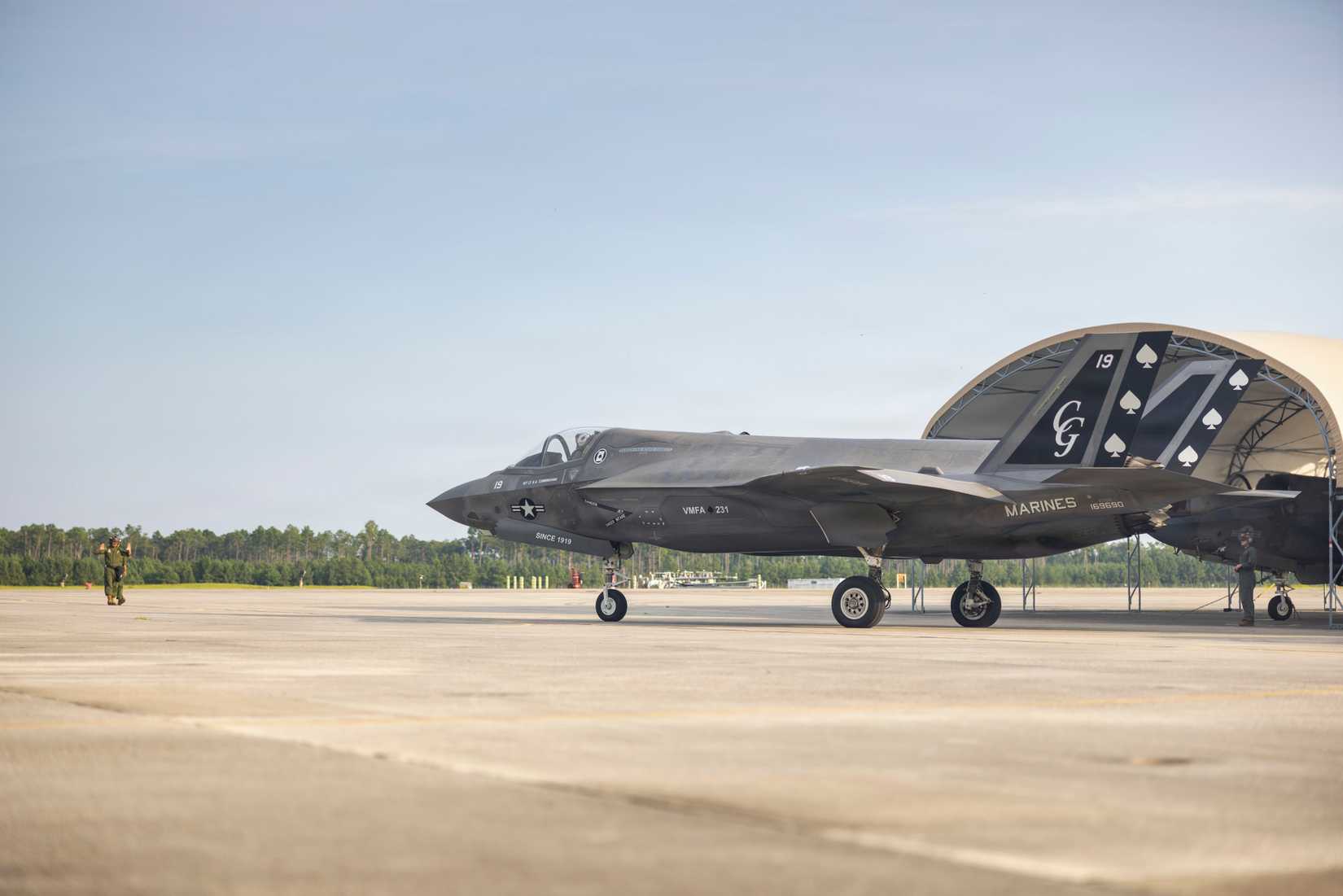
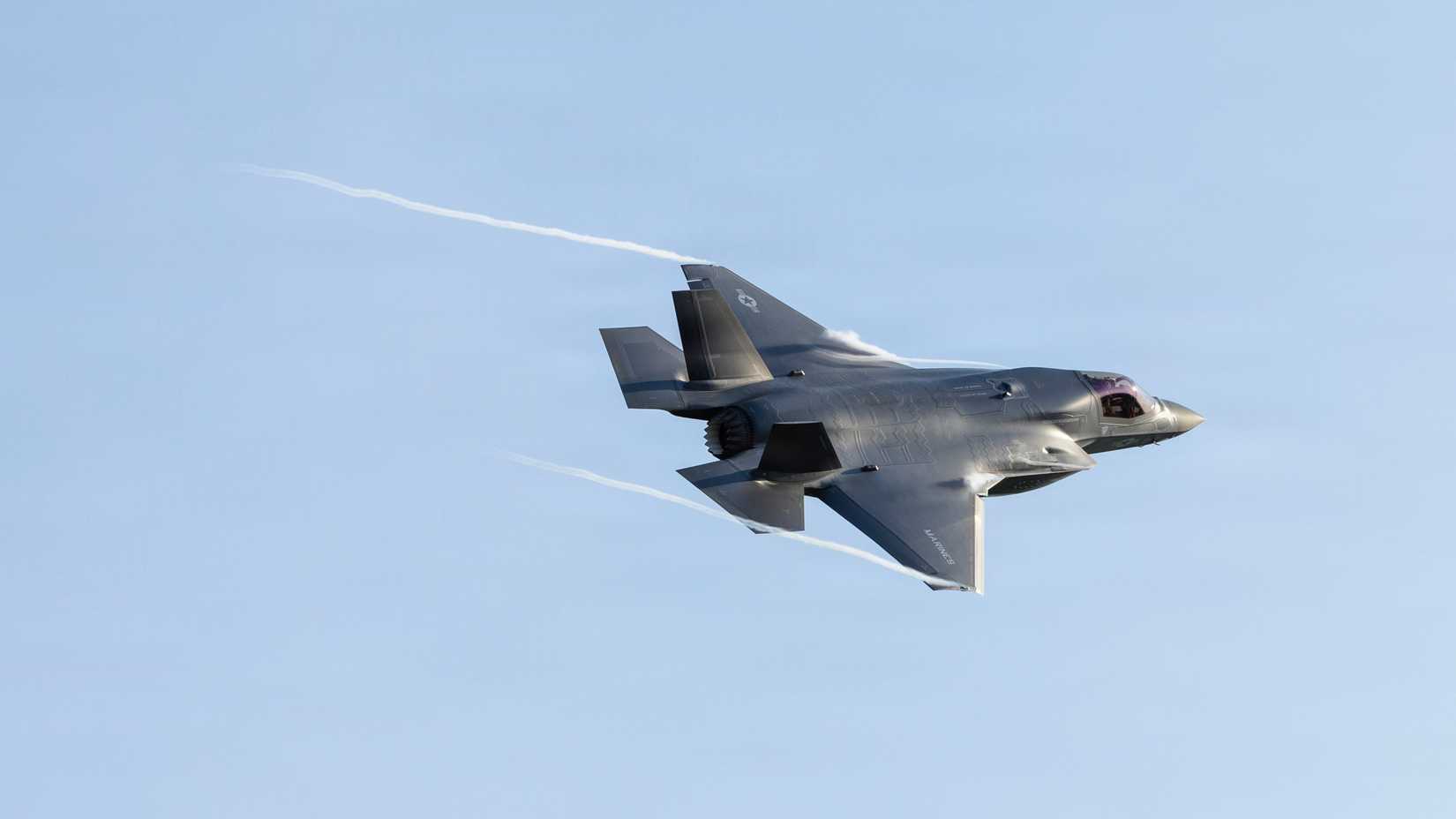
Now designated as Marine Fighter Attack Squadron 231, or VMFA-231, the unit known historically as the "Ace of Spades" marked its complete transition to the Lockheed Martin F-35B Lightning II during a formal ceremony at Marine Corps Air Station Cherry Point in North Carolina. Although the unit has received a heavily modernized airframe and a vastly expanded tactical mission set, its home base and core doctrine remain constant as aviators and ground crews complete the transition from a rugged jump jet to an advanced stealth fighter.
Founded on February 8, 1919, VMFA-231 holds the distinction of being the Marine Corps’ oldest continuously active flying squadron. Over more than a century of service, the unit has transitioned through a remarkable lineage of aircraft, moving from canvas biplanes in its earliest days to F4F Wildcats during the bitter fighting at Guadalcanal, and later operating the Harrier for over five decades. With its latest reactivation, VMFA-231 stands as the service’s tenth operational F-35B squadron out of a planned force of twelve. Having achieved "Safe for Flight" certification in August, the squadron is once again a fully combat-ready unit within the active fleet.

The Harrier Fleet Ran Out Of Time A Year Early
In parallel with VMFA-231’s operational transition, the Marine Corps officially accelerated the sundown of its legacy AV-8B Harrier II fleet. The final flight performed by a USMC pilot took place on June 3, coming a full year ahead of the originally scheduled 2027 retirement target. By accelerating the retirement of the remaining Harriers, the Marine Corps instantly freed up substantial budget allocations, maintenance personnel, and hangar space at Cherry Point, thereby expediting the broader overhaul of its fifth-generation fighter fleet.
Speeding up this complex process also helped alleviate the primary bottleneck in standing up new F-35B squadrons: not merely the physical manufacturing of the jets, but the extensive retraining of personnel. Concluding the Harrier program ahead of schedule allowed hundreds of highly experienced mechanics, maintainers, and technicians from squadrons like VMA-231 and VMA-223 to enter the F-35 training pipeline, accelerating Safe for Flight certifications for multiple incoming units.
Moving VMFA-231 ahead of schedule keeps the service strictly aligned with its overarching force design blueprint. In a striking geopolitical twist, the fate of those retired Harriers has created an ironic development involving one of America’s key transatlantic allies: the Spanish Navy. Because spare parts were no longer being manufactured for its own fleet of expeditionary Harriers, Spain quickly stepped in to acquire five newly retired USMC Harriers exclusively to harvest them for critical spare parts.

Jump Jets And The Evolution Of Air Warfare In The 21st Century
Spain recently walked away from acquiring the F-35B stealth jet, opting instead to sign a massive $7 billion Eurofighter Typhoon contract and extend its reliance on domestic aerospace partnerships. To prevent its flagship amphibious assault ship, the Juan Carlos I, from being downgraded to a basic helicopter carrier, Madrid committed to keeping its aging Harriers flying until at least 2032.
While the Eurofighter is an exceptionally capable aircraft for land-based air force missions, it cannot take off from Spain’s amphibious flagship. Because that vessel relies on a short-takeoff and vertical-landing ski-jump deck, the F-35B remains the only modern production fighter capable of replacing its fleet. Looking toward European suppliers instead, Spain is pivoting to build a true conventional, catapult-launched aircraft carrier capability, relying heavily on French industrial cooperation and broader European multirole aerospace initiatives.
This trajectory closely mirrors the strategic path the US Marines are pursuing for future force reorganization as the final F-35 squadrons approach full combat capability. Both forces are explicitly acknowledging that the geographic flexibility of a short-takeoff and vertical-landing fleet comes with severe operational limitations in a high-end conflict, forcing a tactical rebalance toward heavier, long-range carrier aviation.
What The F-35 Adds To A Harrier Squadron
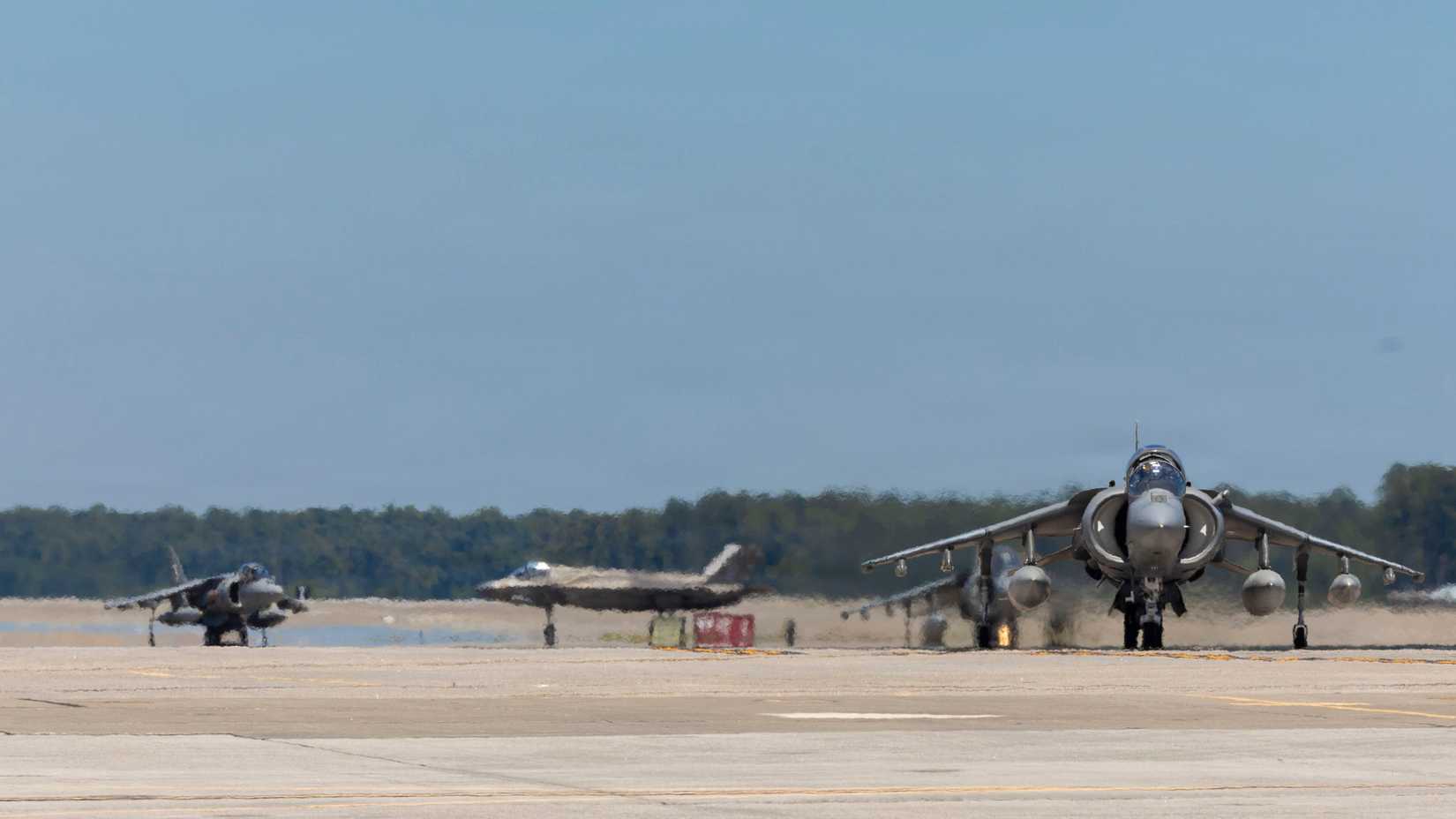
When analyzing the technological leap from the legacy AV-8B Harrier II to the fifth-generation F-35B and F-35C, the improvements extend far beyond a lower radar cross-section. Performance metrics demonstrate that the AV-8B Harrier was severely limited as a strictly subsonic attack aircraft. If a Harrier pushed past Mach 0.9 in a dive, it encountered severe aerodynamic buffeting and instability. By contrast, both the F-35B and F-35C are fully supersonic platforms capable of dashing at Mach 1.6 while carrying internal weapon loads.
In terms of weapon-systems integration, the Harrier’s antiquated avionics pale in comparison to the architecture of the Joint Strike Fighter. Within the F-35 family, advanced flight computers handle flight mechanics entirely, while the aircraft seamlessly fuses data from its Active Electronically Scanned Array radar, Distributed Aperture System, and Electro-Optical Targeting System into a single, cohesive tactical picture projected directly onto the pilot’s helmet visor.
Furthermore, the Harrier’s combat radius was tightly constrained, requiring frequent aerial refueling or close proximity to a front-line amphibious ship. By omitting vertical-lift machinery entirely, the carrier-optimized F-35C packs a massive internal fuel tank that delivers more than double the unrefueled strike range of the aircraft it replaces.
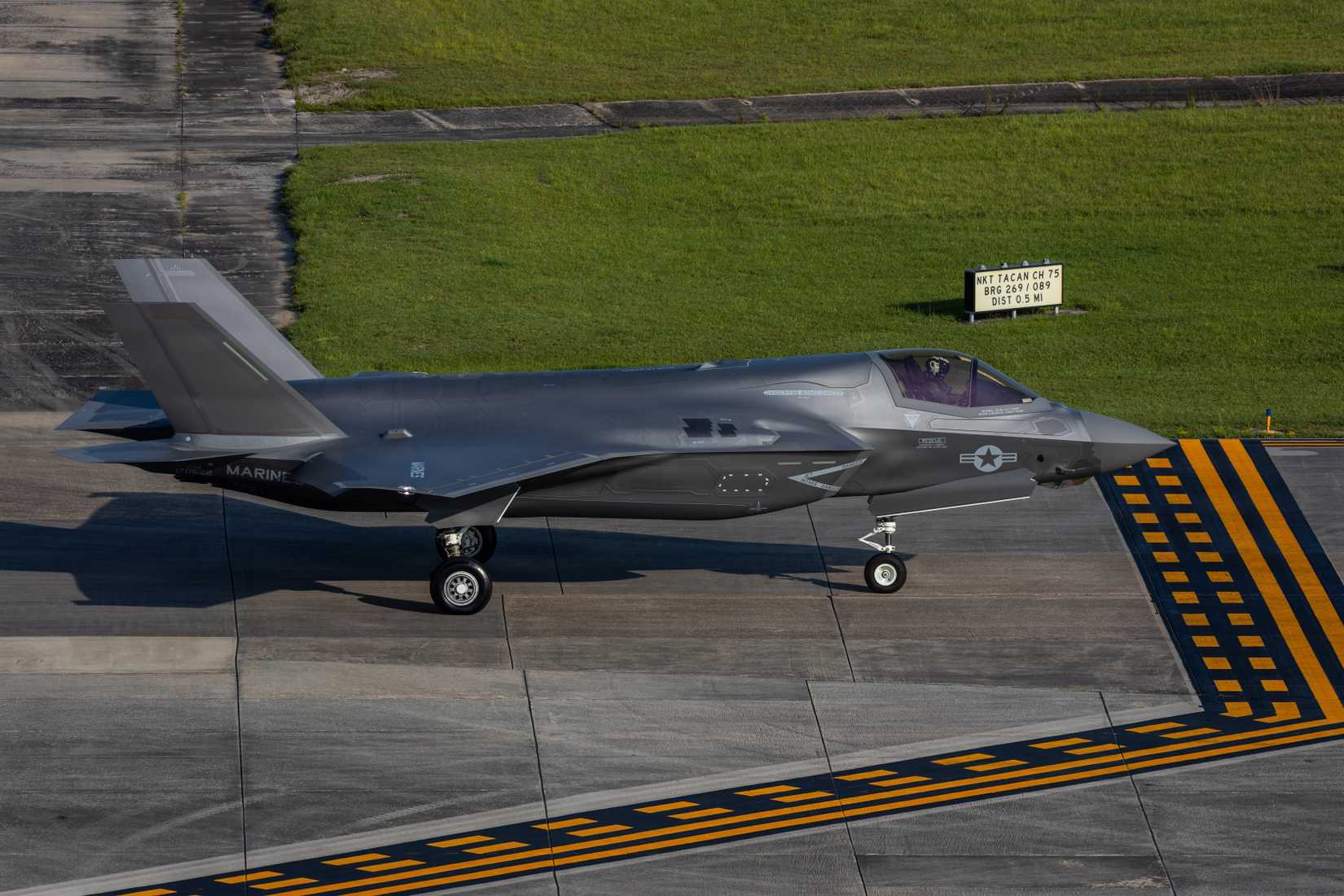
The combination of stealth and extended range is especially critical as the Marine Corps executes a comprehensive force realignment under the broader pivot to the Pacific across the entire United States Armed Forces, where the tyranny of distance remains a formidable factor in all modern air operations. Additionally, stealth has become an operational necessity as advanced anti-aircraft systems and opposing stealth fighters pose the primary threat to Marine Corps amphibious assault ships and expeditionary units stationed ashore across the first and second island chains.
Readiness Is The Real Test Of The Conversion
VMFA-231 is not the only squadron returning to active service at Cherry Point. VMFA-251 became the first East Coast Marine F-35C squadron in 2024. Meanwhile, VMFA-115 was deactivated at MCAS Beaufort in South Carolina in 2023 when its legacy Hornets were retired, before flying its first F-35C on July 31 and preparing to return to operational service later this year.
Operational readiness remains a central metric for evaluating these conversions. Historical assessments by the Congressional Budget Office examined how frequently these aircraft are ready to fly, noting that F-35B availability historically shifted as fleets matured, mirroring the operational realities of complex, software-heavy tactical jets. A squadron planning complex ship deployments requires sufficient aircraft ready on demand rather than on historical averages. The Gulf War provided a benchmark where Harriers operating close to the front maintained high readiness rates with turnaround times measured in minutes, whereas the F-35B requires significantly more support infrastructure to achieve comparable sortie generation. Furthermore, complex software dependencies can occasionally ground modern stealth fighters just as reliably as mechanical hardware failures.
Under the updated Marine Corps Aviation Plan, every operational F-35 squadron is scheduled to receive 12 aircraft by 2030, an increase from the present strength of 10 jets per squadron. Under this same plan, total F-35B procurement figures were adjusted from 353 down to 280 aircraft, while the Marine Corps increased its planned F-35C orders from 67 to 140 jets. This restructuring will ultimately support 12 operational F-35B squadrons and eight F-35C squadrons across the force.
A Record That Runs From Biplane Dogfights To Stealth Air Supremacy
Historical records trace the lineage of VMFA-231 back to Miami, Florida, where it was established on February 8, 1919, as 1st Division, Squadron D. On July 16, 1927, personnel under the command of Major Ross E. Rowell participated in the Battle of Ocotal in Nicaragua, executing pioneering dive-bombing attacks using five de Havilland DH-4B biplanes. At the time, the unit was designated as Marine Observation Squadron One, an organizational title that underscores the vast evolution of modern tactical aviation.
The Pacific War brought the squadron its sternest historical tests. The unit relocated to Hawaii in January 1941, contributed to the defense of Midway, and arrived at Guadalcanal on August 30, 1942, flying SBD Dauntless dive bombers as part of the Cactus Air Force. By October 3 of that year, 11 of its 12 original aircraft had been destroyed or rendered unserviceable. The squadron returned to combat in the Marshall Islands in February 1944 and transitioned to F4U Corsair fighters that October.
The post-war era brought administrative reorganization rather than combat deployments. The squadron was deactivated in March 1946, returned to the Marine Corps Reserve in September 1948, and was deactivated once more in August 1962. It returned to active service on May 15, 1973, to begin operating the Hawker Siddeley AV-8A Harrier, the jump jet that would define its operational identity for the next 52 years. That aircraft provided the Marine Corps with a uniquely flexible and responsive aviation asset tailored closely to its expeditionary ethos.
The Harrier years began quietly in October 1976 when the squadron deployed aboard the USS Franklin D. Roosevelt with Carrier Air Wing 19, visiting ports in Spain, Italy, Egypt, and Kenya before returning to Cherry Point in April 1977. During the mid-1980s, the unit upgraded to the AV-8B Harrier II, incorporating a larger composite wing and significantly enhanced avionics. The aircraft proved so successful as a close air support platform for the Marine Air-Ground Task Force that the service remained reluctant to retire it, even as the fifth-generation F-35 began entering service.
Related News