The Latest Attempt to Resurrect Pan Am: Can the Legendary Name Finally Fly Again?
Article Editorial Team

The commercial aviation landscape in the United States today bears almost no resemblance to the industry that existed sixty years ago. Major legacy carriers such as American Airlines, Delta Air Lines, and United Airlines now dominate the skies, operating massive, highly integrated long-haul networks both domestically and internationally. Over the decades, a wave of high-profile mergers and corporate consolidations reshaped the market, swallowing up dozens of once-prominent competitors. Several notable airlines ultimately went out of business entirely, with one of the most heartbreaking liquidations occurring in December 1991, when Pan American World Airways officially ceased operations.
Pan Am was far more than just a commercial airline; it was widely regarded as the de facto flag carrier of the United States and one of the most legendary aviation brands in global history. From pioneering transpacific and transatlantic air travel with its iconic flying boats to shaping modern international commercial aviation, Pan Am sat at the pinnacle of the industry. Yet, mounting financial pressures, deregulation, and changing market dynamics ultimately left the pioneering giant behind, forcing a permanent grounding that stunned the aviation world.
Despite the tragic end of the original carrier, the powerful brand identity has refused to stay buried. The name was first revived in 1996 by a new entity, sometimes referred to as Pan Am II, though that incarnation lasted just two years before merging with Carnival Airlines. Subsequent attempts followed: Pan Am III was established in 1998 and went out of business by 2004, while a fourth iteration operated scheduled and charter flights between 2010 and 2014 before also fading away. Now, a fresh group of private investors is betting that this time will be different, actively pursuing Federal Aviation Administration (FAA) certification to launch a brand-new iteration of Pan Am.
The New Pan Am Coming To The US
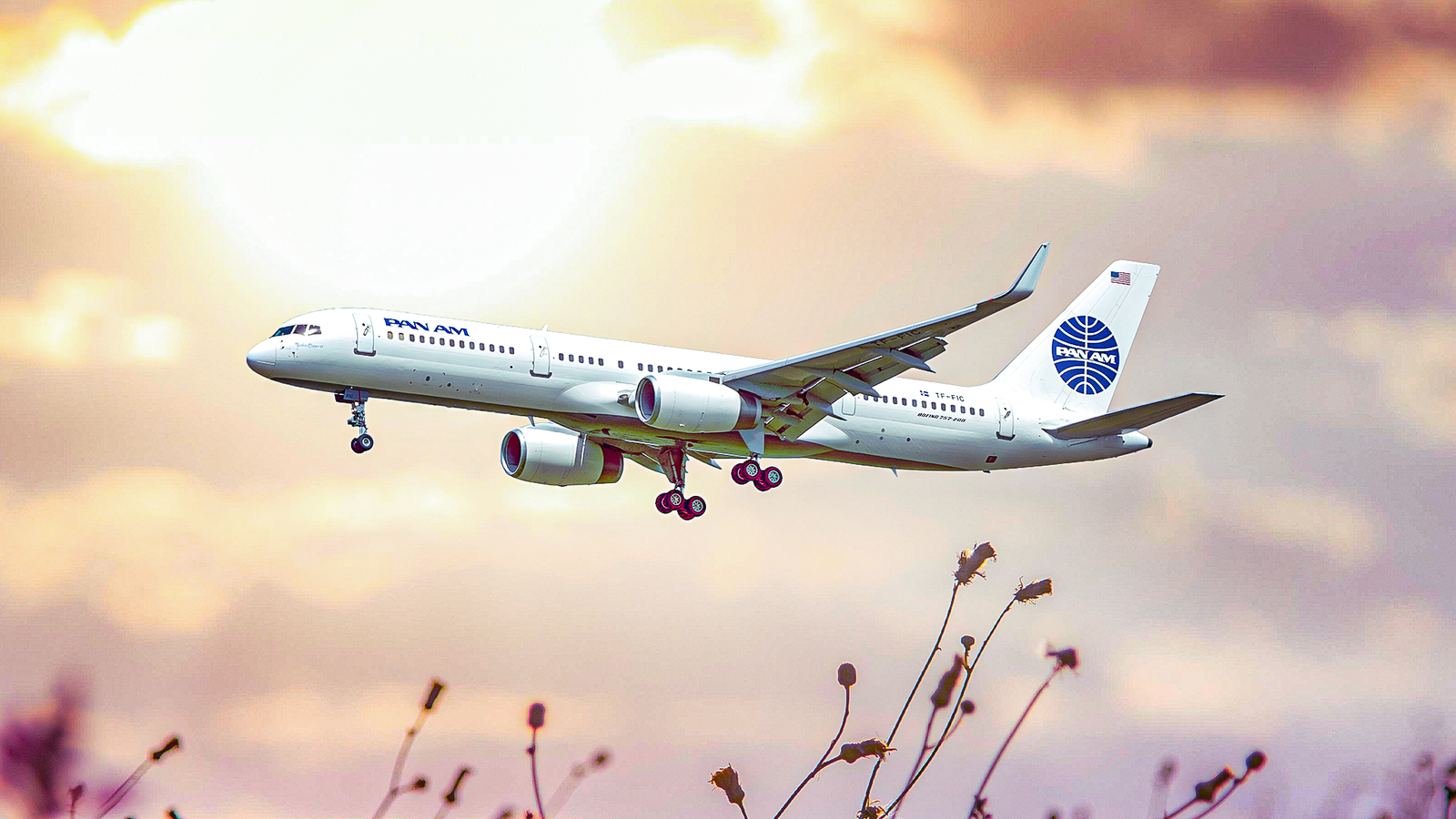
Although the iconic Pan Am name has been recycled on multiple occasions over the past three decades, none of its previous reincarnations ever mirrored the massive, globe-spanning international network that defined the original carrier during its mid-century zenith. In June 2025, the famous blue globe logo briefly returned to the skies for a series of curated charter flights designed to pay tribute to the airline’s golden age. These exclusive journeys utilized all-business-class Boeing 757 aircraft—a specific aircraft type that the original Pan Am never actually operated in commercial service—and were designed to run for only a brief period.
During the execution of these nostalgic charter flights, Avi8 Air Capital began collaborating closely with Pan American Global Holdings, the legal owner of the coveted Pan Am brand rights, to evaluate the operational and economic feasibility of a full-scale revival. Following the development of a comprehensive business plan, the newly formed corporate entity initiated the rigorous process of seeking FAA certification in October 2025 with the ultimate goal of resuming active commercial operations. Specifically, the enterprise is pursuing Part 121 certification, representing the strictest and most comprehensive set of regulations enforced by the FAA for commercial air carriers operating large transport aircraft on scheduled passenger, cargo, or charter services.
Company leadership has confirmed that the newly minted airline will establish its corporate headquarters in Miami, Florida. When it comes to fleet strategy, management has signaled a preference for modern Airbus equipment, targeting the Airbus A220 family or reliable, pre-owned Airbus A320-series aircraft to build out initial capacity. CEO Ed Wegel noted in public statements that the airline ultimately intends to integrate the advanced Airbus A320neo into its operational fleet at a future date, contingent upon the stabilization of ongoing global aerospace supply chain constraints and engine availability issues. To build a robust foundation, the company has already secured strategic supplier partnerships, including an agreement with Amadeus to power its core IT and distribution infrastructure, Avengers Flight Group for professional pilot simulator training, and Airbus for the manufacturer’s advanced SkyWise Digital Suite.

What Part 121 Certification Entails
Navigating the American regulatory environment requires a clear understanding of federal flight operation rules, and Part 121 stands as the gold standard for stringent oversight. Part 121 governs scheduled air carriers operating large transport aircraft, making it the most rigorous category of regulation for US commercial operators. However, holding a Part 121 certificate does not exclusively dictate a traditional scheduled airline business model; the regulatory framework also applies to major dedicated charter operators such as Atlas Air, Omni Air International, and the newly established Eastern Airlines. The core of Part 121 focuses entirely on operational safety, aircraft airworthiness, maintenance standards, and the depth of FAA oversight required, rather than how a company chooses to sell its seats.
Under this strict regulatory framework, the FAA conducts exhaustive scrutiny of an applicant’s operating procedures, corporate manuals, maintenance programs, and organizational structure to ensure total compliance with federal law. Federal inspectors verify that the airline’s chosen aircraft are properly equipped for commercial service and that the company is actively recruiting and vetting highly qualified flight crews who will undergo comprehensive, FAA-approved training programs. Additionally, the regulatory review covers intricate operational elements including route planning, flight dispatch, emergency procedures, and the safe handling of dangerous goods, requiring applicants to submit voluminous documentation for meticulous evaluation.
The certification process extends far beyond desk reviews of written manuals. The FAA performs extensive on-site inspections, facility audits, and direct operational observations, while the applicant airline must successfully execute a series of proving tests under federal supervision. This multi-phase process is notoriously time-consuming and expensive, often taking several months or even years to complete. For a newly formed startup airline generating no initial passenger ticket revenue, the extended timeline required to secure Part 121 certification places significant financial pressure on investors and leadership, making efficiency and adequate capitalization critical to survival.
The Business Plan For Pan Am
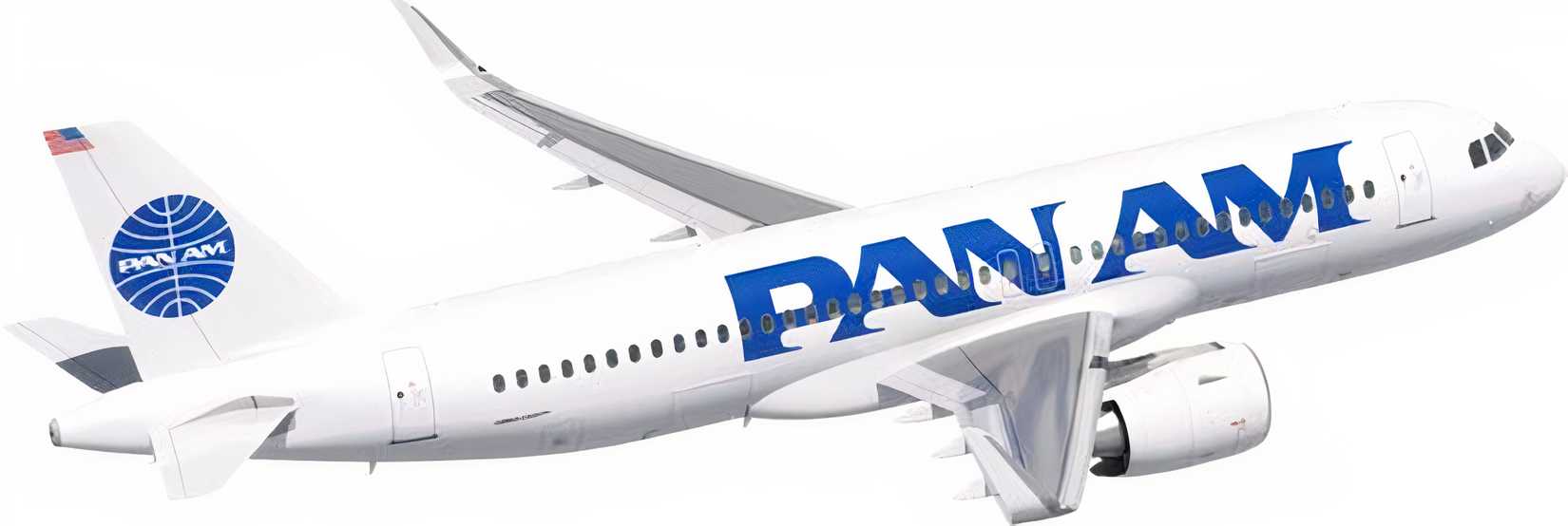
Despite leveraging one of the most recognizable and storied brand names in aviation history, the new Pan Am venture does not initially plan to operate standard ticketed commercial flights for the general public. Instead, the company’s immediate strategy centers on operating high-end charter services, with traditional scheduled passenger routes slated for introduction at a later, unspecified date. Company leadership has previously indicated that the airline’s aircraft configurations will feature distinct multi-class service cabins, likely blending standard economy and extra-legroom seating alongside a dedicated domestic first-class or premium business cabin to cater to affluent travelers.
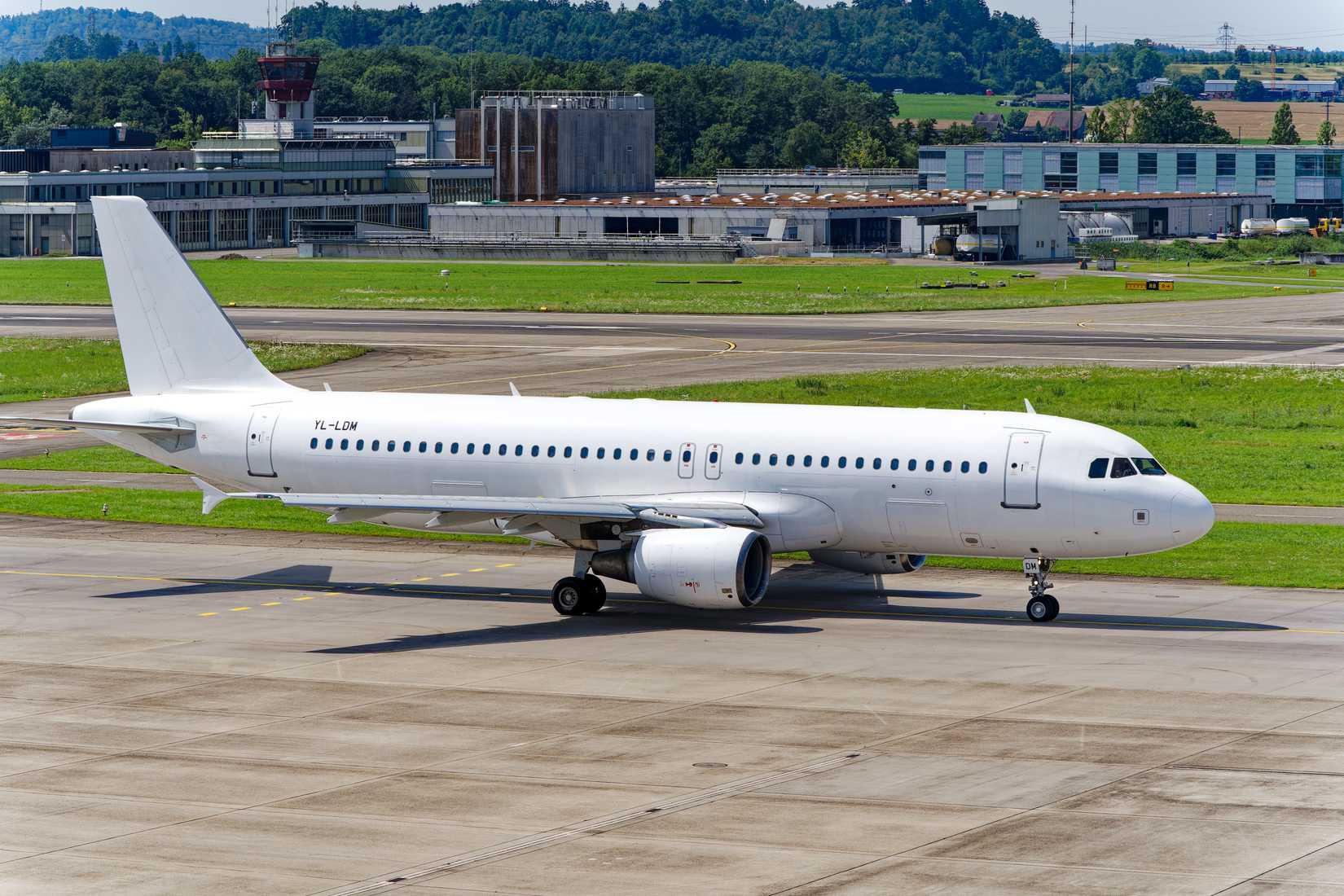
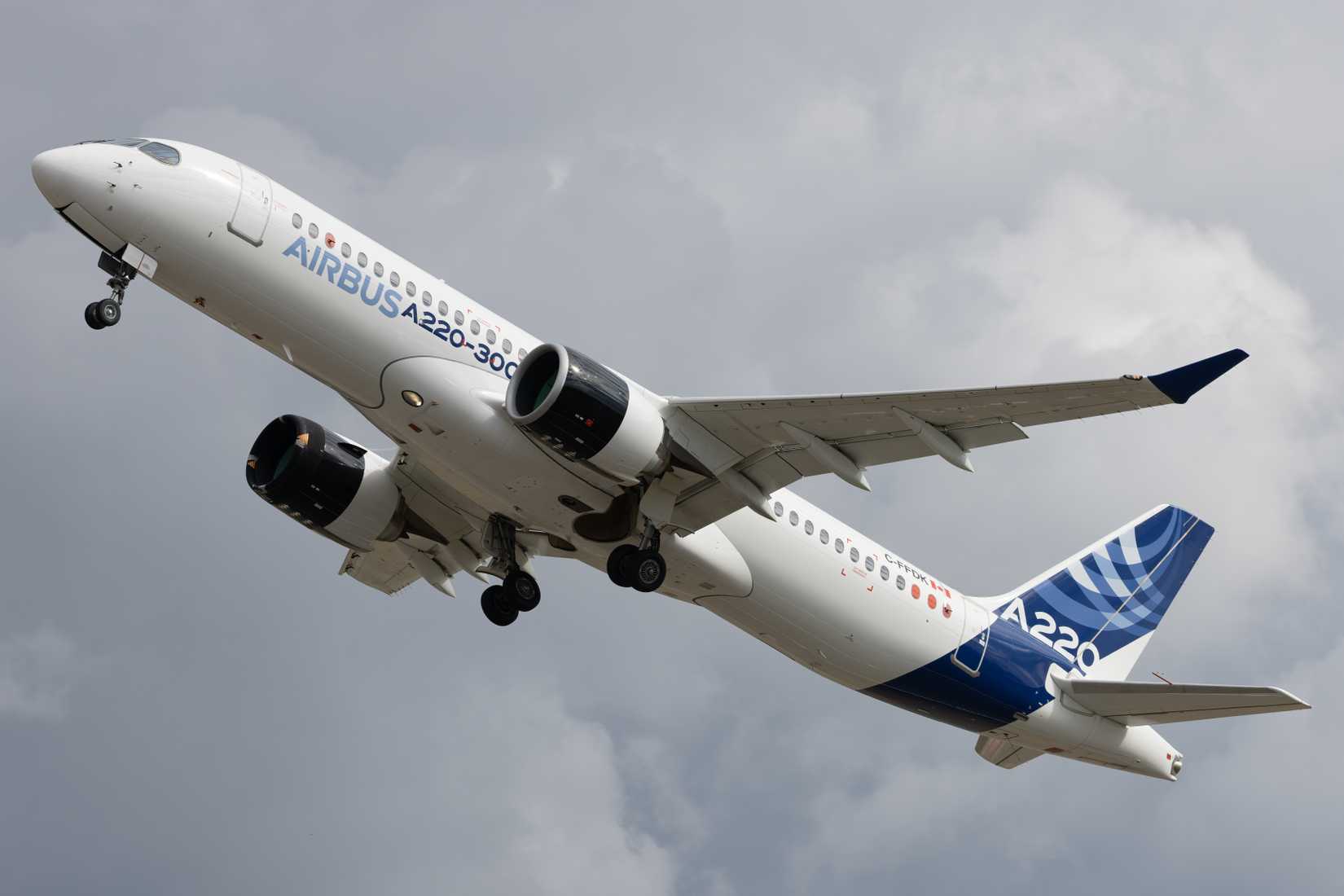
While the exact composition of the fleet remains fluid, the modern Airbus A220—specifically the larger A220-300 variant—stands out as the clear front-runner for the startup’s long-term operations. However, because newly manufactured A220 aircraft face strong global demand and frequent delivery delays, management is actively evaluating pre-owned Airbus A320-200 aircraft as a practical backup plan to ensure fleet induction can proceed without severe bottlenecks. Whether the advanced A320neo remains part of the long-term acquisition strategy will depend on manufacturing timelines, but the ultimate goal is to scale a versatile narrowbody fleet while keeping the door open for widebody additions in the future.
While regulatory approvals move forward, Pan Am continues to expand its footprint in the luxury travel sector through non-scheduled ventures. The company has actively marketed exclusive long-haul excursions, such as a 19-day all-inclusive luxury tour throughout Africa, utilizing a dedicated Boeing 757-200 outfitted exclusively with business-class seating. Because these specialized luxury tours are physically operated by certified carriers like Icelandair, they operate independently of the startup’s pending FAA Part 121 certification process. Through these offerings, the enterprise is deliberately evolving into a broader lifestyle and hospitality brand rather than relying solely on traditional airline operations.
The Other Ventures Of The New Pan Am
The newly revived Pan Am brand is pursuing a diversified business model designed to generate steady revenue streams across multiple distinct consumer segments while insulating the company from typical aviation market downturns. Under the newly established ‘Pan Am Journeys’ subbrand, the company has curated a series of private jet tours targeting affluent travelers. Alongside its African excursions, the company has opened bookings for specialized luxury trips, including a golf-themed itinerary to Ireland utilizing the same dedicated business-class Boeing 757 aircraft.
Further expanding its experiential reach, the brand partnered with Holland America Line to charter the cruise ship Zuiderdam for a unique Caribbean voyage. This maritime journey is designed to meticulously replicate historic routes originally pioneered by the legendary Pan Am flying boats during the golden age of aviation, with departure scheduled for late 2027. The diversification strategy extends well beyond the water and the skies, reaching directly into real estate and hospitality through a high-profile licensing agreement with Hilton.
Through this partnership, the upcoming ‘Pan Am Hotel’ is slated to open near the Citadel Outlets close to Los Angeles. The property’s architectural design and interior aesthetic pay direct homage to the mid-century modern era of the original airline, incorporating vintage memorabilia, branded artworks, and themed hospitality touches alongside two on-site restaurants and a state-of-the-art fitness center. By spreading its presence across aviation charters, luxury land and sea tours, and hospitality ventures, the ownership group is positioning Pan Am as a comprehensive premium lifestyle brand capable of capturing consumer interest from multiple angles.
Why Travel With The New Pan Am
The market for premium travel is undeniably lucrative, and demand for high-end seating options within the United States has surged in recent years. Major legacy competitors like Delta Air Lines and United Airlines have capitalized heavily on this trend, successfully capturing affluent consumers by offering elevated onboard products paired with expansive domestic and global networks. A primary reason travelers consistently choose carriers like Delta and United for premium experiences is their sheer scale; they operate massive, worldwide route networks backed by robust flight schedules, frequent flyer programs, lucrative credit card partnerships, and extensive corporate contracts.
In stark contrast, the newly revived Pan Am enters the marketplace starting from scratch, lacking an established frequent flyer program, airline alliance partnerships, co-branded credit cards, corporate travel contracts, and baseline operational cachet. While the historic Pan Am name still evokes deep nostalgia among older aviation enthusiasts and niche history buffs, the vast majority of modern travelers booking premium cabins tend to prioritize the convenience, reliability, and schedule frequency offered by established mega-carriers. Furthermore, because the startup’s initial network footprint will inevitably be small, convincing discerning passengers to choose an unproven carrier over dominant legacy airlines presents a monumental commercial challenge.
Even as the company lays the groundwork for eventual scheduled services, its initial focus remains heavily anchored in the charter and luxury tour sectors. Given the sheer dominance and financial strength of today’s major US airlines, industry observers suggest that maintaining a specialized, disciplined focus within the high-end charter and lifestyle niche might ultimately prove more financially viable than attempting a direct assault on the scheduled commercial airline market. Whether the legendary name can successfully reclaim a lasting place in the modern skies remains one of the most fascinating storylines in contemporary aviation.
Related News