Navigating Flight Cancellations: Essential Steps and Strategies for Modern Travelers
Article Editorial Team
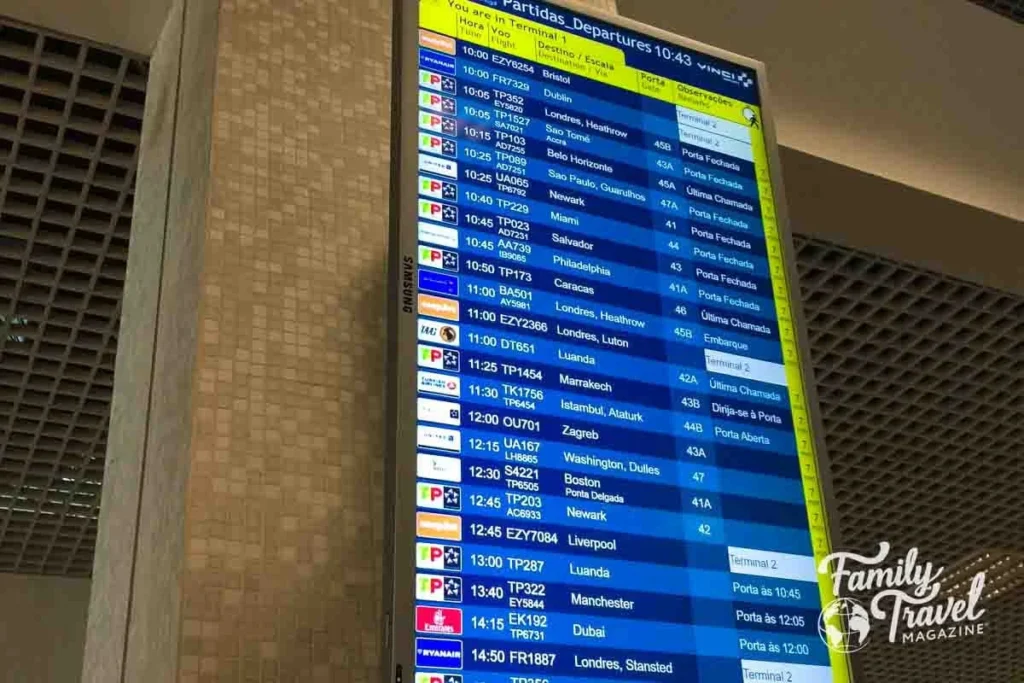
In recent years, frequent travelers have noticed a distinct shift in the reliability of commercial aviation, with flight cancellations becoming an increasingly common hurdle. Whether disruptions materialize days before a scheduled departure or strike suddenly while passengers are already stranded at the airport terminal due to extreme weather conditions, coping with a cancelled flight requires immediate action, adaptability, and a clear understanding of passenger rights and logistics. Knowing what steps to take can mean the difference between salvaging a vacation or business trip and enduring a logistical nightmare.
When traveling, unexpected disruptions can transform a carefully planned itinerary into a state of uncertainty. While external factors such as severe weather, technical glitches, and air traffic control constraints are frequently beyond the control of individual passengers, proactive planning can significantly mitigate the fallout. For critical events like weddings, cruises, or important business meetings, experienced travelers recommend building a substantial buffer by arriving at a destination well in advance to absorb potential travel delays without missing vital milestones.

Keeping track of flight statuses well before a trip is another foundational strategy. As airlines routinely update their schedules months or weeks in advance, flights are occasionally modified, canceled, or rescheduled. Although airlines are mandated to issue alerts, these notifications can easily get buried in crowded email inboxes. Many frequent flyers rely on dedicated real-time monitoring software, such as Flighty or TripIt, to automatically track itineraries, watch for subtle schedule adjustments, and flag potential disruptions before they materialize at the gate. While these applications often require paid subscriptions, travelers who fly less frequently can achieve similar results by manually monitoring their airline’s schedule.
Schedule adjustments and aircraft swaps can also trigger hidden complications, such as automatic seat reassignments. Families traveling together must remain vigilant, regularly reviewing their seating arrangements to ensure parents and children are not separated due to an unexpected change in aircraft configuration. Furthermore, keeping contact information updated with the airline during the booking and check-in processes ensures that notifications regarding last-minute cancellations or gate changes reach passengers immediately. Downloading and remaining logged into the official airline mobile application is another critical safeguard for real-time communication.
Monitoring widespread meteorological forecasts provides yet another layer of defense. When major weather events, such as winter snowstorms or powerful hurricanes, loom on the horizon, airlines frequently issue travel advisories and proactively waive change and cancellation fees. Travelers based in regions prone to severe winter weather, such as the Northeast, often utilize these advisory windows to adjust their plans ahead of time. By shifting travel dates to arrive a day or two early, passengers can frequently bypass the overwhelming operational chaos that typically plagues airport terminals during severe storms. Moreover, executing these adjustments online allows travelers to bypass notoriously long telephone hold times with customer service representatives.

When a cancellation strikes on the day of travel, the appropriate response largely depends on whether the announcement occurs at home or after arriving at the airport. Monitoring inbound aircraft tracking tools allows savvy travelers to anticipate operational failures long before an official airline announcement is made. If a flight is canceled prior to leaving for the terminal, travelers typically receive an alert from the carrier. While some airlines automatically rebook passengers onto alternative itineraries, those left unassigned should contact customer service immediately. Flexibility is paramount during these moments, as travelers may need to accept a connecting flight even if they originally booked a direct route. Passengers also retain the right to cancel their entire trip entirely, pursue alternative ground transportation, or request rerouting through a nearby secondary airport with a more favorable schedule.
When cancellations occur after a passenger has already arrived at the airport, the landscape of available options expands to include in-person assistance from gate agents. However, airport terminal lines can grow exponentially during widespread disruptions. To maximize efficiency, industry experts recommend a dual-track approach: standing in the physical queue for customer service while simultaneously dialing the airline’s reservation hotline on a mobile phone. Securing a connection through whichever medium reaches a representative first can secure vital seats before alternative flights fill up.
Throughout these stressful interactions, maintaining a calm, cooperative demeanor is essential, even when dealing with frustrated agents who are constrained by limited rebooking inventory. Travelers who have already checked baggage must also ensure that their luggage is properly accounted for and redirected. Informing the assisting agent about checked bags guarantees that baggage tags are updated to reflect the new routing, preventing luggage from traveling to an abandoned destination.

For passengers facing extended delays at the airport, long hours in terminal seating areas are often inevitable. If a cancellation results in an overnight delay, travelers should immediately inquire about airline-provided hotel vouchers. However, carriers are generally not obligated to provide accommodations for delays stemming from extraordinary circumstances, such as severe weather. In situations where passengers face a full day stranded at an airport terminal, some opt to purchase a day stay at an airport hotel at their own expense, gaining access to a private room and hotel amenities such as fitness centers and swimming pools.
Passively waiting out a delay also drains electronic devices quickly. Packing essential charging cables, portable power banks, and necessary daily supplies in carry-on luggage ensures that travelers—particularly those journeying with infants and toddlers—remain comfortable and connected throughout extended disruptions.
To offset the financial impact of unexpected flight cancellations and long delays, many travelers turn to travel insurance policies. Comprehensive coverage can reimburse additional out-of-pocket expenses not absorbed by the airline, including unexpected hotel nights, ground transportation, and emergency purchases necessitated by delayed or lost luggage. Travelers are advised to carefully review the specific terms of their policy to understand exact coverage limits, ensuring that policy documents and emergency assistance contact numbers are readily accessible throughout the journey.
Related News