Navigating the Seas: How to Choose Between an Expedition Cruise and a Traditional Cruise for Your Family Vacation
Article Editorial Team
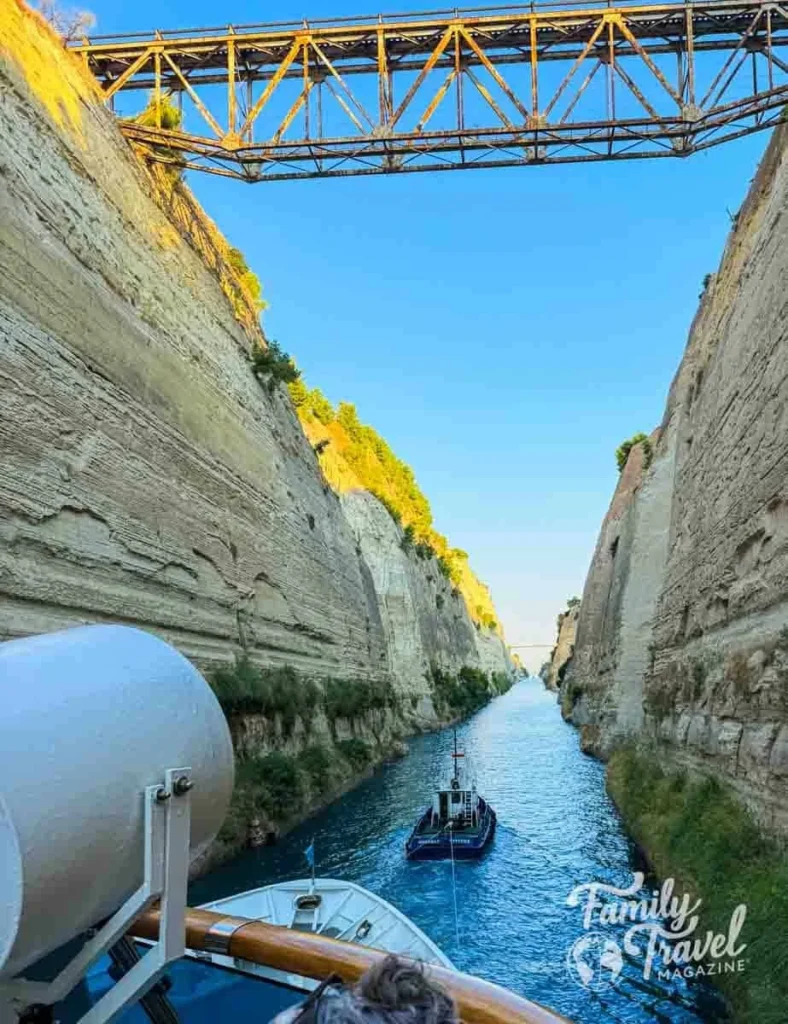
Cruising has long remained one of the most popular ways to experience the open sea, offering travelers a seamless blend of relaxation, entertainment, and global exploration. Whether planning a quick weekend getaway to the Bahamas with friends or embarking on an extended voyage with family, the allure of coastal horizons and maritime travel endures. However, modern cruise travelers face a fundamental choice when mapping out their itineraries: booking a voyage on a massive, resort-style traditional cruise ship or opting for an intimate, highly focused expedition vessel.
This past summer, one family put this distinction to the test by taking an expedition cruise with National Geographic Expeditions and Lindblad Expeditions, sailing through the waters of Greece, Albania, and Croatia. While expedition cruising operates under an entirely different operational philosophy than mainstream cruising, it presents a compelling alternative for families seeking specialized travel. Understanding the distinct characteristics of each vacation style is essential for travelers trying to decide which maritime experience best suits their household.
What Is an Expedition Cruise?
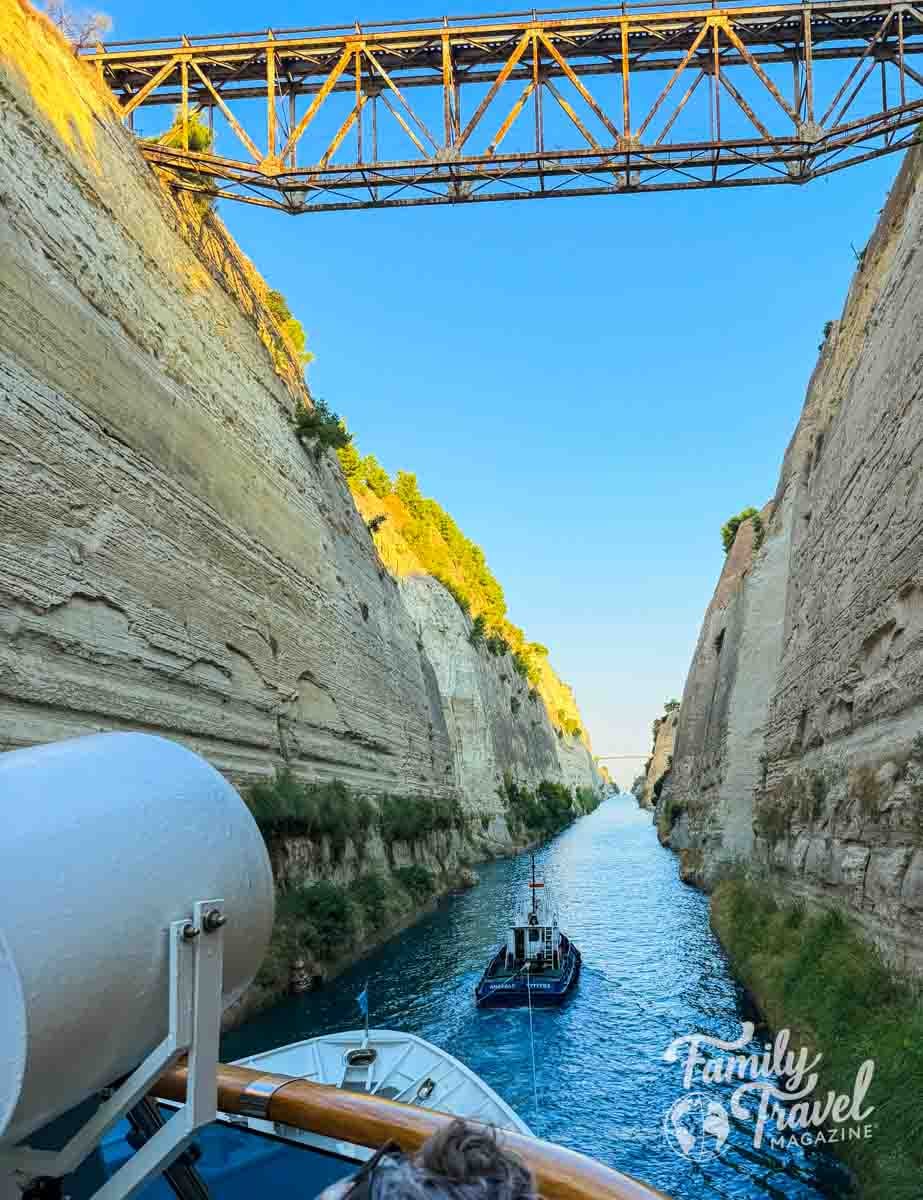
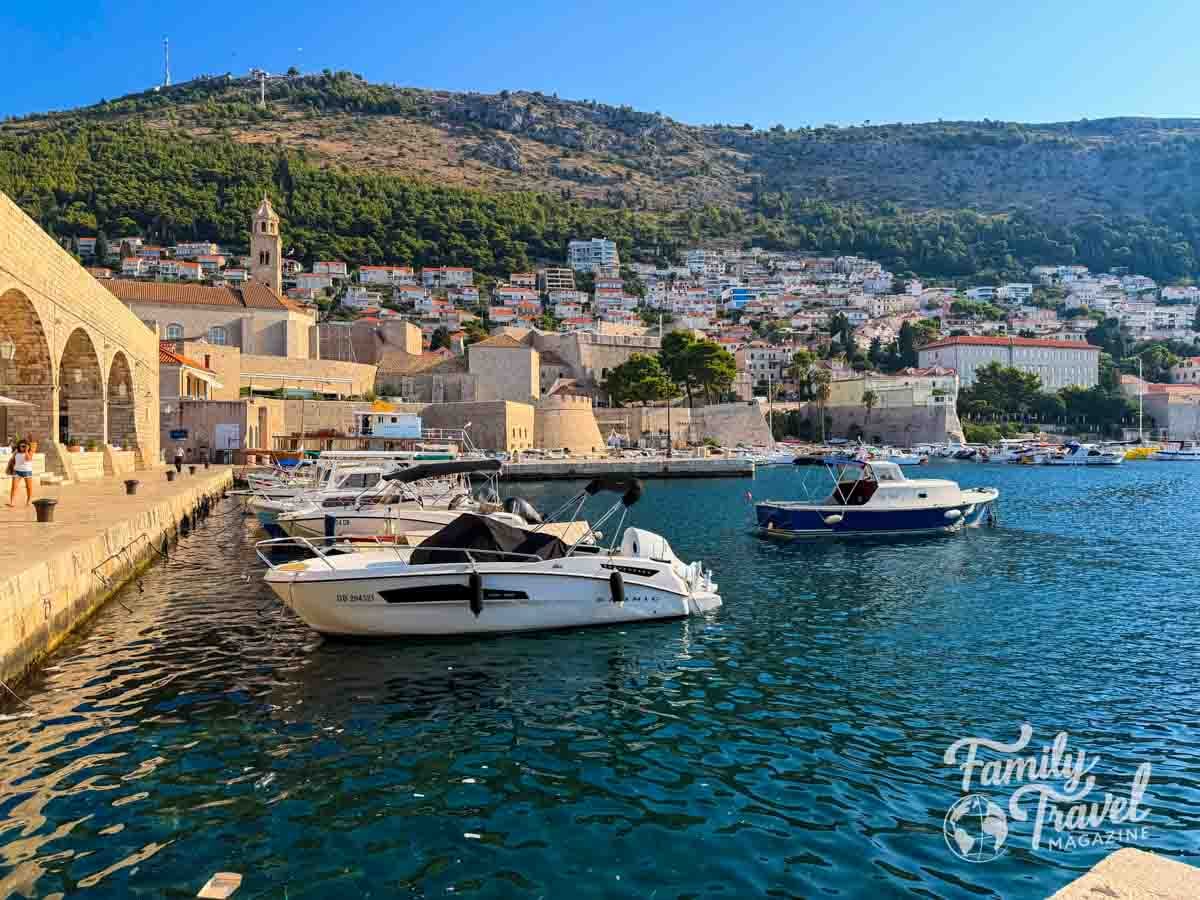
Expedition cruises typically take place on smaller, highly specialized ships that offer access to remote ports, narrow waterways, and niche routes that are entirely inaccessible to massive traditional cruise liners. While these vessels feature comfortable staterooms, dining rooms, and essential amenities comparable to standard ships, their scale is remarkably intimate. For instance, the National Geographic Orion accommodated just 102 guests during its Mediterranean voyage, contrasting sharply with the thousands of passengers hosted on standard commercial cruise ships.
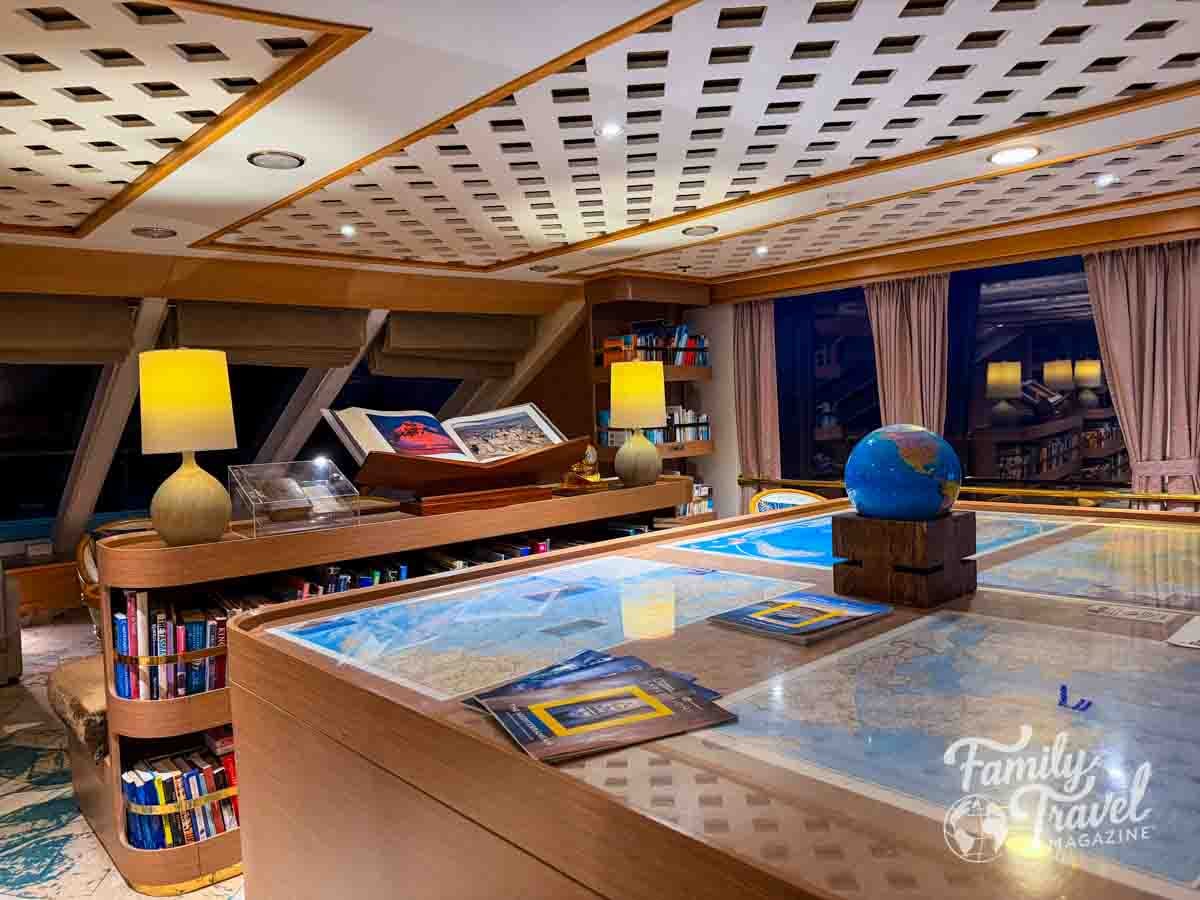
The core philosophy of an expedition cruise centers heavily on exploration, immersion, and education. Onboard enrichment programs feature specialized guides and experts who deliver lectures on marine life, local geology, regional birding, and cultural history. Daily excursions are not merely optional side trips; they form the backbone of the entire itinerary. Activities frequently involve active exploration, including guided hikes, nature walks, historical site visits, and localized excursions designed to bring travelers into direct contact with the destination.
Life on board an expedition ship differs significantly from a floating mega-resort. While passengers sleep, dine, and relax on the vessel, the onboard recreation program is intentionally understated. Travelers will not find sprawling water parks, massive production shows, extensive kids’ clubs, arcades, or packed daily schedules filled with multiple competing entertainment options. Instead, the primary value of an expedition cruise is derived from stepping off the ship to explore unique ports of call. For families looking to cover multiple destinations within a tight timeframe without wasting precious vacation hours traveling on buses and trains, expedition cruising offers a streamlined solution. Guests can explore an area during the day and seamlessly travel to the next destination overnight or during lunch on board.
What Is a Traditional Cruise?
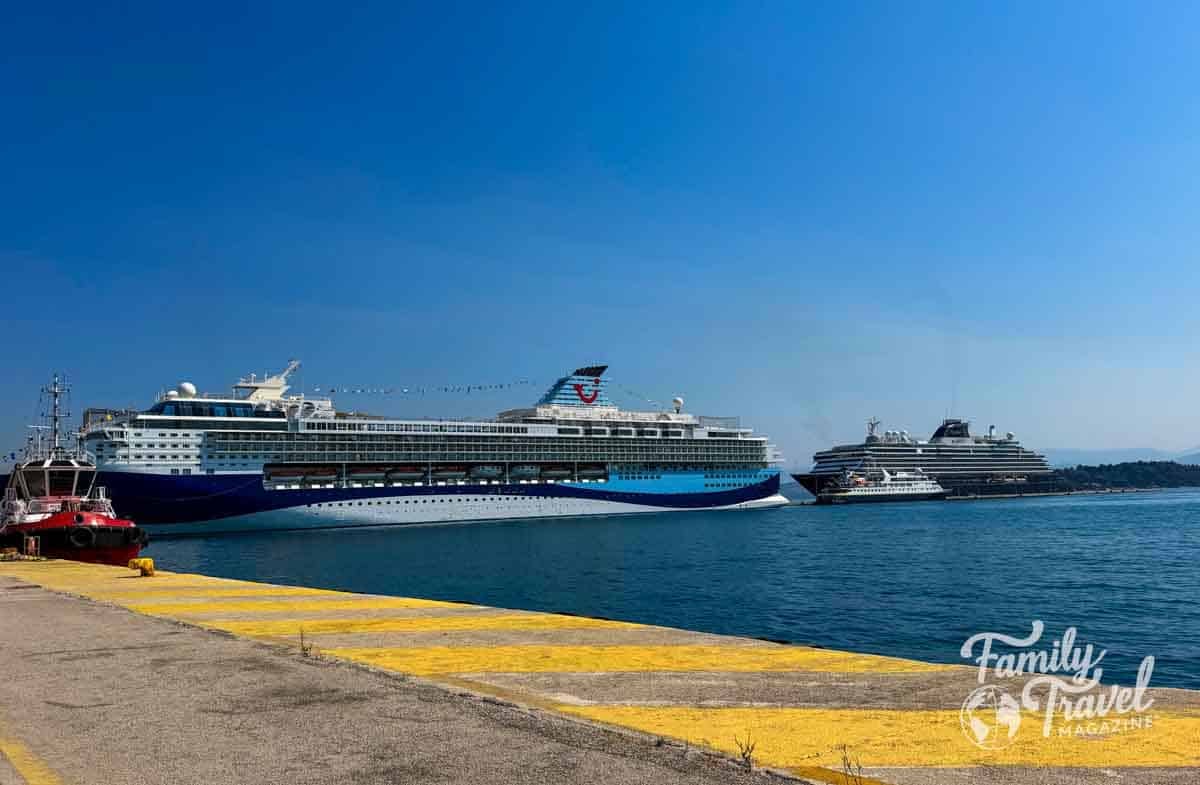
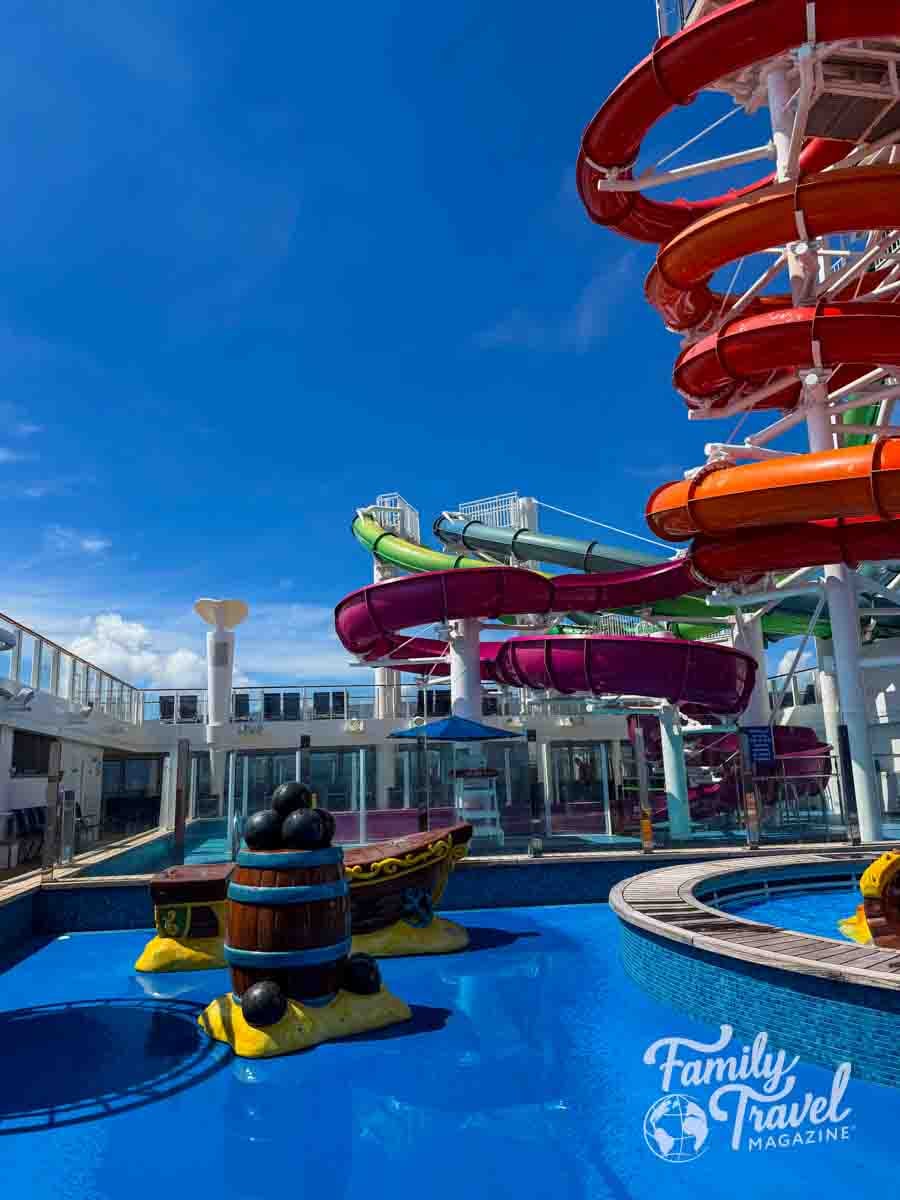
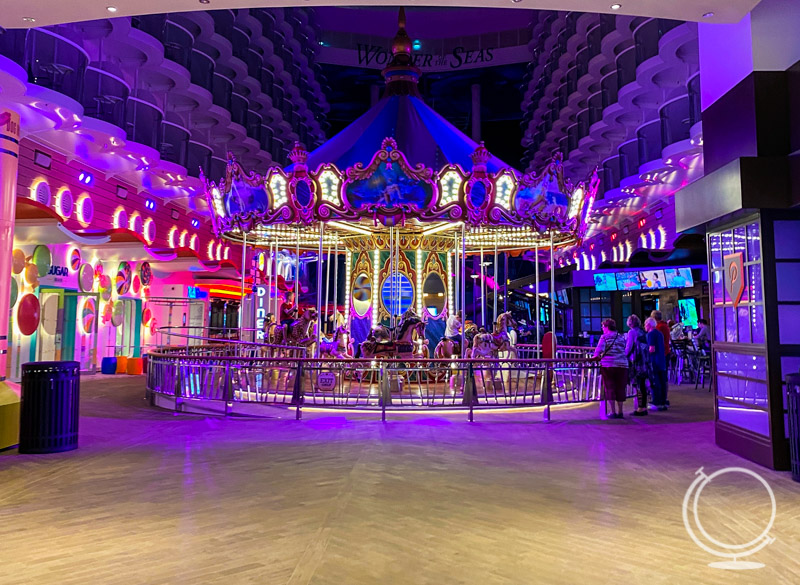
In contrast, mainstream family cruise lines offer a vast array of resort-style experiences designed to cater to diverse groups of travelers. Family-focused cruise ships are renowned for their incredible variety of onboard infrastructure. These vessels often feature sprawling pool decks, water parks, multi-level water slides, splash zones, arcades, sports decks, ziplines, amusement rides, and even onboard bowling alleys.
Beyond outdoor recreation, traditional cruise ships maintain a full schedule of daily events, including game shows, lavish production theater shows, live musical bands, magicians, and themed dance parties. Dining on a traditional cruise is similarly expansive, offering multiple dining choices per mealtime. Guests can select from casual grab-and-go spots, expansive international buffets, specialty theme restaurants, and traditional main dining rooms.
Itineraries on mainstream cruise lines often include dedicated days at sea, giving passengers complete freedom to shape their time as they choose. On sea days, travelers can relax by the pool, enjoy spa services, nap, or participate in structured onboard activities, while younger travelers can take advantage of comprehensive, age-specific kids’ clubs. When the ship arrives at a port of call, passengers have the flexibility to purchase optional shore excursions, explore the port independently, or simply remain on board to enjoy the ship’s amenities with fewer crowds.
What Ages Are Best for an Expedition Cruise?
While expedition cruise lines enforce specific minimum age requirements that vary by ship and itinerary, meeting the age threshold is only the first consideration for parents. Families must carefully evaluate whether the pace, structure, and educational focus of an expedition match their children’s personalities and interests.
In practice, expedition cruises tend to be an exceptional fit for children and teenagers who possess a genuine curiosity about history, nature, science, and global culture. Because the itinerary demands a high level of engagement and daily physical activity off the ship, younger children who require extensive downtime or resort-style entertainment may find the structure challenging. Parents must weigh the specific destination and the physical demands of the daily excursions against their children’s stamina and interests before booking.
Onboard Activities: Expedition Cruise vs. Traditional Cruise
Daily and evening routines highlight the starkest contrasts between standard commercial cruises and expedition voyages. On an expedition cruise, evenings typically feature a single, cohesive activity planned for the entire ship, fostering a strong sense of community among the small group of passengers.
Downtime is notably scarce on an expedition itinerary. Sea days are virtually non-existent, with the ship moving between destinations overnight. In some cases, itineraries feature double-port days where the vessel visits one location in the morning, sails during lunch, and visits a second destination in the afternoon, leaving only brief windows of free time on board.
Conversely, a traditional cruise overwhelms passengers with choices, offering numerous simultaneous activities across the ship. Passengers enjoy substantial downtime, particularly during multi-day ocean crossings or sea days, allowing for a relaxed vacation pace where every hour can be customized on the fly.
Dining Differences
Dining structures also reflect the operational philosophy of each ship type. On the National Geographic Orion, meals followed a structured schedule. Dinners were served in a single main restaurant with open seating and a rotating nightly menu, while breakfast and lunch were offered as informal outdoor buffet spreads. While the culinary quality was exceptionally high, guests were limited to a single dining venue per mealtime.
On a traditional cruise, culinary options are nearly limitless. Passengers can navigate a shifting landscape of casual eateries, 24-hour cafes, specialty restaurants, and main dining rooms. While assigned dining times may apply in formal dining rooms, the sheer variety ensures that diners can find virtually any cuisine or dining style at almost any hour of the day.
Cost: Which Type of Cruise Is More Expensive?
Financial considerations play a major role in vacation planning. Upfront fares for expedition ships are generally higher than those for traditional cruise lines. However, travelers must analyze the total cost of the trip rather than the base fare alone.
Expedition cruises frequently bundle a wide array of expenses into the initial booking price. On the National Geographic-Lindblad voyage, the upfront fare covered all shore excursions, alcoholic beverages, crew gratuities, and eligible airport transfers. On a traditional cruise, these ancillary costs can accumulate rapidly, as excursions, specialty dining packages, beverage packages, and gratuities are typically billed separately.
How Much Planning Is Required?
Both cruise styles require relatively little planning compared to independent land-based travel, but traditional cruises demand significantly more decision-making from the traveler.
On an expedition ship, the itinerary is tightly curated. With a limited menu of shore excursions and a structured daily schedule, guests simply select their preferred activities in advance and follow the crew’s guidance. Embarkation and debarkation are streamlined due to the small passenger count. Traditional cruises, meanwhile, require travelers to proactively manage reservations for specialty dining, shore excursions, entertainment shows, and daily onboard activities well in advance of departure.
Making the Decision
Ultimately, choosing between an expedition cruise and a traditional cruise depends entirely on the specific goals and preferences of the traveling family. For families with older children who prioritize deep destination immersion, historical exploration, and natural sciences over resort amenities like waterslides and pool decks, an expedition cruise offers an unmatched travel experience. For those seeking maximum flexibility, onboard entertainment, kids’ clubs, and abundant relaxation time, a traditional cruise remains the ideal choice. Both styles deliver exceptional vacations, provided the format aligns with the travelers’ expectations.
Related News