Exploring the Heart of Spain: A Comprehensive Cultural and Culinary Journey Through Madrid
Article Editorial Team
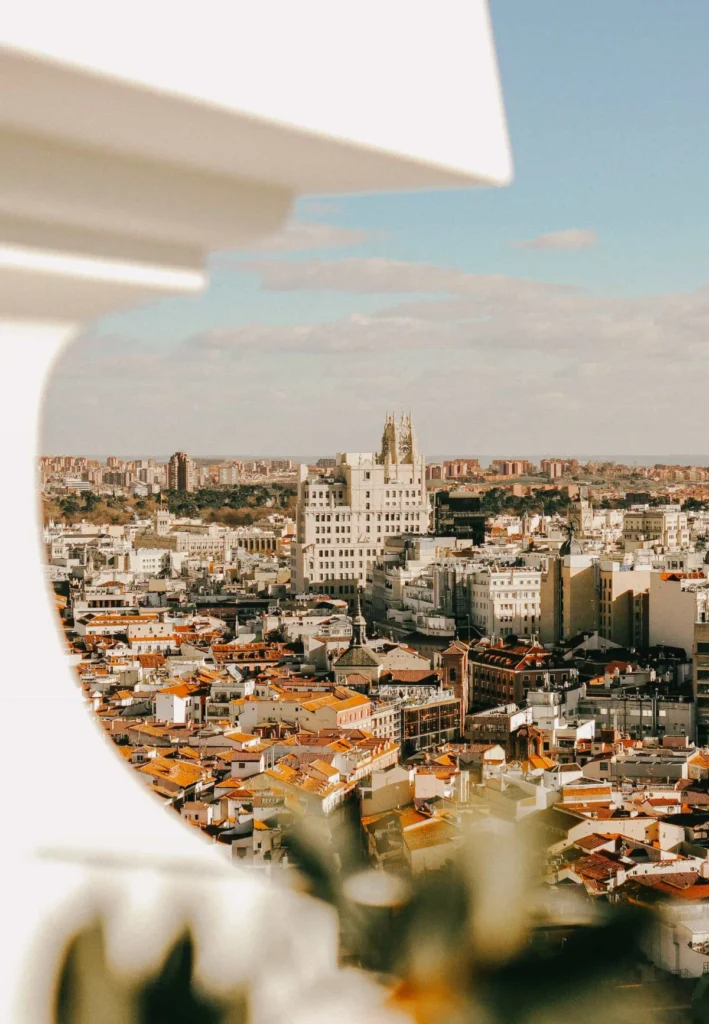
As the vibrant capital of Spain, Madrid serves as a monumental draw for travelers seeking an immersive city break that deepens with every day spent exploring its rich streets. Far beyond a fleeting European getaway, Spain’s largest metropolis is a destination that reveals its true character the longer visitors remain, peeling back layers of history, art, and daily local life. From world-renowned cultural institutions like the Prado Museum, the Reina Sofía Museum, and the majestic Royal Palace to lesser-known neighborhood enclaves, exceptional gastronomic destinations, and bustling local markets, Madrid offers a multifaceted urban experience that continually captivates international visitors.

Yet, planning a comprehensive itinerary for a destination of this scale can often prove daunting for first-time and returning travelers alike. Navigating the sheer volume of cultural attractions, dining establishments, and historical landmarks requires careful navigation to balance major sights with authentic local discoveries. Drawing from extensive, repeated travels to the Spanish capital, seasoned observers have mapped out a versatile five-day framework designed to seamlessly blend iconic landmarks with hidden neighborhood gems. While structured to span five days, the itinerary remains entirely flexible, allowing travelers to expand their stays or tailor their daily sightseeing to match individual preferences and time constraints.

Day One: Galleries, Grandeur, and Historic Architecture
The initial day in the Spanish capital dives directly into the city’s extraordinary artistic heritage, beginning within the Landscape of Light, known locally as the Paisaje de la Luz. Recognized as a UNESCO World Heritage Site, this expansive cultural landscape spans nearly two square kilometers of central Madrid, encompassing historic boulevards, botanical gardens, and monumental architecture.

Travelers begin their morning at the renowned Prado Museum, situated firmly in the heart of the city. As one of Europe’s most prestigious cultural repositories, the Prado houses thousands of globally celebrated masterpieces. Rather than attempting to navigate the vast collections in a single exhaustive visit—which frequently leads to museum fatigue—experts recommend prioritizing a focused three-hour exploration of specific galleries. Among the essential works is Diego Velázquez’s monumental 17th-century painting Las Meninas, where visitors frequently search the complex canvas for the intricately detailed red jug.

For a midday culinary break, visitors can transition from high art to traditional local fare by heading to Restaurant La Campana or surrounding establishments at the historic Plaza Mayor. Here, the city’s iconic fried calamari sandwich, the bocadillo de calamares, serves as a hearty lunch staple, traditionally accompanied by generous amounts of aioli and a glass of regional Spanish wine.

Following lunch, the afternoon itinerary continues at the Reina Sofía Museum, where the primary cultural draw is Pablo Picasso’s monumental 1937 anti-war painting Guernica. Created during Picasso’s time in Paris, the monumental canvas commands deep historical reflection, having famously required over thirty-five days of intensive creation.

Visitors seeking a more intimate gallery experience can alternatively explore the Museum of Romanticism, located within a historic home in the vibrant Malasaña and Chueca districts. This specialized venue showcases period decorative arts alongside works by prominent artists such as Francisco de Goya, offering a serene counterpoint to the city’s larger galleries. To conclude the first evening, travelers frequently secure reservations at the Bodega de los Secretos, a subterranean wine cellar dating back to the 1600s that offers an atmospheric introduction to Madrid’s historic dining culture.

Day Two: Culinary Traditions and Neighborhood Footsteps
Following a culturally intensive opening day, the second phase of the journey shifts focus toward the city’s dynamic culinary ecosystem and historical neighborhood walks. The morning commences at the Mercado de Vallehermoso, a genuine local market prioritizing fresh raw ingredients and artisanal provisions over pre-prepared meals. Within the market, visitors sample pastries at Le Creperie or source poultry supplies at the famous Gómez Ortiz Brothers Chicken Shop, an establishment renowned for supplying several of the city’s Michelin-starred restaurants. Adjacent specialty vendors, such as Batch, provide curated selections of natural wines that highlight contemporary Spanish viticulture.

The surrounding Chamberí neighborhood offers an ideal environment for an architectural stroll. Steeped in an affluent historical past, the district features striking period buildings that lead naturally toward the lively Plaza de Olavide in Trafalgar. This bustling public square features open-air terraces where locals and visitors gather to enjoy traditional tapas and regional wines.

By midday, the journey moves toward the historic Mercado de San Miguel, situated just steps from Plaza Mayor. Operating for well over a century, this bustling glass-and-iron market encapsulates the breadth of Spanish gastronomy and international culinary trends. While the weekend crowds bustle through the informal space, visitors can sample fresh seafood brochettes at Las Brochetas de Alcaravea or traditional Spanish tapas at the Madrí stall, known for its crispy patatas bravas and cured jamón ibérico paired with local draft beer.

Afternoon explorations extend into the historic neighborhood of La Latina, characterized by winding medieval streets, lively plazas, and an unrivaled concentration of traditional tapas bars. Establishments such as Watts Cantina, Astor Gastro Place, and Casa Lucio dot the walkable district, though visitors are equally rewarded by simply wandering the neighborhood’s countless unnamed eateries. For those visiting over the weekend, Sunday mornings bring the iconic El Rastro flea market to life, drawing crowds through centuries-old thoroughfares alongside historical green spaces like the Las Vistillas Gardens.

As daylight fades, travelers ascend to the rooftop terrace of Azotea del Círculo to watch the sunset over the Madrid skyline while enjoying artisanal cocktails and regional wines, with advance reservations remaining essential during peak seasonal periods.

Day Three: Royal Parks and Monumental Palaces
The third day transitions from culinary exploration to the verdant open spaces and regal monuments that define Madrid’s imperial history. The morning begins at El Retiro Park, affectionately known simply as El Retiro, which stands as one of Spain’s most celebrated urban green spaces. Long before opening to the general public, the expansive park served as a private sanctuary for the Spanish Royal Family. Today, the park forms an integral component of the UNESCO-listed Landscape of Light.

Visitors wander through the formal geometric plantings of the Plaza Parterre before gravitating toward the park’s central feature, the Estanque Grande del Retiro. Overlooked by the monumental statue of King Alfonso XII, the lake allows visitors to rent small paddle boats for a leisurely navigation of the waters. Architectural highlights within the grounds include the historic Crystal Palace, alongside extensive formal botanical layouts such as the park’s dedicated Rose Garden, which displays vibrant seasonal blooms.

The afternoon brings visitors to the Royal Palace of Madrid, recognized as the largest functioning royal palace in Western Europe and a premier example of Western architectural grandeur. Visitors can opt for self-guided explorations or participate in specialized guided tours of the Royal Galleries, with pre-booked timed-entry tickets strongly advised to navigate peak tourist periods efficiently. The standard tour experience typically requires approximately two hours.

Immediately adjacent to the palace stands the monumental Almudena Cathedral, the prestigious seat of the Archdiocese of Madrid. Although the current structure was completed in the late 20th century, the site has held religious significance for nearly a millennium. Inside, visitors admire the main altar and the painted square cupola ceiling, while guided excursions offer access to the rarely visited Neo-Gothic crypts through advance reservation.

The evening concludes with fine dining at the Michelin-starred Áter, where seasonal tasting menus emphasize regional ingredients, sustainability, and contemporary culinary design.

Day Four: Serene Monasteries and Slow Travel
Recognizing the physical demands of an active urban itinerary, the fourth day emphasizes a slower pace of travel, beginning with a relaxed morning coffee at Toma Cafe, renowned throughout the city for its specialty brews and cold-press options.

Caffeine-fueled afternoons guide travelers to the Monastery of Las Descalzas Reales, an oasis of serenity located directly in the city center. Visitors spend approximately two hours exploring the peaceful monastic cloisters and the church’s well-preserved Renaissance frescoes. Nearby, the Royal Monastery of La Encarnación offers further insight into the city’s religious history, featuring masterwork frescoes created by court painter Francisco Bayeu within its main chapel.

As evening approaches, travelers gather at the Temple of Debod, a genuine 2,200-year-old ancient Egyptian temple presented as a gift to the Spanish state. Reconstructed stone by stone within the Cuartel de la Montaña Park, the monument provides a striking backdrop for sunset views across the western districts of the capital.

The day concludes with dinner at OSA, a celebrated Michelin-starred establishment located just outside the immediate city center. Centered around an open kitchen layout, the restaurant delivers an immersive tasting menu focused on hyper-seasonal, artisanal dishes.

Day Five: Expansive Parks and Enduring Traditions
The final day of the Madrid itinerary prioritizes relaxation, ensuring that travelers depart the capital refreshed rather than exhausted. The morning begins with an unhurried visit to Casa de Campo, one of the largest municipal parks in Europe. Spanning vast tracts of wooded trails, running paths, and recreational facilities, the park also houses the Madrid Amusement Park for family-oriented entertainment. Visitors seeking panoramic vistas across the region frequently make their way to the Garabitas Hill Viewpoint for sweeping views of the surrounding terrain.

The afternoon invites a final stroll through Las Salesas, an upscale neighborhood distinguished by independent boutiques, local craft retailers, and specialized design studios that champion traditional craftsmanship.

To bring the five-day journey to a traditional close, travelers visit Chocolatería San Ginés. Operating continuously since the 19th century, this historic institution serves thick, traditional hot chocolate alongside freshly prepared, crunchy churros, offering a sweet and enduring farewell to the Spanish capital.
Related News