Is Mancora Worth Visiting? Exploring Peru’s Laid-Back Coastal Surf Town
Article Editorial Team
For travellers planning a journey through Peru, the typical itinerary immediately conjures images of the majestic green mountains of Machu Picchu, the tranquility of the Sacred Valley, and the historical depths of Cusco. However, an alternative route gaining traction among backpackers, surfers, and beach enthusiasts explores Peru’s stunning northern coastline. At the heart of this coastal trail lies Máncora, a small, laid-back beach resort town that has long sparked debate among international visitors wondering whether it is truly worth a spot on their travel schedule.

Known for its year-round sunshine, vibrant ceviche culture, and lively bar scene, Máncora offers a completely different side of South America. While it lacks the ancient Incan architecture found in the country’s southern highlands, this coastal destination delivers a distinct energy defined by ocean sunsets, beach barbecues, and a thriving surf community.

Understanding Máncora: The Quick Verdict
For those with limited time, Máncora is generally considered well worth a couple of days if your travel style revolves around sandy beaches, social hostels, and meeting fellow globetrotters. Home to a permanent population of around 10,000 residents, the town primarily draws surfers, backpackers, and travellers looking to unwind by the Pacific Ocean.

However, navigating the town requires a degree of caution. Visitors, particularly solo travellers, often note that parts of the town can feel slightly sketchy after dark. Locals and experienced travellers frequently recommend sticking to well-lit areas, avoiding isolated stretches of the beach, and taking precautions such as walking toward the left-hand side of the coastline rather than the right to minimize security risks. Using practical accessories like personalized lanyards to secure phones and small essentials can also help reduce the risk of loss or theft during outdoor excursions.

Where to Stay and Socialize
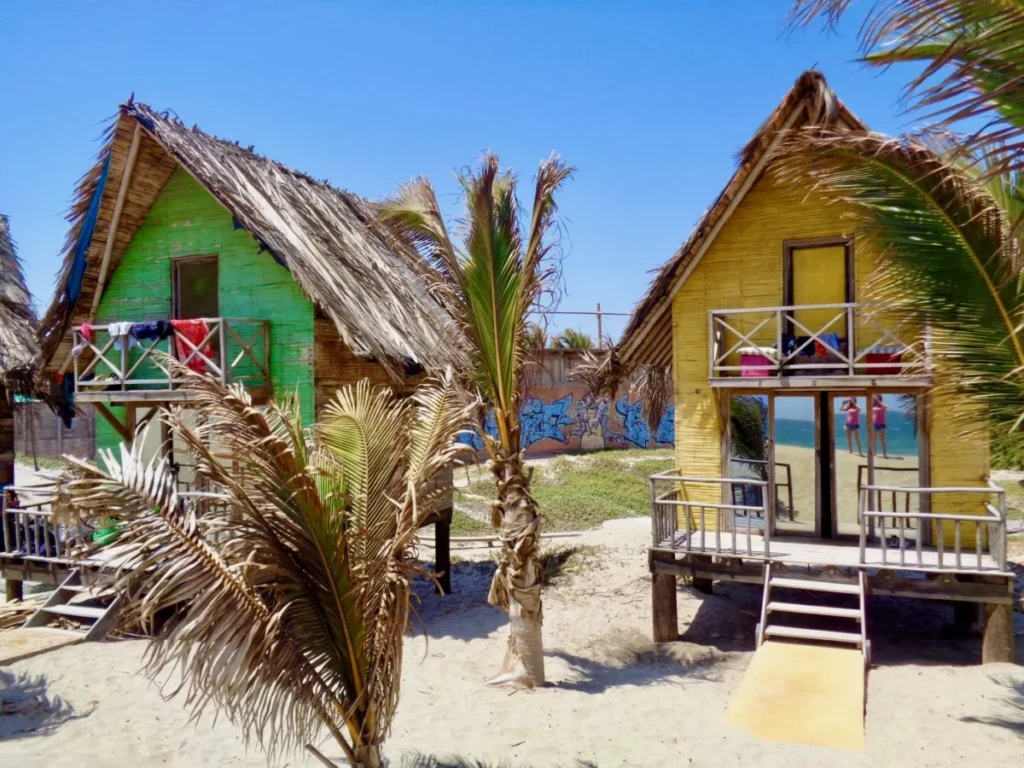
Máncora’s accommodation options largely cater to the backpacker and surf crowd, ranging from rustic beachfront properties to boutique surf camps. Among the most prominent social hubs is Misfit Hostel, located directly on the beach. While amenities at such rustic coastal spots can be basic—such as traditional seawater showers—the trade-off comes in the form of direct beach access, communal bonfires, and a highly sociable atmosphere that makes connecting with other travellers effortless.

Alternatives include Psygon Surf Camp, situated across the road, which features an on-site restaurant, bar, and standard freshwater showers alongside budget-friendly dorm options and Muay Thai classes. For travellers seeking higher-end comforts, mid-range and luxury properties like Eco Lodge Máncora and DCO Suites Lounge & Spa offer more polished amenities. Solo travellers looking for structured itineraries frequently turn to group tour operators like G Adventures, which include Máncora as a key stop on multi-week regional tours running between Ecuador and Peru.

Navigating the Journey to Peru’s Coast
Reaching Máncora often involves a multi-leg journey, reflecting the vast and varied geography of the region. International travellers frequently arrive via overnight buses crossing the border from Ecuador. For instance, services operated by lines such as Loja Internacional connect cities like Loja to Piura in northern Peru, with international routes resuming regular schedules following periodic operational updates. From Piura, passengers typically transfer to local transport for a final three-hour bus journey north along desert roads toward the coast.

For those travelling domestically from Lima, the quickest transit involves a domestic flight to regional airports in Piura or Tumbes, followed by a two-to-three-hour taxi or bus ride to the resort town. Alternatively, long-distance overnight buses from the capital take approximately 18 to 20 hours, offering travellers a chance to experience Peru’s extensive long-haul coach network.

A Traveler’s Perspective: The Thai Vibe in South America
First-time visitors arriving in Máncora often experience a distinct sense of cultural displacement. Stepping off the bus into a colourful tuk-tuk and navigating unpaved sandy paths toward a rustic wooden beach shack can easily make a traveller feel as though they have landed in Southeast Asia rather than South America. The ambiance, marked by fresh seafood displays featuring langoustines and octopus, beachfront massage offerings, and neon-lit night spots, draws frequent comparisons to tropical destinations like Thailand.

Yet beneath the Southeast Asian aesthetic lies a distinctly Peruvian coastal spirit. Evenings in the town’s central commercial districts come alive with the scent of barbecued fish, the sounds of Latin American music echoing from beach bars, and vendors offering everything from sarongs to sunglasses directly to patrons sitting at oceanfront tables.

Travel Practicalities and Conscious Tourism
As with any adventure destination, proper preparation is essential. Travel insurance is widely recommended for visitors heading to the Peruvian coast, particularly those engaging in adventure sports like surfing. Providers such as True Traveller and SafetyWing offer flexible coverage options that can be purchased even after journeys have already commenced.

Beyond personal preparation, conscious tourism plays a vital role in supporting the local economy. Solo travellers can positively impact the destination by shopping at local markets, dining at family-run cevicherías, and engaging regional guides. These mindful practices ensure that tourist expenditures directly benefit the local community while preserving the unique charm that draws visitors to Peru’s northern shores year after year.
Related News