First-Century Cremation Tomb Discovered Embedded Among Seating Rows of Ancient Theater in Turkey
Article Editorial Team
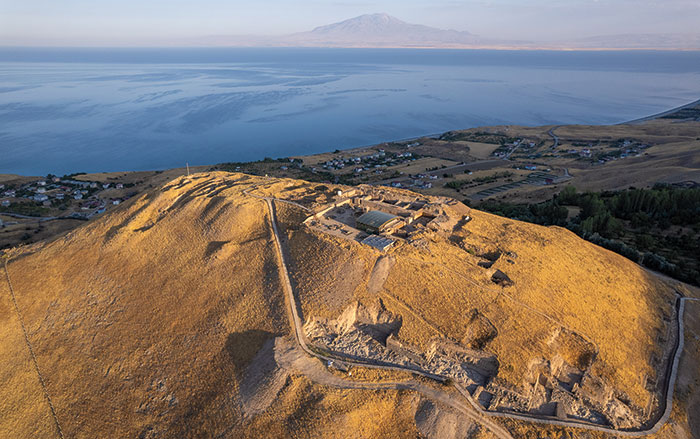
BURSA, TURKEY — Archaeologists excavating the ruins of the ancient city of Apollonia ad Rhyndacum in northwestern Turkey have made an unusual and unexpected discovery: a first-century A.D. cremation tomb nestled directly among the stone seats of a sprawling ancient theater.
The remarkable find, initially reported by Türkiye Today, has left researchers questioning traditional burial customs of the Greco-Roman world. Rather than being interred in the city’s designated necropolis—the customary burial ground located outside the urban center—the deceased was laid to rest within the entertainment venue itself, integrated into the very architecture where thousands of citizens once gathered for plays, public assemblies, and cultural spectacles.
The ancient city of Apollonia ad Rhyndacum, situated near modern-day Bursa, boasts a rich history spanning multiple classical civilizations. Its theater, designed to accommodate an estimated 5,000 spectators, represents a significant cultural and architectural focal point of the settlement. However, the presence of a funerary monument within the spectator seating area has upended standard archaeological assumptions regarding the separation of public civic spaces and sacred burial zones in antiquity.
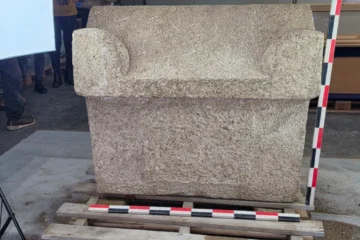
According to the excavation team, the tomb was constructed as a modest yet carefully crafted mudbrick chest. The structure was shielded from the elements by a gabled roof made of sturdy terracotta tiles, a common roofing technique of the Roman period that helped preserve the contents within. Inside this protective enclosure, researchers found the remains associated with a cremation ritual, a standard method of disposing of the dead during the first century A.D. across many parts of the Roman Empire.
The location of the grave has generated intense curiosity among the archaeological community. Derya Şahin of Bursa Uludağ University, a leading researcher involved in the excavation project, highlighted the anomaly during discussions about the site’s layout and historical context.
"What was a tomb doing in a theater area when the city had its own necropolis?" Şahin asked, pointing to the stark contrast between standard urban planning principles of the era and the reality of this specific interment. "The grave must be a special one. It must carry some meaning, perhaps a trace of sacredness or heroism."
In ancient Mediterranean and Anatolian cultures, burial within city walls or inside active public spaces was generally strictly forbidden, reserved only for legendary founders, civic benefactors of supreme importance, or heroes granted divine honors after death. The placement of the tomb within the theater of Apollonia ad Rhyndacum strongly suggests that the individual interred here held an extraordinary status among the local populace. Whether the person was a foundational patron of the theater’s construction, a revered civic leader, or a figure shrouded in local myth and religious significance remains a central question for the ongoing investigation.
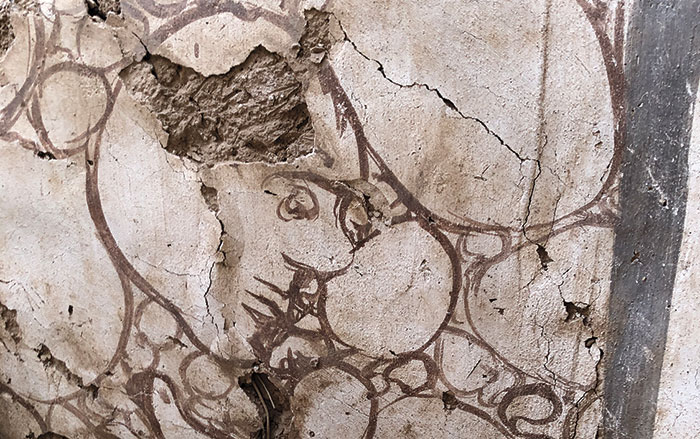
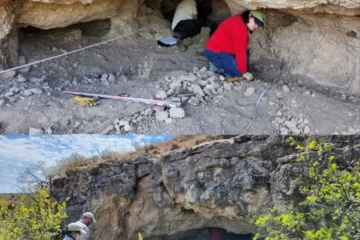
Alongside the surprising discovery of the tomb, the excavation team has made steady progress in uncovering and restoring the physical remains of the ancient structure. To date, archaeologists have successfully uncovered and reconstructed 42 of the theater’s original seating steps. Architectural analysis of these tiers suggests that the venue was thoughtfully designed with two distinct seating levels, which were separated from one another by a horizontal walkway approximately three feet wide. This design would have facilitated the orderly movement of spectators as they navigated the large crowd capacity.
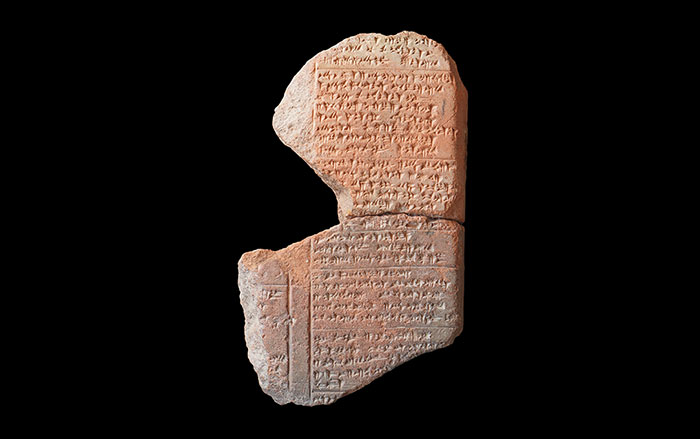
Furthermore, epigraphic evidence recovered from the site provides a clearer timeline for the theater’s construction and use. An inscription discovered during the archaeological work indicates that the grand venue was officially completed in the early second century A.D. This places the creation of the theater shortly after the establishment of the first-century cremation tomb, suggesting that the tomb may have either predated the final architectural completion of the stone structure or was intentionally incorporated into the design as a memorialized landmark honoring a figure from the preceding generation.
The discovery at Apollonia ad Rhyndacum adds to a growing body of research highlighting the complex and multifaceted nature of ancient Anatolian theaters. Far more than mere stages for theatrical performance, these grand architectural monuments often served as the heartbeat of civic life, hosting political gatherings, religious ceremonies, and community events that bound ancient societies together. The integration of a funerary monument into this vibrant public space underscores the profound ways in which ancient communities honored their most esteemed individuals, blurring the lines between the living city and the memory of the dead.
As excavations at Apollonia ad Rhyndacum continue, researchers hope to uncover additional inscriptions, artifacts, or architectural clues that might shed light on the identity of the person resting beneath the terracotta tiles. Until then, the mysterious first-century tomb remains a poignant reminder of the personal stories, honors, and social hierarchies embedded within the monumental stone architecture of the ancient world.
Related News