Rethinking the North Texas Lawn: A Strategic Approach to Native Groundcovers
Article Editorial Team
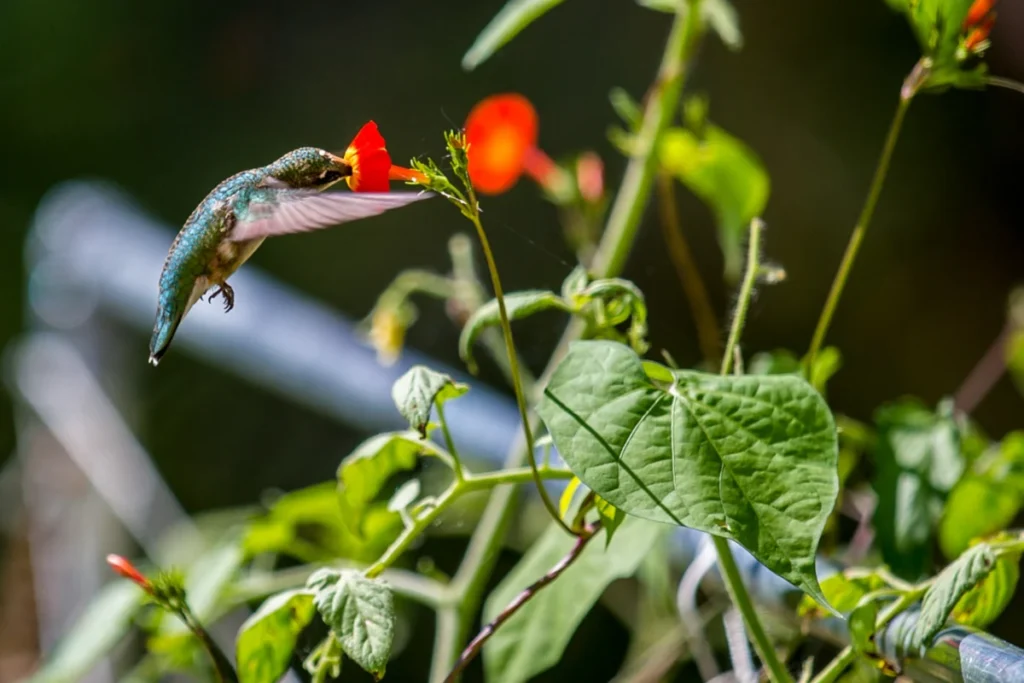
For many homeowners in the Cedar Hill area and across the broader North Texas region, the prospect of replacing a traditional, high-maintenance turf lawn is often met with a singular, daunting question: Where do I even start? The image of a uniform, emerald-green carpet is deeply ingrained in the suburban landscape, yet as water costs rise and environmental pressures mount, more residents are seeking sustainable alternatives that require less intervention while providing greater ecological value. The path forward, according to experts at the Dogwood Canyon Audubon Center, does not involve a radical, overnight demolition of the yard, but rather a fundamental shift in how we perceive the outdoor spaces we inhabit.
The most effective strategy begins by moving away from the concept of a lawn as a singular, uniform entity. Instead, homeowners are encouraged to view their property through the lens of zones. By observing how sunlight moves across the yard throughout the day, where moisture tends to pool after a rainstorm, and how different micro-climates interact with the existing soil, one can identify distinct areas that support different types of plant life. Once this spatial awareness is established, the daunting task of landscaping becomes a series of manageable, logical decisions rather than an overwhelming renovation project. This zoned approach is currently being exemplified by the growing popularity of two native groundcovers that have become the stars of this season’s native plant offerings: Frogfruit and Horseherb.
For the bright, unyielding expanses of a yard that receive full, direct sunlight, Frogfruit (Phyla nodiflora) has emerged as the premier solution for North Texas homeowners. This native plant has gained significant traction this season, and for good reason—it is one of the most effective ways to cover open, sun-drenched areas with a species that not only survives but thrives in the local climate. For those struggling to maintain traditional turf in these same hot, dry conditions, Frogfruit offers a compelling alternative. Unlike turf grasses that demand consistent irrigation to stave off the scorching Texas sun, Frogfruit is well-adapted to the local environment, providing a resilient, green cover that significantly reduces the need for water and chemical maintenance.
However, the goal of a sustainable landscape is not just to replace grass but to build a functional, aesthetically pleasing habitat. To achieve a more complete, professional-looking planting, experts suggest layering taller, complementary species alongside the groundcover. By pairing Frogfruit with plants that share similar environmental requirements, a homeowner can create a dynamic, multi-dimensional garden. For example, the Purple Coneflower (Echinacea purpurea) is an excellent addition; it offers long-lasting, vibrant blooms that act as a reliable magnet for essential pollinators. When combined with the Four-Nerve Daisy (Tetraneuris scaposa), which is famously hardy in hot, dry conditions and provides a bright, cheerful burst of seasonal color, the result is a beautifully layered effect. In this configuration, the Frogfruit acts as the foundational groundcover, while the flowers provide the necessary height, structure, and visual interest, mimicking the complexity of a natural prairie ecosystem.
As the sunlight wanes and the garden moves into areas of part shade to full shade—such as the quiet spaces beneath tree canopies or in the shadowed corners of a yard where grass has historically failed to thrive—a different set of ecological rules applies. In these areas, the star of the show is Horseherb (Calyptocarpus vialis). While Frogfruit dominates the sunny plains of the yard, Horseherb is the perfect candidate for the shaded, sheltered regions where turf struggles to gain a foothold. It is important to recognize that Horseherb is not merely a "shade-tolerant" version of Frogfruit; it serves an entirely different purpose, filling a specific ecological niche that would otherwise remain bare or become overtaken by invasive weeds.
To build out a functional, layered landscape in these shaded zones, the strategy remains the same: thoughtful pairing. In shady areas, Pigeonberry (Rivina humilis) is an ideal companion. This plant adds a delicate, visual layer to the understory while providing berries and low-level cover that are vital for local wildlife. For those looking to add more structural diversity at the ground level, native sedges—such as the locally favored Webberville Sedge (Carex perdentata)—provide a refined, grass-like appearance that supports a healthier habitat. Together, these plants transform a dark, unproductive patch of ground into a lush, vibrant micro-environment that contributes to the overall health of the property.
The beauty of this zoned approach is that it eliminates the need for plants to compete for resources. There is no need for Frogfruit and Horseherb to battle for dominance; they are distinct tools for distinct problems. By utilizing Frogfruit in the sun and allowing Horseherb to take over as the canopy closes and the shade increases, a homeowner can systematically replace thirsty, high-maintenance turf across the entire property. They act as a tag-team, each thriving exactly where the other would begin to fade, creating a seamless, natural transition that covers the yard in a resilient, native blanket of green.
Adopting this natural approach to yard management changes the relationship between the homeowner and their land. Instead of forcing a single, non-native solution across an entire property—a process that often requires excessive amounts of water, fertilizer, and labor—the landscape begins to function as a self-sustaining system. The yard becomes more resilient to the extreme fluctuations of North Texas weather, and the result is a space that feels more authentic, grounded, and connected to the local environment.
For those ready to begin this transition, the Dogwood Canyon Audubon Center provides a vital resource through their bi-annual native plant sales. These events offer a curated selection of plants, including those mentioned here, specifically chosen for their ability to help residents create beautiful, native habitats that support birds and other wildlife. Browsing the current availability is easily managed through their online shop, but for those who want to see these plants in action, a visit to the Dogwood Canyon Audubon Center offers a firsthand look at how these species integrate into a functioning landscape. Beyond the plant sales, the center provides a wealth of opportunities to engage with the natural world, from educational programs and monthly community events to the simple, meditative experience of hiking the center’s nature trails. By moving away from the standard, uniform lawn and embracing the diversity of native planting, North Texas residents can cultivate yards that are not only easier to maintain but are also vibrant, living contributors to the regional ecosystem.
Related News