Alaska Mourns the Loss of Mr. Whitekeys, Beloved Entertainer and Conservationist
Article Editorial Team
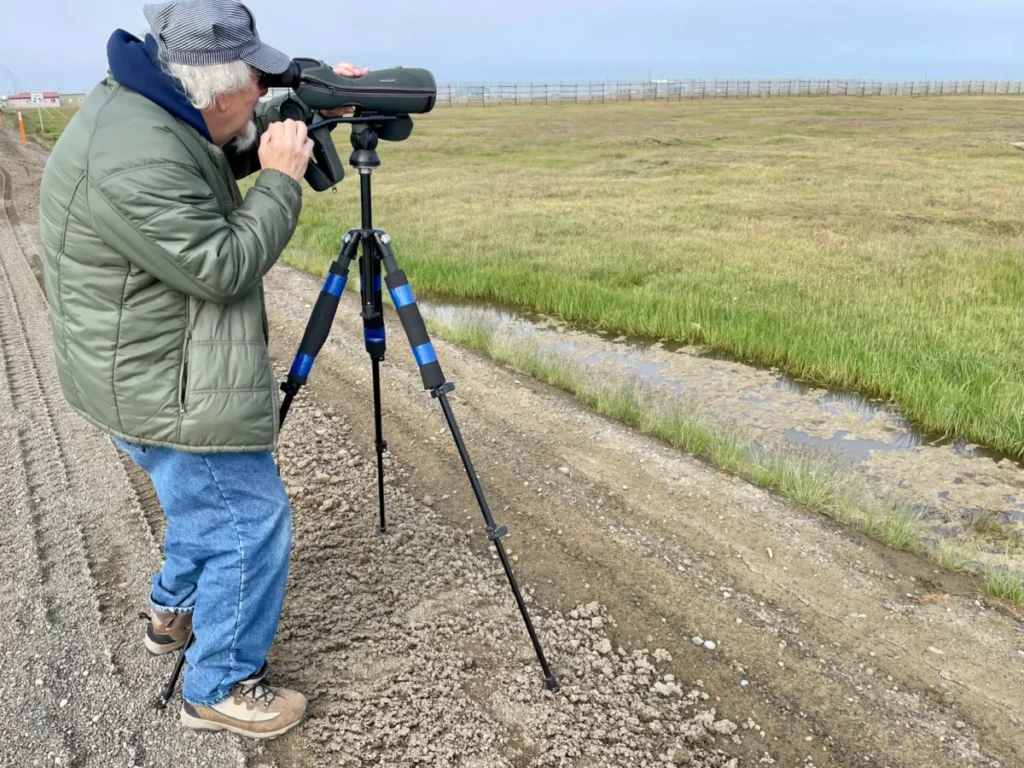
Alaska has lost a singular voice and a tireless advocate for the natural world. Mr. Whitekeys—known affectionately to his legions of fans simply as "Keys"—passed away on October 19, 2026. A man of many masks, he was celebrated across the state as a brilliant satirist, a gifted musician, and an insightful writer. Yet, to those who knew him behind the stage lights, he was perhaps most profoundly defined by his deep-seated devotion to the natural environment and his role as the longtime president of the Anchorage Audubon Society. In his passing, the state loses not only a pillar of its cultural scene but also a dedicated educator who spent decades bridging the gap between human amusement and ecological stewardship.
Born with a penchant for wit and a sharp eye for the absurdities of life in the Last Frontier, Mr. Whitekeys became a household name for his unique brand of political satire. His performances were legendary, capturing the eccentricities of Alaskan life with a humor that was as sophisticated as it was accessible. He possessed an uncanny ability to turn the complexities of regional politics and the peculiarities of northern living into moments of shared laughter. However, those who followed his long career understood that his humor was never an end in itself; it was a tool, a mechanism to engage people, open their minds, and invite them into a deeper appreciation of the world around them.
This commitment to the natural world was not merely a hobby; it was a defining thread that ran through the fabric of his life. As a naturalist and a leader within the Audubon community, Keys recognized early on that the birds of Alaska were not just biological entities, but symbols of the state’s wild character. He championed the idea that birding was an inclusive pursuit, one that could be enjoyed by the novice with a pair of binoculars in a backyard or the seasoned expert trekking across the tundra. He was a master at demystifying the natural world, famously noting with a characteristic, big-eyed smile that, "Birding is easy to begin and impossible to master."
The partnership between Mr. Whitekeys and Audubon Alaska was one of deep mutual respect and profound productivity. His influence on regional conservation efforts was tangible, particularly in the resources he helped develop for the public. He was a key collaborator on the recently updated "Birds of Anchorage, Alaska Checklist," a document that serves as a vital guide for residents and visitors alike. Similarly, his fingerprints are all over the "Anchorage Birding Trail," a project designed to connect the urban population with the rich avian diversity that thrives within city limits. His expertise regarding local habitats and his ability to communicate the intricacies of bird behavior made these resources far more than dry academic documents; they were invitations to explore and connect.
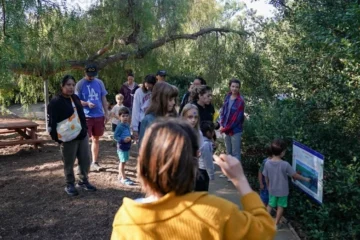
His impact extended well beyond the printed word or the digital resource. In 2023, he joined Audubon Alaska in Utqiaġvik for the Barrow Arctic Research Center (BARC) Science and Culture Fair, a moment that remains etched in the memories of those who worked alongside him. There, in the far north, he addressed a diverse audience on the marvels of migratory birds. His ability to hold the attention of both children and adults as they stood on the tundra, peering through spotting scopes, highlighted his rare gift as an educator. He possessed the unique capacity to convey the wonder of the Arctic ecosystem, making the complex migratory patterns of birds seem like the epic, vital stories that they truly are.
As the longtime president of the Anchorage Audubon Society, one of Alaska’s five dedicated Audubon chapters, Mr. Whitekeys was instrumental in fostering a resilient community of bird enthusiasts and conservationists. He understood that the protection of nature requires more than just policy; it requires a culture of stewardship. Under his leadership, the society became a hub for public engagement. He was a fixture at the Anchorage Christmas Bird Count, where he helped lead teams through the biting cold to document winter populations, providing essential data for scientists tracking long-term trends. His dedication to community science was unwavering, and he consistently encouraged others to participate, believing that the more eyes on the landscape, the better equipped the community would be to protect it.
His environmental activism was marked by a proactive, hands-on approach. Following a massive spruce die-off that threatened the integrity of Anchorage’s urban canopy, Keys didn’t just voice concerns—he acted. In 2025, he spearheaded a major initiative to distribute thousands of saplings across the city. The goal was twofold: to mitigate the loss of forest cover and to enhance the urban habitat for the birds that depend on these trees for nesting, cover, and survival. It was a classic example of his philosophy in action: identify a problem, engage the community, and provide a tangible, long-term solution. He was a fierce advocate for the protection of Anchorage’s wetlands and green spaces, consistently reminding citizens and policymakers alike that the city’s exceptional bird abundance was entirely dependent on the availability of the places where those birds feed, rest, and breed.
Perhaps the most remarkable aspect of his life was the seamless way he integrated his diverse talents. He brought a sense of playfulness and sophisticated humor into the often-serious realm of environmental education. He understood that conservation could be daunting, and he knew that humor was an essential ingredient for human well-being and a powerful antidote to cynicism. By infusing his advocacy with wit, he lowered the barriers to entry for environmentalism. He made the prospect of protecting wetlands or learning about migration routes feel like an exciting, even joyous, endeavor rather than a burdensome chore.
The loss of Mr. Whitekeys leaves a void that will be felt throughout Alaska’s birding community and beyond. His legacy is found not only in the projects he led or the checklists he helped refine but in the countless individuals he inspired to look upward, to listen, and to care for the natural world. He taught his followers that being an Alaskan meant being a steward of the landscape, and he modeled that responsibility with a generosity of spirit that was rare and infectious.
Those who worked with him at Audubon Alaska reflect on his tenure with immense gratitude. They remember him not just as a colleague or a partner, but as a friend who made the work of conservation feel more meaningful and, quite often, a lot more fun. His ability to blend serious environmental advocacy with his public persona as a beloved entertainer ensured that the message of conservation reached a wide, diverse audience that might not have otherwise engaged with the topic.
As the state reflects on his life and contributions, there is a collective recognition of the mark he left on the Alaskan consciousness. He helped define the spirit of a city and a state, encouraging people to step out of their doors and experience the natural wonders that surround them. While the laughter from his performances may have dimmed, his work—the trails he helped map, the trees he helped plant, and the community he helped nurture—will continue to grow and flourish. The birding community in Alaska is richer, more knowledgeable, and more vibrant because of his leadership. For all that he shared—his wisdom, his time, his humor, and his unwavering love for the natural world—he will be remembered as a true original, a man who saw the beauty in everything from the most common backyard sparrow to the most complex political maneuver, and who invited all of Alaska to see it with him.
Related News