Decoding the Nest: A Field Guide to Identifying Backyard Bird Eggs
Article Editorial Team
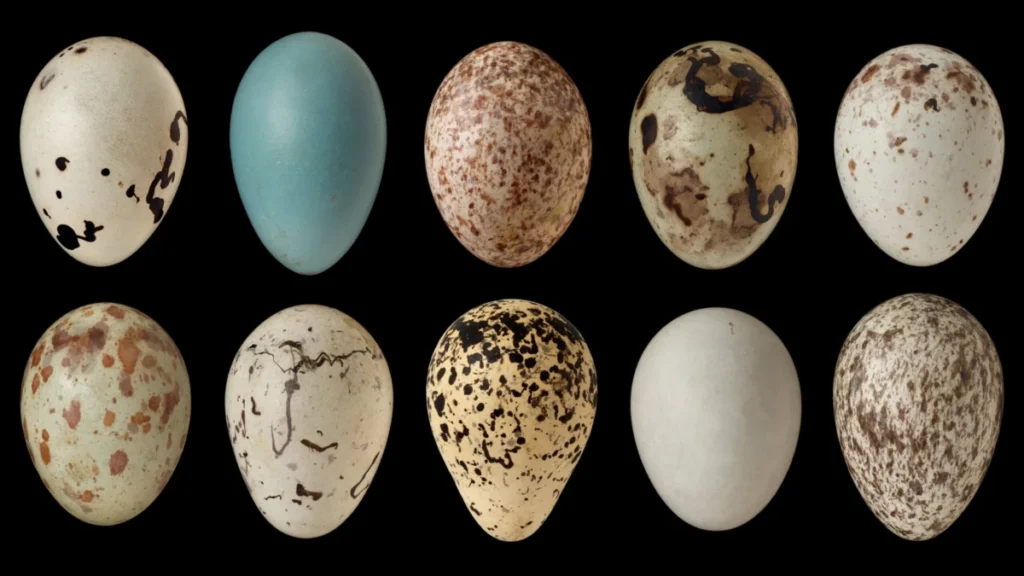
Whether discovered in the carefully crafted hollow of a shrub, tucked away in a hanging potted plant, or lying unexpectedly on the forest floor, the sight of a bird egg often sparks a sense of wonder. For many nature enthusiasts, the immediate reaction to finding such a delicate treasure is a desire to identify its origin. Understanding which species laid a specific egg is not merely an exercise in curiosity; it is a gateway into the complex and often hidden lives of the birds that share our neighborhoods. By examining color, size, markings, and environmental context, observers can often determine the identity of the architect behind the nest.
Identifying bird eggs requires a keen eye and a methodical approach, much like identifying the birds themselves. While birding typically relies on plumage, song, and flight patterns, egg identification focuses on the subtle variations in shell pigmentation and texture. However, color alone is rarely sufficient for a definitive match. Contextual clues—such as the specific design of the nest, the materials used to construct it, and its geographic placement—are vital to narrowing down the field of potential species.
The Science and Art of Egg Identification
The diversity of colors and patterns found in bird eggs, while seemingly infinite, is actually the product of two primary pigments: a reddish-brown hue and a bluish-green base. Scientists have discovered that the staggering variety of eggshell colors we observe in nature—ranging from the deep, rich turquoise of a robin’s egg to the stark, speckled whites of a sparrow—is created by the chemical combination and concentration of these two pigments applied over a white calcium carbonate base.
When encountering an active nest, the first rule of observation is safety—both for the observer and the birds. It is imperative to maintain a respectful distance to avoid disturbing the adults, who may be in the middle of crucial incubation or preparing to feed their future brood. Lingering near a nest can cause undue stress, potentially leading parents to abandon their eggs. If a nest is found, a quick photograph for later reference is far superior to prolonged observation, and in all instances, the welfare of the avian family must take precedence over the desire for an identification.
Blue and Blue-Green Eggs: Common Backyard Discoveries
Among the most frequently identified eggs in North American backyards are those exhibiting shades of blue and blue-green. The American Robin, for instance, is iconic for its vibrant, deep blue eggs. Often mistaken for those of the Eastern Bluebird, the two are distinct upon closer inspection. While both share a similar color palette, the robin’s eggs are notably larger, often compared to the size of a quarter, whereas bluebird eggs are more delicate, closer to the length of a dime, and generally paler in tone.
Habitat is the most reliable way to distinguish the two. Eastern Bluebirds are cavity nesters that have adapted well to the human-made environment, often choosing nest boxes provided by homeowners. Conversely, robins are far more adventurous in their architectural choices, frequently tucking their nests into the low branches of trees, sturdy shrubs, or even the utilitarian safety of rain gutters and building eaves.
Other species, such as the Blue Jay, the House Finch, and the Common Grackle, also contribute to the blue spectrum of eggs. The European Starling, the Gray Catbird, the Red-winged Blackbird, and the Northern Mockingbird also produce variations of these hues, each with subtle differences in size and markings that reflect their evolutionary adaptations to their specific environments.
White and Off-White Eggs: Subtle Variations
Many species favor white or off-white shells, a trait often associated with birds that nest in protected or enclosed spaces. The Mourning Dove and the Rock Pigeon are well-known for their simple, white eggs. Similarly, the American Barn Owl, which prefers the dark, secure confines of silos or barns, produces white eggs that are highly effective in low-light conditions.
The smallest of these are the eggs of the Ruby-throated Hummingbird and the Black-throated Hummingbird. These eggs, often described as being the size of a small jellybean, are starkly white and entirely unmarked. The Northern House Wren and the Carolina Wren also produce off-white eggs, often densely speckled with reddish-brown, while the Tree Swallow lays white eggs that are occasionally lightly marked. The commonality among these species is their reliance on concealment or the relative safety of a nest structure to protect their pale, vulnerable eggs from predators.
Speckled and Spotted Eggs: Nature’s Camouflage
Speckled eggs are perhaps the most common, as the markings serve as an effective form of camouflage against the mottled backgrounds of natural nests. The House Sparrow, a common sight in urban and suburban environments, lays eggs with complex patterns of brown and gray. Similarly, the Song Sparrow and the American Goldfinch produce eggs with delicate, intricate spotting.
The Killdeer, a ground-nesting shorebird, produces eggs that are exceptionally well-camouflaged, designed to blend seamlessly into the gravel and dirt where they are laid. This is a survival necessity, as the nest is entirely exposed to the elements and predators. Conversely, the Brown-headed Cowbird is a notorious brood parasite, laying its eggs in the nests of other species to avoid the burden of raising its own young. While many birders are tempted to remove these eggs, doing so can have negative ecological consequences, such as prompting the host parents to abandon the entire nest or inviting retaliation from the cowbirds. Moreover, the Migratory Bird Treaty Act strictly prohibits the removal of these eggs without proper authorization, reinforcing the importance of letting natural processes play out, even when they seem unfair.
Addressing Common Questions
New observers often have questions regarding the variety they see in the field. When asked about small blue eggs, it is important to distinguish between the plain, marble-sized eggs of the Eastern Bluebird and the slightly marked, similarly sized eggs of the House Finch. For those questioning the difference between blue eggs with brown speckles, the Common Grackle’s eggs are typically light blue with darker splotches, while the Blue Jay’s eggs, which may also have a greenish tint, are usually more densely covered in finer, darker brown and gray speckles.
Regarding the iconic Northern Cardinal, their eggs are typically white or pale green with distinct brown and gray speckles, often concentrated toward the larger, rounded end of the shell. They generally measure about one inch in length. For those curious about the incubation process, timing is highly variable. While many common songbirds will incubate their eggs for 10 to 14 days before the chicks emerge, other species have vastly different timelines. Shorebirds, raptors, and waterfowl may spend a month or more on the nest, while larger seabirds, such as the albatross, are known for remarkably long incubation periods that can stretch up to 80 days.
The study of bird eggs offers a unique window into the avian world, highlighting the immense diversity of reproductive strategies that have evolved over millions of years. For those interested in further exploring these patterns and learning more about the thousands of bird species across North America, resources such as the Audubon Bird Guide app provide extensive data and imagery to assist in the identification of both the birds themselves and their fascinating, often beautiful, eggs. By fostering an appreciation for these small wonders, we gain a deeper connection to the natural world unfolding right outside our windows.
Related News