Two Major U.S. Airlines Are Penalizing Solo Flyers With Dramatically Higher Fares
Article Editorial Team

Major U.S. carriers are once again facing intense scrutiny over airline pricing structures after new research revealed that solo travelers and corporate flyers are being subjected to significantly higher ticket prices than passengers booking in groups of two or more.
The investigation follows an explosive report broken last year by travel researchers, which exposed how the nation’s three largest legacy carriers—American Airlines, Delta Air Lines, and United Airlines—were quietly inflating fares for single-passenger bookings. That initial discovery triggered national headlines across major publications like CNN, The New York Times, and The Washington Post, prompting a wave of public backlash that eventually forced most of the major carriers to scale back the practice.
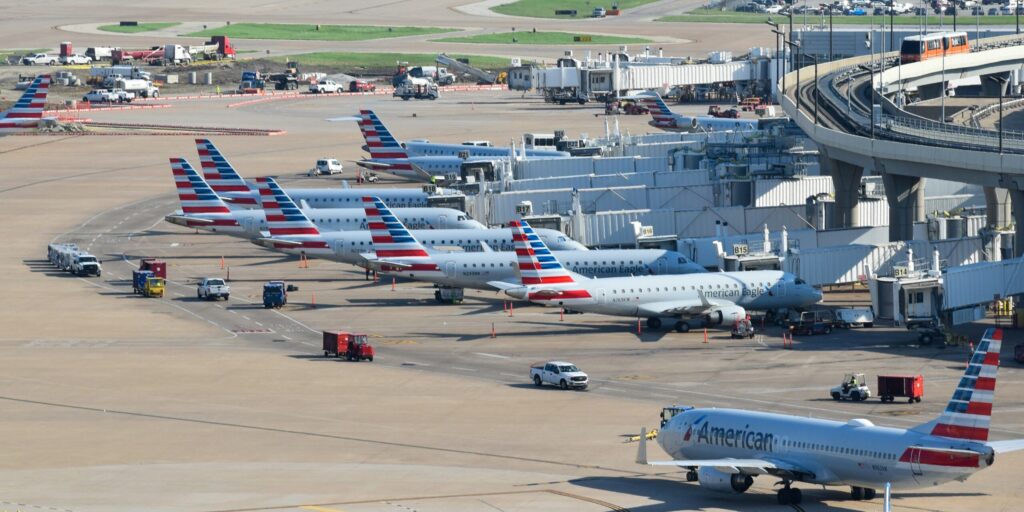
However, a follow-up analysis evaluating 5,000 recent flights across five major U.S. carriers—Alaska Airlines, American Airlines, Delta Air Lines, Southwest Airlines, and United Airlines—indicates that the controversial pricing tactic has not only persisted but has become increasingly widespread among select airlines.
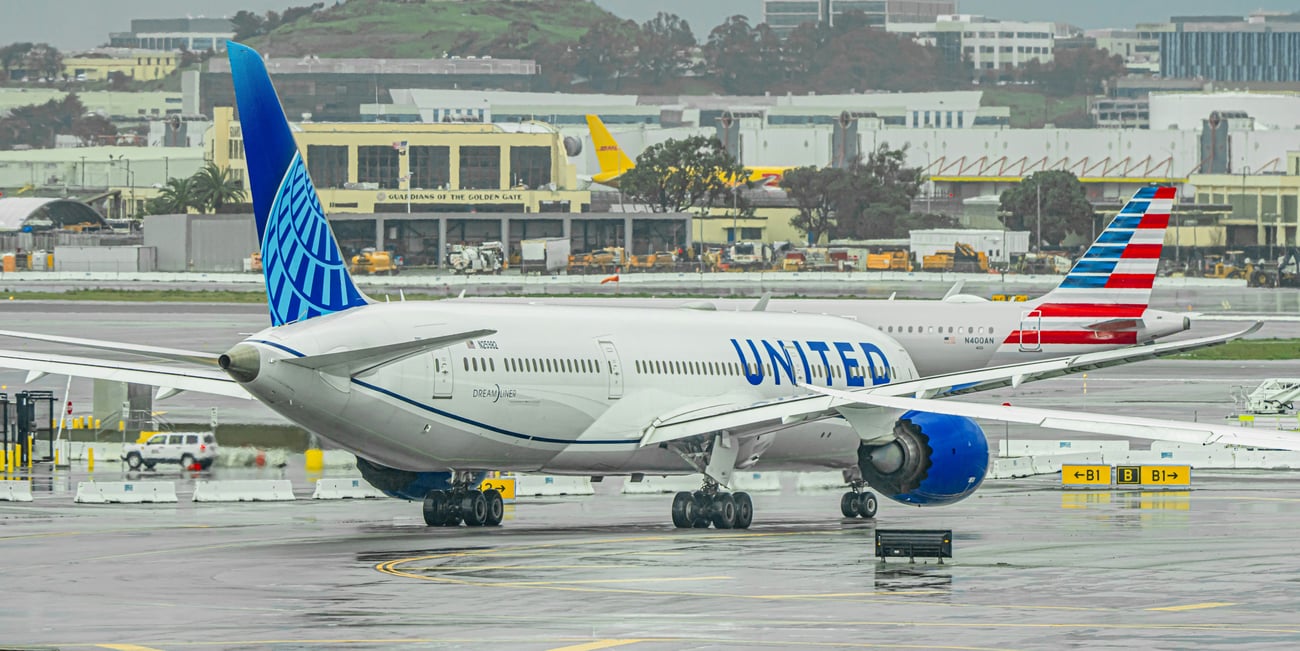
When approached for comment regarding the findings, United Airlines declined to speak on the matter, while American Airlines did not respond to inquiries. Industry observers note that carriers have largely avoided publicly defending the pricing discrepancy, which analysts describe as a calculated strategy to target business travelers.
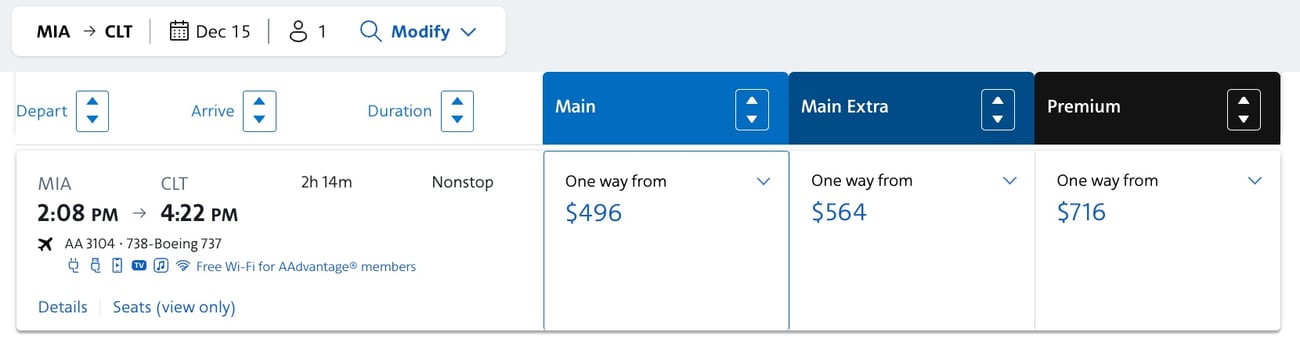
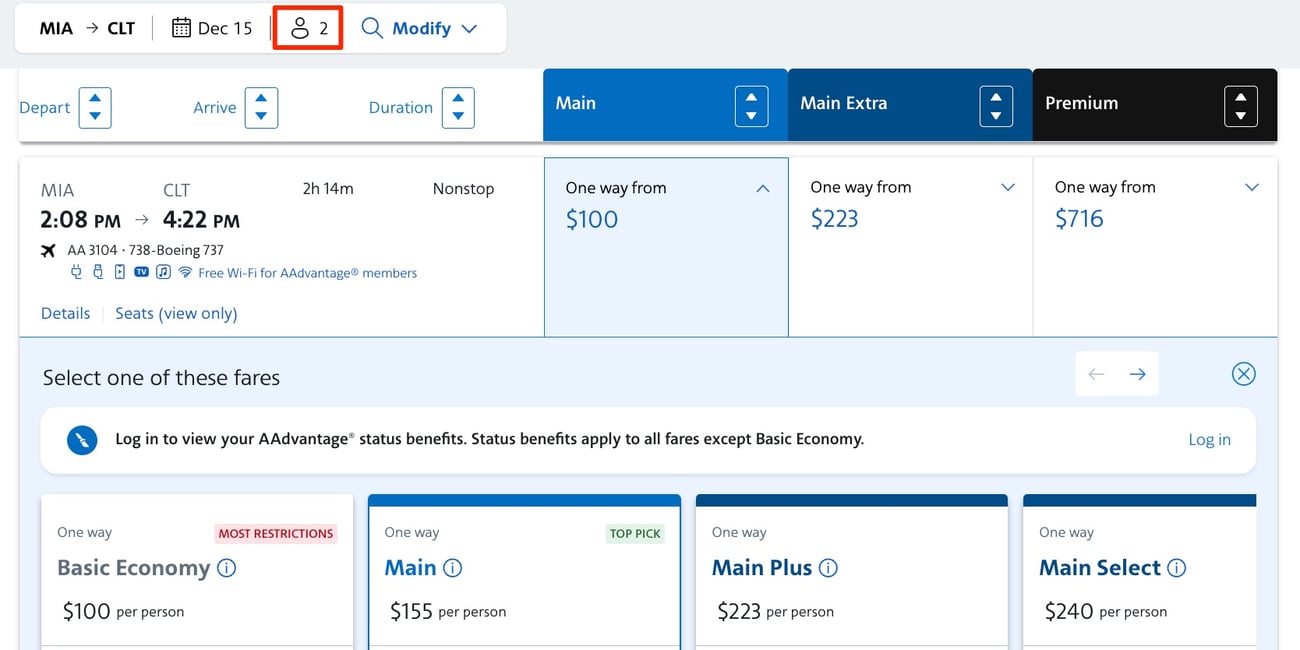
The penalties uncovered in the latest data range from mild pricing bumps to staggering disparities. In one striking example highlighted in the analysis, a nonstop, one-way Main Cabin economy ticket from Miami to Charlotte scheduled for December was priced at $496 for a single solo traveler on American Airlines. However, when researchers added a second passenger to the exact same itinerary, the price for that identical Main Cabin seat dropped dramatically to $155 per person. Furthermore, the two-passenger search unlocked access to a lower basic economy fare priced at $100, an option that was entirely hidden from or unavailable to the solo search.
This mathematical anomaly means that purchasing three individual Main Cabin tickets for a group could cost less than buying a single ticket for one person flying alone.
Industry critics and consumer advocates have pushed back against suggestions that this pricing model functions similarly to bulk discounts offered by wholesale retailers like Costco. Analysts emphasize that airlines do not operate on traditional volume-discount principles, nor are airline seats comparable to wholesale commodities. Instead, consumer advocates characterize the gap as a direct penalty aimed at solo leisure and business travelers.
Airlines utilize complex revenue management systems designed to extract the maximum possible revenue from every seat by segmenting passengers based on their willingness to pay. Carriers like American and United appear to have calculated that individuals booking single tickets are frequently corporate travelers whose employers will ultimately cover the expense. By tailoring fares to exploit this corporate backing, airlines can maximize profits on high-demand routes while still filling remaining seats.
While the pricing practice initially appeared sporadic and experimental when first uncovered last year, the latest data suggests that differential pricing based on party size has evolved into a deeply entrenched strategy within certain segments of the U.S. aviation market.
Winter Flight Deals Emerging for Regional Travel
Despite ongoing pricing complexities in major cabin classes, opportunities for discounted travel continue to emerge for flexible flyers. Travel analysts have highlighted a new round of winter promotional fares, pointing to discounted roundtrip routes connecting major hubs to secondary destinations such as Sarasota, Florida.

Discount availability for Gulf Coast destinations spans multiple airports across the East Coast and the Midwest, with travel windows extending through the peak winter months. Travel analysts note that these seasonal promotional offerings provide a cost-effective alternative for passengers seeking to bypass busier primary airport hubs during the peak holiday travel season.
Credit Card Welcome Bonus Deadlines Approach
In the broader travel rewards sector, financial analysts are drawing attention to expiring credit card promotions that offer elevated point bonuses for everyday spending. For a limited time, consumers applying for specific no-annual-fee rewards cards have access to increased welcome bonuses following moderate spending requirements within the first three months of account opening.
Industry experts point out that the true value of these introductory offers is often maximized when combined with established transferable points ecosystems. By pairing cash-back-oriented products with premium travel credit cards, cardholders can convert cash-equivalent earnings into flexible loyalty points. These points can then be transferred directly to various airline and hotel loyalty programs, offering significant potential value for future travel redemptions. Rotating quarterly bonus categories further compound these earnings, particularly for everyday spending on dining and grocery purchases.
Analysts Share Outlook on Holiday Airfare Trends
As the year draws to a close, travelers frequently inquire whether securing affordable airfare for the winter holiday season remains feasible. Industry analysts suggest that while booking windows for Thanksgiving travel have largely closed, opportunities for relative savings remain available for Christmas and New Year departures.
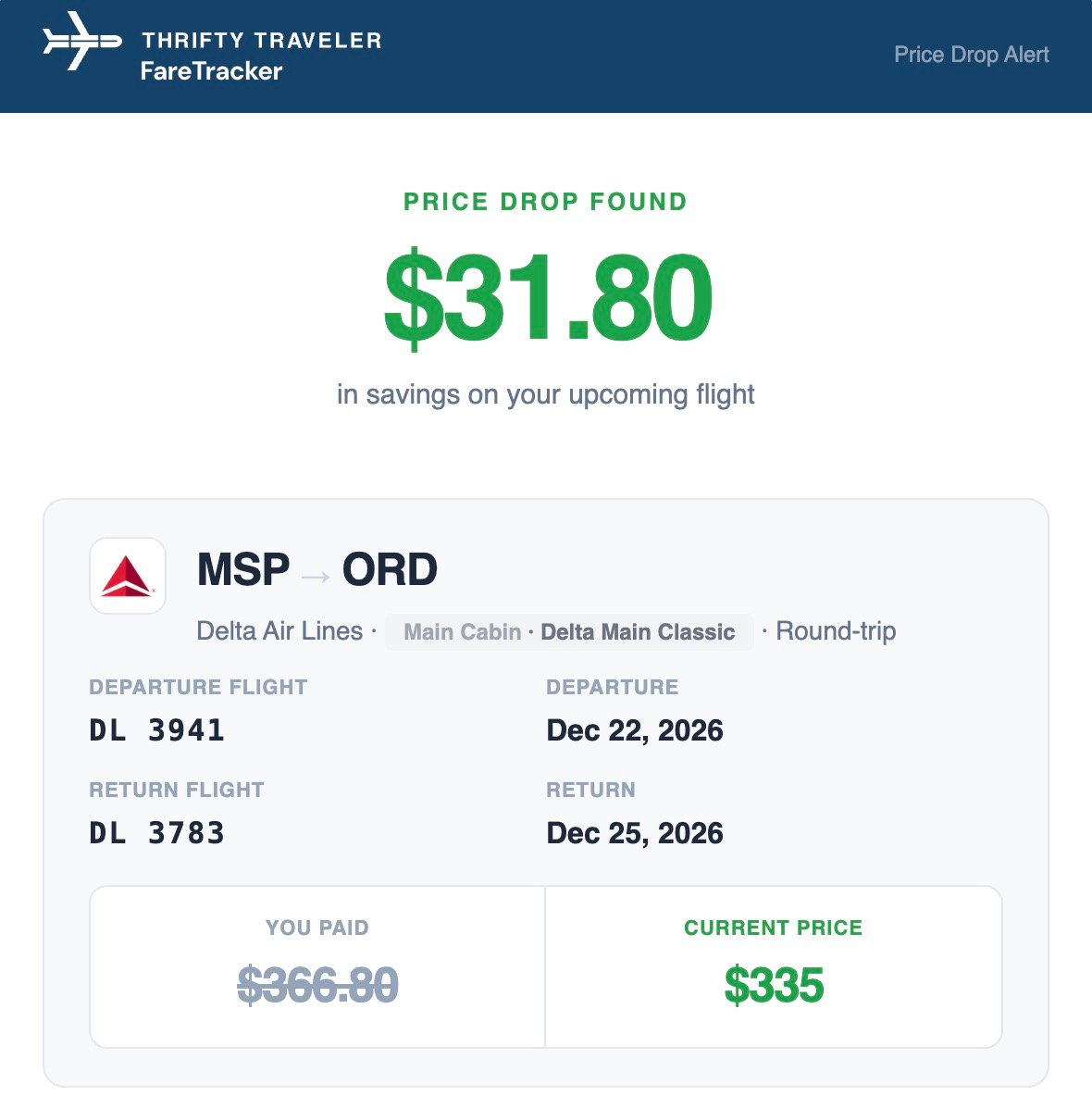
Although holiday airfares rarely mirror the deep discounts found during off-peak periods, monitoring tools and price alerts have helped travelers identify sudden dips in holiday pricing. Analysts note that flying directly on the holiday itself—such as traveling on Christmas morning—frequently yields lower fares compared to peak travel days immediately preceding or following the holiday weekend.
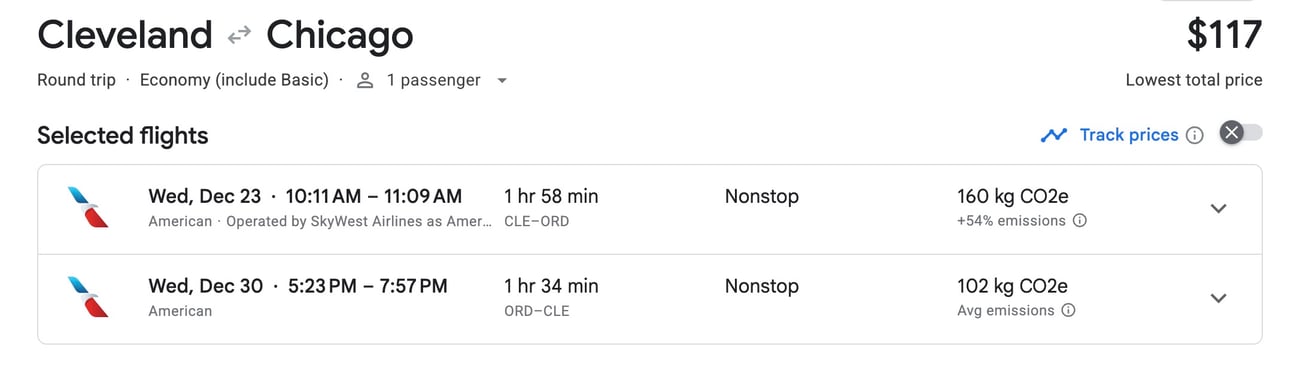
While average holiday roundtrip fares to major domestic hubs may not plummet to ultra-low promotional levels, recent fare tracking data indicates that competitive pricing continues to pop up across numerous domestic connection points, offering a glimmer of hope for late planners.
Industry Developments and Expert Seminars
Discussions surrounding shifting airline policies, basic economy restrictions, and loyalty program adjustments continue to dominate industry conversations. Travel experts regularly analyze these developments alongside broader changes implemented by major loyalty programs and credit card issuers.
For travelers seeking deeper insights into loyalty strategy, upcoming industry events such as the annual Chicago Seminars bring together travel experts and enthusiasts to discuss the evolving landscape of award travel, loyalty program devaluations, and maximizing points and miles redemptions. These gatherings provide a platform for frequent flyers to share updates regarding award availability and practical strategies for navigating the modern travel industry.
Related News