Navigating Flight Delays: Essential Strategies, Preparation, and Passenger Rights
Article Editorial Team
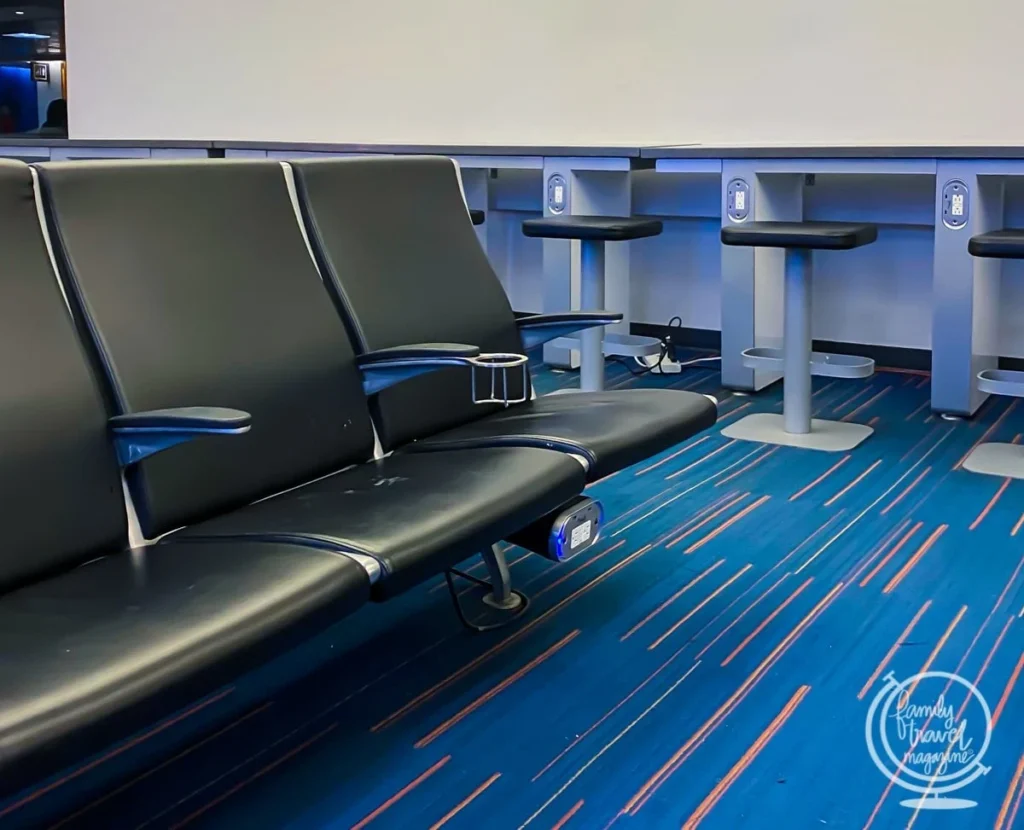
Flight delays have increasingly become an inevitable reality of modern air travel, transforming seamless journeys into tests of patience for passengers worldwide. While some disruptions arrive with predictable certainty, such as when severe weather systems blanket wide regions, others strike with little to no warning. Mechanical complications, sudden air traffic control mandates, and logistical snarls continue to test the resilience of travelers. Understanding how these delays unfold, how to track them effectively, and what steps to take before and during a disruption can significantly mitigate the stress of airport gridlock.
Preparing for potential delays begins long before stepping foot inside an airport terminal. Travel experts emphasize the importance of booking itineraries with built-in buffers, leaving generous windows of time between connecting flights and avoiding crucial events on the day of scheduled arrival. For instance, travelers embarking on a cruise frequently elect to arrive at the port city at least a full day in advance to guard against unexpected transit setbacks. Similarly, scheduling high-stakes commitments—such as major concerts, sporting events, or pressing professional obligations—on the exact day of a flight creates unnecessary vulnerability. Constructing a travel schedule that accommodates unexpected schedule shifts of several hours or even a full day ensures that minor travel hiccups do not cascade into ruined plans.
Real-time information remains a traveler’s most powerful asset when disruptions occur. Establishing reliable communication channels with airlines is the foundational step in staying informed. Providing carriers with accurate mobile phone numbers and email addresses ensures that automated alerts regarding gate changes, delays, and cancellations arrive promptly. Furthermore, downloading official airline mobile applications, logging into active reservations, and ensuring that push notifications are fully enabled on personal devices allows passengers to receive critical updates instantly.

Beyond official airline channels, seasoned travelers frequently rely on specialized aviation tracking platforms to gain an informational edge. Advanced applications such as Flighty and TripIt aggregate flight data to provide actionable insights well before traditional gate announcements are made. By synchronizing travel confirmations, these platforms can deliver notifications regarding ground stops at destination airports or inbound aircraft delays before the local flight crew has even received the update. Access to historical route performance data and real-time aircraft tracking allows passengers to anticipate disruptions and formulate contingency plans proactively.
Weather conditions represent one of the most common catalysts for travel disruptions, particularly during winter months when snow and ice demand rigorous ground operations. Even when a departure airport appears clear, the mandatory de-icing of aircraft can introduce incremental delays to boarding and pushback schedules. Keeping a close watch on regional weather forecasts at both points of origin and destination allows travelers to monitor developing storm systems. In anticipation of widespread weather events, airlines frequently issue travel waivers that temporarily suspend change and cancellation fees, affording flexible passengers the opportunity to shift their travel dates proactively to avoid the worst of the turbulence.
Understanding the distinct categories of flight delays helps passengers navigate terminals with realistic expectations. Air Traffic Control (ATC) delays, for instance, are notoriously difficult to predict because they are dictated by national airspace management rather than airline operations. These directives can be modified dynamically by federal authorities, sometimes resulting in departure times being moved forward unexpectedly. Consequently, passengers facing an ATC hold are advised to remain in close proximity to their departure gate, as the aircraft may be cleared for boarding sooner than anticipated.

Mechanical issues present another unpredictable variable that can ripple through an airline’s schedule throughout the day, even if the original technical fault was resolved hours earlier. While minor mechanical discrepancies might involve malfunctioning cabin amenities such as overhead storage bins or passenger seating, more complex repairs can require replacement parts to be flown in from remote maintenance hubs. When mechanical delays are announced, passengers must listen carefully to gate communications to determine whether the delay is expected to be prolonged, which dictates whether it is safe to step away from the gate area. Notably, mechanical malfunctions are the category of delay most commonly associated with the issuance of airline-provided meal and hotel vouchers.
Downstream weather events in distant regions can also disrupt itineraries, demonstrating how localized clear skies do not guarantee an on-time departure if the inbound aircraft is trapped in a storm elsewhere in the country. In these scenarios, monitoring the actual physical location of the incoming plane provides the most accurate indicator of when a flight might realistically depart. Additional operational challenges, including flight crew scheduling constraints, computer system malfunctions, or medical emergencies on board preceding flights, occasionally contribute to the complex tapestry of modern air travel delays.
When a disruption strikes before departure, maintaining vigilance regarding the movement of the inbound aircraft can provide crucial preparation time. Even if immediate action is not required, knowing whether an aircraft is running behind schedule allows travelers to adjust their departure time from home or hotel accordingly. If a delay threatens a tight connection, contacting the airline immediately maximizes the agent’s ability to rebook the itinerary on alternative flights without incurring heavy penalties or finding all subsequent seats fully booked.

Once inside the terminal, navigating a delayed flight requires close coordination with gate agents and digital tools. If the disruption stems from air traffic control mandates, remaining near the boarding gate is essential. However, if a delay is expected to stretch for several hours due to mechanical maintenance, passengers facing missed connections should immediately visit the airline’s airport customer service desk while simultaneously calling the carrier’s customer support telephone line. Frequently, passengers can reach a telephone representative and secure alternative routing before reaching the front of a lengthy airport service queue.
Managing extended delays often boils down to endurance and resourcefulness. For overnight delays caused by controllable factors such as mechanical issues, requesting hotel accommodations from the airline is standard protocol, though federal regulations and airline policies typically exempt weather-related cancellations from mandatory lodging compensation. During prolonged daytime delays, some travelers opt to secure a day-use reservation at an airport hotel. These short-term room rentals grant access to a private space, beds for children to nap, and hotel amenities such as fitness centers and pools, offering a sanctuary away from crowded terminal seating areas.
Preparation within carry-on luggage plays a vital role during lengthy airport waits. Ensuring that electronic devices, charging cables, and portable power banks are easily accessible within carry-on bags prevents the frustration of depleted batteries during prolonged schedule changes. For families traveling with infants and toddlers, packing ample supplies, snacks, and entertainment options directly into accessible luggage ensures that unexpected downtime can be managed smoothly.

Travel insurance is frequently evaluated by passengers weighing the unpredictability of modern transit against the out-of-pocket costs of disruptions. Comprehensive travel protection policies often cover expenses that fall outside the purview of airline liability, including non-refundable hotel bookings, alternate transportation arrangements, and emergency purchases necessitated by delayed or lost luggage. Reviewing the specific terms of an insurance policy prior to departure, keeping emergency assistance contact numbers readily available, and retaining physical or digital copies of all receipts incurred during a delay are essential steps for ensuring smooth reimbursement claims.
Related News