Why Day Two on the Ski Slopes Hurts So Much—And How to Train Your Body to Prevent It
Article Editorial Team
As the autumn air gives way to the first snows of the season, ski enthusiasts everywhere turn their attention to the rituals of winter. For months, the season belongs to gear hunts, fresh hot waxes, and endless research into lift tickets and resort openings. The sheer excitement of the upcoming winter carries skiers from the first turning leaves of October straight through to the final hours before the lifts start spinning on opening day. But that euphoria rarely survives the arrival of day two.

Almost universally, day one on the mountain feels effortless, fueled entirely by adrenaline and the long-awaited return to the snow. Then morning arrives on the second day. Your quads burn with every step, your calves feel locked in a vise, and you find yourself questioning why you spent all autumn neglecting your hip and groin stretches.
To unpack why the second day of the ski season hits the human body with such ferocity, experts look past mere fatigue and examine the unique biomechanical stressors of downhill skiing. Milica McDowell, a doctor of physical therapy and owner of Clearwater Physical Therapy in Bozeman, Montana, is intimately familiar with this phenomenon. With more than two decades of clinical experience, a childhood spent skiing at Alyeska Resort in Alaska, and a household shared with her husband, Paul Herberger—a retired Freeride World Tour skier turned coach—McDowell understands the physiological toll that carving turns takes on the body.
According to McDowell, most skiers feel absolutely nothing out of the ordinary on day one, save for a rush of adrenaline. But when day two rolls around, the tables turn dramatically, leaving most people feeling as though they have been run over by a snowcat overnight. Medical science points to three distinct causes for this delayed misery.
The primary culprit is eccentric loading, a physiological process that occurs when a muscle is forced to contract while simultaneously lengthening, much like the lowering half of a deep squat. In a study examining 24 fit skiers over four hours on the slopes, researchers found that the athletes suffered from significantly reduced eccentric strength in their hamstrings and quads a full 24 hours later. McDowell describes this cellular fallout as tiny microtraumas within the muscle tissue. Broader scientific literature on exercise physiology notes that muscle soreness stemming from unfamiliar eccentric work typically peaks anywhere from 24 to 72 hours after the activity concludes.

The second major factor is the persistent gap between general gym fitness and true ski fitness. While traditional strength training and cardiovascular conditioning provide a solid foundation, McDowell emphasizes that standard workouts are simply not specific enough to handle the relentless demands of carving turns for hours on end. Research focusing on elite ski racers demonstrates that alpine skiing relies heavily on slow lowering movements and long, steady isometric holds. Physical therapist Matt Hastings points out that while slow-tempo weightlifting and wall sits can help bridge the gap, preparing the body to spend hours locked in a deeply flexed ankle and knee position remains an exceptionally difficult training hurdle.
The third contributing factor is high altitude. Thin mountain air makes it fundamentally harder for the cardiovascular system to deliver adequate oxygen to working muscles, causing fatigue to set in much faster than it would at sea level. According to clinical data from the Cleveland Clinic, symptoms of altitude sickness, including persistent headaches and systemic fatigue, can manifest within a day or two of arriving at high elevations. As McDowell succinctly puts it, it simply takes harder work to do the work when the air is thin. While some level of muscle soreness is an entirely normal part of the process and rarely lasts more than five days, waking up feeling as though you spent the night before overindulging without having touched a drop of alcohol is often the body’s reaction to high altitude.
Recognizing that day two will inevitably demand payment from your muscles, winter sports experts emphasize that the best time to mitigate the damage is long before you reach the resort. McDowell advocates for a targeted preparation plan beginning four to six weeks prior to your first trip, combining specific strength movements with cardiovascular drills. Because introducing new eccentric movements will inherently trigger some level of initial soreness, athletes are advised to start light and build intensity gradually.
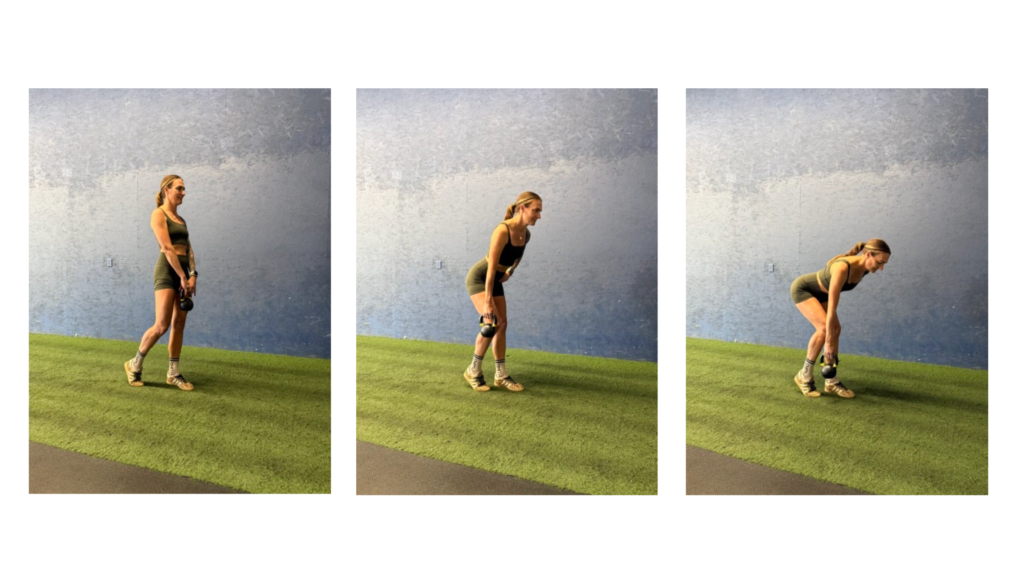
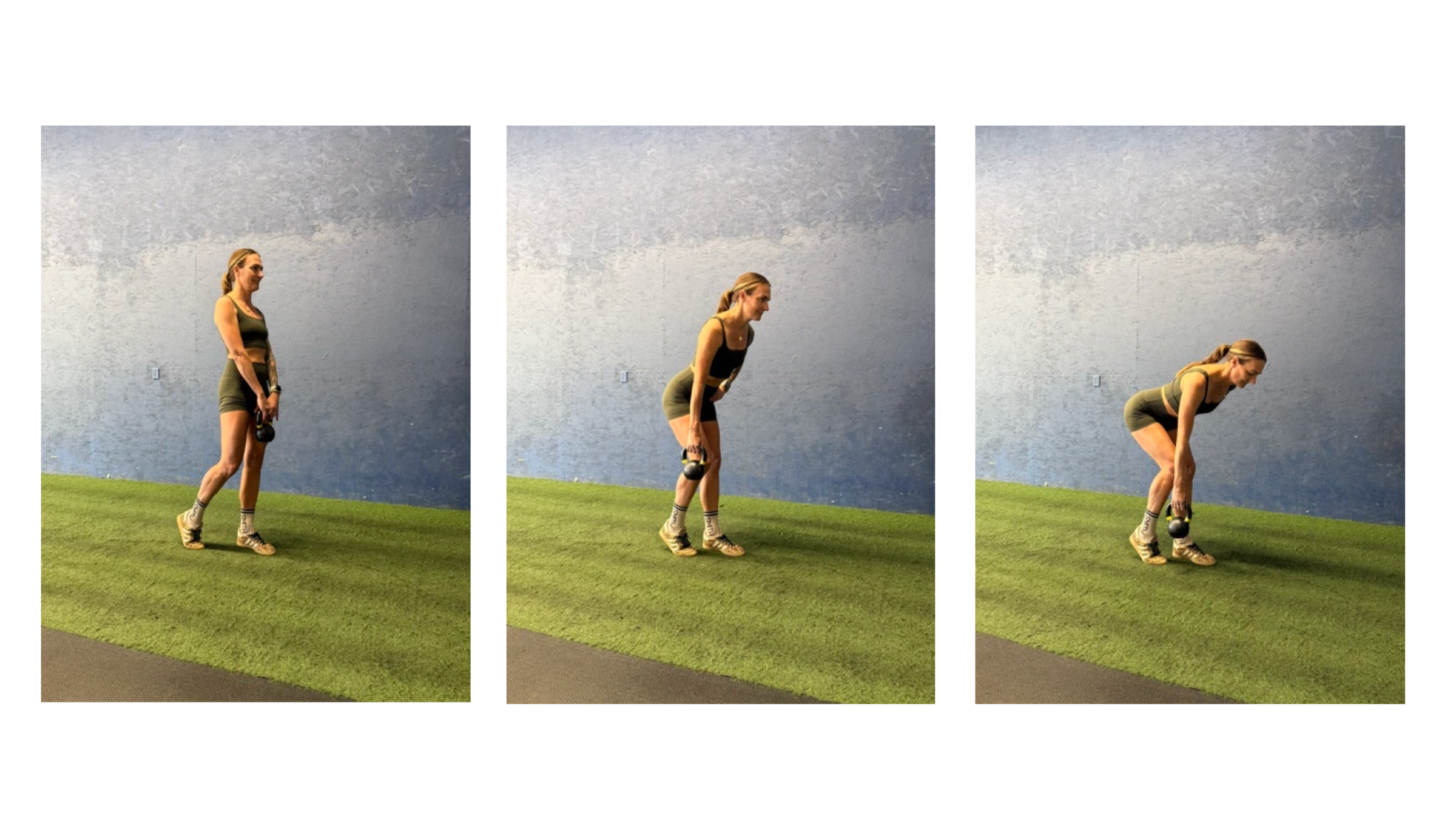
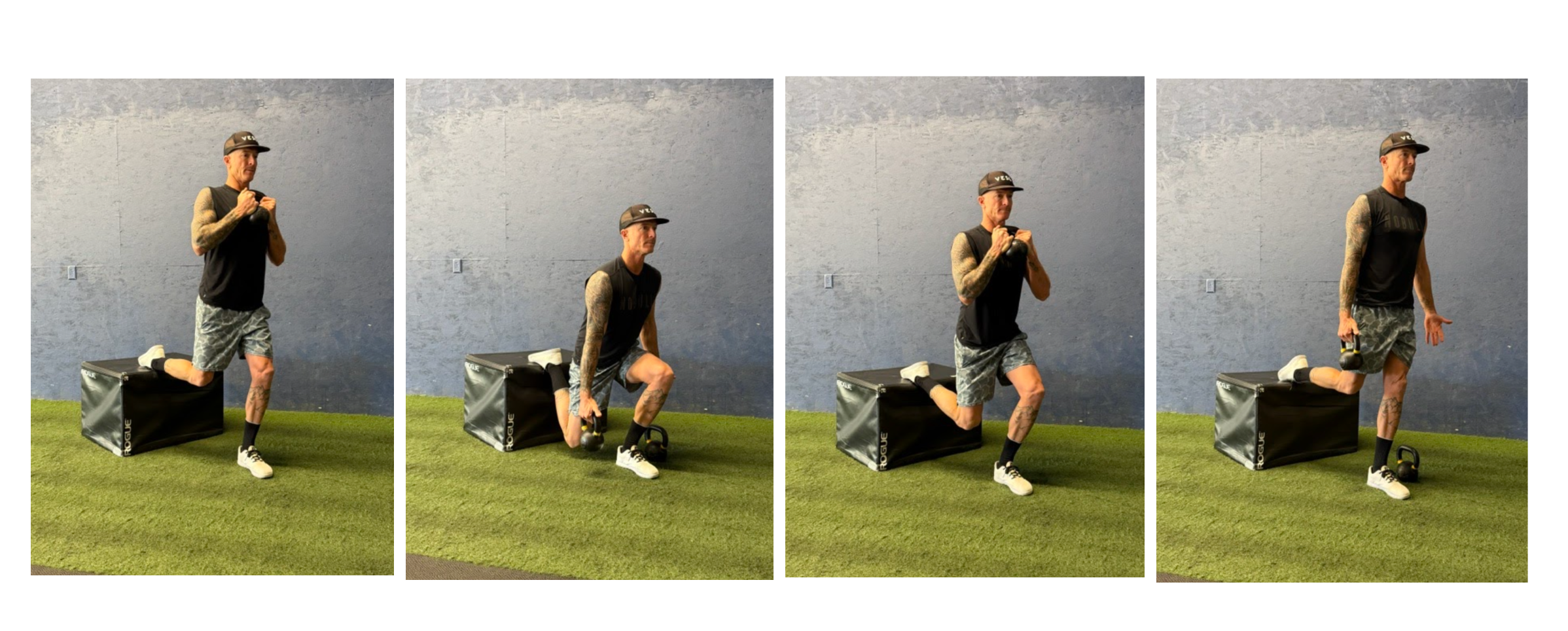
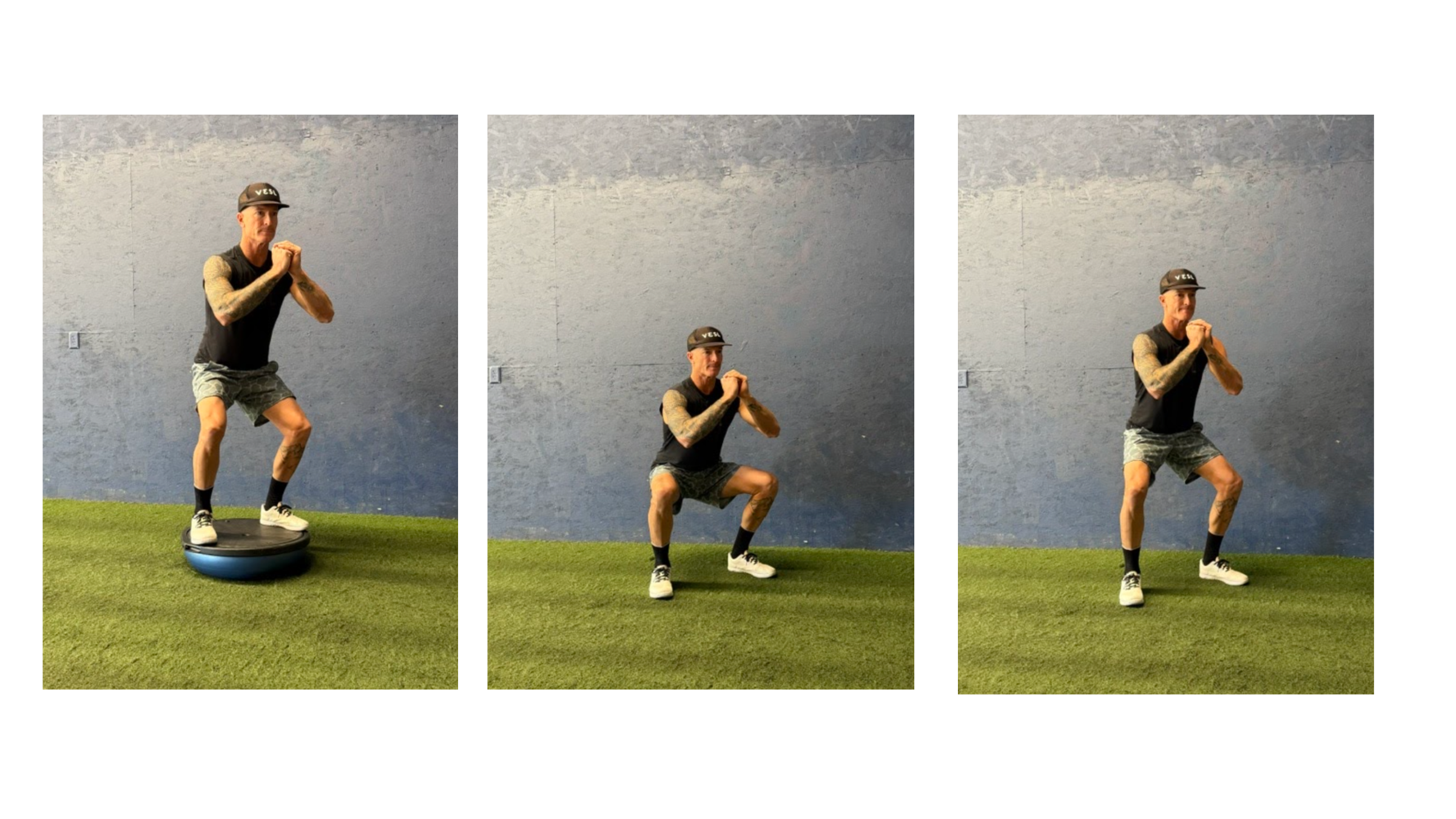
The training regimen focuses heavily on movements that mirror the physical reality of the slopes, such as crouched pulse squats. By dropping into a deep, comfortable squat and pulsing up and down without fully locking out the hips and knees, skiers can successfully mimic the continuous muscle engagement required during repeated downhill turns. Similarly, kettlebell kickstand deadlifts and Bulgarian split squats help build unilateral strength in the lower body, targeting the exact muscle groups that bear the brunt of gravity on a steep descent.
Cardiovascular preparation also requires a specific approach, favoring short bursts of high-intensity effort followed by extended periods of rest. By pushing the heart rate toward targeted training zones for brief intervals, skiers can better prepare their bodies for the aerobic demands of high-altitude runs. Incorporating a dynamic warm-up routine prior to hitting the slopes—utilizing movements like knees-over-toes squats, side-lying quad stretches, and rotational lunges—further primes the joints and soft tissues for the workload ahead.
Ultimately, the physical toll of the ski season is an unavoidable reality for anyone who loves the mountains. As seasoned skiers note after decades on the snow, making the right physical choices today is the only way to ensure you can still enjoy the slopes tomorrow. The gear can wait, but the preparation cannot.
Related News