Solo in Kuwait: Discovering the Culture, History, and Hidden Gems of an Underrated Middle Eastern Destination
Article Editorial Team
As updated in October 2026 by travel writer Lisa Imogen Eldridge, Kuwait continues to emerge as a fascinating, secure, and deeply welcoming destination for solo travelers seeking to venture off the traditional tourist path in the Middle East. Renowned globally for its immense wealth derived from oil exports and its affluent society, this Gulf nation offers a blend of ancient heritage and modern ambition. Following a comprehensive week-long solo exploration of the country, Eldridge has detailed her top recommendations for navigating Kuwait, highlighting key sights, cultural nuances, practical transport methods, and ethical travel considerations.

About Kuwait
Nestled strategically between Iraq and Saudi Arabia, Kuwait possesses a rich history dating back to at least 2000 B.C., when it was inhabited by Mesopotamians. Physical evidence of this ancient past remains visible today through scattered Greek ruins. In modern history, the nation endured the profound challenges of the 1993 Iraqi invasion, which left stark physical scars, such as the debris still visible on Falaika Island. Despite these historical trials, the resilience of the Kuwaiti people is evident in the magnificent monuments erected throughout the capital to honor the soldiers and citizens who sacrificed their lives during the conflict.

Today, Kuwait operates as a safe and stable destination for international visitors. Characterized by a scorching climate, it serves as an ideal winter getaway between November and March, when temperatures moderate into comfortable ranges. Visitors can explore exotic beaches, spend nights under the stars in the desert, or engage in bird-watching across the nation’s nine islands. While the tourism infrastructure is still developing compared to other regional hubs, the country offers a rich cultural experience that can be thoroughly explored within a week.

Kuwait Customs and Heritage
Kuwaiti culture is deeply rooted in Islamic traditions and strong community values, creating a harmonious blend of modern development and ancient customs. Arabic serves as the official language, and Islam is the predominant religion. Traditional attire remains common, with men typically wearing the thobe—a long white robe—and women wearing the abaya—a long black robe.

The nation’s heritage is heavily tied to the sea, particularly historical pearl diving, which is celebrated annually through dedicated cultural festivals. Social etiquette places a high value on hospitality, where gatherings frequently involve serving traditional coffee and dates. Local cuisine reflects centuries of regional trade, featuring iconic dishes such as Machboos, a spiced rice dish with meat or seafood, alongside sweet local delicacies like Luqaimat dumplings. Travelers should also note that the official weekend in Kuwait falls on Friday and Saturday rather than Saturday and Sunday.

Major Landmarks and Cultural Sites
A journey through Kuwait City reveals an array of striking architectural and historical landmarks. Among the most prominent is the Kuwait Grand Mosque, formally known as Al-Masjid Al-Kabir. Spanning 45,000 square metres and constructed in 1986, it stands as the largest official mosque in the country. Featuring traditional Islamic architectural elements, massive domes, and intricate woodwork, the mosque offers guided tours for visitors seeking to understand local religious traditions.

Directly opposite the mosque stands the Seif Palace, constructed in 1904 by Sheikh Mubarak. Serving as the historic seat of the Kuwaiti government since the late 19th century, the palace displays traditional Islamic design using stone, clay, and limestone. While public access is restricted past the main gates, its expansive grounds include an artificial lake, a helipad, a yacht dock, and a watchtower that visitors can view from the outside.

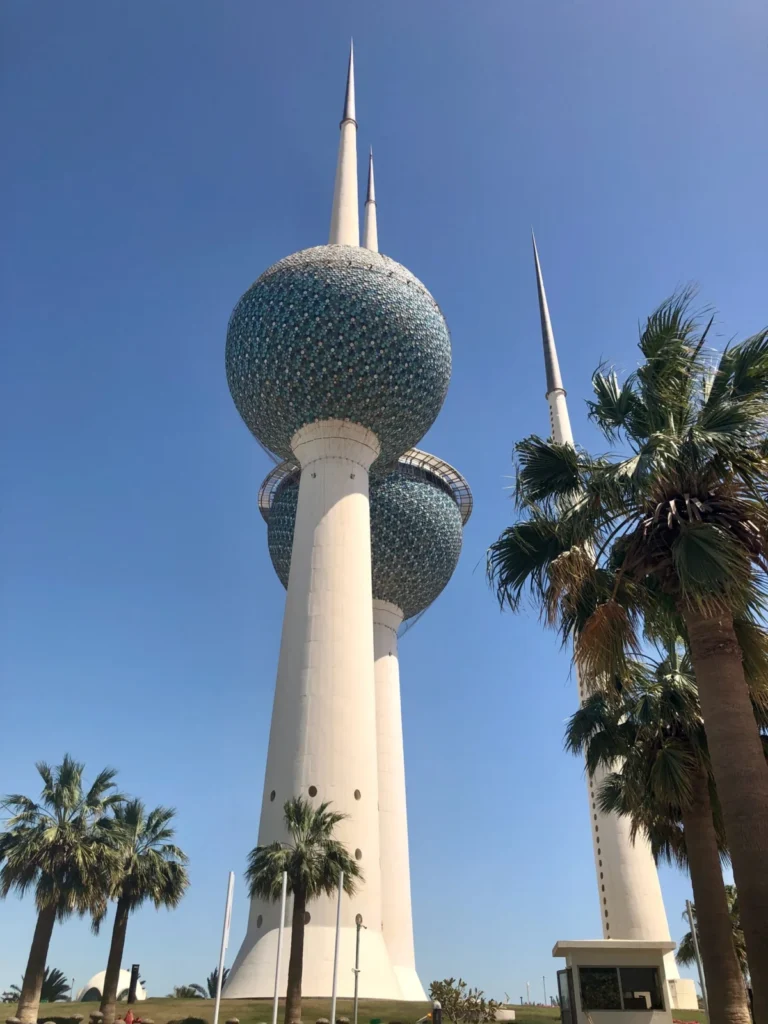
Dominating the capital’s skyline are the iconic Kuwait Towers. Designed by a Danish architect in 1979, these twin structures feature observation decks and a revolving café that offers panoramic views of the city and coastline. The Towers provide an ideal starting point for new arrivals to orient themselves before exploring further along the coast toward the Grand Mosque.

Another significant structural landmark is the Liberation Tower. Standing at 372 meters tall, this telecommunications tower was built in 1993 to commemorate the nation’s liberation. While primarily functioning as a government office, visitors can arrange advance bookings to tour its observation areas, restaurants, and cultural galleries.

For green spaces and public monuments, Al Shaheed Park spans 55,000 square metres as the largest green roof project in the Arab world. Named the "Park of the Martyrs," it houses the seven-meter-high glass Martyr Monument and the Constitution Monument, alongside the Remembrance Museum, the Habitat Museum, and an outdoor amphitheater hosting musical performances.

Museums and Traditional Arts
Kuwait’s commitment to preserving its artistic and historical heritage is evident through its specialized institutions. The Tareq Rajab Museum houses a private collection of over 30,000 pieces of Islamic art, including jewelry, musical instruments, weapons, ceramics, rare Arabic manuscripts, and historical clothing. The collection is organized by country of origin across distinct locations dedicated to antiquities and calligraphy.

Adjacent to the National Museum, Sadu House preserves the traditional weaving practices of the Bedouin tribes. Established to honor indigenous craftsmanship, the cultural center offers educational exhibits, weaving workshops, and retail spaces featuring authentic local textiles, rugs, and handmade souvenirs. Additionally, the Sheikh Jaber Al Ahmad Cultural Center serves as a major hub for the performing arts, featuring advanced theater facilities, dancing fountains, and landscaped outdoor spaces as part of the National Cultural District.

Shopping, Souks, and Modern Malls
Shopping in Kuwait bridges traditional bazaars and ultra-modern commercial centers. Souq Al-Mubarakiya offers a traditional market experience reminiscent of medieval Middle Eastern bazaars, where vendors sell Persian silk carpets, Arab antiquities, spices, perfumes, and jewelry alongside traditional dining establishments.

In contrast, modern retail complexes such as Souq Sharq provide high-street shopping alongside scenic views of the marina and the Arabian Gulf. For luxury retail, the expansive Avenues Mall stands as the largest shopping complex in the country, featuring international designer labels, dining options, and entertainment facilities within striking architectural spaces.

Coastal Attractions and Natural Landscapes
Kuwait’s coastal geography offers various beaches and marine environments. While public beaches like Messilah and Egaila provide landscaped recreational areas, swimming attire is subject to conservative local dress codes, making hotel resort pools a more suitable option for western swimwear.

Beyond the capital, the Kazmah Desert offers outdoor recreation, including desert safaris, camel riding, and panoramic views from desert cliffs, primarily accessible between November and March. Offshore, destinations like Failaka Island—located 20 kilometers away via regular ferry services—feature ancient Greek ruins dating back to Alexander the Great alongside remnants of the Gulf War. Meanwhile, Boubyan Island and Warbah Island remain important ecological sanctuaries, serving as critical stops for migratory bird routes and supporting diverse marine life within the Persian Gulf.

Accommodation, Transport, and Practical Travel Advice
Accommodation across Kuwait ranges from budget hotels to luxury five-star beachfront resorts. Because Kuwait is a dry country, alcoholic beverages are not served in hotels or public establishments. Popular lodging options include the Ramada Encore by Wyndham Kuwait Downtown, the Radisson Blu Hotel Kuwait, the Sheraton Kuwait, and beachfront properties such as The Regency Hotel Kuwait.

Navigating the city relies on an expanding transport network. While public buses operated by City Bus Kuwait offer affordable transit across the capital, taxis, metered street cabs, and ridesharing applications like Careem and Uber provide convenient alternatives for solo travelers. Kuwait International Airport, located 15 kilometers outside the city center, handles arrivals primarily through Terminals 4 and 5, with taxi, shuttle, and bus connections available into downtown.

Solo travel in Kuwait is generally regarded as safe, though visitors are advised to maintain awareness of regional geopolitical developments. British and international travelers should verify current travel advisories, such as those issued by the FCDO regarding Middle Eastern tensions, and ensure comprehensive travel insurance coverage before departure. Dressing modestly is recommended out of respect for local cultural norms, ensuring a rewarding experience exploring this unique Gulf nation.
Related News