Navigating the Wilderness: Planning the Ultimate Solo Wildlife Expedition in Alaska
Article Editorial Team
Alaska continues to captivate adventurous travellers from around the world, particularly those embarking on independent journeys into the northern wilderness. For solo explorers seeking a profound connection with nature, tracking the Last Frontier’s iconic fauna requires careful logistical coordination, precise seasonal timing, and an understanding of regional microclimates. Whether the objective is witnessing humpback whales breaching in Southeast Alaska, observing coastal brown bears fishing for salmon, or marveling at puffins nesting along rugged marine cliffs, successful expedition planning depends on aligning personal ambitions with the realities of remote travel.
Choosing the right animal priority serves as the foundational step for any independent traveler. While many visitors hope to encounter a vast cross-section of the state’s ecosystem in a single journey, the vast geographic expanse of Alaska dictates a more focused approach. Marine excursions require coastal departure points with reliable vessel access, whereas terrestrial mammal viewing demands strict adherence to seasonal feeding grounds and federally regulated access permits. Navigating these requirements independently introduces unique considerations, particularly regarding minimum group sizes, single supplements, and the flexibility needed to adapt to unpredictable northern weather patterns.
Juneau and the Inside Passage for Humpback Whales
For travellers prioritizing marine life, Juneau and the surrounding waters of the Inside Passage offer premier opportunities to encounter humpback whales in their natural summer feeding grounds. Peak viewing typically spans from May through September, drawing thousands of marine mammals to the nutrient-rich waters of Southeast Alaska. Half-day and full-day excursions departing from Auke Bay provide direct access to these populations, often accompanied by marine naturalists who interpret animal behavior and contribute to educational conservation efforts.

Organizing a whale-watching excursion as a solo traveler involves balancing independent accommodation choices with group boat charters. Many local operators welcome individual bookings, though participants must verify whether harbour transportation is included from downtown Juneau or surrounding lodges. Evaluating vessel characteristics—such as heated indoor cabins, outdoor viewing decks, and onboard facilities—ensures comfort during long hours on the water. Furthermore, understanding passenger capacities helps travelers select tours that offer adequate space for photography without overcrowding.
While humpback whales remain the primary draw, orcas and other marine species frequently cross paths with tour vessels. Professional operators emphasize adherence to federal wildlife viewing guidelines, such as regulations enforced by the National Oceanic and Atmospheric Administration that prohibit vessels from approaching humpback whales within one hundred yards. Responsible tour operators prioritize animal welfare over guaranteed close-up encounters, ensuring that vessel speeds and trajectories do not disrupt natural feeding and travelling behaviors. Building flexibility into an Inside Passage itinerary allows travellers to absorb local coastal scenery and reschedule excursions if inclement weather temporarily halts marine traffic.
Anan and Brooks Camp for Bear Viewing
Terrestrial wildlife enthusiasts frequently set their sights on Alaska’s renowned bear populations, with the Anan Wildlife Observatory near Wrangell and Brooks Camp in Katmai National Park standing out as premier destinations. At Anan, a unique ecosystem allows both black and brown bears to gather in proximity to harvest migrating salmon from the creek. The primary viewing season at this observation site runs from July 5 through August 25, creating a concentrated window for wildlife observation in a dense coastal rainforest setting.

Access to Anan requires careful logistical preparation, as visitors must travel via boat or floatplane. Solo travelers are generally advised to secure their transport and mandatory viewing permits simultaneously through authorized guide services. Similarly, Brooks Camp in Katmai National Park draws heavy interest for brown bear viewing, particularly during the peak months of July and September. Because bears shift their locations in response to changing food availability throughout the summer and early autumn, travelers must maintain open communication with local outfitters regarding active bear concentrations.
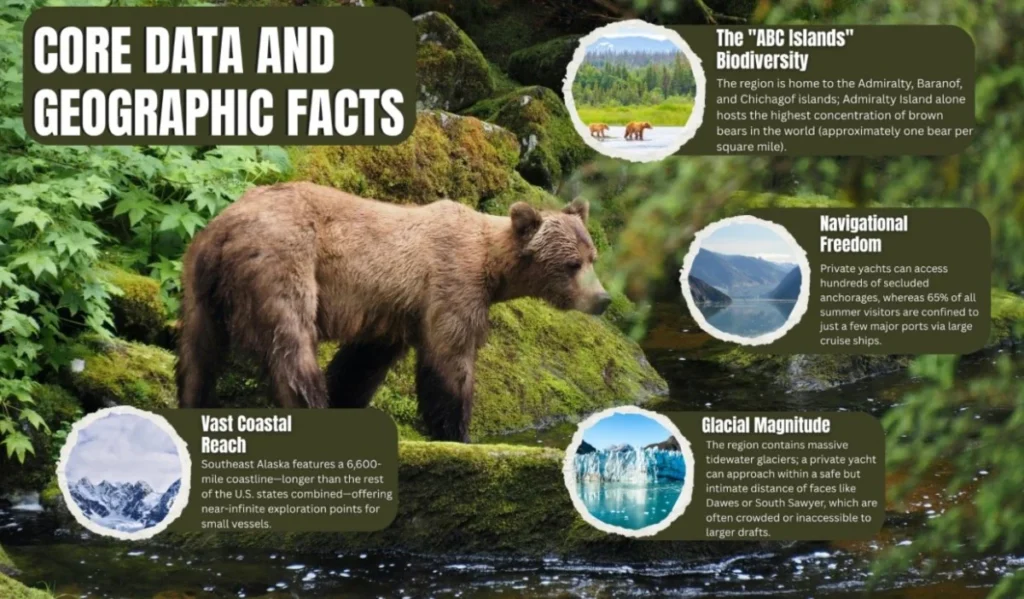
Private expeditions, such as specialized regional yacht charters, offer alternative pathways for affluent travelers seeking exclusive access to remote coastal areas. However, these private itineraries differ significantly from standard shared wildlife tours, requiring thorough financial and logistical review before commitment. Whether booking a seat on a floatplane or joining a guided excursion to a remote viewing platform, understanding permit allocations, cancellation policies, and transfer contingencies remains essential for a seamless wilderness experience.
Kenai Fjords for Puffins and Marine Wildlife
Further south, the coastal community of Seward serves as the gateway to Kenai Fjords National Park, an ideal location for observing seabirds, marine mammals, and tidewater glaciers in a single voyage. Summer boat tours navigate the protected waters of Resurrection Bay and extend outward toward the open gulf, offering dramatic vistas of vertical rock faces and calving ice sheets. Travelers prone to seasickness or those preferring shorter outings often opt for bay-focused cruises, while full-day expeditions venture deeper into marine habitats frequented by sea otters, harbor seals, and migrating cetaceans.

Avian enthusiasts target the summer months specifically to witness nesting puffins. Tufted puffins typically arrive at regional breeding islands by mid-May, closely followed by horned puffins, establishing colonies in areas such as the Chiswell Islands before heading back to the open ocean at the end of the season. Inspecting tour routes ahead of time ensures that itineraries allocate sufficient time near seabird colonies rather than focusing exclusively on glacier sightseeing.
Independent visitors must account for vessel passenger minimums when booking single tickets, as certain departures rely on a threshold of participants to confirm the voyage. Packing appropriate gear is equally critical, as maritime environments in Alaska remain cold and damp even during the peak of summer. Waterproof layers, secured binoculars, and protective camera housings safeguard both the traveler and their equipment against chilling sea spray and sudden weather shifts.
Building an Itinerary Around Regional Wildlife Windows
Synthesizing multiple wildlife objectives into a cohesive solo journey requires careful geographic selection and realistic scheduling. Because major wildlife hotspots are separated by vast distances and rugged terrain, attempting to visit every distinct region during a short vacation is rarely practical. July offers an optimal window for overlapping opportunities, including peak whale activity in Juneau, active salmon-fishing bears at Anan, and coastal brown bear viewing in Katmai. By September, seasonal windows begin to shift, concluding earlier at locations like Anan while maintaining strong viewing potential in Juneau and Katmai.

Solo travelers, particularly women navigating the region independently, benefit from verifying accommodation availability, single supplement structures, and overarching lodging arrangements well in advance. Securing written confirmation of departure details, emergency protocols, and total costs prevents unexpected complications in remote areas where transport alternatives are scarce. By prioritizing the specific fauna or landscapes that spark their curiosity and allowing adequate time to experience them fully, independent travelers can forge a deeply personal and enduring connection to the wild heart of Alaska.
Related News