Inside Manaus: The Cosmopolitan Gateway to the Brazilian Amazon
Article Editorial Team
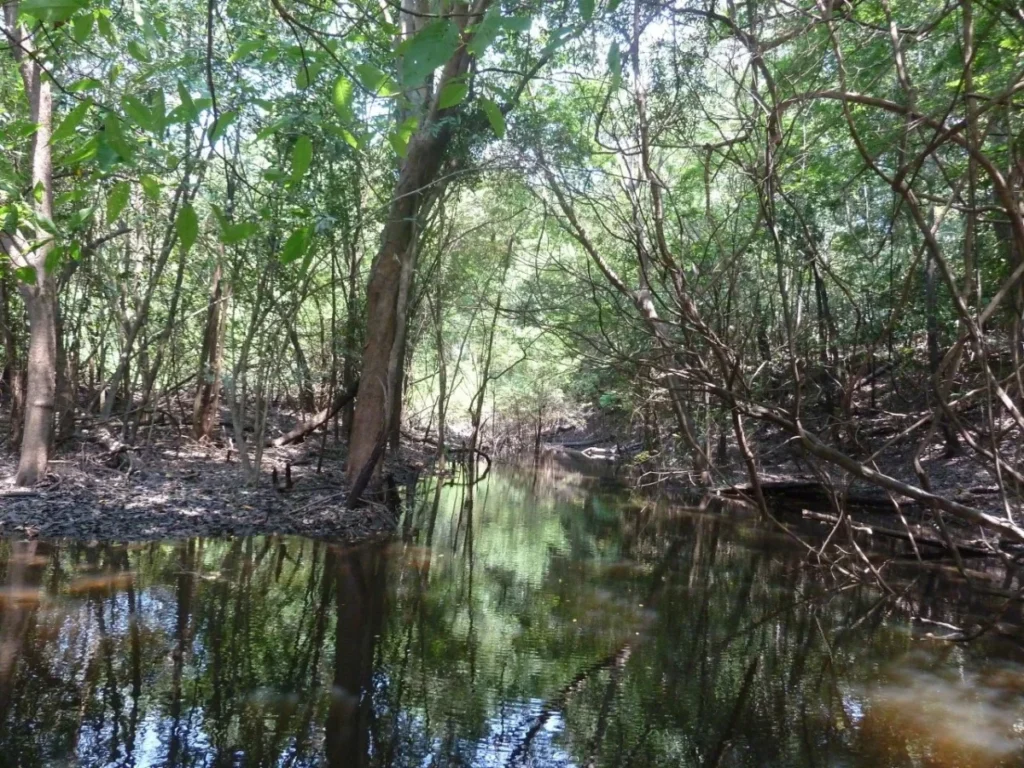
For decades, travelers conceptualized the Brazilian Amazon through the lens of remote wilderness, dense forestry, and isolated settlements far removed from urban civilization. Yet arriving in Manaus, the sprawling capital of Brazil’s Amazonas state, immediately shatters those preconceived notions. Far from a modest outpost, this bustling port city situated along the banks of the Rio Negro presents a vibrant, cosmopolitan metropolis populated by over two million residents. Rooted deeply in a rich history tied to the late-19th and early-20th-century rubber boom, the city juxtaposes contemporary commerce with striking remnants of a lavish colonial past, anchored most famously by an opulent, rose-hued opera house.

Discovering the Urban Heart of the Amazon
Manaus serves as the primary logistical and cultural gateway to the world’s largest tropical rainforest. While the greater Amazon basin spans multiple South American nations—including Peru, Colombia, Ecuador, and Bolivia—Brazil holds a massive share of the territory. Within this geographical context, Manaus stands out as a unique economic and cultural nexus. The city’s golden era of natural rubber production at the turn of the 20th century transformed it into a bustling hub of international trade and European architectural influence, before shifting market dynamics triggered an economic downturn in the 1920s. Today, the urban center thrives once more, drawing global tourists and adventurous travelers seeking an authentic encounter with Amazonian life without sacrificing urban accessibility.

Among the city’s architectural crown jewels is the historic Teatro Amazonas. Constructed during the height of the rubber boom, this iconic pink opera house offers visitors a breathtaking glimpse into the region’s historical wealth. Beyond architectural tours, the venue hosts regular performances that blend high culture with unexpected local twists. Attending a show within the opulent auditorium—where ticket prices can be remarkably accessible—delivers a multisensory experience, ranging from classical orchestras interpreting video game themes like Super Mario to traditional theatrical productions. For those unable to secure a ticket for a live performance, hour-long guided tours are conducted regularly in multiple languages, allowing visitors to appreciate the Italian Renaissance-style masonry, imported French furnishings, and iconic dome covered in thousands of brightly colored ceramic tiles.

Navigating the Mighty River and Jungle Frontiers
For travelers looking to venture beyond the urban boundaries, Manaus provides immediate access to the diverse ecosystems of the Amazon. The city’s central square is surrounded by independent operators and specialized outfitters offering excursions into the surrounding wilderness. Multi-day expeditions frequently range from intensive survival treks—where participants learn to navigate the dense canopy, identify medicinal flora, and sleep in traditional hammocks—to more relaxed river lodge stays and piranha fishing excursions. These journeys offer immersive insights into the daily realities of the ecosystem, highlighting both indigenous heritage and the rich biodiversity of the region.

A quintessential experience for visitors based in Manaus is a boat excursion to the Meeting of the Waters. Located just downstream from the city, this natural phenomenon occurs where the dark, tea-colored waters of the Rio Negro meet the sandy, beige flow of the Amazon River, historically known locally as the Solimões. Because of differences in water temperature, speed, and density, the two massive rivers run side-by-side for miles without immediately mixing, creating a dramatic two-tone boundary visible from the water. Day trips to this site often coincide with wildlife-watching opportunities, including potential sightings of pink river dolphins and the sprawling pads of the giant Victoria Amazonica water lilies.

Culinary Traditions and Local Commerce
The city’s culinary landscape reflects its unique geographic position at the edge of the world’s largest river basin. Dining establishments across Manaus, particularly those clustered near the historic theater district, heavily feature freshwater catches native to the region. Among the most prominent local delicacies is the tambaqui, a large, fruit-eating fish harvested from the surrounding river systems. In addition to regional gastronomy, visitors frequently sample traditional Brazilian beverages, ranging from fresh-pressed Amazonian fruit juices—including nutrient-dense açai bowls—to the classic caipirinha cocktail crafted with local sugarcane spirits.

To experience the everyday commerce of the capital, travelers often frequent the Adolpho Lisboa Municipal Market. Overlooking the riverfront, this historic iron-work structure—modeled after the former Les Halles market in Paris—provides a bustling space where locals and visitors trade in regional produce, handmade crafts, and traditional indigenous artifacts. Surrounding open-air markets offer everything from woven Amazonian hats to practical travel gear, serving as both a vibrant cultural hub and a convenient space for independent travelers to navigate dining and shopping without the formality of sit-down restaurants.

Scientific Exploration and Botanical Conservation
For visitors who wish to experience the flora and fauna of the region without embarking on multi-day jungle expeditions, Manaus hosts prominent research and conservation institutions. Located a short distance outside the city center, the Instituto Nacional de Pesquisa da Amazônia (INPA) manages the Bosque da Ciência, a public park and research space dedicated to educating the public on regional ecosystems. The facility features exhibits highlighting giant insects and regional wildlife, alongside rehabilitation habitats for rescued manatees and freshwater turtles, offering a controlled environment to study Amazonian biodiversity.

Similarly, the Museu da Amazônia (MUSA) operates a vast botanical garden set within an urban forest reserve. The site features extensive ground-level walking trails accompanied by educational guides who detail the complex relationships between native flora, fauna, and indigenous communities. A primary highlight of the reserve is its elevated observation tower, which allows visitors to ascend above the dense forest canopy for panoramic views stretching across the surrounding greenery, providing a comprehensive perspective of the scale and density of the Amazonian landscape.

Accommodation and Logistics for the Adventurous Traveler
Choosing where to stay in Manaus largely depends on a traveler’s itinerary and appetite for urban exploration. Historic downtown serves as the most strategic base, placing visitors within walking distance of the central square, major tour operators, and cultural landmarks like the Teatro Amazonas. Options range from budget-friendly boutique hotels offering traditional Brazilian breakfasts to central hostels equipped with secure dormitories and communal social areas, which facilitate connections among independent travelers navigating the region.

While public transport and local bus networks connect the broader metropolitan area, navigating the city requires a degree of adaptability, making it particularly well-suited for independent and adventurous solo travelers. Day trips to surrounding natural attractions, such as the waterfalls located in nearby Presidente Figueiredo, further expand the region’s itinerary for those extending their stay beyond the urban center. Ultimately, while many travelers utilize Manaus merely as a brief transit point before heading deep into the jungle, the city itself stands as a complex, culturally rich capital that bridges the historic legacy of the rubber boom with the enduring majesty of the Amazon.
Related News