Why Premium Economy Has Become Modern Aviation’s Most Strategic Battleground
Article Editorial Team
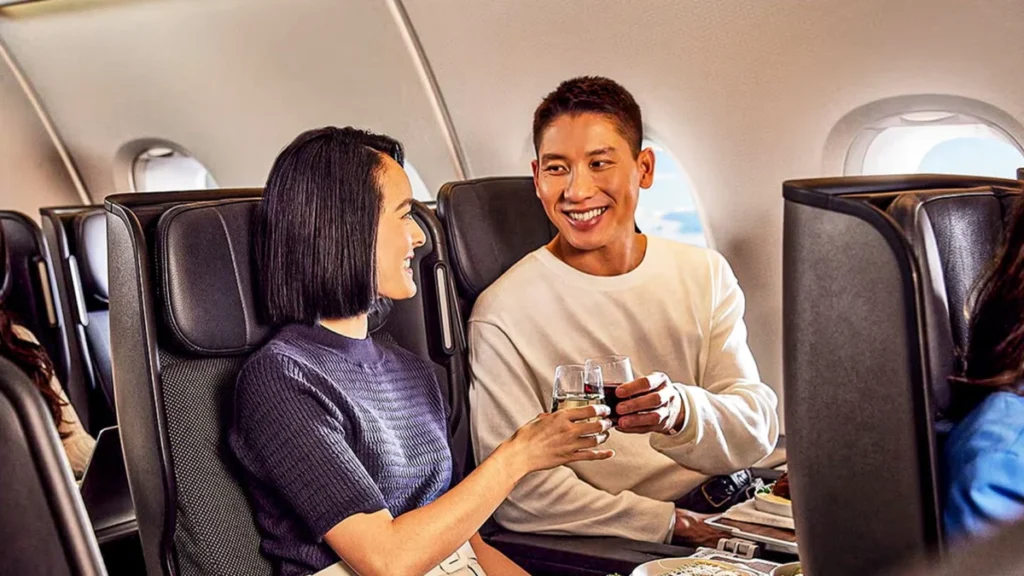
Premium economy has rapidly evolved into one of the most fiercely contested battlegrounds in the modern commercial aviation industry, yet it remains widely misunderstood by many of the passengers who purchase its tickets. Positioned strategically between standard economy and business class, this class of service is much more than simply a few extra inches of legroom. Instead, it represents a deliberately designed, highly calibrated product aimed squarely at travelers who want a noticeably more comfortable journey without paying the steep price associated with a lie-flat bed.
On long-haul aircraft across the globe, premium economy generally comes packaged with wider seats, a deeper recline, more generous seat pitch, upgraded meal services, priority airport privileges, and a quieter, more exclusive cabin environment. This multifaceted approach helps explain why the cabin has spread so rapidly across international airline fleets over the last few decades and why carriers now treat it as a major revenue opportunity rather than a niche upgrade for a relatively small, specialized target market. The underlying concept is also considerably newer than many frequent flyers might assume.
The category as a whole is historically traced back to EVA Air in 1991, before being progressively adopted by international carriers around the world as demand continued to surge for a middle-ground cabin that could successfully balance affordability and overall comfort. For everyday passengers, that background makes premium economy one of the least understood yet most strategically important travel classes in the sky today—a segment where understanding the fine print often matters just as much as reading the name printed directly on the ticket.
More Space, Not Just More Pitch
The primary characteristic that makes premium economy stand out on modern commercial flights is that it is typically built around a genuinely different physical seat, rather than simply being a standard economy seat that has been pushed slightly further away from the row in front of it. That structural distinction matters significantly more than most travelers may realize when booking their itineraries.

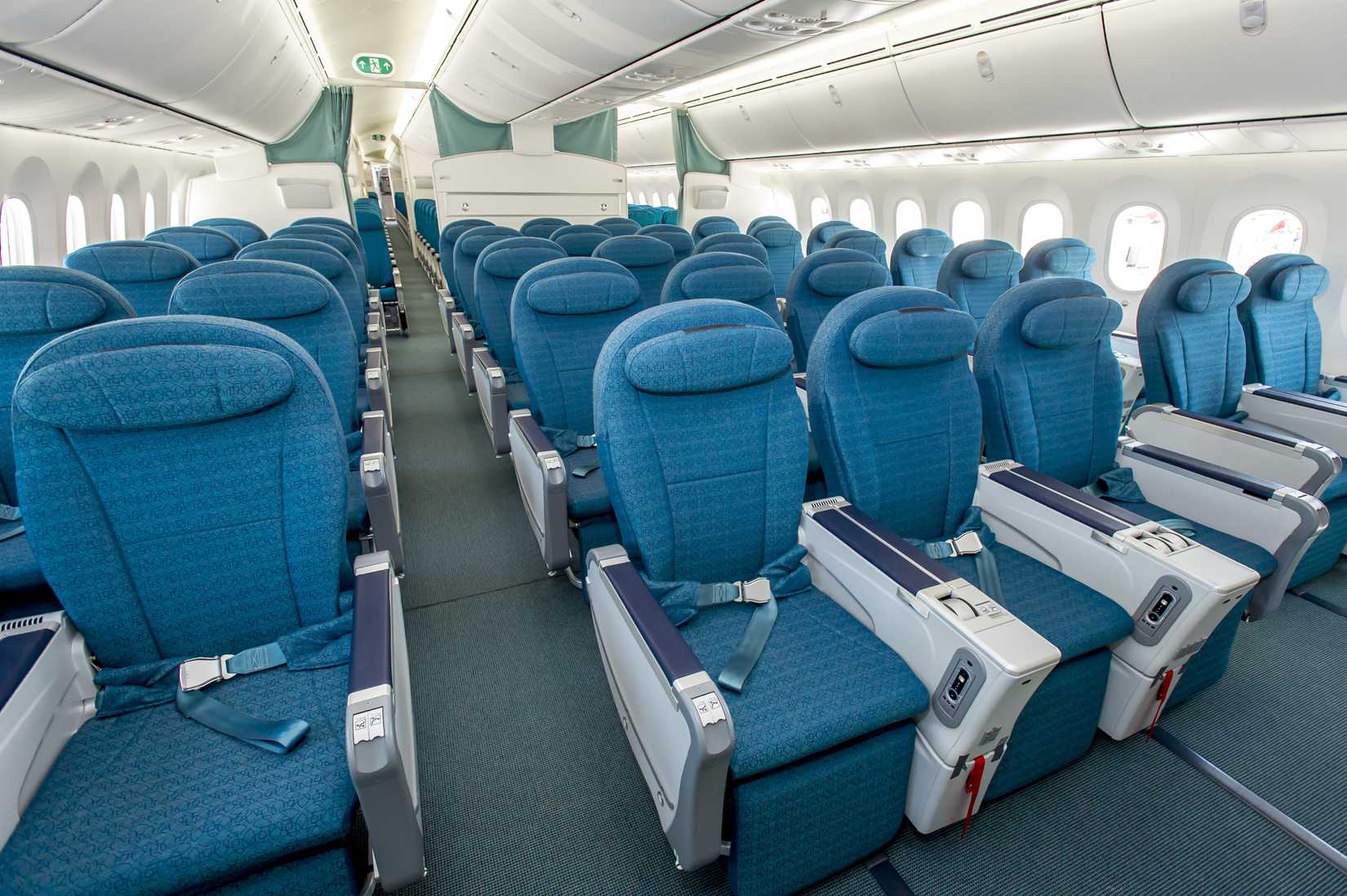
On long-haul aircraft, premium economy commonly offers substantially more seat pitch than standard economy, while simultaneously incorporating wider cushions, a greater degree of recline, and frequently integrated leg rests or adjustable footrests. In practical terms, these modifications alter how the human body sits, shifts positions, sleeps, and ultimately endures a grueling multi-hour journey across continents or oceans.
A few extra inches may sound minor on paper, but over the course of an eight-, ten-, or twelve-hour flight, those dimensions can completely transform the travel experience. This is especially true for taller travelers or anyone who needs to comfortably work, eat, or rest while airborne. Premium economy also tends to successfully avoid the cramped, high-density feeling that defines modern economy cabins, where every movement can feel like an awkward negotiation with the passengers seated directly in front, behind, or immediately next to you.
This enhanced personal space serves as just one fundamental reason why the cabin has achieved such widespread commercial success. It directly appeals to passengers who do not require a fully flat bed for sleeping, but who are nonetheless interested in paying for a noticeable, material step-up from traditional economy. In that sense, premium economy’s most important feature is also among its most basic: the seat is engineered to feel distinctly different from the moment the passenger sits down. These factors are heavily driving the broader aviation industry’s ongoing trend toward more premium cabin segmentation, as airlines recognize that customers are often capable of enjoying these enhanced environments far more than standard configurations and are genuinely willing to pay a premium for the experience.
A Cabin Within The Cabin
Premium economy stands out not only because of the physical seat itself, but also because of the distinct environment that surrounds it within the aircraft. On many widebody and long-haul narrowbody aircraft, the premium economy section is physically separated from the main economy cabin by bulkheads or galleys. This architectural choice creates a smaller, quieter space characterized by fewer rows, significantly less foot traffic down the aisles, and a much more controlled, serene overall atmosphere.
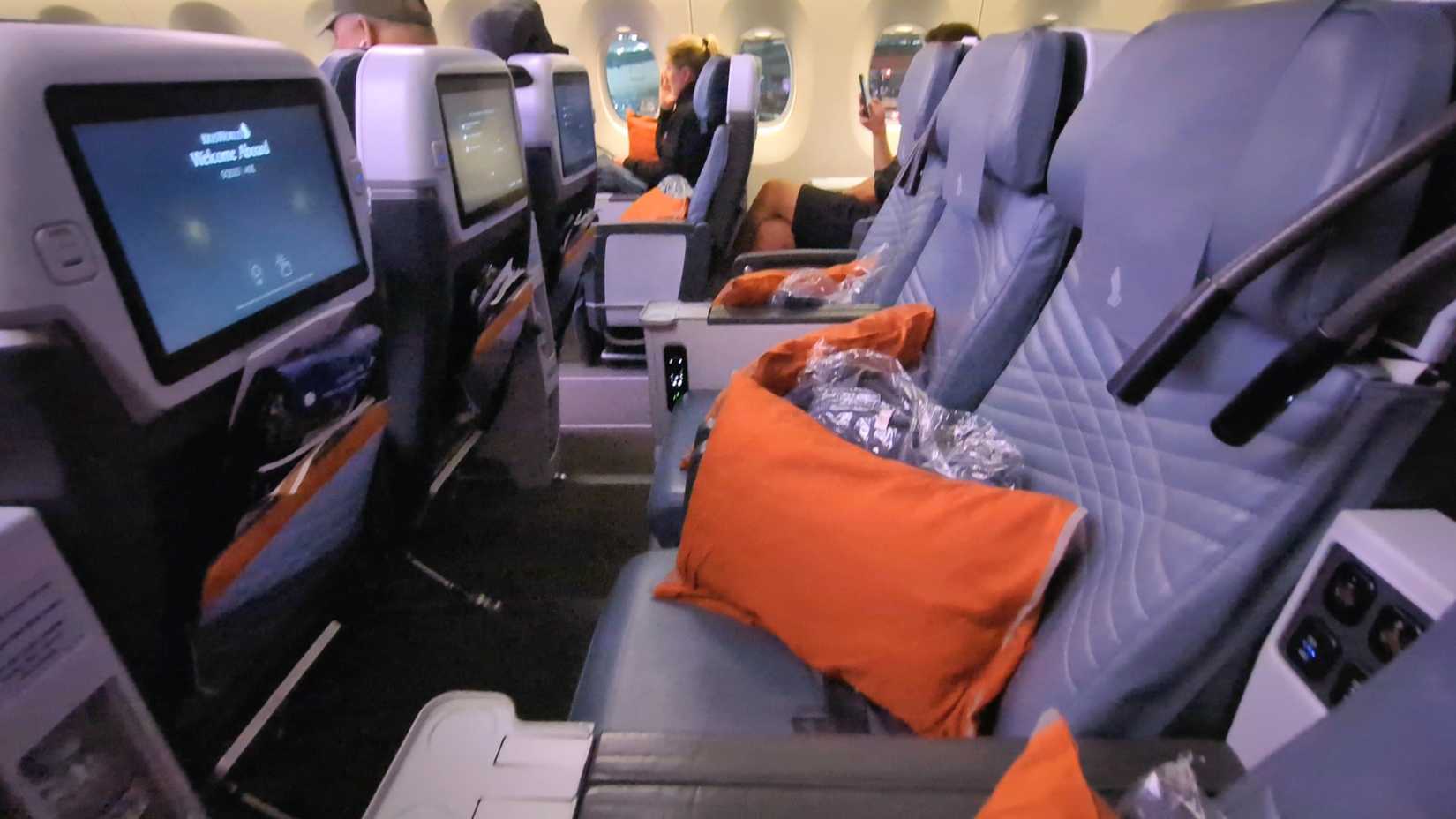
That atmospheric difference is remarkably easy to underestimate when looking at digital booking screens, yet it frequently shapes the overall passenger experience just as much as legroom does. A smaller cabin generally translates to fewer people passing through the immediate aisle space, fewer interruptions or disturbances during designated rest periods, and a much stronger sense of order and tranquility maintained from the initial boarding process all the way through touchdown and deplaning.
Furthermore, this physical separation can make onboard service feel significantly more attentive and personalized, since the cabin crew is managing a much more limited number of passengers compared to the sprawling, high-density economy section located further aft. From a psychological perspective, this dynamic matters deeply because premium economy is not merely selling physical comfort, but also providing a welcome relief from the dense, high-stress environment of mass-market air travel.
The overall appeal of the product lies partly in physical space, but equally in social separation. This is primarily why airlines consistently position premium economy as a distinct long-haul product rather than just an incidental add-on seat assignment. It grants travelers several of the emotional advantages typically associated with premium travel—including calm, exclusivity, and reduced chaos—without forcing them to absorb the enormous price jump required to book a standard business-class ticket.
Service Upgrades Add Real Value
A third key characteristic that allows premium economy to stand out in a crowded marketplace is the comprehensive bundle of onboard amenities and service upgrades that typically accompany the fare. Passengers occasionally make the mistake of assuming they are paying exclusively for a larger chair, but airlines intentionally package premium economy as a broader, more elevated service tier.

Depending on the specific carrier operating the flight, these enhancements can include upgraded catering with improved meal presentation, complimentary alcoholic beverages, specialized amenity kits for long-haul routes, larger entertainment screens with noise-canceling headphones, easily accessible power outlets, sturdier tray tables, and more thoughtful touches throughout the flight.
None of these elements single-handedly transform the cabin into a true business-class product, but that reality is precisely the point of the tier. Premium economy succeeds commercially because it carves out a carefully curated middle ground. The passenger receives enough added comfort, improved dining, and elevated service to feel materially better off than they would in standard economy, while the airline successfully avoids the immense cost structures associated with operating a full business-class cabin complete with dedicated airport lounges and lie-flat beds.
These added perks also fundamentally alter the emotional tone and rhythm of the journey. Everything from an initial welcome drink to a slightly elevated dining option or a modest amenity pouch creates the distinct impression that the airline recognizes the traveler as someone purchasing an upgraded, valued experience rather than merely being transported from origin to destination at the absolute lowest available cost. In an intensely competitive long-haul travel market, that customer perception matters immensely. Premium economy continues to grow in popularity because it feels purposeful and deliberate, representing a complete product designed to provide a polished journey from takeoff to landing while remaining financially accessible to everyday travelers.
The Airport Experience Starts Much Earlier
Another major reason premium economy stands out is that its tangible value frequently begins long before the aircraft ever pushes back from the gate. While many passengers focus exclusively on the physical dimensions of the seat while booking, one of the most overlooked advantages of purchasing a premium economy ticket is the inclusion of priority ground services at the airport.
Features such as dedicated priority check-in counters, earlier boarding groups, increased baggage allowances, and occasionally expedited security lane access are common benefits bundled into true premium economy fares. While these ground-based perks might sound secondary when compared directly against seat pitch or width, they possess a cumulative effect that profoundly shapes the overall quality of the travel day.
Long-haul flying is inherently exhausting even before an aircraft leaves the ground, and actively reducing friction and waiting times at the airport can make the entire journey feel significantly smoother from the outset. This represents one of the clearest ways that airlines differentiate premium economy, reinforcing its identity as a mini-premium travel experience rather than merely a slightly better chair to sit in.
This holistic approach helps explain why the product has expanded so rapidly both among leisure travelers who are willing to spend modestly more for peace of mind and comfort, and among corporate flyers whose company travel policies strictly prohibit business-class expenditures. By delivering practical, cumulative comfort gains across multiple touchpoints of the journey, premium economy creates a genuine sense of elevated travel that begins at the check-in desk and persists seamlessly through boarding, baggage claim, and final arrival.
Filling In The Middle Ground
Perhaps the most enduring reason that premium economy stands out is structural rather than physical. Simply put, it fills a persistent and vital gap in the commercial airline marketplace. Airlines originally introduced the product because comprehensive market research identified a massive demographic of passengers who clearly desired an experience superior to standard economy, but who simply could not justify or afford the exorbitant pricing of a business-class ticket. That foundational logic remains the primary driving force behind the cabin’s ongoing operations and expansion today.

Premium economy thrives because it successfully captures travelers positioned squarely in the middle—individuals who prioritize personal comfort and convenience, but who still carefully evaluate financial trade-offs. In practice, the cabin stands as one of the most successful examples of modern airline market segmentation strategies. It delivers a noticeable, measurable improvement in personal space, dedicated service, and terminal exclusivity while keeping ticket prices far below the threshold of lie-flat luxury products.
Historically, this powerful middle-market appeal explains why the concept proliferated rapidly after EVA Air pioneered the model, and why dozens of long-haul carriers eventually poured substantial investments into retrofitting their fleets. Airlines quickly realized they could capture higher yields from passengers willing to pay a moderate financial supplement for a less fatiguing journey, while passengers viewed the tier as a pragmatic way to make long-haul flying genuinely tolerable without crossing over into luxury pricing brackets.
That delicate economic balance is ultimately what makes premium economy so distinctive within global aviation. It is never treated as an accidental compromise, but rather as a deliberate commercial product meticulously engineered around the real-world needs of travelers who desire premium touches without bearing the full expense of a front-cabin ticket. In that regard, premium economy stands out as perhaps the most carefully targeted and structurally sound cabin class in the modern aviation industry.
Related News