How Safety and Innovation Made the Cirrus SR22 the King of General Aviation
Article Editorial Team
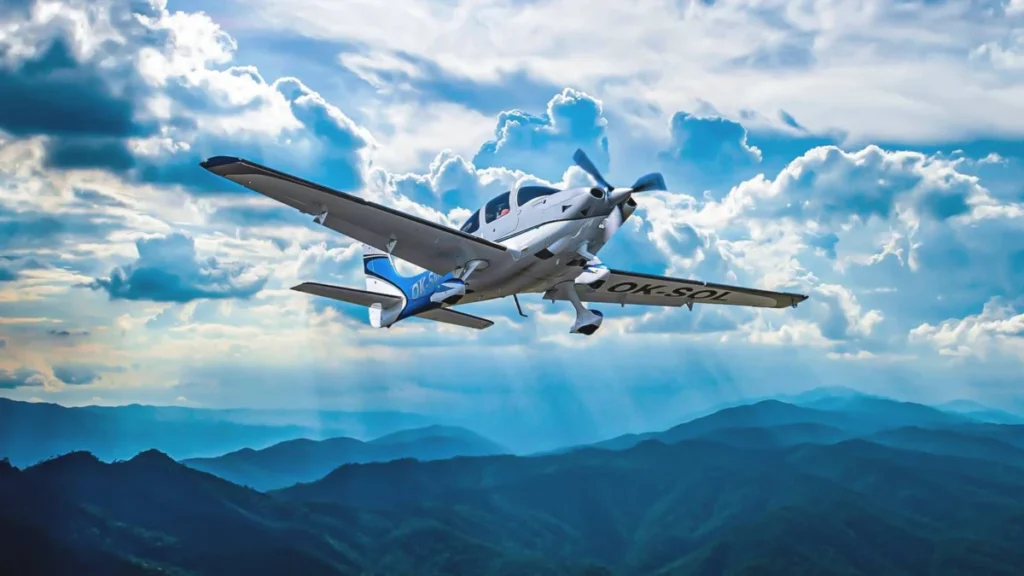
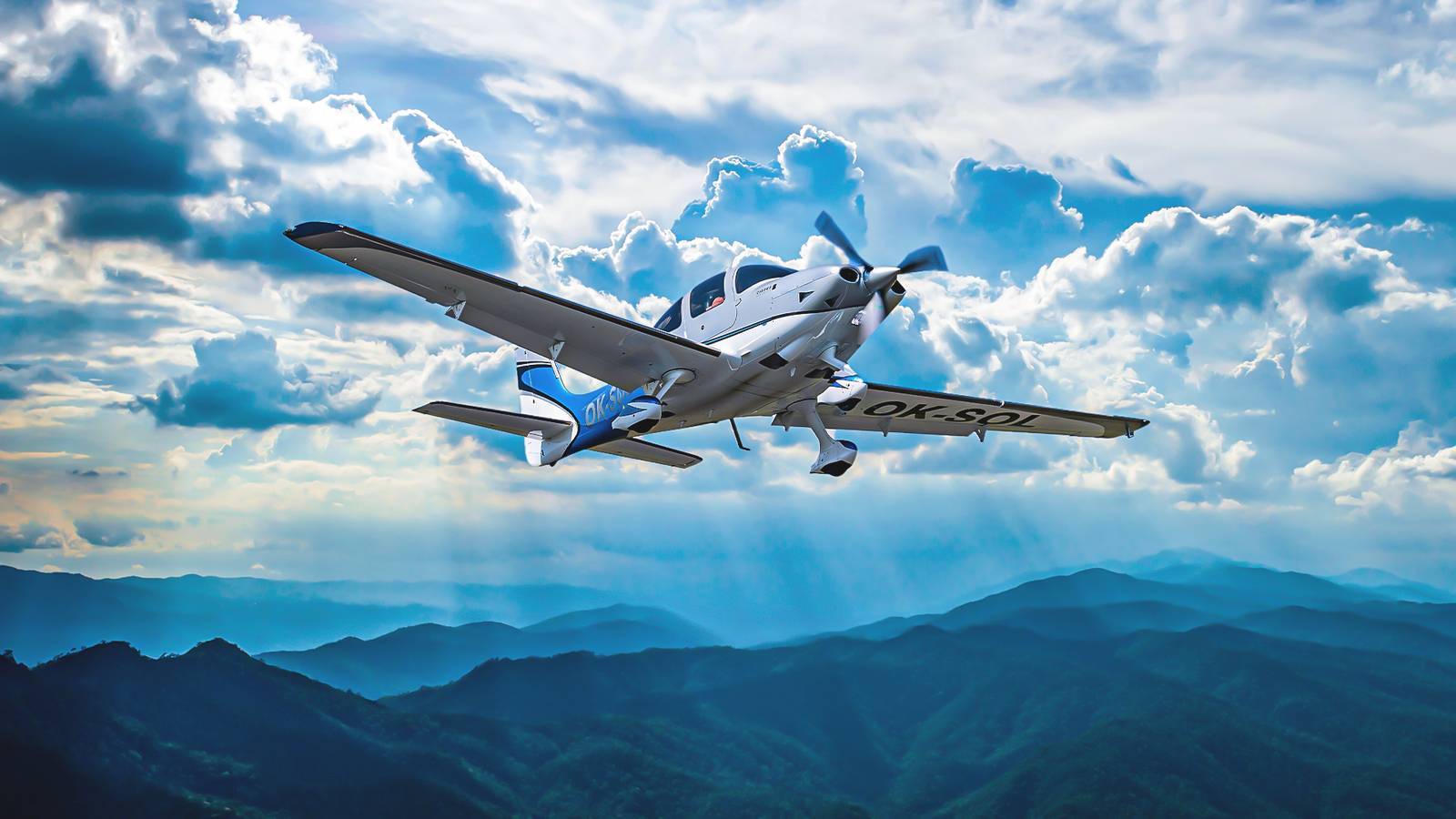
Cirrus has fundamentally revolutionized the landscape of 21st-century general aviation with its flagship SR22 series of single-engine propeller aircraft. However, the most game-changing design choice behind this modern aviation phenomenon was driven not by raw performance metrics or cost-cutting manufacturing, but rather by an uncompromising commitment to safety. By deliberately shifting the general aviation industry’s primary focus away from pure mechanical specifications and toward the tangible peace of mind of pilots and passengers, the SR22 secured its place as the leading single-engine piston aircraft of the modern era. Cirrus completely upended a stagnant market by introducing a high-performance aircraft built entirely around an unprecedented safety mechanism: a whole-airplane parachute.
The crown jewel of the SR20 family of aircraft is the Cirrus Airframe Parachute System, widely known as CAPS, but it is far from the only innovative technology packed inside the lightweight, composite monoplane. Before the SR22 officially arrived on the scene in 2001, the light aircraft market was largely dominated by legacy, decades-old aluminum designs from heritage manufacturers like Cessna and Piper. In contrast to those traditional aluminum sheets, the SR22 is constructed from sleek, rivet-free fiberglass and carbon fiber composites. This advanced material choice allows for superior aerodynamic performance, higher cruising speeds, and an incredibly strong cabin fuselage designed to protect its occupants.
The engineering innovation continues across the wings of the SR22, which feature a unique, NASA-designed discontinuous "cuffed" leading edge. This sophisticated aerodynamic design makes the outer edges of the wing highly resistant to stalling, drastically minimizing the risk of a fatal spin occurring during critical phases of flight. Modern iterations of the aircraft also feature the safe return emergency Auto Land system developed in close collaboration with Garmin Avionics. All of these advanced features combined have propelled the SR22 to the top sales spot every single year since 2003, helping push Cirrus’ market share to capture over 50% of the global single-engine piston aircraft market.
Metrics That Matter: Why Peace of Mind Beats Pure Performance
While the Cirrus SR22 stands proudly as the best-selling cross-country machine for 24 consecutive years, it does not actually hold the crown for absolute top performance metrics like pure speed, payload capacity, or short-field flexibility. If speed is your only metric of choice, the Mooney Acclaim Ultra completely outperforms the Cirrus. Meanwhile, the Cessna 182 Skylane is widely regarded as more rugged for rough utility operations, and the Piper Archer remains a favorite among flight schools for its operational efficiency.
Despite these distinct performance advantages held by competitors, Cirrus routinely sells ten to fifteen times more aircraft per year than its direct performance rivals. According to General Aviation News, the turbocharged SR22T topped the list of piston singles with twice as many sales as the Cessna Skyhawk and the Piper Archer. As of early 2026, Cirrus has successfully delivered over 8,700 individual SR22 and SR22T aircraft since its initial debut, alongside more than 11,000 total SR-series planes delivered worldwide.
While other legacy aircraft have been around for decades, meaning their historical lifetime production totals look larger on paper, their modern market appeal has cratered in comparison to the sleek Cirrus lineup. Cirrus delivered hundreds of planes in 2025, with the SR22 and turbocharged SR22T making up the vast majority of that total. While Cessna continues to sell healthy numbers of its training-focused 172 model, only a fraction of its 182 Skylanes have been sold recently. Meanwhile, Beechcraft has handed over only a small handful of its top-of-the-line Bonanza G36s, highlighting the profound shift in buyer preferences across the industry.

The ‘Gimmick’ That Won: Facing Down Flight Line Skepticism
Founders Alan and Dale Klapmeier had a deeply personal reason to prioritize safety when designing the piston single that ultimately catapulted them to the top of their class. According to historical records from the Smithsonian, Alan barely survived a terrifying midair collision in 1985 and subsequently vowed to engineer a parachute into every future aircraft bearing the Cirrus name. Although Cirrus now commands the general aviation manufacturing sector, its initial market reception was notably lukewarm.
When Cirrus pitched a radically different kind of airplane with the introduction of the SR20 in 1999, it arrived with a composite airframe, an unconventional side-mounted yoke, and the now-famous whole-airplane parachute. The very feature that defines the company’s success today was initially mocked across the aviation community as a dangerous marketing gimmick. Industry critics argued that including a parachute was an open admission of a flawed aerodynamic design, and veteran pilots openly dismissed it as a crutch for inexperienced aviators.
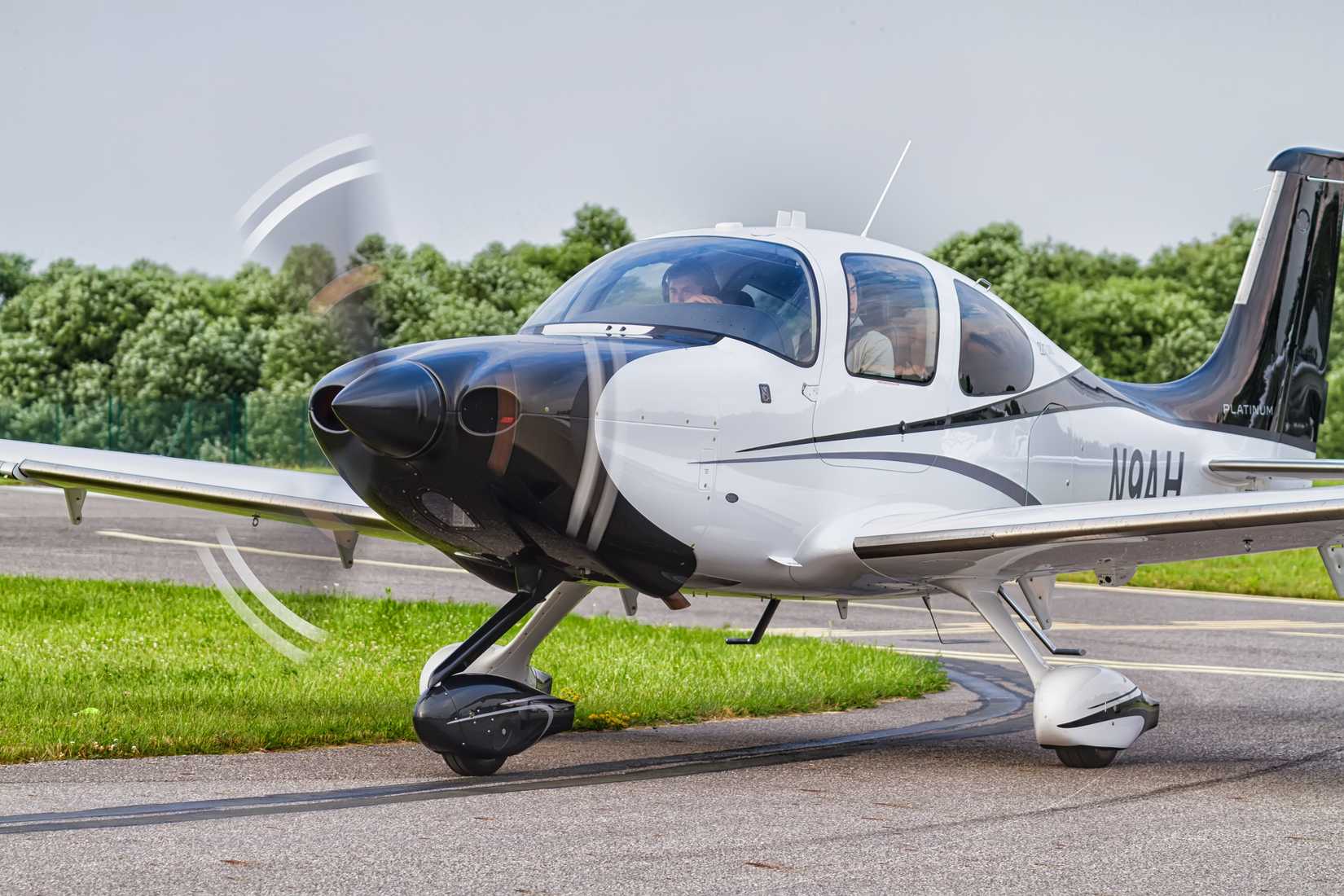
When Cirrus announced the higher-performance SR22 for the 2001 model year, traditionalists raised further objections. Cirrus deliberately kept a fixed landing gear setup for safety and simplicity, which performance purists quickly dismissed as inefficient compared to the retractable gear found on Mooney or Bonanza models. Furthermore, the SR22 abandoned the traditional heavy center yoke in favor of a side-mounted flight stick, which veteran general aviation flyers derided as plasticky and resembling a video game controller.
However, the most severe headwinds emerged when amateur pilots began falling victim to a false sense of security provided by the advanced technology. This initial skepticism unfortunately turned into a full-blown safety crisis during the mid-2000s. Inexperienced pilots began flying directly into severe weather, heavy icing conditions, and thunderstorms that they were simply not qualified or trained to handle. Shockingly, in many of these early fatal crashes, pilots never even pulled the overhead parachute handle. By 2011, the fatal accident rate for the SR22 spiked to 1.6 per 100,000 flight hours, which was significantly worse than the overall general aviation average of 1.2 at the time.
Rewiring GA Safety Of Flight: From False Security To Gold Standard
Faced with a brand-destroying safety crisis, Cirrus Aircraft and the Cirrus Owners and Pilots Association fundamentally overhauled their emergency training protocols. They institutionalized a clear, uncompromising rule: if a pilot loses control, loses an engine over inhospitable or rough terrain, or experiences severe spatial disorientation while flying in the clouds, they must pull the red handle immediately. This cultural shift proved remarkably successful. By 2014, the fatal accident rate for the SR22 plummeted to 0.42, transforming it into one of the statistically safest single-engine aircraft operating anywhere in the world.
The manufacturer explicitly advises pilots to deploy the system at or above 2,000 feet above ground level, with industry organizations frequently echoing the mantra to pull early and pull often. The Cirrus Airframe Parachute System is a ballistic parachute securely attached to the airframe that launches instantly via a small solid-fuel rocket. Pulling the red cabin handle overhead releases the hatch, deploys the deployment bag, and allows the entire disabled airplane to descend safely and slowly back to the earth.

Aviation safety experts note that Cirrus fitted parachutes to all of its aircraft starting in late 1998, marking the first time a whole-airplane parachute was successfully produced in an FAA-certified production airplane. More than two decades later, Cirrus remains unique as the only major manufacturer that includes a whole airframe parachute as standard equipment on every certified model it sells. Once the actual safety record conclusively matched the marketing hype, the market momentum of the SR22 became virtually unstoppable.
By successfully transforming its early reputation as a dangerous luxury toy into the undisputed gold standard of modern aviation safety, the SR22 effectively sidelined much of its traditional competition. Pilot spouses and families increasingly expressed a strong preference for Cirrus over legacy competitors because they found immense comfort in knowing they could pull the red handle if the pilot ever became incapacitated. Cirrus leaned heavily into this philosophy, continuously updating the aircraft with the first-ever full glass cockpit in a light piston plane and, eventually, the groundbreaking Safe Return Autoland button.
The reward for this relentless focus on safety has been meteoric commercial success. Industry reports indicate that Cirrus aircraft deliveries continued to climb significantly, with annual billings reaching past the billion-dollar mark. For context, this strong financial performance demonstrates how a specialized manufacturer of single-engine aircraft can capture massive market enthusiasm by solving the fundamental safety concerns that have historically deterred potential aviators from entering the general aviation community.

By The Numbers: What Saved Lives Tell Us About The Future
Comprehensive aviation mishap data collected through recent years indicates that the whole-airframe parachute system has been directly credited with saving hundreds of lives across more than a hundred separate emergency deployments. Historical deployment records consistently average roughly two lives saved per successful deployment event. At the same time, the accident data clearly highlights the operational boundaries where the system runs out of room. Deployments that resulted in injuries predominantly occurred at extremely low altitudes or after a dangerously late pull, reinforcing the critical reality that the system’s benefits rely entirely on a timely decision made within seconds.
A pilot who hesitates during an in-flight emergency can instantly erase the critical safety margin that the canopy is engineered to provide. This precise engineering limitation is the exact reason why Cirrus and flight instructors push early deployment so aggressively, ensuring that emergency training remains the cornerstone of the success story surrounding the popular piston single.
The historic SR22 registered as N266CD, which now resides proudly in the Smithsonian collection, forever changed the industry in 2003 by becoming the first single-piston engine aircraft certified with an advanced glass panel avionics suite. Leading aviation publication editors routinely praised it as one of the most sophisticated single-engine civilian aircraft ever brought to production. The manufacturing team has continued building upon that legacy, introducing advanced iterations equipped with standard emergency autoland capabilities that continue to raise the bar for how safe and technologically advanced a light general aviation airplane can be.

Beyond The Chute: How Avionics Sealed The Deal
These continuous technological upgrades have served to further cement the reputation of Cirrus aircraft for superior innovation and quality. The introduction of FAA-approved autonomous emergency landing systems in single-engine piston aircraft represents a massive leap forward. Until the SR22 integrated this capability, such advanced automation had typically been restricted to complex turboprops and heavy corporate jet aircraft, including the manufacturer’s own Vision Jet.
Any occupant inside the cabin can initiate the autonomous landing sequence simply by pressing a dedicated button located on the overhead panel, mirroring the accessibility of the emergency parachute handle. Furthermore, the onboard system is programmed to initiate automatically if it detects that the pilot has stopped responding to system prompts. The technology seamlessly manages complex flight deck tasks, handling active navigation, routine radio communications, precision instrument approaches, the final landing flare, and the subsequent engine shutdown on the runway. Servo-driven emergency throttles and automatic fuel mixture controls allow the system to manage the powerplant entirely on its own, though the pilot retains the ability to override or cancel the landing at any moment using the autopilot disconnect button.
Ultimately, a relentless dedication to safety transformed the Cirrus SR22 into the best-selling general aviation aircraft in modern history. By turning safety from an abstract pilot skill into a tangible, foolproof engineering feature, Cirrus recognized that ultimate peace of mind is the most valuable commodity in aviation, allowing the company to reshape the global piston market for decades to come.
Related News