Understanding the Mechanics of Carbon Offsets: A Comprehensive Breakdown of Project Types, Costs, and Quality Standards
Article Editorial Team
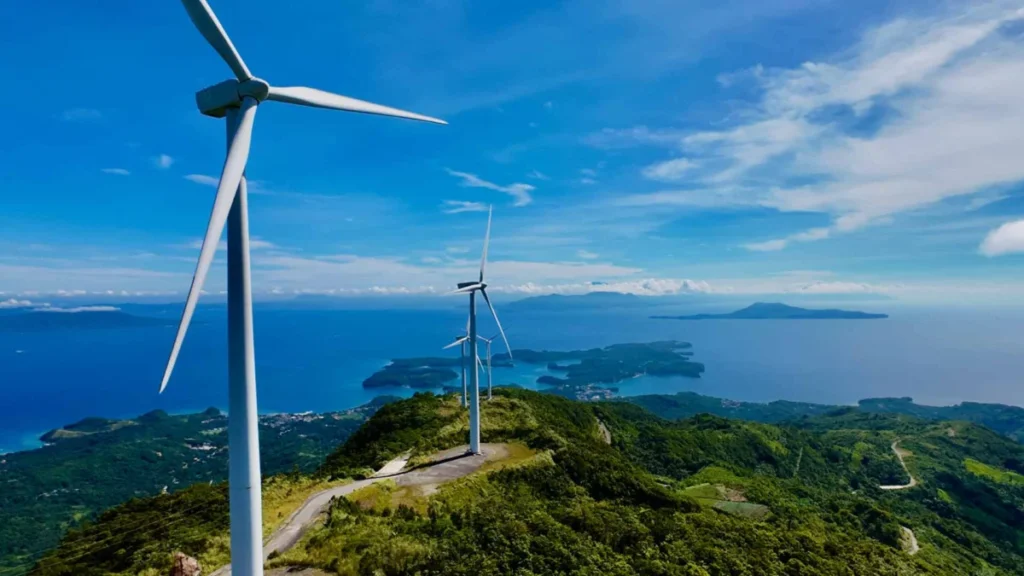
Not all carbon offsets operate under the same principles or deliver identical environmental impacts. While some climate initiatives focus on preserving existing forest canopies or constructing commercial wind farms, others restore vital mangrove ecosystems or extract carbon dioxide directly from the ambient air using advanced technological innovations. As the global voluntary carbon market continues to mature and scale, understanding these distinct methodologies has become essential for organizations and individuals striving to address their greenhouse gas footprints effectively.
At its core, a carbon offset project is a verified climate initiative designed to either reduce or entirely remove the greenhouse gas emissions driving global climate change. These efforts manifest in numerous ways across the globe, ranging from the restoration of fragile coastal wetlands and the transformation of agricultural waste into clean energy to comprehensive conservation programs in tropical rainforests and urban emission-mitigation systems.
The emissions reductions or removals achieved by these projects are meticulously measured, calculated, and audited by independent third-party experts. Once validated, a single carbon credit is issued for every metric ton of carbon dioxide equivalent mitigated. When consumers or corporate entities purchase these credits, the generated capital flows directly to the project developers, providing essential financial support for ongoing environmental stewardship, infrastructure development, and community-based climate action.
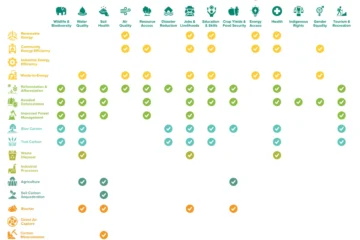
These initiatives are broadly classified into several foundational categories, including forestry, renewable and traditional energy, waste management and industrial processes, blue and teal carbon ecosystems, agricultural practices, and technological carbon removal. To navigate this intricate landscape, stakeholders frequently rely on detailed comparative frameworks to evaluate how different strategies stack up against one another in terms of permanence, additionality, and overall climate efficacy.
Avoidance Versus Removal: The Two Pillars of Climate Mitigation
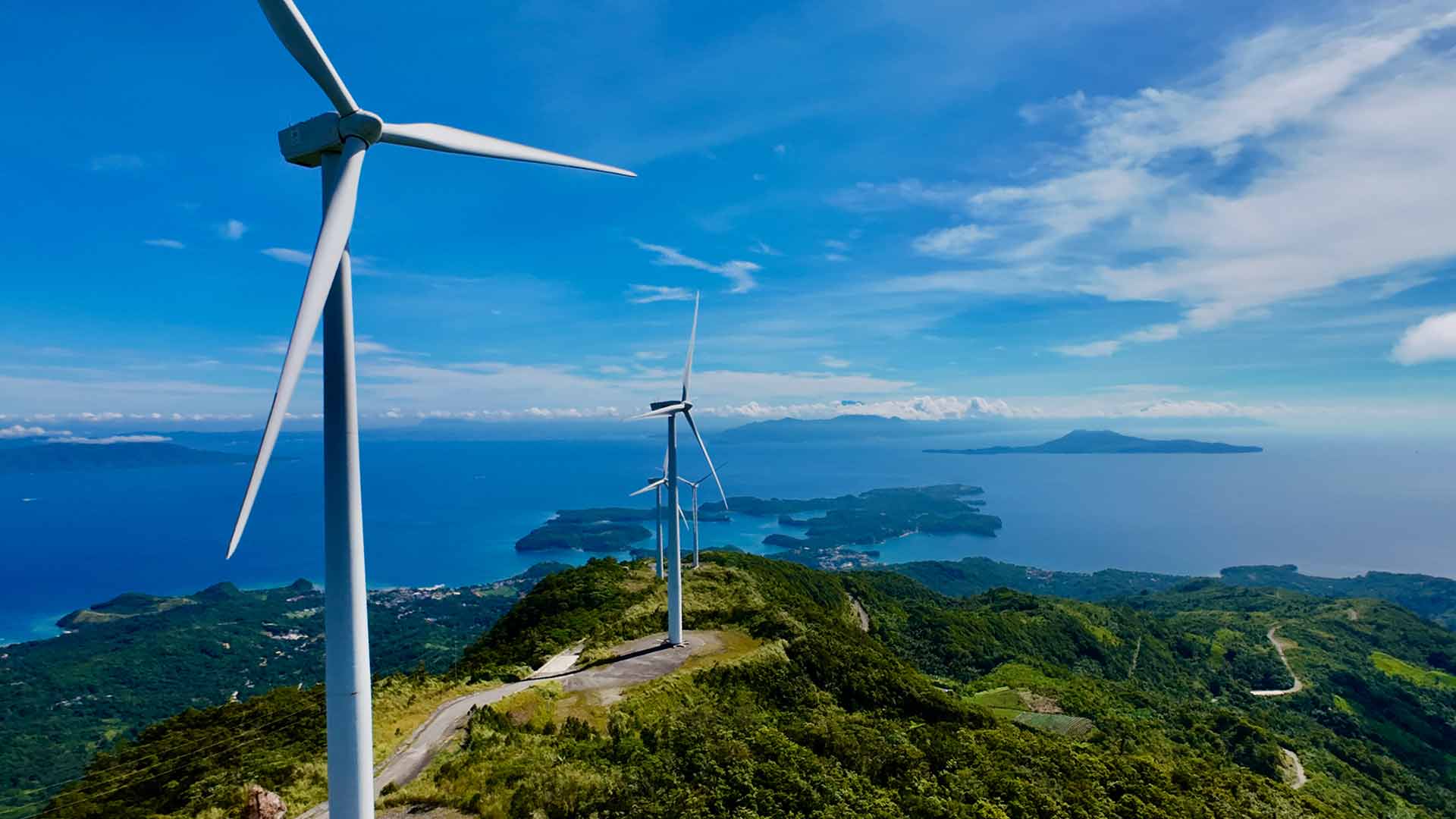
Carbon offset projects generally fall into one of two overarching categories: avoidance or removal. Avoidance projects are designed to prevent future greenhouse gas emissions from entering the atmosphere in the first place. Prominent examples include constructing utility-scale wind farms to replace fossil fuel-reliant electrical grids or implementing stringent legal and community-based protections to stop forests from being cleared for agriculture or logging.
Conversely, removal projects target carbon dioxide that has already accumulated in the atmosphere, drawing it down through biological mechanisms like large-scale reforestation or engineered innovations such as direct air capture. Many modern portfolios integrate a balanced mix of both approaches to tackle emissions comprehensively.
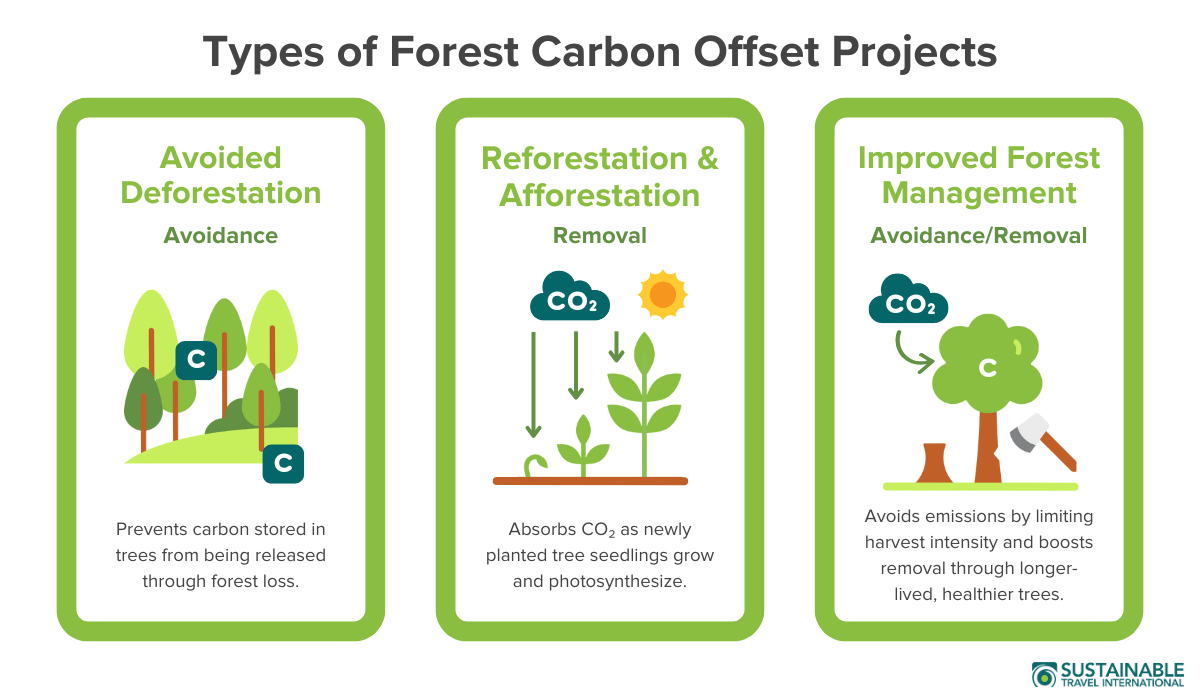
Forest-based initiatives represent one of the oldest and most widely recognized forms of carbon offsetting. Forests act as natural carbon sinks, absorbing and storing vast amounts of carbon dioxide through the biological process of photosynthesis. Forest-based carbon projects leverage this capacity by protecting threatened timberlands, restoring degraded landscapes, and improving forest management practices to maximize long-term carbon sequestration and biodiversity co-benefits.
The scope of these forestry efforts is generally categorized into three main approaches: avoided deforestation, which protects threatened woodlands from being cleared; reforestation and afforestation, which plant trees in areas that have either recently lost forest cover or have historically been non-forested; and improved forest management, which optimizes existing timber operations to store more carbon over time. To contextualize the scale of these impacts, the greenhouse gas emissions generated by a single round-trip commercial flight between New York and London are roughly comparable to the amount of carbon that 25 tree seedlings would absorb over a ten-year growing period, or the emissions avoided by protecting approximately 1.5 acres of mature forest from deforestation for one single year.
Energy and Industrial Interventions
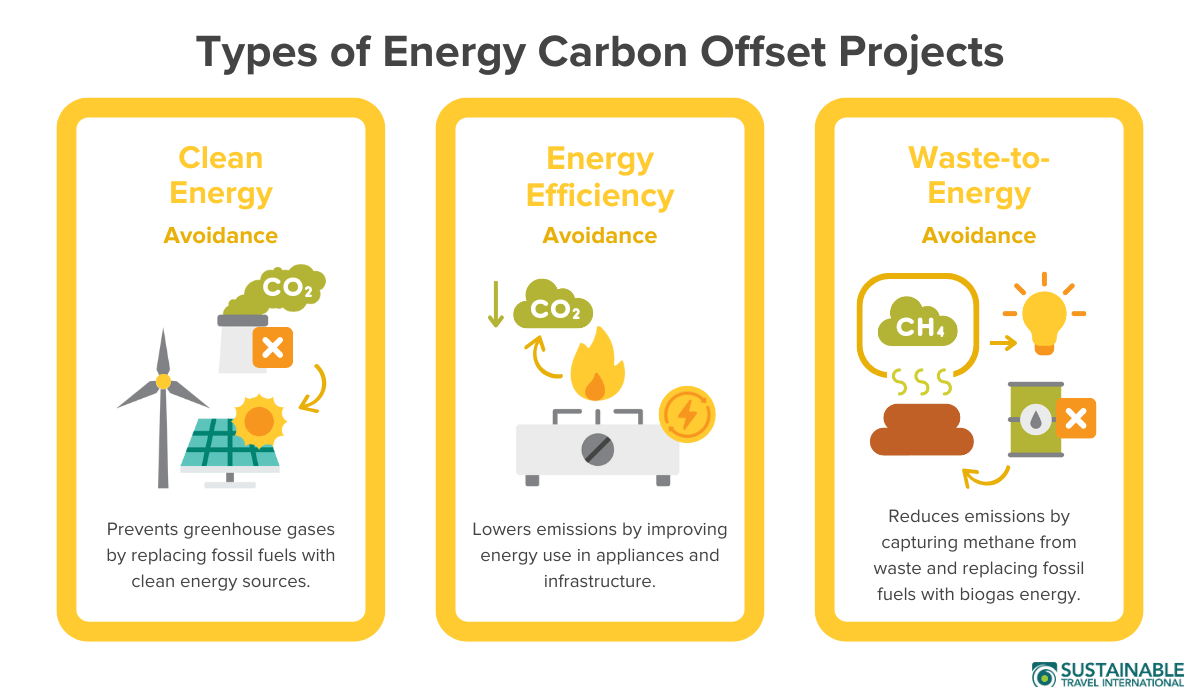
Energy-focused carbon offset projects target emissions by fundamentally altering how power is generated, consumed, and sourced across modern infrastructure. These initiatives are engineered to displace fossil fuel-based electricity generation with clean, renewable alternatives, recover usable energy from organic waste streams, and curb overall energy demand through the deployment of high-efficiency industrial systems and consumer appliances.
The primary sectors within energy offsets include clean and renewable energy installations, such as solar, wind, and hydroelectric power plants; energy efficiency upgrades that reduce total power consumption; and waste-to-energy projects that capture methane or burn organic refuse to generate electricity rather than relying on coal or natural gas. For comparison, the carbon footprint of that same round-trip flight from New York to London is roughly equivalent to the emissions avoided by preventing the combustion of 1,666 pounds of coal or burning 147 gallons of diesel fuel.
Beyond standard power generation, a significant share of offset projects focuses on managing difficult industrial byproducts and municipal waste streams. Waste disposal initiatives involve capturing and destroying the methane gas released by rotting organic material in landfills, scaling up municipal recycling programs to avoid the emissions associated with manufacturing brand-new materials from scratch, and promoting large-scale composting. For instance, plastic recycling initiatives in various global markets process used polyethylene terephthalate bottles into raw plastic flakes, significantly cutting carbon footprints by eliminating the need to synthesize virgin plastic from petroleum and natural gas resources.
Similarly, industrial process projects tackle emissions directly at manufacturing facilities and chemical plants by destroying or replacing potent synthetic greenhouse gases. These interventions may involve capturing fugitive methane leaks escaping from active or abandoned coal mines, neutralizing nitrous oxide produced during chemical synthesis, or substituting high-emission industrial refrigerants with environmentally benign alternatives.
Blue, Teal, and Agricultural Carbon Ecosystems
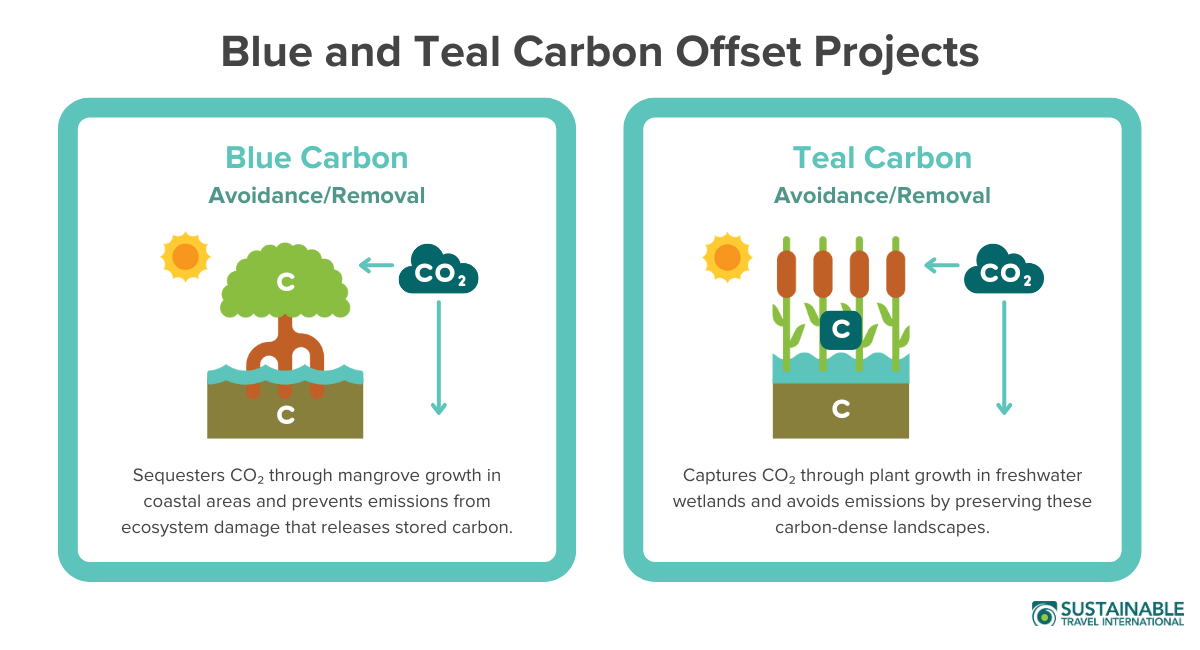
In recent years, attention has increasingly shifted toward specialized ecosystems capable of storing carbon at unprecedented densities. Blue carbon offset projects focus on the protection and restoration of vital coastal ecosystems, including mangroves, salt marshes, and seagrass meadows, while teal carbon initiatives concentrate on freshwater wetlands and peatlands. Although these environments cover a significantly smaller geographic footprint than terrestrial forests, they possess the capacity to absorb carbon up to ten times faster. Furthermore, they can store roughly twice as much carbon per equivalent unit of area compared to terrestrial forests, primarily locking the gas away in waterlogged soils where the absence of oxygen slows decomposition, trapping carbon safely for millennia.
Prominent real-world examples include community-based conservation initiatives that protect and restore mangrove forests along tropical coastlines, as well as large-scale peat swamp preservation projects that protect critical wildlife habitats—such as those utilized by rehabilitated orangutans—from being converted into commercial agricultural tracts.
Agricultural carbon offset projects achieve emissions reductions through targeted land management and livestock strategies. These interventions address high-emission agricultural practices while simultaneously incentivizing farmers to adopt regenerative methods that enhance organic matter and carbon storage in agricultural soils and perennial vegetation.
At the cutting edge of the market, technological carbon removal utilizes heavily engineered solutions to extract and isolate carbon dioxide in stable, long-lasting storage reservoirs. Direct air capture technology relies on massive mechanical fans and specialized chemical processes to pull carbon dioxide directly out of the ambient atmosphere. Once captured, the gas is either permanently injected deep underground into geological formations or repurposed for commercial applications, such as the production of synthetic low-carbon fuels and durable building materials like concrete. In addition to entirely engineered systems, technology is increasingly deployed to enhance natural sequestration processes, accelerating the planet’s native capacity to absorb and hold carbon securely.
Market Trends, Quality Assurance, and Pricing Dynamics
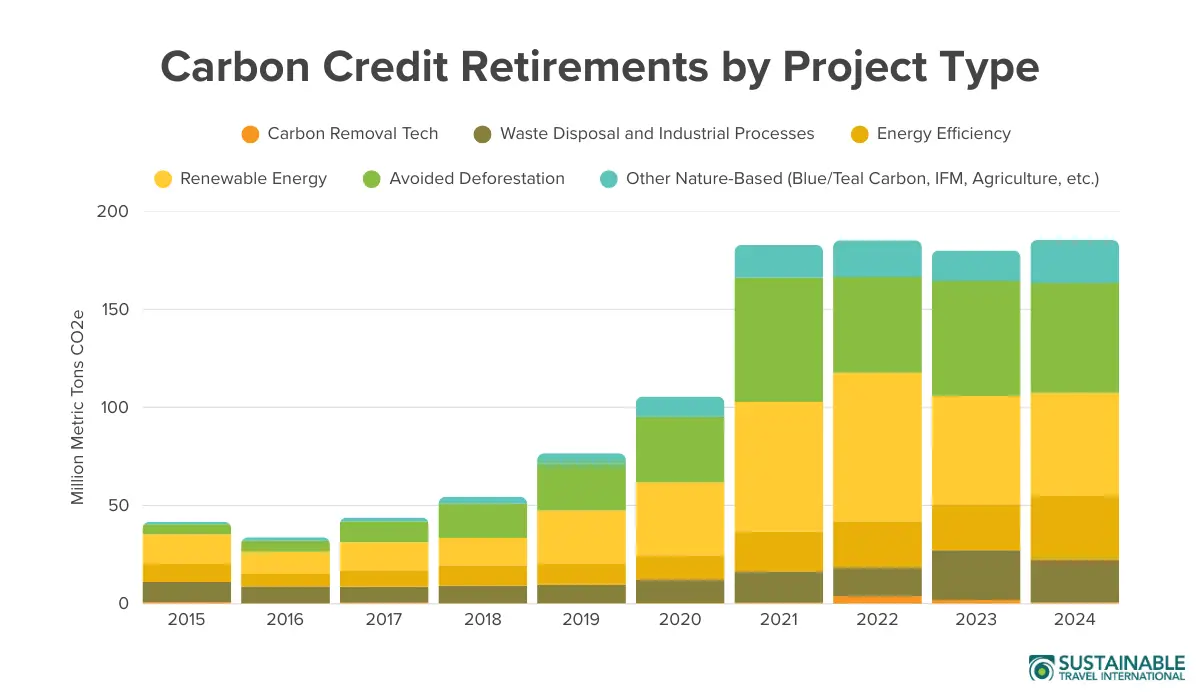
An analysis of historical market data reveals substantial shifts in how carbon credits are retired across different project types. While avoided deforestation and large-scale renewable energy installations have historically dominated the voluntary carbon market in terms of cumulative credit retirements, emerging categories such as blue carbon and engineered removal technologies are capturing an expanding share of market activity. Together, this diverse toolkit provides corporations and governments with the means to mitigate both absolute emissions and hard-to-abate residual emissions that cannot currently be eliminated at their operational source.
However, industry experts emphasize that the ultimate efficacy of any climate strategy depends entirely on project quality. High-quality carbon offsets must satisfy rigorous independent verification standards and pass several foundational tests. Specifically, the emissions reductions must be truly additional—meaning the project’s activities and financial viability would not have occurred without the revenue generated by carbon credit sales. Furthermore, the sequestered carbon must remain stored for the long term without risk of reversal, and the project must not inadvertently shift emissions to another location. Many top-tier initiatives also incorporate robust safeguards to ensure tangible socio-economic and ecological co-benefits for local host communities.
Market pricing for carbon credits reflects this complexity, varying widely from roughly $1 to upwards of $1,000 per metric ton. Prices are dictated by factors such as project methodology, geographic location, scale, and prevailing market demand. Projects that undergo rigorous independent certification and deliver verifiable co-benefits for local populations and biodiversity generally command higher prices.
Established large-scale renewable energy and forestry projects often produce credits at a lower cost due to economies of scale and mature operational frameworks. Conversely, smaller community-led projects often incur higher operational costs relative to the volume of credits they generate. Meanwhile, nascent technological carbon removal solutions remain significantly more expensive as the sector continues to scale its manufacturing and operational infrastructure.
Organizations managing comprehensive climate portfolios typically curate a balanced mix of forestry, energy, blue and teal carbon, and technological removal credits. By diversifying investments across multiple methodologies, participants can support a multifaceted approach to global climate action, ensuring that every dollar allocated delivers measurable environmental and community impact.
Related News