Amazon Quietly Disables Alexa Voice Controls for AUX Inputs on Several Older Echo Speakers
Article Editorial Team
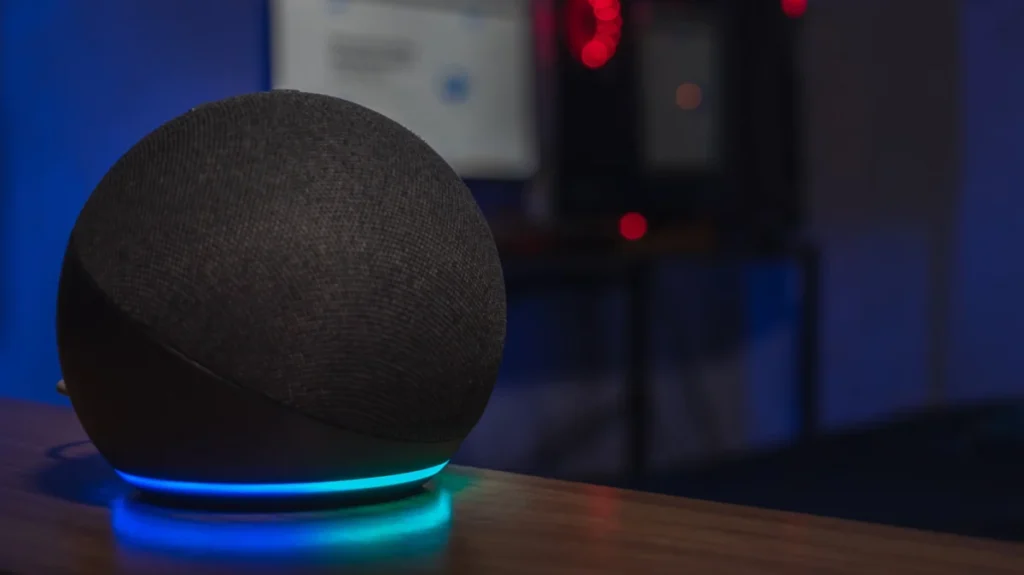
Amazon has quietly removed Alexa voice command functionality for the physical AUX input on a selection of its older, yet still widely used, Echo smart speakers. The quiet deprecation means that users can no longer rely on simple voice prompts such as "Alexa, play from line in" or "Alexa, set AUX input" to switch their speakers over to a wired audio source. While the underlying physical 3.5mm audio jacks remain functional, the loss of voice automation introduces a layer of friction for smart home enthusiasts and audiophiles who integrated the hardware into older, legacy home entertainment setups.
The scope of the change affects a specific roster of hardware released by Amazon over the past several years. According to customer notifications shared broadly and reported by tech publications, the impacted models include the second-generation Echo Plus released in 2018, the third-generation Echo launched in 2019, the original high-end Echo Studio introduced also in 2019, and the fourth-generation standard Echo that rolled out in 2020.
Amazon has formally acknowledged the removal of these capabilities. A company spokesperson confirmed to media outlets that the tech giant had reached out via email to notify the small number of customers who actively utilized voice requests for AUX playback. Despite confirming the shift, the corporation did not provide a detailed rationale explaining why it chose to deprecate these specific voice commands after years of standard support.
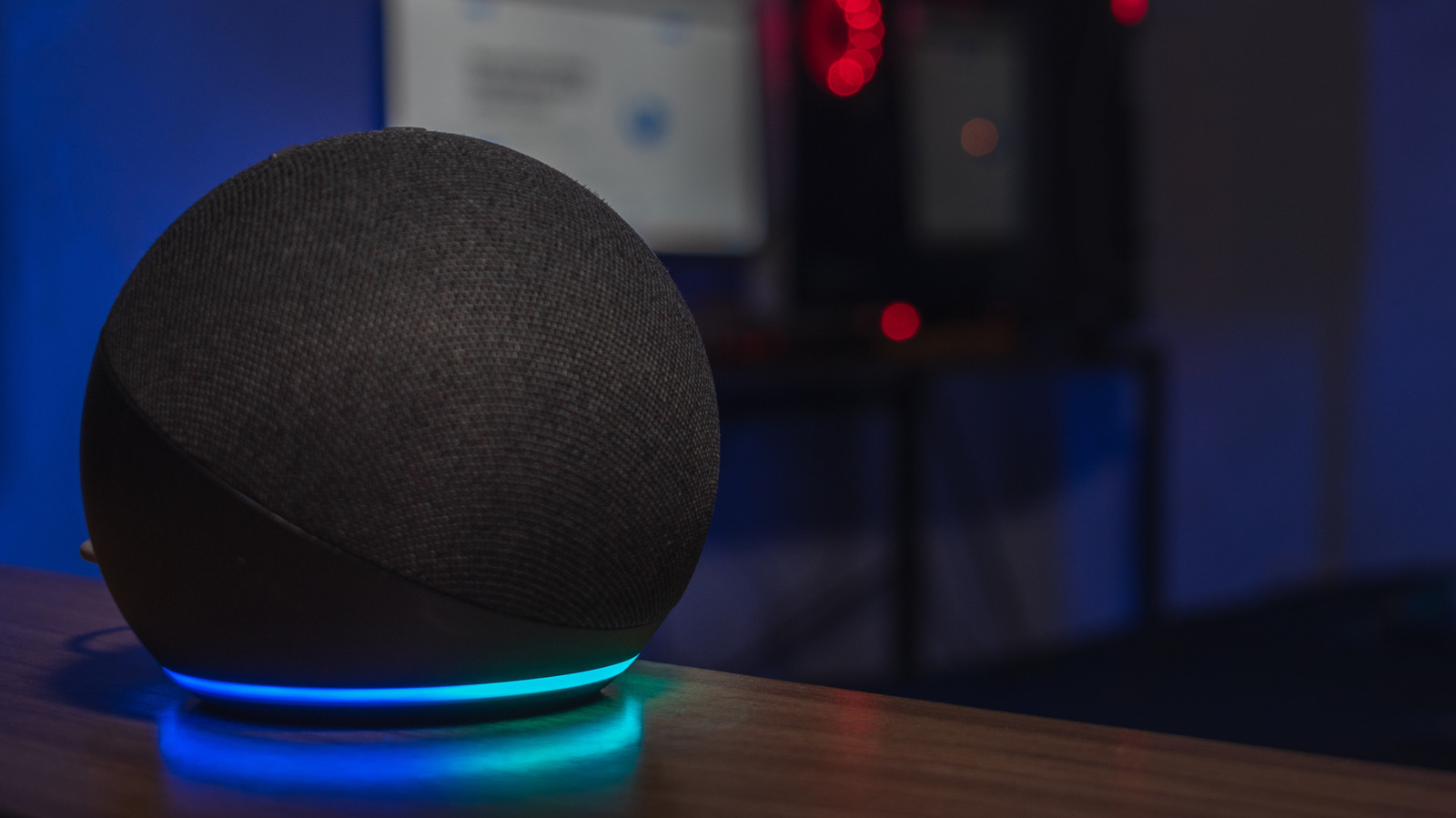
For many consumers, the primary frustration lies not in the sudden obsolescence of the hardware itself, but in the erosion of seamless smart home integration. The affected Echo devices still retain their physical 3.5mm ports, meaning that the hardware has not been entirely bricked or rendered useless. Owners can still physically plug in an external audio cable and route sound through the speaker, but the streamlined, hands-free convenience that defined the Alexa ecosystem has been partially rolled back for wired configurations.
What is the AUX port on older Echo speakers for?
The small 3.5mm audio jack featured on various generations of Echo hardware has historically served a dual purpose, functioning either as an input or an output depending strictly on the specific model design. When configured as an input, the port allows the smart speaker to act as a traditional standalone speaker, amplifying and playing audio fed from an external source such as a smartphone, a portable media player, or a desktop computer. Conversely, when operating as an output, the exact same physical port can route audio generated by Alexa directly out to a larger home stereo system, an external amplifier, or powered bookshelf speakers.
The hardware lineage varies notably across different generations. Models like the third-generation Echo, the fourth-generation Echo, and the second-generation Echo Plus were engineered to support both input and output functionalities through their physical jacks. Meanwhile, the original Echo Studio was designed primarily for input capability. Other popular iterations, such as the third- and fourth-generation Echo Dots, featured jacks restricted strictly to audio output. The later progression of Amazon’s hardware design eventually saw the physical 3.5mm connection entirely abandoned on newer models like the fifth-generation Echo Dot.
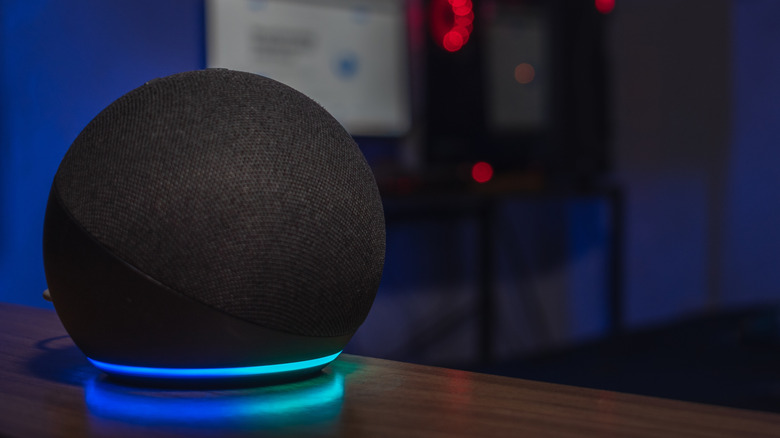
This functional hardware legacy has made older Echo devices surprisingly valuable for users bridging the gap between vintage consumer electronics and modern smart audio environments. For instance, an audiophile utilizing an early-2000s Sony multi-disc CD changer can easily bridge the analog hardware to an original Echo Studio by running a simple RCA-to-3.5mm audio cable. This setup allows classic physical media to be played out loud through a smart speaker ecosystem without requiring the purchase of separate Bluetooth adapters or the complete replacement of vintage audio components. The underlying physical connection continues to function smoothly for these setups, even if Alexa herself has become distinctly less cooperative when asked to manage the input via voice.
You can still use AUX, just with fewer conveniences
Users who rely on a compatible Echo speaker connected to external hardware via a 3.5mm audio cable are not entirely cut off from their wired setups, though managing the connection now requires manual intervention through the mobile software interface rather than a simple spoken command. To re-enable or adjust the hardware state, users must open the Alexa application on their mobile device, navigate to the specific speaker listed under the devices tab, locate the auxiliary settings menu, and manually designate the port status to line-in for external audio playback. On models capable of bi-directional operation, users can alternatively select line-out to push the Echo’s audio output toward an external receiver. Depending on the specific software version installed on the mobile device, these configuration options may occasionally be housed within general device settings.
Once the manual connection and software configuration are established, playback management shifts entirely to the source device itself. Users must utilize the physical controls of the connected media player, phone, or computer to initiate playback, skip tracks, or adjust specific source volumes. The discontinued voice commands were engineered strictly to manage the Echo speaker’s internal routing for the AUX input, rather than controlling the playback functions of the external equipment attached to the other end of the cable.
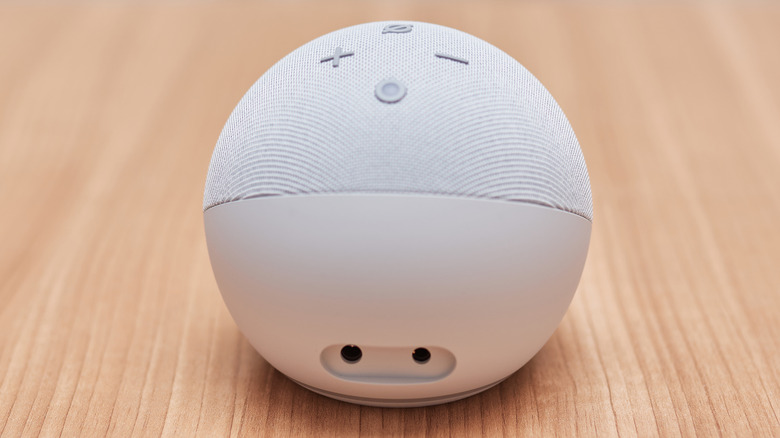
Ultimately, consumers who own a functional, legacy Echo device equipped with a 3.5mm port do not need to discard or replace their hardware simply because the voice commands have been retired. The physical port remains operational for analog pass-through. However, the situation serves as a cautionary note for smart home consumers looking to upgrade their audio ecosystem. Anyone considering transitioning away from older hardware to newer iterations—such as upgrading an original Echo Studio to the heavily redesigned recent generations—will likely find that the physical auxiliary input has been altered or omitted entirely, marking another step away from wired analog integration in the modern smart home market.
Related News